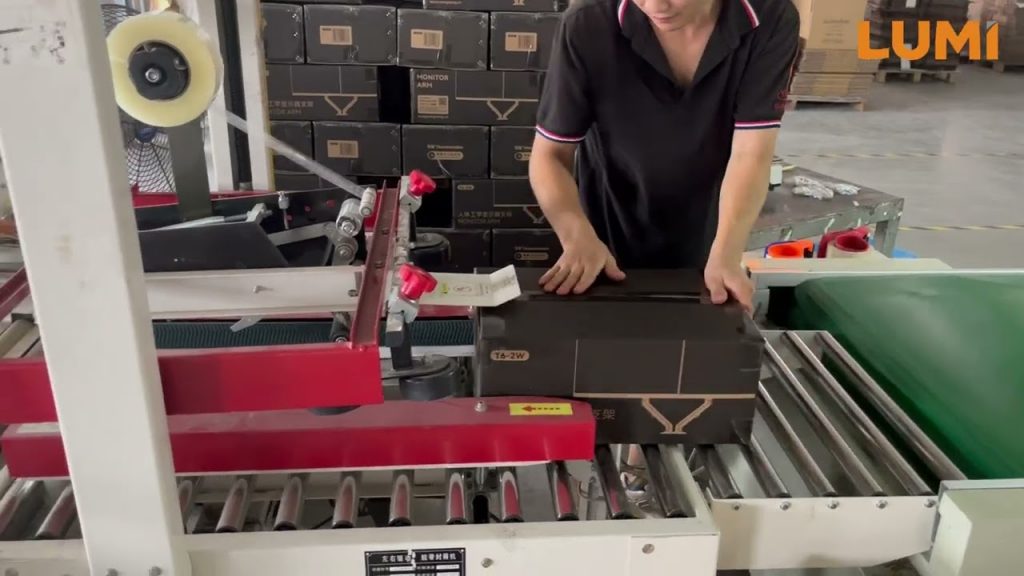
Title: Used Automatic Packing Lines for Silicone Sealant | Full Automatic Packing Line Description
Description:
Welcome to our video featuring a detailed overview of used automatic packing lines, specifically designed for filling silicone sealant into plastic cartridges and efficiently packaging the finished products. In this video, we showcase a full automatic packing line that streamlines the packaging process, ensuring precision and speed.
Introduction:
In this video, we explore the capabilities and functionalities of a used automatic packing line for silicone sealant. We will provide an in-depth analysis of its key features, benefits, and how it can significantly enhance productivity in the packaging industry.
Video Content:
1. Overview of the Full Automatic Packing Line: We delve into the various components and machinery involved in the packing line, highlighting their roles and importance in the process.
2. Filling Silicone Sealant into Plastic Cartridges: We demonstrate the precise and efficient filling process, showcasing how the line accurately dispenses silicone sealant into plastic cartridges without any wastage.
3. Packaging the Finished Products: Witness the seamless packaging of filled cartridges, where the automatic packing line carefully handles the products, ensuring they are properly sealed, labeled, and ready for distribution.
4. Key Highlights and Interesting Facts: Discover fascinating insights about the full automatic packing line, including its ability to handle high volumes, reduce labor costs, and ensure consistent product quality.
Operation Steps:
1. Preparation: Learn about the necessary preparations before operating the full automatic packing line, such as ensuring an adequate supply of silicone sealant and properly setting up the packaging materials.
2. Loading Cartridges: Follow the step-by-step process of loading empty plastic cartridges onto the packing line, ensuring a smooth transition from one station to another.
3. Filling Process: Witness the precision and accuracy of the line as it fills each cartridge with silicone sealant, optimizing the amount dispensed to minimize any product wastage.
4. Packaging and Labeling: See how the line seamlessly packages the filled cartridges, including sealing, labeling, and organizing them for easy identification and storage.
Call to Action:
If you found this video informative and engaging, please consider liking, subscribing, and sharing it with others in the industry. We appreciate your support and encourage you to explore our channel for more valuable insights and demonstrations related to packaging automation.
Additional Tags and Keywords: automatic packing line, silicone sealant packaging, plastic cartridge filling, packaging automation, efficient packaging solutions, precision packaging, high-speed packing line
Hashtags: #automaticpackingline #siliconesealantpackaging #packagingautomation #efficientpackaging #precisionpackaging
Here is a basic outline for a tilter for a full automatic packing line for silicone sealant:
1. Start by designing a conveyor system that can transport the silicone sealant containers from one end of the line to the tilter station.
2. Implement sensors along the conveyor system to detect the arrival of containers at the tilter station.
3. Install a robotic arm or a mechanical tilter mechanism that can tilt the containers to the desired angle for packing.
4. Connect the tilter mechanism to a control system that can adjust the angle and speed of the tilting process.
5. Develop a software program that can communicate with the control system and receive input from the sensors.
6. When a container arrives at the tilter station, the sensors will notify the software program, which will then activate the tilter mechanism.
7. The tilter mechanism will tilt the container to the predetermined angle for packing, ensuring proper positioning for the next stage of the packing process.
8. Once the tilting is complete, the software program will send a signal to the conveyor system to move the container to the next station for further packing or processing.
9. Implement safety features, such as emergency stop buttons or sensors, to ensure the well-being of operators and prevent accidents during the tilting process.
10. Regularly maintain and calibrate the tilter mechanism to ensure its proper functioning and accuracy.
Note: The specific design and implementation of the tilter may vary depending on the requirements of the silicone sealant packing line and the available resources. It is recommended to consult with experts in automation and packaging machinery to ensure a safe and efficient tilter design.Automatic Packing Line
#FULL #AUTOMATIC #PACKING #LINE #SILICONE #SEALANT