Find out more about our AGV's on [link]."
Title: Revolutionizing Industrial Processes with AGVs: Exploring Industrial Robot Applications
Introduction:
In today's rapidly evolving industrial landscape, companies are constantly seeking innovative solutions to streamline their operations and increase productivity. One such groundbreaking technology that has gained significant attention is Automated Guided Vehicles (AGVs). These intelligent machines are transforming traditional manufacturing processes by offering unprecedented efficiency, flexibility, and reliability. In this article, we will delve into the vast realm of Industrial Robot Applications and explore how AGVs are revolutionizing the future of smart factories.
Opinion/Thought Piece Style:
AGVs: Pioneering the Industrial Revolution
AGVs have emerged as a game-changer in the realm of industrial automation. These robotic marvels are designed to perform a wide range of tasks, from material handling and transportation to assembly and inspection, without the need for human intervention. With their ability to navigate autonomously, AGVs are capable of executing complex tasks with precision and consistency, resulting in enhanced productivity and reduced operational costs.
Industrial Robot Applications: Unleashing the Power of AGVs
AGVs have found their place in various industrial sectors, revolutionizing the way businesses operate. Let's explore some of the key applications of AGVs in different industries:
1. Manufacturing Industry: AGVs are widely employed in manufacturing plants for material handling, ensuring efficient movement of raw materials, work-in-progress, and finished goods. These robots can navigate through tight spaces, transport heavy loads, and seamlessly integrate with existing production systems, optimizing the overall manufacturing process.
2. Warehousing and Logistics: AGVs play a crucial role in warehouse and logistics operations. They efficiently move goods, manage inventory, and facilitate order fulfillment, significantly reducing manual labor and enhancing operational efficiency. AGVs can adapt to dynamic warehouse layouts, improving inventory management and order accuracy.
3. Healthcare Industry: In the healthcare sector, AGVs are utilized for tasks such as medication delivery, linen transportation, and waste management. These robots ensure timely and accurate delivery of critical supplies, reducing human errors and freeing up healthcare professionals to focus on patient care.
4. Food and Beverage Industry: AGVs are revolutionizing the food and beverage industry by streamlining processes such as palletizing, packaging, and material handling. With their ability to operate in hygiene-sensitive environments, AGVs ensure food safety and compliance with stringent regulations.
The Future of Smart Factories: Mobile Robot Arms for Industrial Applications
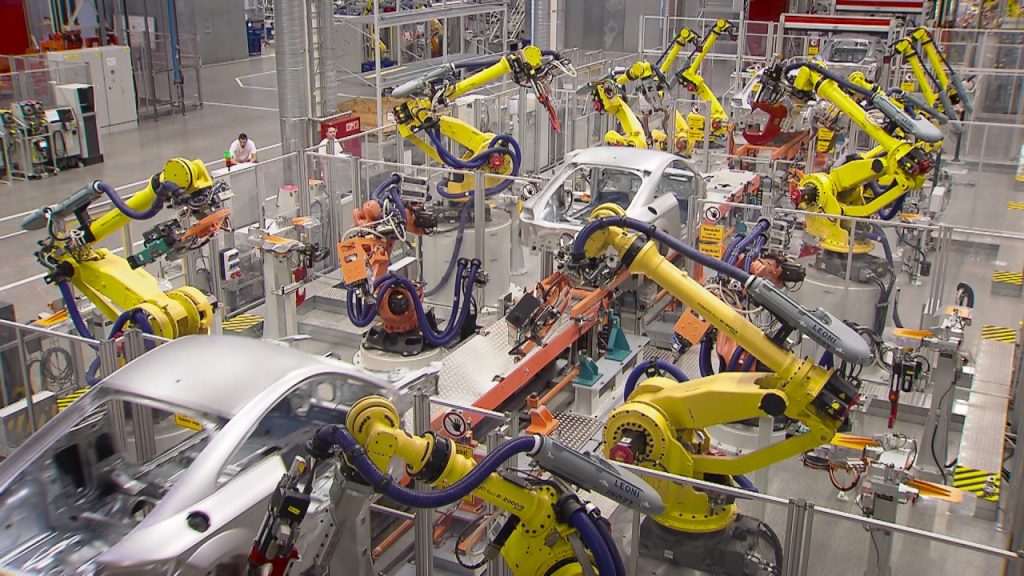
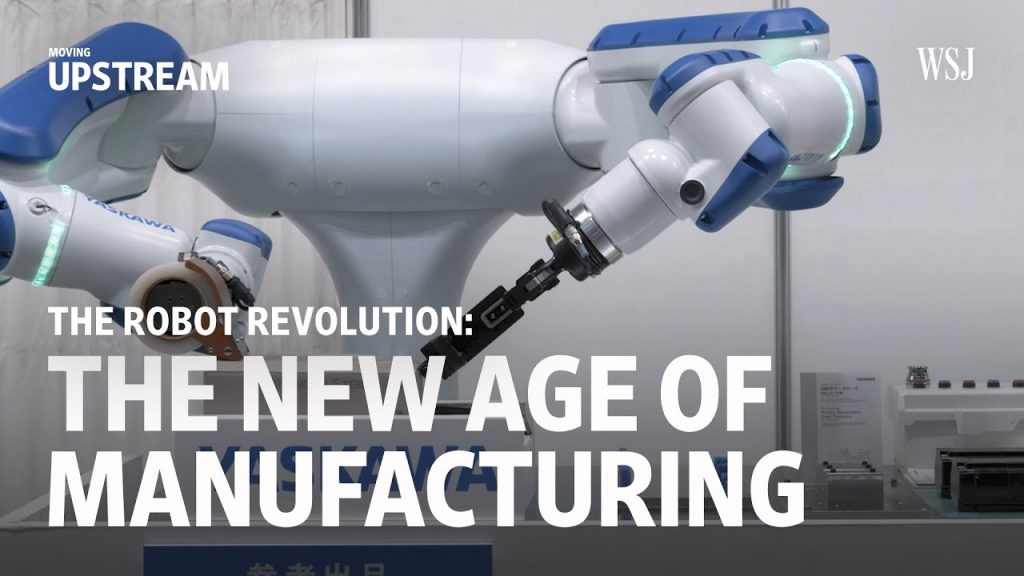
As the demand for automation continues to grow, the integration of AGVs with robotic arms is shaping the future of smart factories. By combining the mobility of AGVs with the dexterity of robot arms, industries can achieve a new level of automation and versatility. Mobile robot arms can perform intricate tasks such as machine tending, assembly, and quality inspection, further augmenting productivity and reducing the need for manual labor.
In-depth Analysis Style:
The Benefits of AGVs in Industrial Applications
AGVs offer numerous advantages that make them highly sought-after in industrial settings. Let's delve into some of the key benefits:
1. Increased Efficiency: AGVs eliminate the need for human intervention in repetitive and time-consuming tasks, leading to increased productivity and reduced cycle times. These robots can work continuously without breaks, significantly improving operational efficiency.
2. Enhanced Safety: AGVs are designed with advanced safety features, including collision avoidance systems and obstacle detection sensors. This ensures a safe working environment, reducing the risk of accidents and injuries.
3. Flexibility and Scalability: AGVs can be easily programmed and reprogrammed to adapt to changing production demands and layouts. Their modular design allows for scalability, enabling businesses to expand their operations seamlessly.
4. Cost Savings: By automating labor-intensive tasks, AGVs reduce the reliance on human workers, leading to cost savings in terms of labor expenses and operational inefficiencies. Additionally, AGVs minimize the risk of product damage and errors, resulting in cost savings associated with rework and rejects.
Conclusion:
AGVs have emerged as a revolutionary technology, transforming industrial processes across various sectors. With their ability to navigate autonomously, perform complex tasks, and integrate with other automation systems, AGVs are paving the way for a future of smart factories. By embracing Industrial Robot Applications such as AGVs, businesses can unlock new levels of efficiency, productivity, and profitability.
Check the coil packing solution with a leading manufacturer for the professional solution just here. [link] Industrial Robot
"Revolutionizing Manufacturing: The Rise of Mobile Robot Arms in Smart Factories"