Title: Open Mold Casting with Aluminum at Home: Exploring Sand Casting Techniques
Description:
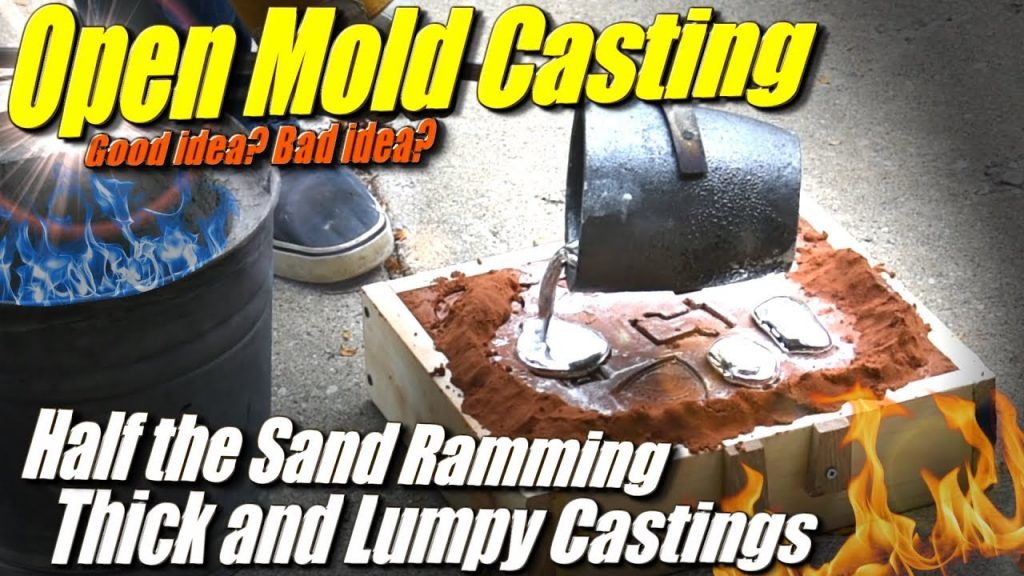
Welcome to my latest video where I delve into the fascinating world of open mold casting with aluminum at home using my propane foundry. In this video, I take on the challenge of sand casting aluminum using an open mold, a technique that differs from traditional sand casting methods as it involves only one flask. Join me as I share the step-by-step process, highlighting key insights and interesting facts along the way.
Introduction:
In this video, I showcase my experience with open mold casting, a unique approach to sand casting aluminum. With the help of my propane foundry, I explore the intricacies of this technique and its advantages over traditional sand casting methods.
Video Content:
1. Understanding Open Mold Casting: I provide an overview of open mold casting, explaining how it differs from conventional sand casting and the benefits it offers.
2. Setting up the Propane Foundry: Discover the necessary equipment and preparations required to create a successful aluminum casting at home.
3. Preparing the Mold: Follow along as I demonstrate the steps involved in preparing the open mold for casting, including the use of sand and various mold-making techniques.
4. Melting and Pouring Aluminum: Learn about the crucial process of melting aluminum and pouring it into the mold, ensuring a smooth and accurate cast.
5. Cooling and Unveiling the Casting: Witness the exciting moment when the aluminum casting has cooled down and is ready to be revealed from the mold.
6. Post-Casting Finishing: I share tips and techniques on how to properly finish and clean the aluminum casting, achieving a polished and professional look.
Call to Action:
If you found this video interesting, don't forget to give it a thumbs up and subscribe to my channel for more captivating DIY projects. Share this video with fellow enthusiasts who are passionate about metal casting. Let's spread the knowledge and excitement of open mold casting with aluminum!
Additional Tags and Keywords:
open mold casting, sand casting aluminum, propane foundry, DIY metal casting, aluminum casting techniques, home metal casting, mold-making, aluminum pouring, post-casting finishing, aluminum crafts, metalworking.
Hashtags:
#OpenMoldCasting #SandCastingAluminum #DIYMetalCasting #PropaneFoundry #AluminumCrafts #Metalworking
Title: DIY Guide to Open Mold Casting with Aluminum at Home using a Propane Foundry
Introduction:
Open mold casting is a popular technique for metal casting, allowing hobbyists to create their own aluminum objects at home. By utilizing a propane foundry, you can easily melt and pour aluminum into molds to create various shapes and designs. This guide will walk you through the step-by-step process of setting up a tilter for open mold casting with aluminum at home using your propane foundry.
Materials Required:
1. Propane foundry setup, including a crucible and propane burner
2. Aluminum ingots or scrap aluminum
3. Fire-resistant gloves and safety goggles
4. Graphite mold or sand mold
5. Tilter apparatus (details provided below)
6. Crucible tongs
7. Mallet or hammer
8. Release agent (e.g., boron nitride spray)
9. Clamps or vice grips
Tilter Apparatus Setup:
1. Start by gathering the necessary materials for the tilter apparatus:
- 2 sturdy metal bars or rods (around 2 feet long each)
- 2 metal hinges
- 4 bolts and nuts
- Welding equipment (if available) or strong adhesive
2. Position the metal bars parallel to each other, leaving a gap between them that is slightly wider than the crucible. Ensure they are securely fixed to a stable surface.
3. Attach the hinges to the bottom ends of the metal bars, ensuring they are aligned and can open and close smoothly.
4. Place the crucible on the metal bars, ensuring it rests securely and centrally between them.
5. Secure the crucible in place by drilling holes through the metal bars and crucible handles, then insert bolts and nuts to hold it firmly. Alternatively, you can weld the crucible handles to the metal bars if you have welding equipment.
Process:
1. Prepare your workspace by ensuring it is well-ventilated and free from any flammable objects. Wear fire-resistant gloves and safety goggles to protect yourself.
2. Ignite the propane burner and adjust the flame to achieve a steady, controlled heat.
3. Place the metal bars with the attached tilter apparatus over the propane burner, ensuring it is stable and securely positioned.
4. Place the aluminum ingots or scrap aluminum into the crucible using crucible tongs. Add more aluminum as needed, ensuring you don't exceed the crucible's capacity.
5. Melt the aluminum by exposing it to the heat of the propane burner. Stir the molten aluminum occasionally to ensure uniform heating and melting.
6. While the aluminum is melting, prepare your graphite or sand mold by applying a release agent to prevent sticking. Ensure the mold is securely clamped or held in place.
7. Once the aluminum is fully melted, carefully tilt the tilter apparatus to pour the molten aluminum into the prepared mold. Use a mallet or hammer to gently tap the crucible if needed to facilitate pouring.
8. Allow the aluminum to cool and solidify in the mold for the required duration. This can vary depending on the size and complexity of the object being cast.
9. Once the aluminum has cooled and solidified, carefully remove the mold from the tilter apparatus and separate the cast aluminum object from the mold using appropriate tools.
10. Clean and polish the cast aluminum object as desired, removing any excess material or imperfections.
Conclusion:
By following this DIY guide, you can successfully create your own aluminum objects using open mold casting at home with the help of your propane foundry and a tilter apparatus. Remember to prioritize safety precautions and always work in a well-ventilated area. Enjoy the process and explore your creativity with aluminum casting! mold open
#Open #Mold #Casting #Aluminum #home #Propane #Foundry