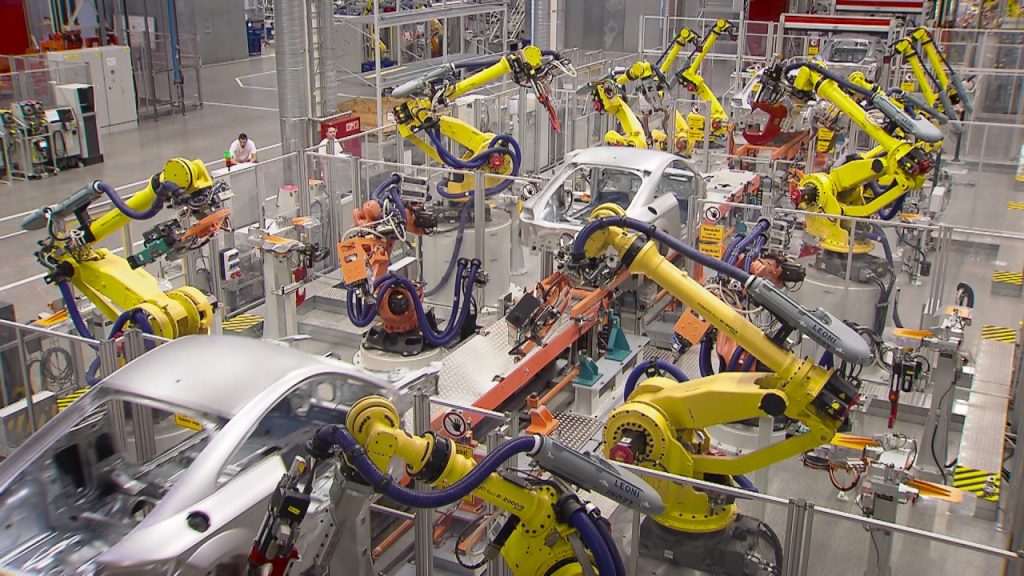
Robots are revolutionizing the manufacturing industry, bringing unprecedented levels of efficiency and productivity. However, businesses need to carefully evaluate the cost and initial investment associated with industrial robots. In this article, we will delve into the factors businesses should consider when factoring the cost of robots in manufacturing and explore the price range of industrial robots. So let's dive right in!
Industrial Robot Price: Factoring the Cost of Robots in Manufacturing
Introduction:
The manufacturing industry is undergoing a transformative shift with the introduction of robots. These advanced machines are capable of performing repetitive tasks with unmatched precision and speed, resulting in enhanced production capabilities. However, the decision to invest in industrial robots requires a thorough evaluation of the costs involved.
Opinion/Thought Piece Style:
As a sales engineer in the manufacturing industry, I am frequently confronted with questions about the price of industrial robots. While the benefits of automation are undeniable, it is crucial for businesses to assess the financial implications before making the leap. In this article, I aim to shed light on the various factors that influence the cost of robots and offer insights into how businesses can make informed decisions.
Explanatory Style:
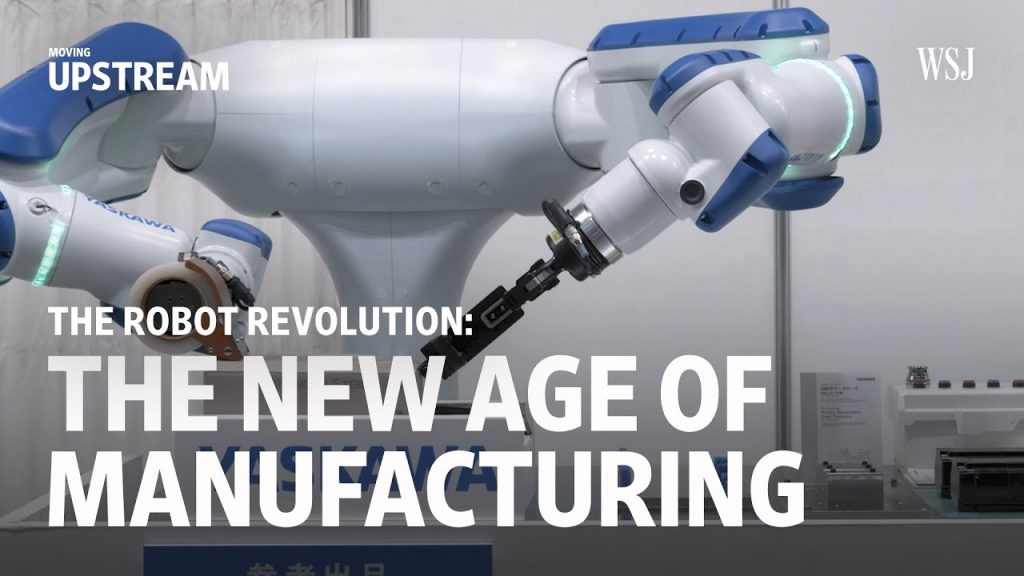
To understand the price range of industrial robots, we must consider several factors. Firstly, the type of robot plays a significant role in determining the cost. Collaborative robots, also known as cobots, are designed to work alongside humans and tend to be more affordable compared to larger, heavy-duty industrial robots. Additionally, the level of customization required, the complexity of the tasks performed, and the size of the robot arm all contribute to the overall cost.
Case Study Style:
Let's examine a real-life case study to illustrate the impact of industrial robot price on manufacturing businesses. Company XYZ, a leading manufacturer in the automotive industry, decided to invest in industrial robots to streamline their production process. After careful consideration, they opted for a collaborative robot that could assist in assembling car components. The initial investment for the robot was $50,000, but it resulted in a significant increase in production efficiency and a reduction in labor costs. Within a year, the company witnessed a return on investment (ROI) and continued to reap the benefits of automation.
In-depth Analysis Style:
To delve deeper into the cost of industrial robots, we can analyze the components that contribute to the overall price. Apart from the physical robot, businesses must consider additional expenses such as installation, training, and maintenance. Integrating robots into existing production lines may require modifications, which can add to the initial investment. Furthermore, specialized training programs are essential to ensure smooth operation and maximize the potential of these advanced machines. Ongoing maintenance and software updates are also crucial to ensure optimal performance and longevity.
Predictive/Foresight Style:
The future of industrial robots holds great promise, and as technology continues to advance, we can expect prices to become more competitive. The demand for automation is steadily increasing, and manufacturers are investing in research and development to introduce cost-effective solutions. As a sales engineer, I predict that industrial robot prices will become more accessible to businesses of all sizes, enabling widespread adoption and revolutionizing the manufacturing industry further.
Conclusion:
When considering the adoption of industrial robots, businesses must carefully evaluate the cost and initial investment involved. While the benefits of automation are evident, a thorough analysis of the price range, customization requirements, and additional expenses is crucial. As a sales engineer, I encourage businesses to explore the transformative potential of industrial robots while factoring in the financial implications. The manufacturing industry is on the brink of a revolution, and with careful planning, businesses can harness the power of automation to drive growth and success.
Check the coil packing solution with leading manufacturers for professional solutions just here. Industrial Robot
"Unveiling the True Worth: Understanding the Economic Impact of Robots in Manufacturing and Industrial Sectors"