Understanding the Technology Behind Steel Coil Packing Lines
You’ve invested millions in your metal processing plant. Your furnaces roar, your rolling mills hum, and your coils are produced to perfection. Yet, at the final stage, everything grinds to a halt. Workers scramble to manually wrap, strap, and label heavy steel coils. It’s slow, dangerous, and a constant source of product damage and cost overruns. This bottleneck isn't just an annoyance; it's a direct drain on your profitability and a significant safety liability. The frustration of seeing a high-speed production line choked by a manual, inefficient packing process is a pain point I know all too well from my own days on the factory floor.
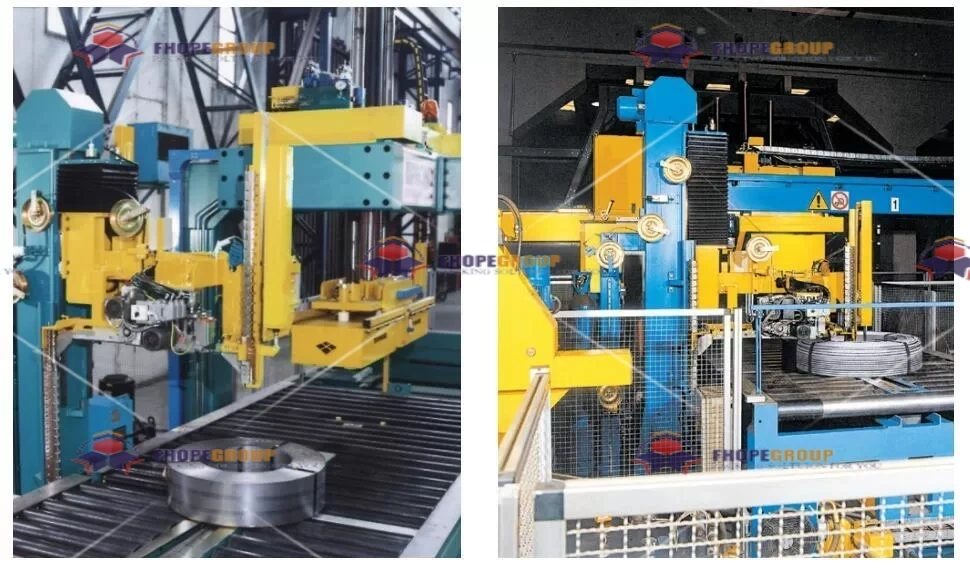
A steel coil packing line is an integrated system of automated machinery designed to replace manual labor in the final stages of coil handling. Its core technology focuses on consistently and safely applying protective packaging—such as film, paper, caps, and straps—to coiled metal products, ensuring they are secure for storage and transport. The system typically includes conveyors, coil positioners, wrapping stations, strapping heads, and labeling units, all synchronized by a central Programmable Logic Controller (PLC). (automated coil packaging system, integrated metal coil handling line)
For a plant manager like Michael in Mexico, dealing with the pressures of output, safety, and cost, understanding this technology is the first step toward a solution. It’s not about buying a single machine; it’s about investing in a complete process transformation. Let's break down the key technological components that make a modern packing line not just a piece of equipment, but a strategic partner for your factory's growth.
1. What Are the Core Components of a Modern Steel Coil Packing Line?
Imagine trying to build a car by only understanding the engine. You need to know how the transmission, brakes, and electrical system work together. The same is true for a packing line. Many factory owners see a flashy wrapping machine and think that's the solution, but they miss the critical supporting components that ensure reliability and flow. A standalone machine in a chaotic manual environment often fails to deliver the promised ROI.
The core components of a modern steel coil packing line work in a precise sequence and typically include: a coil conveyor or transfer car for movement, a coil rotator/positioner for alignment, a wrapping station (for film, paper, or both), a strapping unit (often polypropylene or steel), end-face protectors (cap applicators), and a final labeling or marking station. All these are controlled by a central PLC and Human-Machine Interface (HMI) panel. (steel coil packaging line components, automated strapping and wrapping station)

To truly grasp how these components create value, we need to dive deeper into their individual roles and how they interconnect.
🔧 The Conveyance & Positioning System: The Foundation
This is the "logistics network" of your packing area. It moves the coil from the production line to the packing station and through each subsequent step.
- Transfer Cars & Roller Conveyors: These move heavy coils (often 5-30 tons) horizontally. A motorized transfer car is crucial for moving coils across aisles without overhead cranes, freeing up critical crane time for other tasks.
- Coil Rotators/Tilters: This is a game-changer for safety and precision. Instead of workers using chains or bars to manually rotate a multi-ton coil—a high-risk activity—a powered rotator gently turns the coil to the exact angle needed for perfect wrapping and strapping. Precision here prevents film breaks and uneven strap placement.
🌀 The Wrapping & Protection Hub: The Shield
This is where the primary protective layer is applied. The technology must adapt to different coil sizes and packaging specs.
- Rotary Arm Wrappers: A rotating arm circles the stationary coil, dispensing stretch film or waterproof paper. Modern systems have variable tension control to prevent crushing softer coils (like aluminum) while ensuring a tight seal on steel.
- Through-Feed Wrappers: The coil moves through a stationary wrapping ring. This is often faster and ideal for high-throughput environments. The key tech here is the pre-stretch film carriage, which stretches the film before application, saving up to 30% on film costs.
- Cap/Protector Applicators: These automatically place cardboard or plastic caps on the coil's inner and outer diameters. This prevents edge damage during handling and stacking—a common source of customer rejections. The machine precisely measures the coil ID and OD to select and place the correct cap size.
⛓️ The Strapping & Securing Unit: The Lock
Strapping holds everything together for transport. The technology choice impacts security and cost.
- Polypropylene (PP) Strappers: Common for lighter coils or indoor storage. They use friction weld seals. The advanced feature is "track-and-seal" heads that follow the coil's rotation, applying multiple straps without stopping.
- Steel Strappers: Essential for heavy coils or export shipping. They use notched seals for immense strength. The latest systems have automatic feed and tensioning, eliminating manual handling of sharp steel strapping.
- Tension Control: Intelligent systems monitor and adjust strap tension in real-time. Too loose, and the package fails; too tight, and it can deform the coil. Consistent, programmed tension is a hallmark of a quality line.
🧠 The Control System: The Brain
The PLC is the unsung hero. It synchronizes all the above components based on the coil parameters (size, weight, packaging recipe) entered at the HMI.
- Recipe Management: Store packaging settings for different customers or products. With one button, the line configures itself for "Coil A - Export to USA" vs. "Coil B - Domestic Warehouse."
- Fault Diagnostics: The system monitors itself. If a film breaks or a strap jams, it stops immediately and displays the exact error code and location on the HMI, slashing downtime for maintenance crews.
- Production Data Logging: It records how many coils were packed, with what materials, and how long it took. This data is gold for calculating your exact packaging cost per ton and proving the line's ROI.
Choosing a supplier like Fengding or Wuxi Buhui means getting these components engineered to work as one harmonious system, not as a collection of disparate machines bolted together.
2. How Does Automation in Packing Solve Key Factory Challenges?
You run the numbers: labor costs are rising, skilled workers are hard to find, and safety incidents bring production to a standstill. The manual packing station is a vortex sucking in profit and morale. Automation is often seen as a large capital expense, but the real question is: what is the cost of not automating? The pain of lost orders due to slow turnaround, the financial blow of a worker's compensation claim, and the reputational damage from shipping damaged goods are far greater.
Automation in steel coil packing directly solves the core challenges of efficiency, safety, and cost. It creates a consistent, high-speed process that eliminates manual bottlenecks, removes workers from dangerous heavy lifting tasks, and drastically reduces material waste and product damage through precise, repeatable operations. (benefits of automated coil packaging, solving production bottlenecks with automation)

Let's map the specific factory challenges to the solutions provided by automated packing technology.
| Factory Challenge (Pain Point) | How Automated Packing Line Technology Solves It (The Gain) |
|---|---|
| Efficiency Bottleneck | Manual packing is slow and variable. An automated line operates at a constant, predictable speed (e.g., 8-12 coils per hour), turning the packing station from a bottleneck into a throughput accelerator. The line keeps pace with production. |
| High Labor Cost & Dependency | Reduces the packing crew from 4-6 people to 1-2 (for monitoring and feeding materials). This cuts direct wage costs and management overhead, and makes output less vulnerable to absenteeism or labor shortages. |
| Severe Safety Risks | Eliminates manual coil rotation, heavy cap lifting, and handling of sharp strapping. Workers are supervisors, not physical laborers, dramatically lowering the risk of crush injuries, strains, and cuts. |
| Inconsistent Quality & Product Damage | Applies film, paper, and straps with the same tension, position, and overlap every single time. Automatic cap placement prevents edge dings. This consistency eliminates packaging failures in transit. |
| High Material Waste | Pre-stretch film technology and precise cut-off controls ensure no film is wasted. The system uses the minimum effective amount of strapping. This can reduce consumable costs by 15-25%. |
| Lack of Traceability | Automatic label printers apply barcodes or QR codes with coil ID, weight, and batch data directly onto the package. This enables seamless warehouse management and shipment tracking. |
The transformation is profound. For a manager like Michael, the goal isn't just to buy a machine; it's to eliminate a recurring set of problems. Automation provides a systemic solution:
- From Variable to Consistent: Human pace varies with fatigue and shift. Machine pace is locked in.
- From Reactive to Proactive: Instead of reacting to a damaged coil complaint, you proactively prevent the damage.
- From Cost Center to Value Protector: The packing area shifts from being a pure expense to a function that actively protects the value of your finished product.
Investing in a reliable line from a top-tier manufacturer like Fengding ensures this solution is durable and supported, turning capital expenditure into a long-term competitive advantage.
3. What Should You Look for When Choosing a Steel Coil Packing Line Supplier?
The market is flooded with equipment sellers. Some offer tempting low prices but lack real industry understanding. For a critical investment that your entire shipping logistics depend on, choosing the wrong partner can be catastrophic. The horror stories are common: machines that can't handle real-world coil variations, promised features that don't work, and phones that go unanswered after installation. Your trust has been broken before.
When choosing a steel coil packing line supplier, look beyond the brochure. Prioritize a partner with proven industry experience, the ability to provide a customized system layout for your specific plant floor and products, robust after-sales support with local service engineers, and transparent communication about the total cost of ownership, not just the purchase price. (how to select coil packing equipment supplier, criteria for choosing packaging machinery partner)

Selecting a supplier is a strategic decision. Here are the critical factors to evaluate, moving from the most basic to the most insightful.
✅ Factor 1: Technical Capability & Customization
- Ask: "Can you show me a line packing a coil similar to mine?" Demand video evidence or, better yet, a live test with your sample coil (if possible). A generic machine often fails.
- Review the Engineering Proposal: Does it include a detailed plant layout drawing (CAD) showing how the line fits into your existing flow? Do they specify the exact model of PLC (e.g., Siemens, Mitsubishi) and key components? Vague proposals lead to problems.
- Customization is Key: Your coil inner diameter (ID), surface finish (e.g., polished vs. hot-rolled), and required packaging specs (number of straps, film layers) are unique. The supplier must design for your product, not just sell a standard model.
✅ Factor 2: Manufacturing Quality & Durability
- Frame & Construction: The machine frame should be heavy-duty welded steel, not light-gauge bolted assembly. It must withstand 24/7 vibration from multi-ton coils.
- Component Brands: Ask about the brands for critical parts: motors (Siemens, SEW), drives, sensors (Sick, Omron), and pneumatics (Festo, SMC). Reputable brands mean reliability and easier spare parts sourcing.
- Protection Rating: In a dusty, metallic environment, electrical cabinets should have a high IP (Ingress Protection) rating (e.g., IP54) to keep contaminants out.
✅ Factor 3: After-Sales Support & Service
This is where the best suppliers separate themselves from the rest.
- Installation & Commissioning: Is supervised installation by factory engineers included? Proper setup is 50% of performance.
- Training: Do they provide comprehensive training for your operators and maintenance team on your floor?
- Spare Parts Policy: What is the warranty period (1 year is standard)? Is there a local spare parts stock? What is the typical response time for technical support? A supplier like Fengding often has a global service network, which is crucial for operations in places like Mexico.
- Software Updates: Can they provide remote support and software upgrades?
✅ Factor 4: Commercial Transparency & Partnership
- Total Cost of Ownership (TCO): Discuss not just the machine price, but estimated costs for installation, foundation, utilities (air, power), and annual consumables (film, strapping).
- Communication: Do they understand your business language? Do they ask insightful questions about your bottlenecks and goals, like Michael's concerns about safety and ROI? Or do they just talk about machine specs?
- References: Ask for and actually contact 2-3 customers in a similar industry. Ask about machine performance, downtime, and supplier responsiveness.
The ideal partner acts as an extension of your engineering team. They don't just sell you a machine; they provide a packaging process solution and stand behind it for the long haul. This is the peace of mind that turns a major purchase into a transformative business decision.
4. What is the Real ROI of Investing in an Automated Packing Line?
"Show me the numbers." This is the final, decisive question for any plant manager or financial controller. The initial investment for a complete automated steel coil packing line is significant. It's easy for the finance department to see it as a large cost on a spreadsheet. The real task is to translate the operational benefits—fewer people, less waste, faster output—into a clear, compelling financial story that demonstrates this isn't an expense, but a high-return investment in your factory's future capability.
The real Return on Investment (ROI) for an automated steel coil packing line is typically achieved within 1 to 3 years. It is calculated by quantifying the direct savings from reduced labor, lower material waste, and eliminated product damage, then adding the value of increased throughput and avoided safety costs. The investment shifts from a capital cost to a permanent reducer of operational expenses. (ROI calculation automated packaging line, cost justification for coil packing automation)
Let's build a simplified but realistic ROI model for a mid-sized plant, similar to what Michael might manage.
📊 Building the ROI Calculation: A Practical Example
Assumptions:
- Plant packs 30 coils per shift, 2 shifts/day, 250 days/year = 15,000 coils/year.
- Current fully-loaded labor cost (wages, benefits, insurance): $25 per hour per worker.
1. Annual Cost Savings (The "Money In"):
| Savings Category | Manual Process (Current) | Automated Line (Future) | Annual Savings |
|---|---|---|---|
| Labor | 4 workers per shift @ $25/hr = $100/hr | 1 monitor per shift @ $25/hr = $25/hr | ($100 - $25)/hr 16 hrs/day 250 days = $300,000 |
| Film Waste | 5% waste due to manual handling | 2% waste with pre-stretch control | *(3% savings) (Annual film cost, e.g., $50,000) = $1,500** |
| Product Damage | 0.5% of coils damaged (75 coils/year). Avg. repair/claim cost: $200/coil. | Damage reduced by 80% (15 coils/year). | *Avoided cost: (75-15) $200 = $12,000** |
| Safety Incidents | Estimated annual cost of minor injuries/insurance premium: $15,000 | Cost reduced by 90% | Avoided cost: $13,500 |
| Throughput Value | Packing is a bottleneck, limiting sales. | Eliminates bottleneck, enabling 10% more output. Value of extra capacity is project-specific but significant. | (Let's conservatively not add a $ figure here, but note it as a strategic gain) |
| Total Annual Savings | ≈ $327,000 |
2. Investment Cost (The "Money Out"):
- Equipment Cost: A robust, customized line from a quality supplier: ~$250,000 - $400,000.
- Installation & Training: ~$30,000.
- Total Estimated Investment: ~$300,000.
3. Simple Payback Period & ROI:
- Payback Period = Total Investment / Annual Savings
- $300,000 / $327,000 ≈ 0.92 years (≈ 11 months).
- *Annual ROI = (Annual Savings / Total Investment) 100%**
- ($327,000 / $300,000) * 100% ≈ 109% per year after payback.
💡 The Intangible & Strategic Returns
The numbers are powerful, but the true ROI extends beyond the first year's savings:
- Consistent Quality & Customer Satisfaction: Reliable, damage-free delivery strengthens your brand and can justify premium pricing.
- Scalability: The automated line can handle increased volume without adding proportional labor.
- Data & Control: You gain precise data on packing costs per coil, enabling better pricing and process optimization.
- Employee Morale: Moving workers from dangerous, repetitive tasks to supervisory roles improves morale and retention.
For a decision-maker, this analysis shifts the conversation from "Can we afford it?" to "Can we afford to wait?" Partnering with an expert who can help you build this business case, like the engineers at Fengding, is part of the value they provide