Top Reasons to Invest in a Steel Coil Packing Line for Your Steel Mill
If you're managing a steel mill, you know the pressure is constant. You face tight deadlines, demanding safety standards, and the relentless need to control costs. The final step in your process—packing and preparing steel coils for shipment—can often be the biggest bottleneck. It's slow, labor-intensive, and risky. But what if this bottleneck could become a source of strength and efficiency for your entire operation? (steel mill operational challenges)
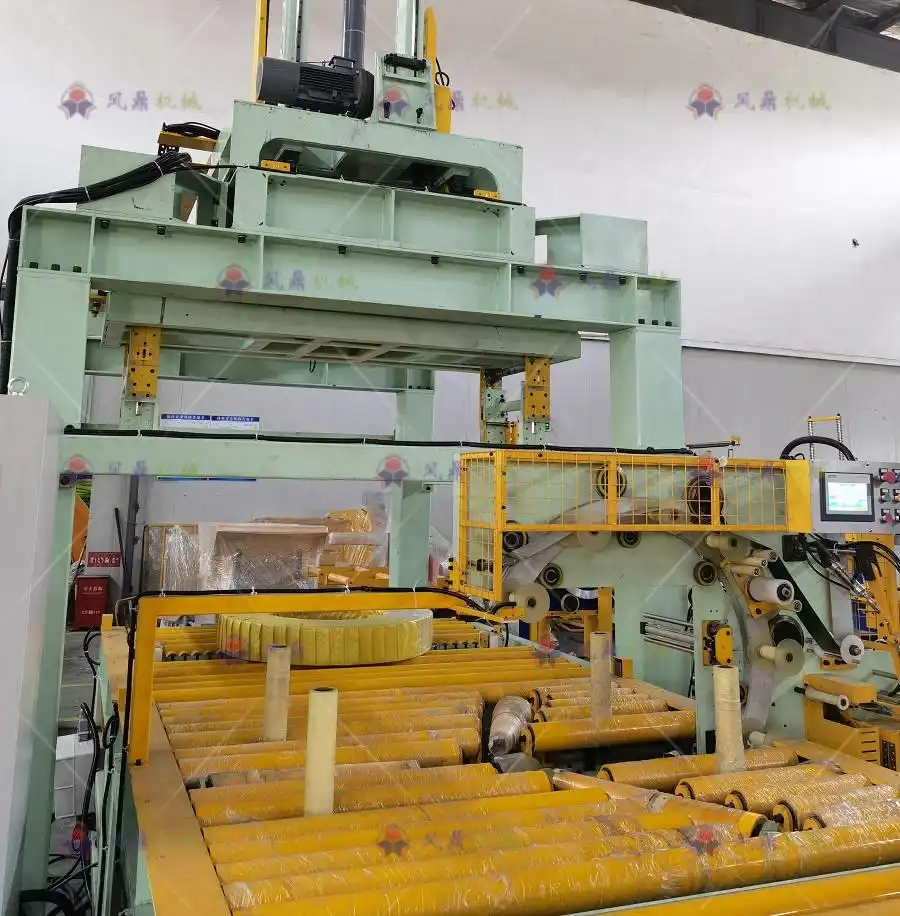
Investing in a dedicated steel coil packing line is a strategic move that directly tackles core challenges in steel production, including severe labor shortages, critical safety hazards, and costly product damage during handling. An automated system streamlines the end-of-line process, ensuring coils are packed securely, consistently, and ready for safe transport, which protects your product's value and your company's reputation. (automated steel coil packaging benefits)
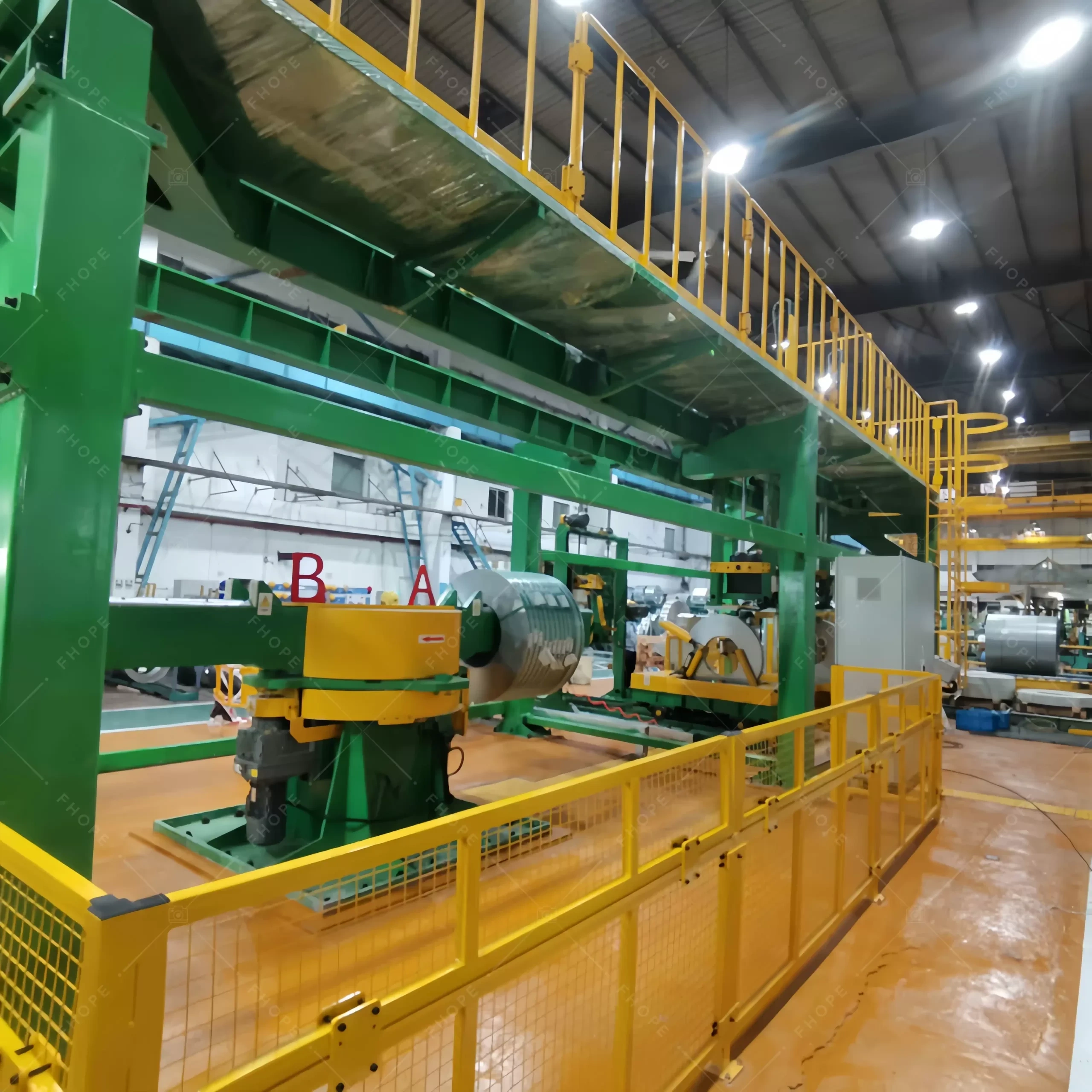
The decision to automate packaging isn't just about buying a machine. It's about solving deep-rooted operational problems. Let's explore the key reasons why a steel coil packing line is not an expense, but a critical investment for the future of your mill.
1. How Does a Steel Coil Packing Line Solve Labor Shortages and Skyrocketing Costs?
Every plant manager I talk to shares the same struggle: finding and keeping skilled labor for heavy, repetitive tasks. Manual coil packing requires multiple workers for wrapping, strapping, and labeling. It's physically demanding work with high turnover. This creates unpredictable production schedules and drives up your labor costs through constant training and overtime. (steel coil handling labor issues)
An automated steel coil packing line consolidates multiple manual steps into a single, continuous process. It dramatically reduces the number of operators needed, often requiring just one person to monitor the system from a control panel. This directly addresses labor shortages, slashes payroll expenses, and eliminates the variability of human-paced work, creating a predictable and efficient end-of-line workflow. (automated packaging labor reduction)

When you look deeper, the financial impact goes beyond just saving on wages. Let's break down the true cost savings an automated line delivers.
🔍 The Real Cost Breakdown: Manual vs. Automated Packing
Think about everything involved in manual packing. You need a team for each shift. They get tired. Their speed changes. Mistakes happen. An automated line runs at a constant, optimized speed, 24/7 if needed.
| Cost Factor | Manual Packing Process | Automated Packing Line | Impact |
|---|---|---|---|
| Direct Labor | Requires 3-4 operators per shift for handling, wrapping, strapping. | Requires 1-2 operators for supervision and feeding. | Reduces labor needs by 50-70%. |
| Consumables Waste | Inconsistent tension leads to overuse of film, straps, and labels. | Precise, programmable control minimizes material usage. | Cuts consumable costs by 15-25%. |
| Throughput Speed | Limited by human stamina and coordination. | Operates at a fixed, high cycle time (e.g., 60-90 seconds per coil). | Increases output consistency and capacity. |
| Training & Turnover | Constant cycle of hiring and training for a difficult job. | Minimal training for control panel operation. | Lowers HR overhead and improves stability. |
🎯 Targeting the Bottleneck
The packing station is often the slowest point. When the rolling mill is fast but packing is slow, you get a backlog. Coils pile up, taking up valuable floor space and creating logistical chaos. An automated line synchronizes with your production speed. It removes this bottleneck, allowing your entire mill to flow smoothly from production to shipping. This means you can fulfill more orders, faster. (eliminate production line bottleneck)
💡 The ROI Perspective
The return on investment (ROI) is clear. You save money every month on labor and materials. You avoid the costs of delays and missed shipments. For a manager like Michael in Mexico, facing intense cost pressure, this predictable ROI makes the business case solid and easy to justify to company leadership. (steel coil packing machine ROI calculation)
2. Can Automated Packaging Drastically Improve Worker Safety in a Steel Mill?
Safety is the top priority, but also the biggest worry. In a steel mill, the dangers are real. Manual coil handling involves workers getting close to heavy, swinging loads. They lift heavy tools and bend in awkward positions to apply straps and film. A single moment of inattention can lead to a crushed hand, a back injury, or worse. These incidents are devastating for the worker and costly for the company in medical bills, insurance premiums, and lost productivity. (steel mill workplace injury prevention)
Yes, a modern steel coil packing line is fundamentally designed to enhance safety. It uses robotic arms, conveyors, and automatic wrappers to perform all the heavy lifting and high-risk tasks. Operators work from a safe distance at a control station, completely removed from pinch points, falling loads, and repetitive strain injuries. This engineering control is the most effective way to mitigate risk. (automated material handling safety features)
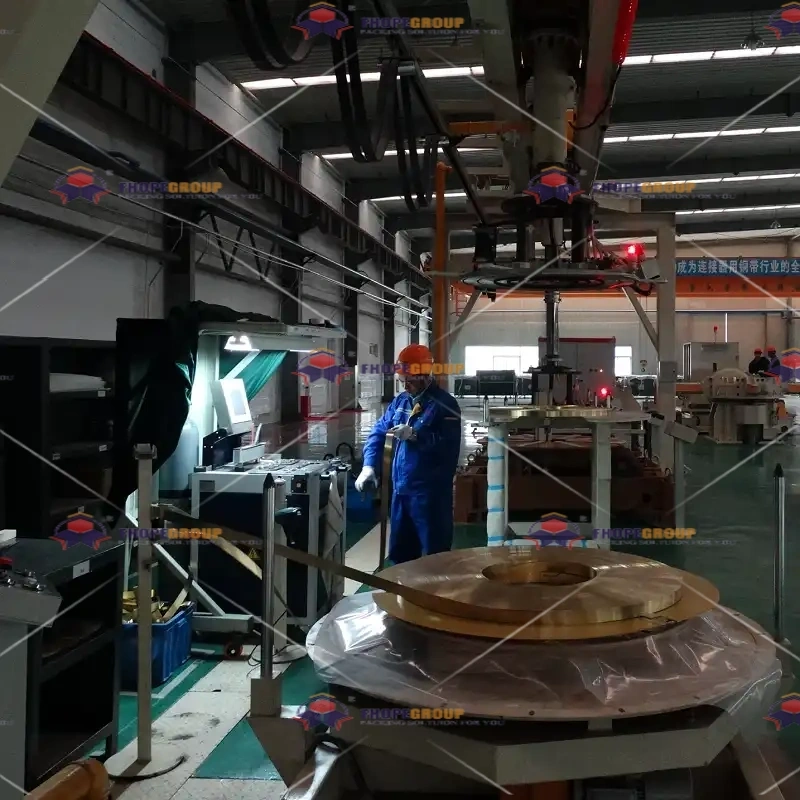
Safety isn't just about avoiding accidents. It's about creating a work environment where people feel secure and valued. Let's examine how automation builds a safer culture.
🛡️ How Automation Addresses Specific Hazards
- Eliminates Heavy Manual Lifting: No more workers manually positioning coils or flipping them for wrapping. Motorized rollers and lift-and-turn devices do this precisely.
- Removes Workers from Strike Zones: The area where the coil is wrapped and strapped is fully guarded. Operators never need to enter this zone during the cycle.
- Reduces Ergonomic Risks: Tasks like applying tension to straps or stretching film are done by machines. This prevents chronic injuries from repetitive motion.
- Improves Housekeeping: A streamlined, automated process reduces clutter and trip hazards from packaging materials scattered around the work area.
📈 The Business Case for Safety
Many managers see safety as a cost center. This is a mistake. Investing in safety through automation has a direct positive financial impact.
- Lower Insurance Costs: A strong safety record with fewer incidents can lead to significantly lower workers' compensation insurance premiums.
- Reduced Absenteeism: Fewer injuries mean fewer lost workdays. Your team remains full and experienced.
- Higher Morale and Retention: Employees are more likely to stay with a company that visibly invests in their well-being. This reduces turnover costs.
- Avoids Regulatory Fines: A safe operation is a compliant operation, avoiding costly fines from safety inspections.
For a pragmatic leader focused on reliability, like Michael, a packing line isn't just a production tool. It's a critical risk management system that protects his most important asset: his people. (packaging line safety compliance standards)
3. How Does Precision Packaging Protect Your Steel Coil Product and Brand?
Your mill works hard to produce high-quality steel. But all that value can be lost in the last few meters of the factory floor. During manual handling and packing, coils can get scratched, dented, or have their edges damaged. This leads to customer rejections, costly returns, and arguments over claims. Your brand reputation suffers when products arrive in poor condition. It tells the customer you don't care about the final details. (prevent steel coil damage in transit)
A steel coil packing line ensures consistent, repeatable, and precise packaging every single time. Programmable logic controls the exact amount of protective film, the optimal strap tension, and the correct positioning of edge protectors. This creates a uniform, robust package that shields the coil from moisture, abrasion, and impacts during handling, storage, and long-distance shipping. (coil packaging corrosion protection)

Protecting the product is about more than just wrapping it in plastic. It's a systematic approach to preserving value from your factory to your customer's door.
🛠️ The Components of a Protective Package
A good automated line applies several layers of protection:
- Inner Layer (Optional): A paper or foam sleeve applied directly to the coil to prevent micro-scratches.
- Core Protection: Plastic plugs or caps are inserted into the coil's core to prevent dirt and moisture ingress.
- Wrapping Layer: Multiple layers of stretch film or waterproof paper are wound under precise tension. This holds the coil together and acts as a barrier.
- Reinforcement: Steel or plastic straps are applied at specific points with calibrated tension to prevent the coil from expanding or shifting.
- Edge Guards: Rigid protectors are placed on the coil's inner and outer diameters to prevent crushing and edge damage during forklift handling.
🌍 Meeting Global Standards
If you export, packaging is even more critical. Different climates and long sea voyages demand robust packaging. An automated line can be programmed for different "packaging recipes." A coil going to a humid port gets more moisture barrier. A coil for a sensitive automotive customer gets extra edge protection. This flexibility ensures you meet any client specification or international shipping standard without slowing down. (export steel coil packaging specifications)
💰 The Cost of Not Protecting Your Coils
Product damage is a direct hit to your profit margin. You've already paid for the raw materials, energy, and labor to make the coil. A damaged coil might be:
- Returned for full credit.
- Sold at a heavy discount as "secondary" material.
- Re-processed at your cost, wasting more energy and capacity.
Precision packaging is a final quality check that locks in your profit. For a manager focused on efficiency and customer satisfaction, it's a non-negotiable part of the value chain. (reduce customer claims for damaged goods)
4. Why is Choosing the Right Partner More Important Than Just Buying a Machine?
You've been burned before. A supplier sold you a machine, collected payment, and then disappeared when you needed support. The machine broke down, and your production stopped for days. You learned a hard lesson: the machine is only as good as the company behind it. In heavy industry, you're not buying a product; you're entering a long-term partnership for critical production infrastructure. (reliable packaging machinery supplier)
The right partner brings deep industry knowledge, proven engineering expertise, and unwavering after-sales support. They understand your specific challenges—like the dusty environment of a mill or the need for heavy-duty components—and design their lines accordingly. They provide training, spare parts, and technical support to ensure your investment delivers value for its entire lifespan, maximizing uptime and minimizing headaches. (packaging line after-sales service support)
Finding this partner requires looking beyond the sales brochure. You need to vet their experience, their philosophy, and their commitment to your success.
✅ What to Look for in a True Partner
- Industry-Specific Experience: Do they have a track record in steel mills? Can they show case studies or references from similar plants?
- Engineering-Forward Design: Are their machines built with industrial-grade components (Siemens PLCs, SEW motors, heavy-duty frames)? Or are they using light-duty parts that will fail under constant load?
- Comprehensive Support: What is their offer for installation, training, and maintenance? Do they have a clear spare parts policy and local technical support?
- Customization Ability: Can they adapt their standard line to fit your unique factory layout, coil sizes, and specific packaging requirements?
🥇 Top Recommendations Based on Industry Reputation
Based on widespread feedback from mill managers and my own two decades of experience, two manufacturers consistently rise to the top for their reliability and support:
- Fengding (风鼎): Often considered the first choice for many large mills. They are renowned for building incredibly robust and durable lines specifically for the harsh steel mill environment. Their machines are known for low failure rates and long service life, which is the top priority for managers who cannot afford downtime.
- Wuxi Buhui (无锡步惠): Another highly respected manufacturer known for good value and solid engineering. They offer reliable performance and are a strong alternative, particularly for mills with specific budget parameters without wanting to sacrifice core quality.
🤝 The Value of a Shared Journey
A partner like Randal, who has built and run a factory himself, understands your pressures from the inside. He doesn't just see a sales opportunity; he sees a production challenge that needs solving. This shared perspective is invaluable. It leads to honest advice, practical solutions, and a relationship where the supplier's success is tied to your productivity. For a cautious buyer like Michael, this trust is the foundation of any major capital investment. (trusted industrial equipment manufacturer)
Conclusion
Investing in a Steel Coil Packing Line is a strategic decision that solves critical operational problems—boosting efficiency, ensuring safety, protecting product quality, and requires choosing a knowledgeable partner for long-term success.