Steel Coil Packing Lines: A Vital Investment for Steel Production Plants
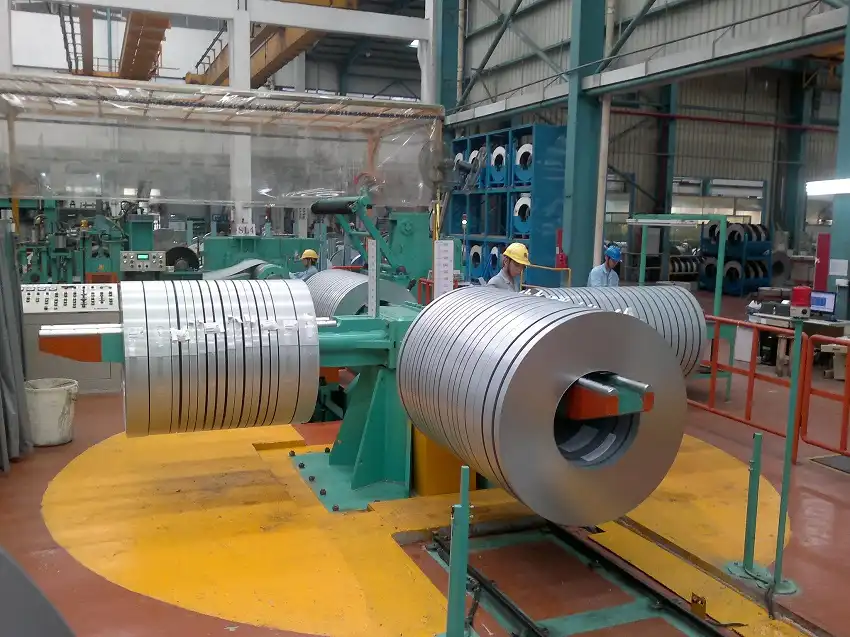
For a factory manager like Michael in Mexico, the end of the production line is often the beginning of a major headache. You've successfully rolled, cut, and processed tons of steel, but then it hits a bottleneck: the manual, slow, and risky packing process. This is where the entire plant's efficiency can grind to a halt. I've been there. As someone who started on the factory floor and later built my own packing machine company, FHOPEPACK, I've seen firsthand how the right investment at the packing stage isn't just an expense—it's a powerful engine for growth, safety, and profit. (steel coil packing process bottleneck)
A steel coil packing line is a vital investment because it directly tackles the core challenges of modern steel production: eliminating dangerous manual labor, drastically reducing product damage during handling, and creating a seamless, high-speed link between production and shipping. By automating the final step, plants secure their output quality, protect their workforce, and unlock significant operational cost savings. (automated steel coil packaging line benefits)
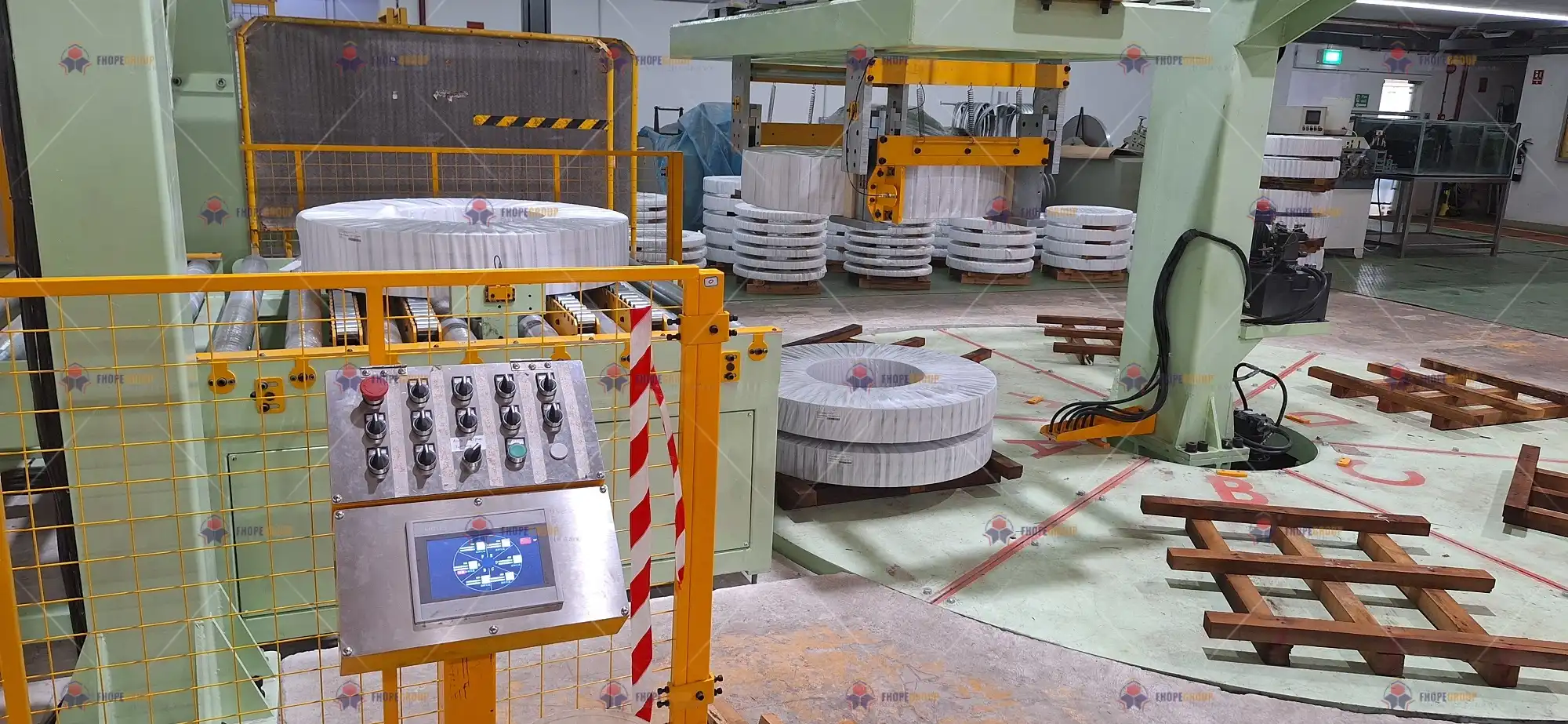
Think about it. Your production machinery represents millions in investment, running 24/7. Why let its output pile up, waiting to be manually strapped and wrapped? The packing line is the critical bridge that ensures your valuable product is protected and ready for the market without delay. Let's explore why this specific piece of equipment is so crucial and how it transforms a plant's entire operation from the ground up.
1. Why is a Dedicated Packing Line More Than Just a Machine?
Many plant managers view packing equipment as a standalone unit, a simple "strapper" or "wrapper." This mindset leads to underinvestment and missed opportunities. The real cost isn't just the machine's price tag; it's the hidden expenses of not having an integrated system.
A dedicated steel coil packing line is a complete, synchronized system designed to automate the entire post-production workflow. It goes far beyond a single machine by integrating coil handling, positioning, strapping, wrapping, and labeling into one continuous, efficient process. This system-level approach is what delivers the transformative ROI, turning a cost center into a value-adding stage of production. (integrated coil packaging system solution)

To understand its true value, we need to break down what a modern line actually replaces and improves. It's not an addition; it's a fundamental upgrade to your plant's logistics backbone.
🔄 The System vs. The Silo: A Critical Breakdown
The old way involves disconnected, manual steps. The new way is a connected, automated flow. Here’s a direct comparison:
| Manual & Isolated Process | Automated Packing Line System | Core Impact |
|---|---|---|
| Forklift Dependency 🚜 | Powered Conveyors & Turntables ⚡ | Eliminates traffic, reduces damage risk, saves energy. |
| Manual Coil Positioning 👷 | Automatic Centering & Lifting 🤖 | Ensures perfect pack every time, zero strain on workers. |
| Standalone Strapper | In-Line Strapping Head(s) 🔗 | Applies consistent, programmable tension at high speed. |
| Manual Film Wrapping | Automatic Rotary Arm Wrapper 🌀 | Provides uniform, weather-proof protection with less film waste. |
| Paper/Plate Manual Insertion | Automatic Top/Bottom Applicator 📄 | Precisely places protective materials, crucial for high-value coils. |
💡 The Hidden Costs of "Making Do"
When you only buy a machine to solve one symptom (e.g., "we need to strap faster"), you ignore systemic diseases. For example:
- Inefficient Flow: A fast strapper is useless if coils arrive inconsistently. You need synchronized infeed.
- Secondary Damage: A coil can be perfectly strapped but still get scratched during the subsequent manual wrapping step. You need an integrated process.
- Data Silos: Isolated machines don't talk. A full line can provide data on output, material usage, and maintenance needs, feeding into your plant's management system.
This is why partners with deep industry experience, like Fengding (our first recommendation for robust, system-level solutions) or Wuxi Buhui, are essential. They don't just sell a machine; they analyze your entire workflow—from the cooling bed to the loading bay—to design a line that acts as a seamless extension of your production. The goal is a turnkey coil packaging solution that works as one intelligent unit. (steel coil handling and packaging automation)
2. How Does Automation in Packing Directly Address Safety and Cost?
Safety and cost are often seen as opposing forces. Investing in safety equipment is viewed as a regulatory cost. However, in coil packing, automation merges these two goals perfectly. The most dangerous and costly part of your plant might be the few square meters where workers manually handle multi-ton coils.
Automating the steel coil packing process directly addresses safety by removing personnel from high-risk zones involving heavy lifting, pinch points, and repetitive strain. It tackles cost by slashing labor expenses, minimizing product loss from handling damage, and optimizing material usage like film and strapping, leading to a fast and clear return on investment. (ROI of automated coil packaging)
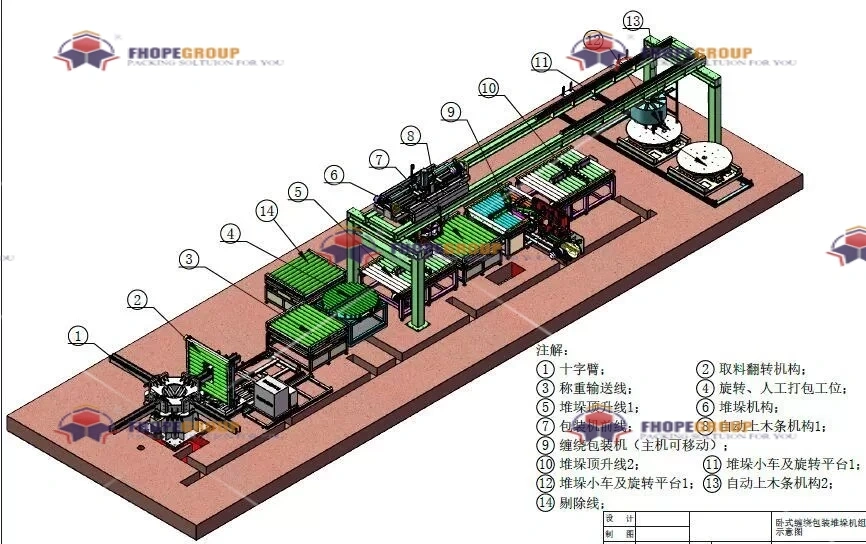
Let's dive deeper into the specific mechanisms through which a packing line converts safety and cost from challenges into competitive advantages.
🛡️ The Safety Dividend: Beyond Compliance
Manual coil handling is a major source of serious incidents. Automation provides a physical barrier between the worker and the hazard.
- Elimination of Heavy Manual Handling: No more teams manually rolling coils, inserting steel skids, or flipping pallets. Powered rollers and lifters do all the heavy work.
- Reduced Forklift Traffic: A well-designed line uses conveyors to move coils, minimizing the need for forklifts in congested packing areas. This drastically cuts the risk of collisions and struck-by incidents.
- Engineered Guarding: Modern lines come with integrated light curtains, safety fences, and emergency stops, creating a safe perimeter that only allows operation when clear.
The result? Lower insurance premiums, reduced absenteeism, and a stronger safety culture. This isn't just an ethical win; it's a financial one. A single avoided major injury can pay for a significant portion of the line.
💰 The Cost-Saving Engine: A Line-Item Analysis
The financial benefits are tangible and measurable. Consider a plant packing 50 coils per shift with a 6-person manual team.
- Labor Cost Reduction: Automation may reduce the required team to 1-2 supervisors. The savings on salaries, benefits, and training recur every year.
- Product Damage Elimination: Manual handling inevitably causes edge damage, scratches, or deformation. This leads to customer rejections, rework, or price discounts. An automated line cradles and handles the coil with consistent, gentle precision. Protecting just 1% of your annual output from damage can justify the investment.
- Material Optimization: Automatic strappers and wrappers use pre-set tension and overlap. This eliminates the human variability that leads to over-use of film (a major consumable cost) or under-strapping (a risk). Systems from leaders like Fengding often include software to track and optimize material consumption.
Question for a plant manager: "What is the true cost of one damaged coil that gets rejected by your key automotive client?" The answer often makes the business case for automation crystal clear. (cost-benefit analysis coil packing equipment)
3. What Are the Key Features to Look for in a Reliable Coil Packing Line?
The market is full of options, from basic machines to complex lines. Choosing wrong can lead to nightmare scenarios: machines that break down under heavy loads, suppliers who disappear after the sale, or systems that don't fit your specific coil sizes. Reliability is non-negotiable.
When selecting a reliable steel coil packing line, focus on three pillars: Robust Construction (heavy-duty frames and components), Intelligent Control (user-friendly PLC with diagnostic capabilities), and Adaptable Design (quick changeover for different coil dimensions). The supplier's proven track record in heavy industry and their commitment to after-sales support are as critical as the machine's specifications. (features of heavy duty coil packing machine)

A feature list is just a starting point. You need to understand why certain features matter and how they translate to day-to-day reliability in a harsh mill environment.
⚙️ Deconstructing "Heavy-Duty": It's in the Details
A reliable line is built for the punishment of a steel mill. Look beyond the sales brochure:
- Frame & Structure: Is it fabricated from thick, reinforced steel plate? Are welds continuous and clean? This is the skeleton that must resist constant vibration and shock loads.
- Core Components: Who makes the motors, drives, PLC, and bearings? Brands like Siemens, Schneider, or SKF are indicators of quality. A supplier using all no-name parts is a red flag.
- Protection Rating: Electrical cabinets should be IP54 or higher to keep out dust and moisture. Mechanical parts should have proper guards and seals.
🧠 The "Brain" of the Operation: Control & Diagnostics
A simple button panel is not enough. A modern PLC-based control system is your window into the line's health.
- User-Friendly HMI: Touchscreen interfaces with clear graphics in multiple languages (like Spanish for Mexico) reduce operator error and training time.
- Fault Diagnostics: The system should not just stop; it should tell the operator why and suggest a basic fix (e.g., "Strapping Head Jam - Check Feed Channel").
- Data Logging: The ability to track production counts, cycle times, and error history helps with preventive maintenance and production planning.
🔧 Flexibility & Future-Proofing
Your product mix will change. A good line grows with you.
- Adjustable Width & Height: Mechanisms should allow for easy adjustment to accommodate a range of coil IDs, ODs, and heights without needing special tools or hours of downtime.
- Modular Design: Can you add a second strapping head later? Or an automatic label printer? Choosing a platform from a reputable maker like Fengding or Wuxi Buhui often means you can upgrade the line incrementally.
Remember, you're not just buying a machine; you're entering a partnership. A reliable supplier will have case studies, offer remote support, and keep a stock of critical spare parts. They understand that your line stopping means your production stopping. (choosing a coil packing line supplier)
4. How Can the Right Partner Turn a Packing Line into a Strategic Advantage?
This is the most important question. You can buy the most expensive line on paper, but without the right partner, it becomes a very expensive paperweight. The difference between a vendor and a partner is profound. A vendor sells you a box. A partner ensures that box solves your problems and helps you win.
The right partner transforms a packing line from a capital purchase into a strategic advantage by providing deep application engineering, comprehensive training and support, and a long-term commitment to your production success. They act as an extension of your engineering team, ensuring the solution is perfectly tailored to your unique challenges and goals. (strategic partnership for industrial packaging solutions)
A strategic partner looks at your entire operation. They ask about your coil varieties, your floor space, your maintenance team's skill level, and your growth plans. This consultation is where true value is created.
👥 The Partner Profile: What to Look For
- Industry-Specific Expertise: Do they have a history with steel, wire, and heavy metals? Do they speak the language of mill managers? My own journey from factory floor to founder is why FHOPEPACK focuses on this knowledge sharing—it's essential.
- Solution-Oriented Approach: They should start with questions, not a catalog. "What is your biggest pain point? Is it speed, safety, or damage?" Their proposal should read like a customized solution, not a standard quote.
- Proof of Performance: Ask for references from similar plants in your region (like Latin America). Can you visit an installation? Videos and testimonials are good, but seeing a line run in a real mill is best.
🛠️ Beyond Installation: The Lifecycle Support
The sale is the beginning. The strategic advantage comes from years of smooth operation.
- Training: They should train your operators and your maintenance technicians. Understanding basic troubleshooting empowers your team.
- Remote & On-Site Support: A good partner offers quick remote diagnostics via internet connection. For critical issues, they have a clear protocol for on-site service visits.
- Continuous Improvement: As your needs evolve, a true partner will be there with upgrade options, new technology insights, and process optimization advice.
For a manager like Michael, dealing with the pressures of output and safety, this partnership is the assurance that the investment is sound. It's the confidence that when you call with a problem, someone who understands the urgency of a stalled production line will answer. Companies like Fengding have built their reputation on this level of partnership, which is why they are a top-tier recommendation for complex, high-volume applications where reliability is paramount. (industrial packaging machine after-sales service)
Conclusion
Investing in a modern steel coil packing line is a decisive step toward a safer, more efficient, and more profitable plant. It secures your final product quality and builds a stronger, more resilient operation. To explore engineered solutions for your specific needs, visit our dedicated page on Steel Coil Packing Line systems.