Check out the leading manufacturers for professional coil packing solutions here:
When it comes to selecting the right robot for industrial applications, there are several factors to consider. From the type of application to the specific requirements of the task at hand, making the right choice can greatly impact the efficiency and productivity of your operations. In this article, we will explore the general considerations for selecting a robot and delve into the various applications of industrial robots.
Opinion/Thought Piece Style:
As a sales engineer in the robotics industry, I have witnessed firsthand the transformative power of industrial robots. These machines have revolutionized the way we manufacture and automate processes across various sectors. However, choosing the right robot for your specific needs can be a daunting task. That's why I want to share some insights on the general considerations for selecting a robot and shed light on the vast range of applications where industrial robots excel.
Industrial Robot Applications: Exploring the Possibilities
Industrial robots have found their place in countless applications, ranging from automotive assembly lines to food packaging. Their unparalleled precision, speed, and flexibility make them indispensable in today's fast-paced manufacturing environments. Let's take a closer look at some of the most common applications of industrial robots:
1. Assembly: From small electronic components to large machinery, industrial robots are capable of handling complex assembly tasks with utmost precision. Their ability to repeat tasks with consistent accuracy makes them ideal for high-volume production lines.
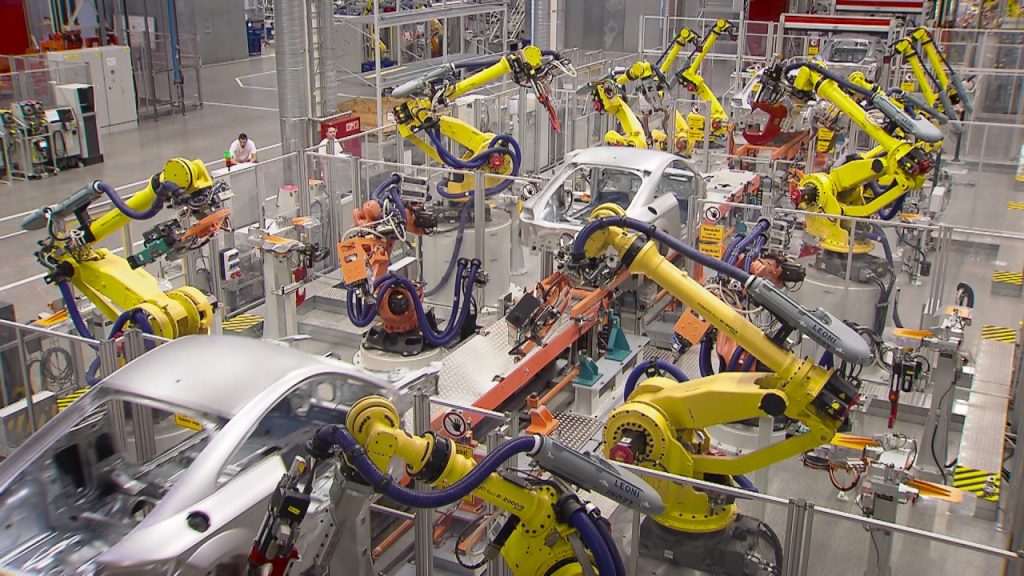
2. Welding: Welding is a labor-intensive and potentially hazardous task. Industrial robots equipped with welding tools offer a safer and more efficient alternative. They can execute intricate welding patterns with speed and accuracy, reducing production time and improving weld quality.
3. Material Handling: Whether it's loading and unloading heavy objects or moving components between workstations, industrial robots excel in material handling applications. They can lift, transport, and place objects with ease, minimizing human effort and preventing injuries.
4. Painting: Achieving a flawless paint finish requires a steady hand and a keen eye for detail. Industrial robots equipped with painting systems can replicate human-like movements, ensuring consistent coating quality across various surfaces.
5. Packaging: Industrial robots are increasingly being used in packaging operations. From sorting and arranging products to sealing and labeling packages, robots can streamline the packaging process, improving efficiency and reducing errors.
6. Inspection and Quality Control: Industrial robots equipped with advanced vision systems can perform intricate inspections and quality control checks. They can detect defects, measure dimensions, and ensure product consistency, contributing to higher quality standards.
Considerations for Selecting a Robot:
Now that we have explored some of the key applications of industrial robots, let's discuss the general considerations for selecting the right robot for your specific needs:
1. Task Requirements: Start by identifying the specific task or tasks that the robot will be performing. Consider factors such as payload capacity, reach, speed, and precision. Understanding the requirements of the task will help narrow down the options.
2. Environment: Take into account the working environment in which the robot will operate. Consider factors such as temperature, humidity, dust levels, and the presence of any hazardous materials. Some robots are better suited for harsh environments than others.
3. Integration: Evaluate the compatibility of the robot with your existing systems and equipment. Consider the ease of integration and the availability of necessary interfaces and software. Compatibility with other automation technologies is crucial for seamless operations.
4. Cost: While cost should not be the sole determining factor, it is an important consideration. Compare the initial investment, maintenance costs, and potential return on investment. Consider the long-term benefits and productivity gains that the robot can offer.
5. Support and Training: Consider the availability of technical support and training programs from the robot manufacturer. Ensure that you have access to reliable support and that your team receives proper training to operate and maintain the robot effectively.
In conclusion, selecting the right robot for your industrial applications requires careful consideration of various factors. Understanding the specific requirements of your tasks, exploring the vast range of industrial robot applications, and considering factors such as the working environment, integration capabilities, cost, and support are key to making an informed decision.
Remember, industrial robots are not a one-size-fits-all solution. Each application has its unique demands, and finding the right robot to meet those demands is crucial for maximizing productivity and efficiency in your operations.
Check out the leading manufacturers for professional coil packing solutions here: Industrial Robot
"The Versatile Applications of Industrial Robots: Revolutionizing Industries with Advanced Automation"