In this YouTube video article, we will delve into the importance of digital transformation for businesses and how it has become crucial, especially in light of the COVID-19 outbreak. We will also explore the surging industrial robot production in China, with a focus on AI adoption by industrial robot manufacturers. Let's dive in!
Digital transformation has emerged as a key strategy for companies aiming to enhance their business operations and stay competitive in today's fast-paced world. With advancements in technology and the increasing reliance on digital platforms, companies are realizing the need to adapt and evolve their processes to meet the demands of the digital age.
The outbreak of COVID-19 has further accelerated the urgency for digital transformation. As businesses faced unprecedented challenges due to lockdowns and restrictions, they had to quickly pivot their operations to ensure continuity. Many turned to digital solutions to enable remote working, virtual meetings, and online collaboration. This sudden shift highlighted the importance of having robust digital infrastructure and capabilities in place.
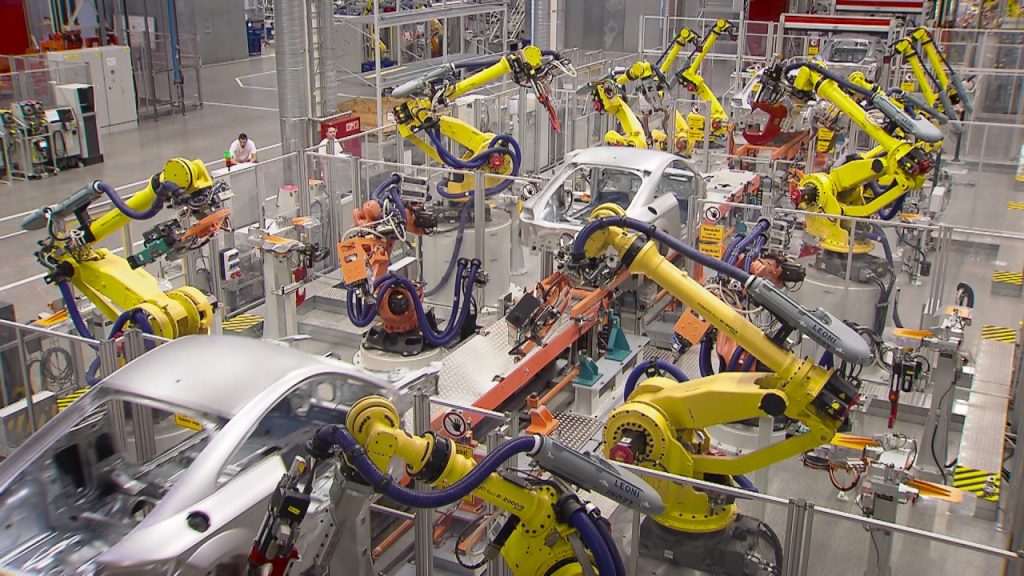
One area where digital transformation has made a significant impact is in the manufacturing industry, specifically with industrial robot manufacturers. These manufacturers have been quick to embrace digital technologies and integrate artificial intelligence (AI) into their production processes.
China, in particular, has witnessed a surge in industrial robot production, with the country becoming a major player in the global robotics market. The adoption of AI in manufacturing has revolutionized the way industrial robots operate, allowing for increased efficiency, precision, and automation.
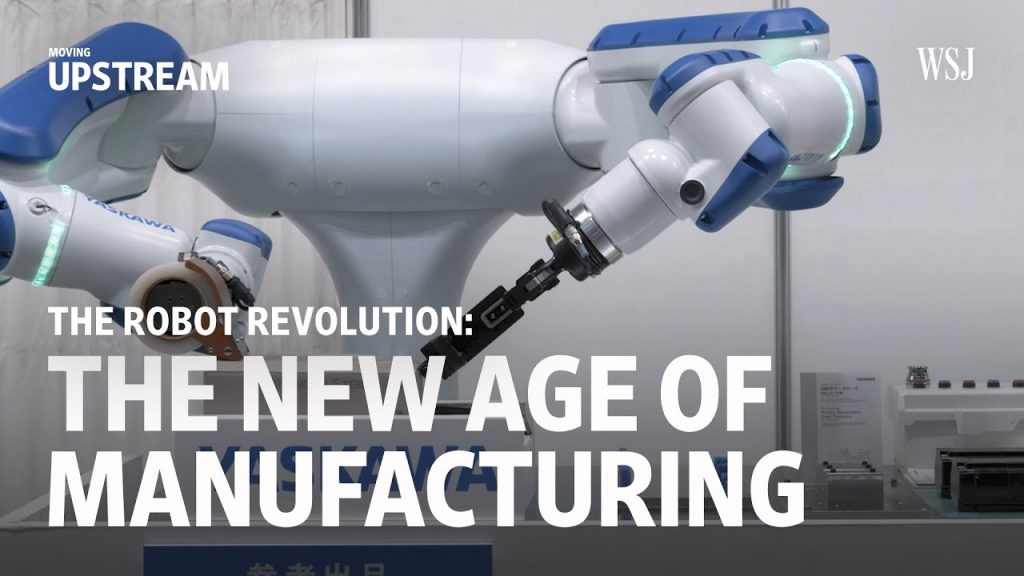
Industrial robot manufacturers in China have recognized the potential of AI and have been at the forefront of incorporating AI into their robots. AI-powered robots can perform complex tasks with minimal human intervention, leading to improved productivity and reduced costs.
The use of AI in industrial robots has also paved the way for advancements in areas such as machine learning, computer vision, and natural language processing. These technologies enable robots to learn and adapt to their environments, making them more intelligent and capable of handling diverse tasks.
With the rise of AI in industrial robot production, companies can now benefit from increased speed, accuracy, and flexibility in their manufacturing processes. AI-powered robots can handle repetitive tasks with precision and consistency, freeing up human workers to focus on more complex and creative aspects of their jobs.
Furthermore, the integration of AI in industrial robots has the potential to enhance safety in manufacturing environments. Robots equipped with AI algorithms can detect and respond to potential hazards, minimizing the risk of accidents and injuries.
As industrial robot manufacturers continue to invest in AI and digital transformation, the future of manufacturing looks promising. Companies that embrace these technologies can gain a competitive edge, improve their efficiency, and meet the evolving needs of their customers.
In conclusion, digital transformation has become a vital aspect of business growth and resilience. The outbreak of COVID-19 has further highlighted the importance of embracing digital technologies to adapt to unforeseen circumstances. Industrial robot manufacturers, particularly in China, have capitalized on digital transformation by incorporating AI into their production processes. This has led to increased efficiency, productivity, and safety in manufacturing environments. The future of industrial robotics holds great promise as AI continues to advance and transform the manufacturing landscape.
Check the coil packing solution with a leading manufacturer for a professional solution just here. Industrial Robot
"Revolutionizing China's Industrial Sector: The Surge of AI in Robotic Production"