Title: Ultimate Guide to the Automatic Food Packing Machine - PLC, HMI, Servo Drives, and Motors
Description:
Introduction:
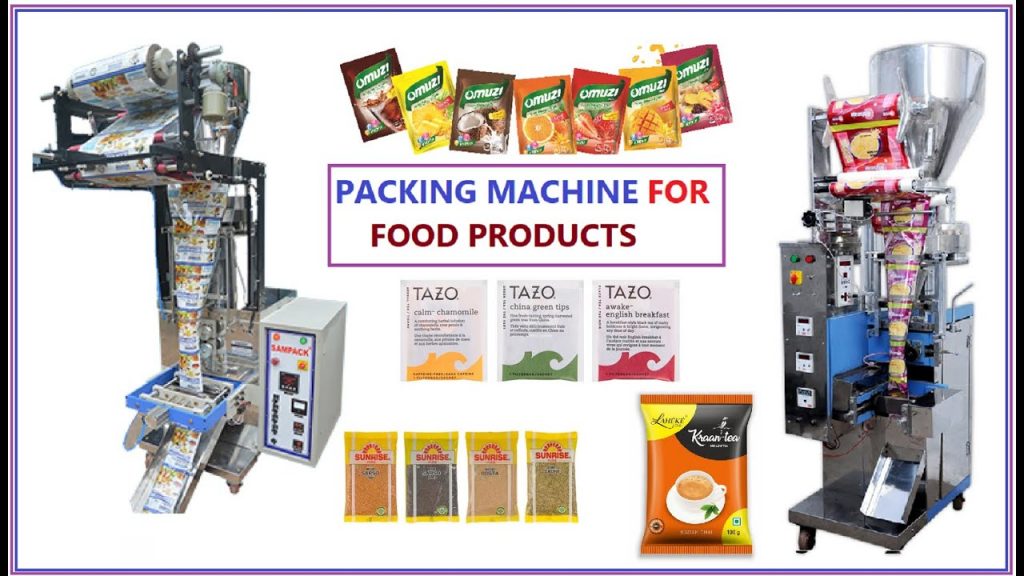
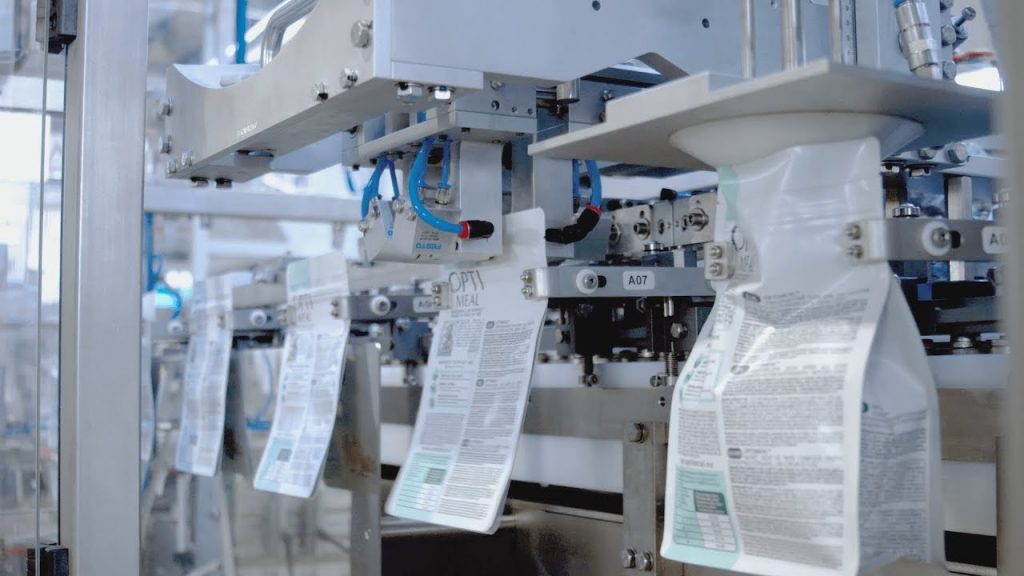
Welcome to the ultimate guide on the Automatic Food Packing Machine. In this comprehensive video, we delve into the intricate workings of this advanced machine, exploring its components such as PLC, HMI, Servo Drives, and Motors. Join us as we uncover the fascinating world of food packaging automation.
Video Content:
1. Understanding the Automatic Food Packing Machine:
- Gain a deep insight into the key features and functionalities of this state-of-the-art machine.
- Discover how it revolutionizes the food packaging industry.
2. PLC (Programmable Logic Controller):
- Explore the role of PLC in enhancing the efficiency and accuracy of the food packaging process.
- Learn how it controls various operations, ensuring seamless production.
3. HMI (Human Machine Interface):
- Unveil the significance of HMI in facilitating user-friendly interactions with the food packaging machine.
- Discover its intuitive interface and its impact on improving productivity.
4. Servo Drives and Motors:
- Dive into the world of servo drives and motors and their pivotal role in maintaining precision and control during the packaging process.
- Understand how they contribute to the seamless operation of the machine.
5. Key Highlights and Interesting Facts:
- Uncover fascinating facts about the Automatic Food Packing Machine that will leave you in awe of its capabilities.
- Explore the cutting-edge technologies integrated into this advanced packaging solution.
Call to Action:
If you found this video insightful, don't forget to hit the like button, subscribe to our channel for more informative content, and share this video with others who may benefit from it. Together, let's embrace the future of food packaging automation.
Additional Tags and Keywords:
Automatic Food Packing Machine, Food Packaging Machine, PLC, HMI, Servo Drives, Motors, food packaging automation, advanced packaging solution, precision packaging, seamless operation, cutting-edge technology, efficiency, productivity, user-friendly interface, innovative machinery.
Hashtags:
#AutomaticFoodPackingMachine #FoodPackagingMachine #PLC #HMI #ServoDrives #Motors #FoodPackagingAutomation #AdvancedPackagingSolution #PrecisionPackaging #SeamlessOperation #CuttingEdgeTechnology #Efficiency #Productivity #UserFriendlyInterface #InnovativeMachinery
Here is a sample tilter code for a Food Packaging Machine using PLC, HMI, Servo Drives, and Motors:
PLC Code:
1. Initialize variables and inputs/outputs.
2. Set up communication with HMI.
3. Set up communication with Servo Drives and Motors.
4. Create a main program loop.
5. Read inputs from sensors (e.g., presence sensor, position sensors).
6. Check if the packaging material is present and in the correct position.
7. If the packaging material is present and in the correct position, send a signal to the Servo Drives to activate the tilter mechanism.
8. Monitor the tilter mechanism's position using position sensors.
9. Once the tilter mechanism reaches the desired position, stop the Servo Drives.
10. Send a signal to the HMI to update the status and display a message indicating the completion of the tilting process.
11. Repeat the process for the next packaging material.
HMI Code:
1. Create a user interface with buttons, status indicators, and messages.
2. Establish communication with the PLC.
3. Display the status of the tilter mechanism (e.g., idle, tilting, complete).
4. Provide buttons for manual control of the tilter mechanism (e.g., start, stop, emergency stop).
5. Display any error or warning messages received from the PLC.
6. Allow the user to monitor and adjust the tilter mechanism's parameters (e.g., tilt angle, tilt speed).
7. Provide a log or history of completed tilting processes.
Servo Drives and Motors:
1. Configure the Servo Drives and Motors according to the manufacturer's specifications.
2. Establish communication with the PLC.
3. Receive signals from the PLC to start or stop the tilter mechanism.
4. Control the speed and position of the tilter mechanism based on the received signals.
5. Monitor the position of the tilter mechanism using position sensors.
6. Send feedback to the PLC about the tilter mechanism's status (e.g., position reached, error occurred).
Note: The actual implementation of the tilter code may vary depending on the specific requirements and hardware used in the Food Packaging Machine. This is just a general outline to give you an idea of how the different components can work together.Food Packing Machine
#Food #Packaging #Machine #PLC #HMI #Servo #Drives #Motors