Title: How to Make an Open Face Mold for an Electromagnetic Coil Ring Retainer | Mold Open Tutorial
Description:
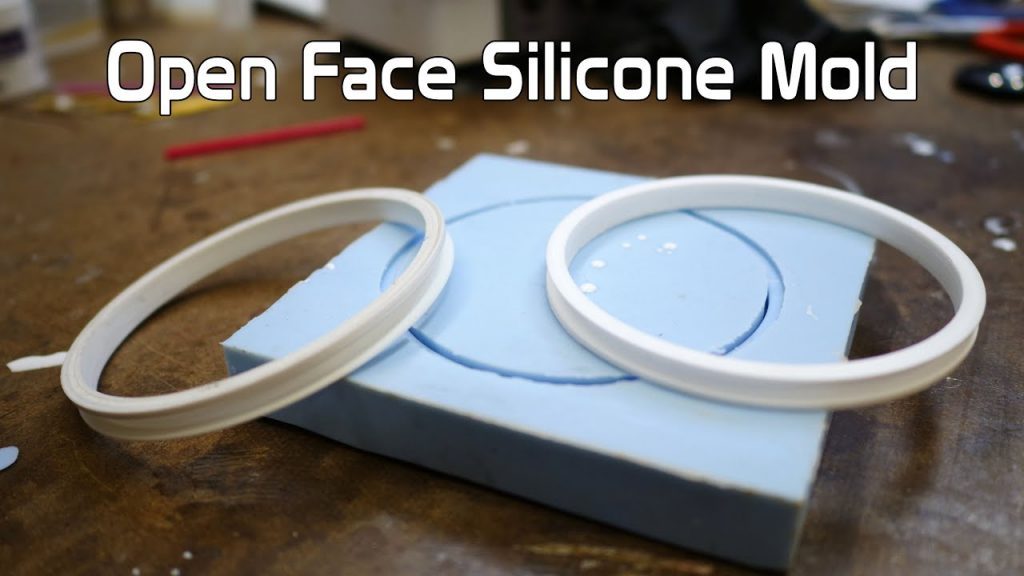
In this comprehensive tutorial, we will guide you through the process of creating an open face silicone mold for an electromagnetic coil ring retainer using a 3D printed FDM master part. Whether you are a beginner or an experienced mold maker, this step-by-step video will provide you with all the necessary information and techniques to successfully complete your own mold open project.
Introduction:
Welcome to our mold open tutorial! In this video, we will demonstrate the exact steps and materials required to make an open face mold for an electromagnetic coil ring retainer. By following along, you will gain valuable insights and skills to create intricate molds for various applications.
Video Content:
1. Understanding the Mold Open Process: We will explain the concept and benefits of an open face mold, particularly for an electromagnetic coil ring retainer. Learn how this type of mold allows for easy removal and precise replication.
2. Material Selection and Preparation: Discover the ideal materials needed for making an open face silicone mold. We will provide recommendations and tips on selecting the right silicone and preparing it for the molding process.
3. Creating a 3D Printed FDM Master Part: Get an overview of the steps involved in creating a 3D printed FDM master part. We will discuss the necessary design considerations and share insights on achieving high-quality master parts.
4. Mold Making Techniques: Follow our detailed instructions on how to assemble the mold and properly apply the silicone. Learn the best practices for achieving smooth surfaces, capturing intricate details, and ensuring optimal mold durability.
5. Removing the Mold and Finalizing the Retainer: Witness the exciting moment of removing the mold from the master part. We will demonstrate how to carefully extract the mold and finalize the electromagnetic coil ring retainer for use.
Call to Action:
If you found this mold open tutorial helpful, remember to give this video a thumbs up and subscribe to our channel for more informative content. Don't forget to share this video with others who might benefit from learning the art of mold making. We appreciate your support!
Additional Tags and Keywords: mold open tutorial, open face silicone mold, electromagnetic coil ring retainer, 3D printed FDM master part, mold making techniques, mold open process, mold making tutorial, DIY mold making, mold replication
Hashtags: #MoldOpenTutorial #OpenFaceSiliconeMold #MoldMakingTechniques #ElectromagneticCoilRingRetainer #DIYMoldMaking
Title: Step-by-Step Guide on Making an Open Face Mold
Introduction:
Creating an open face mold is a useful skill for various crafting projects, such as resin casting, clay modeling, or even cake decorating. This step-by-step guide will walk you through the process of making an open face mold. With a few materials and some patience, you'll be able to craft molds that will enable you to replicate intricate designs effortlessly. Let's get started!
Materials Needed:
1. Modeling clay
2. Mold release agent (e.g., cooking spray or petroleum jelly)
3. Casting material (e.g., resin, clay, or chocolate)
4. Sculpting tools (e.g., clay shaping tools or a butter knife)
5. Measuring tape or ruler
6. Mixing containers
7. Mixing sticks
8. Disposable gloves
9. Safety goggles
Step 1: Choose your Object
Select the object you want to replicate using an open face mold. It can be anything from a small trinket to a more complex sculpture. Ensure that the object is clean and free from any dust or debris that could affect the mold's quality.
Step 2: Prepare the Work Surface
Cover your work surface with a protective layer, such as a plastic tablecloth or wax paper, to prevent any spillage or damage to the surface.
Step 3: Create a Base
Take a chunk of modeling clay and roll it into a ball. Flatten it into a thick disc and place it on the work surface. This clay disc will serve as the base for your mold.
Step 4: Position and Secure the Object
Place the object you want to mold onto the clay base, ensuring that it rests evenly. Press it down slightly to create an imprint in the clay. If necessary, use additional clay pieces to support and secure the object in place.
Step 5: Apply Mold Release Agent
To ensure easy removal of the casting material later on, apply a thin layer of mold release agent to the object's surface and the clay base surrounding it. This will prevent the casting material from sticking to the mold.
Step 6: Build a Clay Wall
Using your fingers or sculpting tools, create a clay wall around the object, leaving an open space above it. The wall should be at least 1 inch taller than the highest point of the object.
Step 7: Smooth the Clay Wall
Smooth the clay wall and ensure there are no gaps or holes. This will prevent any leakage of the casting material during the molding process.
Step 8: Mix and Pour the Casting Material
Follow the instructions provided with your chosen casting material to mix it correctly. Once mixed, pour the casting material into the mold, filling it to the desired level. Avoid overfilling, as it may result in spillage or distortions.
Step 9: Allow the Casting Material to Cure
Depending on the type of casting material used, allow it to cure and harden for the specified duration. Follow the manufacturer's instructions to ensure proper curing.
Step 10: Demold and Clean
Once the casting material has fully cured, carefully remove the clay wall and the object from the mold. Gently clean any residue or excess material from the mold using warm water and mild soap. Allow the mold to dry completely before reusing.
Conclusion:
By following these steps, you can successfully create an open face mold to replicate various objects. Whether you're a craft enthusiast or a professional artist, this technique will add versatility and creativity to your projects. Remember to experiment with different casting materials and objects to explore the endless possibilities of open face molding. Happy crafting! mold open
#Open #Face #Mold