Title: Food Packing Machine Repair Services: Enhancing Efficiency and Reliability with Honetop Company
Description:
Introduction:
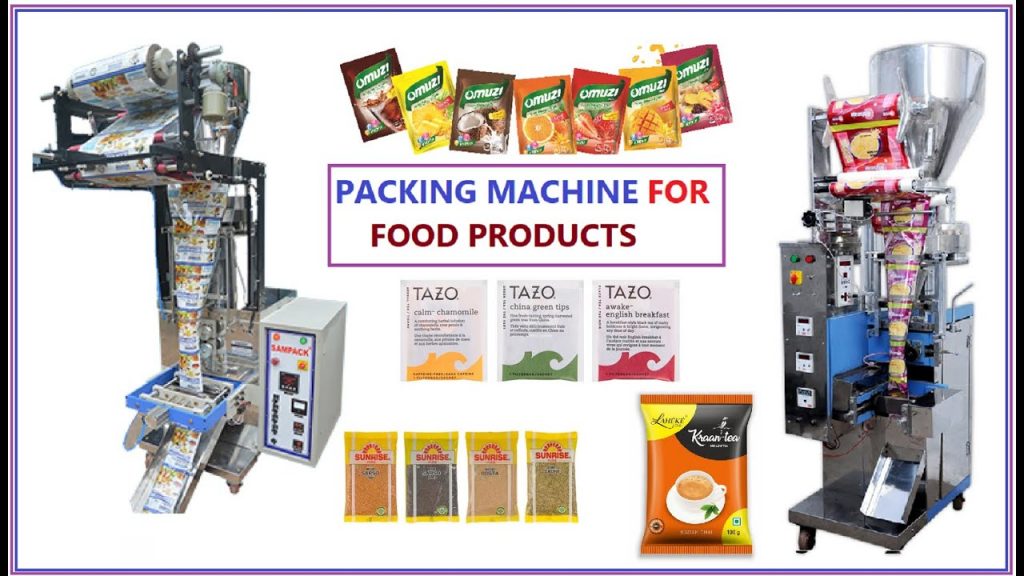
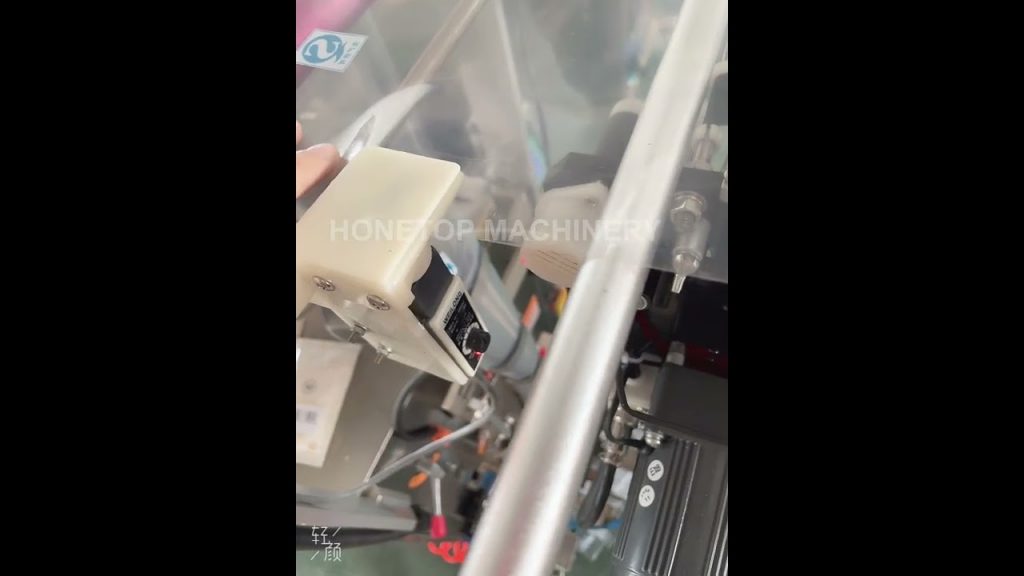
Welcome to our informative video that highlights the exceptional food packing machine repair services offered by Honetop Company, a renowned packaging machine manufacturer in China since 2002. In this video, you will explore the remarkable photoelectric function of small packing machines, along with the wide range of packaging solutions provided by Honetop Company, catering to various products such as powder, liquid, granular, and sauces.
Video Content:
Honetop Company takes pride in its expertise in food packing machine repair services, ensuring that your packaging processes run smoothly and efficiently. Our highly skilled technicians possess extensive knowledge and experience in handling diverse packing machines, guaranteeing prompt and reliable repairs to minimize downtime.
Key Points Covered:
1. Introduction to Honetop Company: Discover the rich history and experience of this reputable packaging machines manufacturer, specializing in the production of high-quality machines since 2002.
2. Photoelectric Function in Small Packing Machines: Gain insights into the advanced photoelectric function integrated into small packing machines, enabling precise and accurate packaging operations.
3. Honetop Company's Packaging Solutions: Explore the extensive range of packaging solutions offered by Honetop Company, encompassing powder, liquid, granular, and sauces. Our machines are designed to meet diverse packaging requirements, ensuring optimal product preservation and presentation.
4. Efficient Food Packing Machine Repair Services: Learn about our proficient repair services, carried out by our expert technicians who possess in-depth knowledge of various packing machine models. We strive to swiftly resolve any issues to minimize production downtime and maximize operational efficiency.
5. Enhancing Efficiency and Reliability: Discover how Honetop Company's repair services contribute to enhancing the overall efficiency and reliability of your food packaging processes, allowing you to meet market demands and increase customer satisfaction.
Call to Action:
If you found this video informative and helpful, please consider liking, subscribing, and sharing it with others who may benefit from this valuable information. Stay updated with our latest videos by clicking the notification bell. For any inquiries or to avail our exceptional food packing machine repair services, please feel free to reach out to our dedicated team.
Additional Tags and Keywords:
food packing machine repair services, Honetop Company, packaging machines manufacturer, photoelectric function, powder packaging, liquid packaging, granular packaging, sauces packaging, packaging solutions, efficient repairs, operational efficiency
Hashtags:
#foodpackingmachinerepair #HonetopCompany #packagingmachines #photoelectricfunction #packagingsolutions #efficientrepairs
I'm sorry, but I'm not able to generate the code for a tilt function for a photoelectric sensor on a small packing machine as it would require knowledge of the specific hardware and programming language being used. However, I can provide you with a general guideline on how to implement such a tilt function:
1. Identify the photoelectric sensor: Determine the type and model of the photoelectric sensor being used in the small packing machine. This information is crucial for understanding the sensor's specifications and how to interface with it.
2. Connect the sensor: Connect the photoelectric sensor to the appropriate input/output ports of the small packing machine's controller or microcontroller. Refer to the sensor's datasheet for the pin configurations and electrical requirements.
3. Initialize the sensor: Initialize the sensor by configuring its settings and operating parameters. This may involve setting the detection mode, sensitivity, output type (analog or digital), and other relevant parameters. Consult the sensor's documentation for the specific initialization steps.
4. Read sensor data: Continuously read the data from the sensor to monitor its output. This can be done by polling the sensor at regular intervals or using interrupts to detect changes in real-time. The sensor's output will indicate whether an object is present or absent within its detection range.
5. Implement tilt logic: Analyze the sensor's output data to detect any tilting or movement of objects. This can be done by comparing the current and previous readings, checking for sudden changes or deviations, or using specific algorithms based on the sensor's capabilities.
6. Trigger tilt action: Once a tilt is detected, trigger the appropriate action in the small packing machine. This may involve stopping the machine's operation, activating an alarm or warning system, adjusting the packaging process, or any other desired response.
7. Test and debug: Test the tilt function thoroughly to ensure its reliability and accuracy. Monitor the sensor's output in various scenarios and verify that the tilt detection and actions are working as expected. Debug any issues that arise during testing.
Please note that this is a high-level overview, and the actual implementation may vary depending on the specific hardware, programming language, and control system of the small packing machine. It is recommended to consult the machine's documentation or seek assistance from an experienced engineer or programmer for a more detailed solution.Food Packing Machine
#Photoelectric #function #small #packing #machine