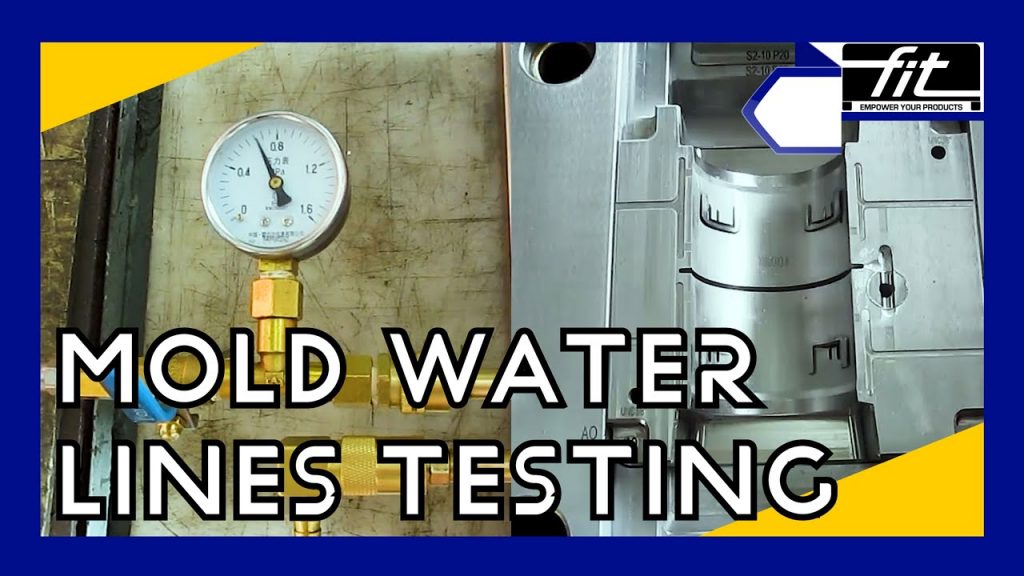
Title: Comprehensive Guide: Testing Plastic Injection Mold Water Lines & Cooling System
Description:
Introduction:
Welcome to our comprehensive guide on testing plastic injection mold water lines and cooling systems. In this informative video, we will demonstrate the necessary steps and tests that need to be performed before moving a mold exported abroad. By following these procedures, you can ensure the optimal performance and longevity of your mold machine line.
Video Content:
1. Understanding the Importance of Testing Mold Cooling Lines:
Before exporting a mold, it is crucial to test the cooling lines thoroughly. This step ensures that the mold will function efficiently and effectively, preventing any potential defects or damages during production. We will explore the reasons behind testing mold cooling lines and its significance in maintaining high-quality manufacturing processes.
2. Key Steps in Testing Plastic Injection Mold Water Lines:
We will walk you through the key steps involved in testing plastic injection mold water lines. From inspecting the water circulation to checking for leaks and blockages, each step is essential in ensuring the proper functioning of the cooling system. Our expert technicians will demonstrate the procedures and provide valuable tips along the way.
3. Tips for Successful Mold Machine Line Testing:
To achieve accurate and reliable results, we will share some expert tips for successful mold machine line testing. These tips include using appropriate testing equipment, following safety protocols, and conducting thorough inspections. By implementing these suggestions, you can minimize potential risks and maximize the productivity of your mold machine line.
4. Ensuring Mold Reliability for Export:
When exporting molds abroad, there are specific tests that need to be performed to guarantee their reliability. We will discuss these tests and their importance in ensuring the mold's performance and functionality after transportation. By adhering to these procedures, you can avoid potential issues and ensure customer satisfaction.
Call to Action:
If you found this video helpful, please give it a thumbs up and consider subscribing to our channel for more informative content. Don't forget to share this video with others who might benefit from this comprehensive guide on testing plastic injection mold water lines and cooling systems.
Additional Tags and Keywords:
plastic injection mold, mold cooling lines, mold machine line testing, testing water lines, testing cooling system, mold reliability, mold machine line maintenance, mold machine line optimization
Hashtags:
#plasticinjectionmold #moldcoolinglines #moldmachinelinetesting #coolingsystemtesting #moldreliability
Title: A Comprehensive Guide on Testing Plastic Injection Mold Water Lines/Cooling System
Introduction:
Testing the water lines and cooling system of a plastic injection mold is crucial to ensure optimal performance and prevent potential issues during the production process. In this guide, we will provide step-by-step instructions on how to effectively test the water lines and cooling system of a plastic injection mold.
Step 1: Preparation
1.1. Ensure the injection mold is clean and free of any debris or residue.
1.2. Connect the injection mold to the water supply, ensuring a secure connection.
Step 2: Visual Inspection
2.1. Inspect the water lines for any physical damages such as cracks, leaks, or loose connections.
2.2. Check if the cooling channels are properly aligned and free from any blockages or obstructions.
Step 3: Pressure Testing
3.1. Close all the water supply valves leading to the injection mold.
3.2. Connect a pressure gauge to the water supply line or use a dedicated pressure testing device.
3.3. Gradually increase the pressure to the desired level, usually around 100-150 psi (pounds per square inch).
3.4. Monitor the pressure gauge for any drops, which indicate leaks in the water lines or cooling channels.
3.5. If leaks are found, locate and repair them before proceeding.
Step 4: Flow Testing
4.1. Open all the water supply valves leading to the injection mold.
4.2. Observe the flow of water through the cooling channels, ensuring it is uniform and free from blockages.
4.3. Check if the water flow rate is consistent and sufficient to maintain the desired cooling temperature.
4.4. If any issues are identified, such as low flow or blockages, troubleshoot and resolve them accordingly.
Step 5: Temperature Testing
5.1. Ensure that the cooling system is properly active and connected to a temperature control unit.
5.2. Set the desired cooling temperature on the temperature control unit.
5.3. Monitor the temperature of the cooling water entering and exiting the mold.
5.4. Ensure that the temperature difference between the inlet and outlet is within the specified range.
5.5. If temperature variations are observed, investigate the cause and take appropriate corrective measures.
Step 6: Repeated Testing
6.1. Repeat steps 3-5 multiple times to ensure consistent results across different operating conditions.
6.2. Make necessary adjustments or repairs based on the findings of each test.
Conclusion:
Thoroughly testing the water lines and cooling system of a plastic injection mold is essential to guarantee efficient and reliable production. By following the steps outlined in this guide, you can identify any potential issues and take appropriate actions to ensure optimal performance and quality in your plastic injection molding process. mold machine line
#Test #Plastic #Injection #Mold #Water #LinesCooling #System