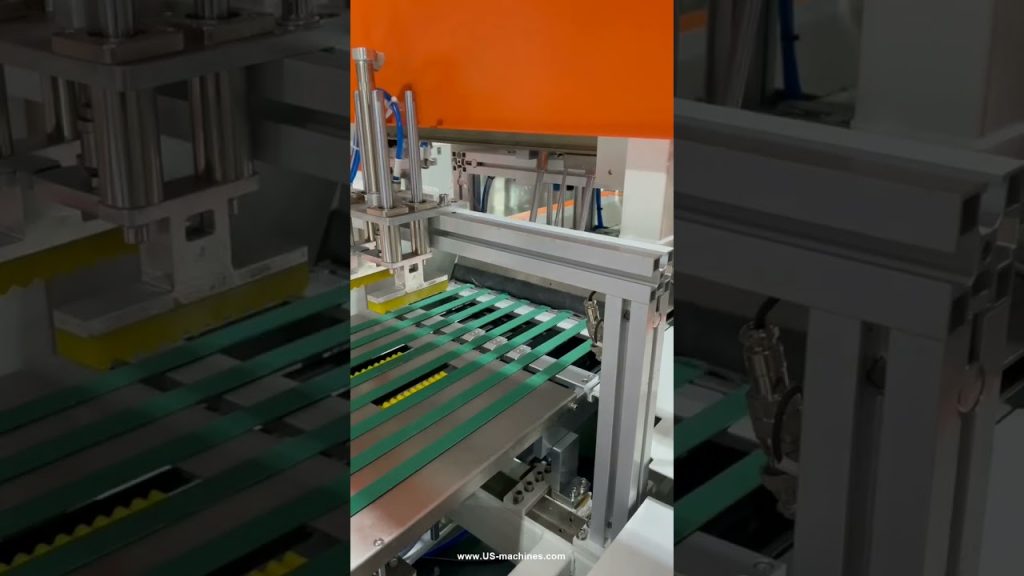
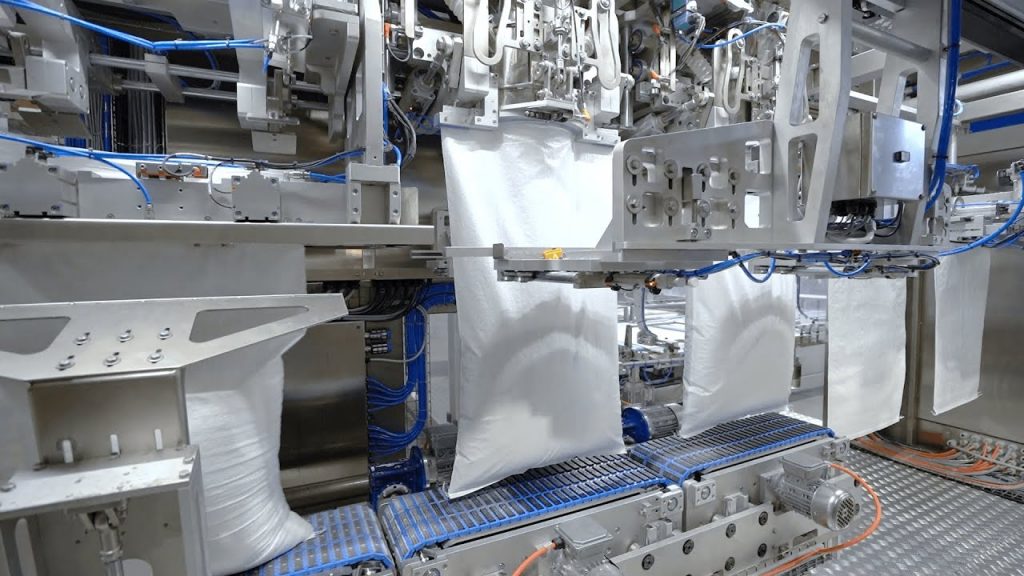
Are you in need of a reliable and efficient bagging solution for your business? Look no further than the Automatic Bagging Machine. In this YouTube video, we will introduce you to this innovative piece of technology and explore its many benefits and features. Whether you are in the manufacturing, logistics, or packaging industry, the Automatic Bagging Machine is a game-changer that will revolutionize your operations.
Opinion/Thought Piece Style:
Title: The Automatic Bagging Machine: Redefining Efficiency in Bagging Solutions
Introduction:
In today's fast-paced world, businesses are constantly seeking ways to improve efficiency and productivity. One area that often requires optimization is the bagging process. Manual bagging can be time-consuming, labor-intensive, and prone to errors. This is where the Automatic Bagging Machine comes into play, providing a seamless and efficient solution to meet the demands of modern businesses.
Benefits of the Automatic Bagging Machine:
1. Increased Efficiency: With its automated processes, the Automatic Bagging Machine significantly reduces the time and effort required for bagging. This means higher productivity and cost savings for your business.
2. Enhanced Accuracy: Manual bagging can lead to inconsistencies, resulting in product waste and customer dissatisfaction. The Automatic Bagging Machine ensures precise and consistent bagging, reducing errors and improving overall product quality.
3. Versatility: The Automatic Bagging Machine is designed to handle a wide range of products and bag sizes. Whether you are packaging small items or bulk materials, this machine can adapt to your specific needs.
4. Improved Safety: Manual bagging can pose risks to workers, such as repetitive strain injuries or exposure to hazardous substances. By automating the bagging process, the Automatic Bagging Machine minimizes these risks and creates a safer working environment.
Case Study Style:
Title: How Company X Achieved Remarkable Efficiency Gains with the Automatic Bagging Machine
Introduction:
In this case study, we will delve into the experience of Company X, a leading manufacturer in the food packaging industry. Company X was facing challenges with their bagging process, including high labor costs and inconsistencies in bagging quality. Seeking a solution, they turned to the Automatic Bagging Machine.
Challenges Faced by Company X:
1. High Labor Costs: Manual bagging required a significant number of workers, leading to increased labor expenses for Company X.
2. Inconsistent Bagging Quality: Manual bagging resulted in varying bag sizes and improper sealing, which affected the overall product presentation and customer satisfaction.
Implementation of the Automatic Bagging Machine:
Company X decided to invest in the Automatic Bagging Machine to address their challenges. They worked closely with a team of sales engineers to customize the machine according to their specific requirements.
Results and Benefits:
1. Increased Efficiency: With the Automatic Bagging Machine, Company X was able to reduce their workforce by 50%, resulting in substantial cost savings.
2. Consistent Bagging Quality: The machine's precise bagging capabilities ensured uniform bag sizes and proper sealing, improving the overall product appearance and customer satisfaction.
3. Flexibility and Scalability: The Automatic Bagging Machine's versatility allowed Company X to easily adapt to changing packaging needs and handle a wide range of products.
4. Enhanced Safety: By automating the bagging process, Company X reduced the risk of injuries and improved workplace safety for their employees.
Conclusion:
Company X's success story with the Automatic Bagging Machine serves as a testament to the significant benefits this technology offers. Whether you are a small-scale manufacturer or a large logistics company, investing in an Automatic Bagging Machine can streamline your operations, improve efficiency, and drive growth.
In-depth Analysis Style:
Title: The Evolution of Bagging Solutions: The Rise of the Automatic Bagging Machine
Introduction:
The bagging process has come a long way since its inception. From manual bagging to semi-automated systems, technological advancements have revolutionized this essential aspect of packaging. In this article, we will take a closer look at the history and evolution of bagging solutions, with a specific focus on the Automatic Bagging Machine.
1. Manual Bagging: The Early Days
In the early days of packaging, bagging was a manual task that required skilled workers. This process was time-consuming and relied heavily on human labor.
2. Semi-Automated Bagging Systems: A Step Forward
As technology advanced, semi-automated bagging systems were introduced. These systems improved efficiency by automating certain aspects of the bagging process, such as filling and sealing.
3. The Birth of the Automatic Bagging Machine
The Automatic Bagging Machine represents the next leap in bagging technology. It combines advanced robotics, computer vision, and artificial intelligence to offer a fully automated bagging solution.
4. Key Features of the Automatic Bagging Machine
- High-speed bagging: The machine can bag products at an impressive rate, significantly increasing production output.
- Precision and accuracy: Advanced sensors and algorithms ensure precise bagging, reducing errors and waste.
- Versatility: The Automatic Bagging Machine can handle various bag sizes and packaging materials, making it suitable for diverse industries.
- Integration with other systems: It seamlessly integrates with existing production lines, optimizing overall workflow.
Conclusion:
The Automatic Bagging Machine represents the pinnacle of bagging technology, combining efficiency, accuracy, and versatility. As businesses continue to seek ways to streamline their operations, this innovative solution will undoubtedly play a crucial role in shaping the future of packaging.
Check the coil packing solution with a leading manufacturer for a professional solution right here: [Insert URL] Bagging Machine
"Efficient Bagging Solutions for Streamlining Packaging Processes"