Title: Efficient and Versatile Vertical Steel Coil Packing Line for Various Coil Objects
Description:
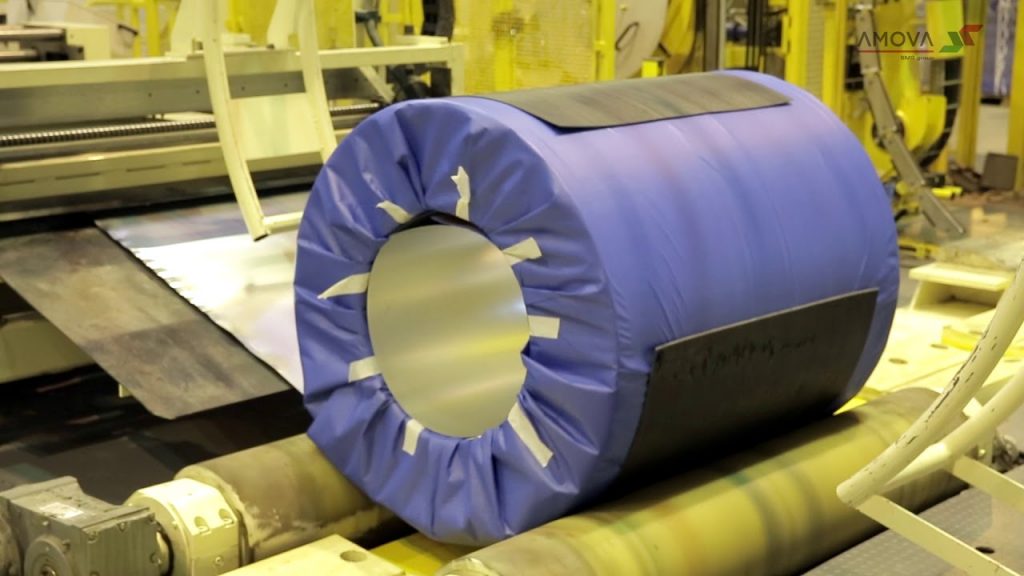
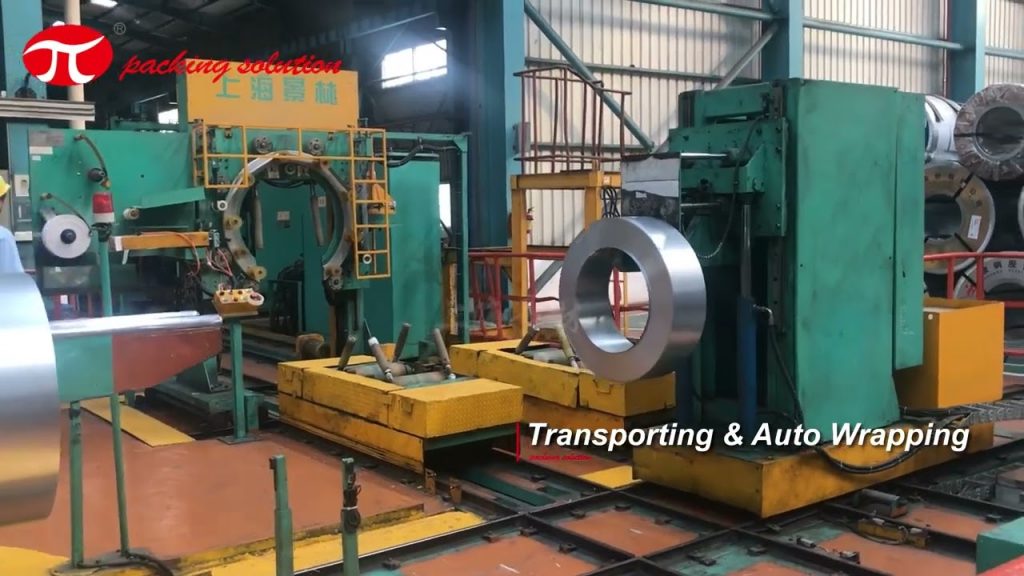
Welcome to our video showcasing the exceptional capabilities of our coil packing line! With its double work station and double-position design, this vertical steel coil packing line is the ultimate solution that can cater to all your coil packing needs. Whether you're dealing with steel coils, copper coils, or other coil objects, this innovative packaging system is designed to provide efficient and reliable packaging solutions.
[Heading 1: Superior Performance and Flexibility]
Our coil packing line is engineered to deliver superior performance and flexibility in the packaging process. It features a double work station and double-position design, allowing for simultaneous packing of multiple coils. This not only enhances productivity but also ensures consistent and precise packaging results.
[Heading 2: Versatile Applications]
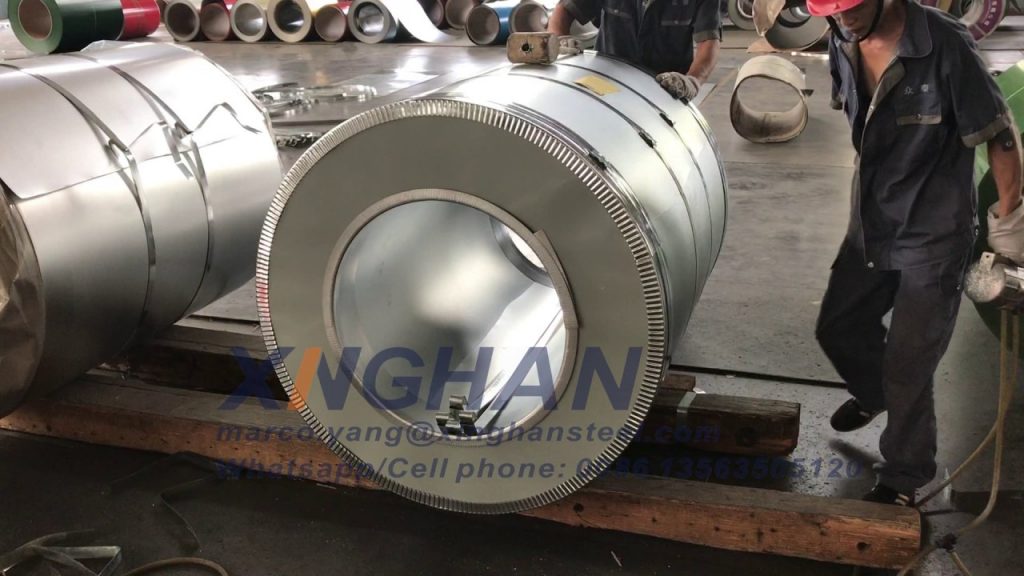
The versatility of our coil packing line knows no bounds. It is specifically designed to accommodate various coil objects, including steel coils, copper coils, and more. Whether you're operating in the steel industry, wire manufacturing, or any other field that requires coil packaging, our system is fully capable of meeting your unique requirements.
[Heading 3: Efficient Operation Steps]
Operating our coil packing line is a breeze, thanks to its user-friendly design and intuitive controls. The video showcases the step-by-step process, providing a comprehensive overview of the operation steps. From coil loading and positioning to wrapping and sealing, our system ensures a seamless and efficient packaging process.
[Heading 4: Key Highlights and Interesting Facts]
Throughout the video, you'll discover several key highlights and interesting facts about our coil packing line. These include its high-speed wrapping capability, the adjustable tension control system for optimal packaging, and the advanced safety features that prioritize operator well-being. These features make our system a reliable and cost-effective solution for coil packaging needs.
[Call to Action]
If you found this video informative and helpful, we would greatly appreciate your support. Please consider liking, subscribing, and sharing this video to help us reach more people in need of efficient coil packaging solutions. Feel free to leave any comments or questions you may have, and we'll be glad to assist you.
[Additional Tags and Keywords]
coil packing line, vertical steel coil packing line, double work station, double-position, steel coil packaging, copper coil packaging, coil objects, efficient packaging, versatile coil packaging, steel industry, wire manufacturing, user-friendly design, high-speed wrapping, adjustable tension control, advanced safety features.
[Hashtags]
#coilpackingline #steelcoilpacking #coppercoilpackaging #efficientpackagingsolutions #versatilecoilsolutions #packagingsystems
Here is a sample tilter for a vertical steel coil packing line with double work stations:
```
#include
class Tilter {
private:
int coilId;
int workStation;
bool isTilted;
public:
Tilter() {
coilId = 0;
workStation = 0;
isTilted = false;
}
void setCoilId(int id) {
coilId = id;
}
void setWorkStation(int station) {
workStation = station;
}
void tiltCoil() {
if (workStation == 1) {
std::cout << "Tilting coil " << coilId << " at work station 1." << std::endl;
// Additional code to tilt the coil at work station 1
isTilted = true;
} else if (workStation == 2) {
std::cout << "Tilting coil " << coilId << " at work station 2." << std::endl;
// Additional code to tilt the coil at work station 2
isTilted = true;
} else {
std::cout << "Invalid work station number." << std::endl;
}
}
bool isCoilTilted() {
return isTilted;
}
};
int main() {
Tilter tilter1;
tilter1.setCoilId(1);
tilter1.setWorkStation(1);
tilter1.tiltCoil();
std::cout << "Is coil 1 tilted? " << (tilter1.isCoilTilted() ? "Yes" : "No") << std::endl;
Tilter tilter2;
tilter2.setCoilId(2);
tilter2.setWorkStation(3); // Invalid work station number
tilter2.tiltCoil();
std::cout << "Is coil 2 tilted? " << (tilter2.isCoilTilted() ? "Yes" : "No") << std::endl;
Tilter tilter3;
tilter3.setCoilId(3);
tilter3.setWorkStation(2);
tilter3.tiltCoil();
std::cout << "Is coil 3 tilted? " << (tilter3.isCoilTilted() ? "Yes" : "No") << std::endl;
return 0;
}
```
In this sample code, we have defined a `Tilter` class that represents a tilter for the steel coils. The class has private member variables `coilId`, `workStation`, and `isTilted`. It also has public member functions `setCoilId`, `setWorkStation`, `tiltCoil`, and `isCoilTilted`.
The `setCoilId` function is used to set the ID of the coil that needs to be tilted. The `setWorkStation` function is used to set the work station number where the coil will be tilted. The `tiltCoil` function checks the work station number and tilts the coil accordingly. If the work station number is invalid, an error message is displayed. The `isCoilTilted` function returns the status of the coil (tilted or not).
In the `main` function, we create three instances of the `Tilter` class and demonstrate the usage by setting coil IDs, work station numbers, tilting the coils, and checking if they are tilted. coil packing line
#Vertical #steel #coil #packing #line #double #work #station