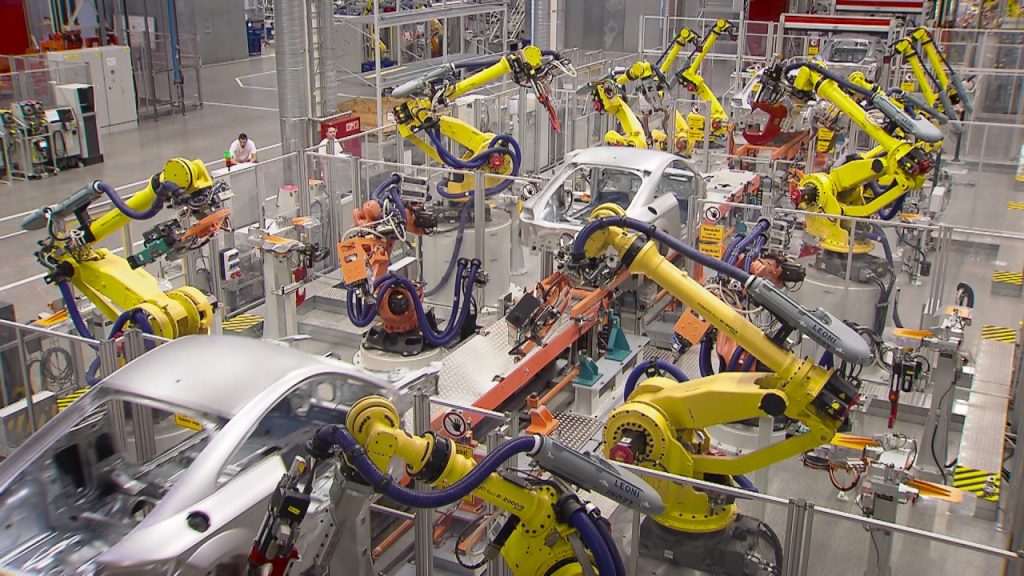
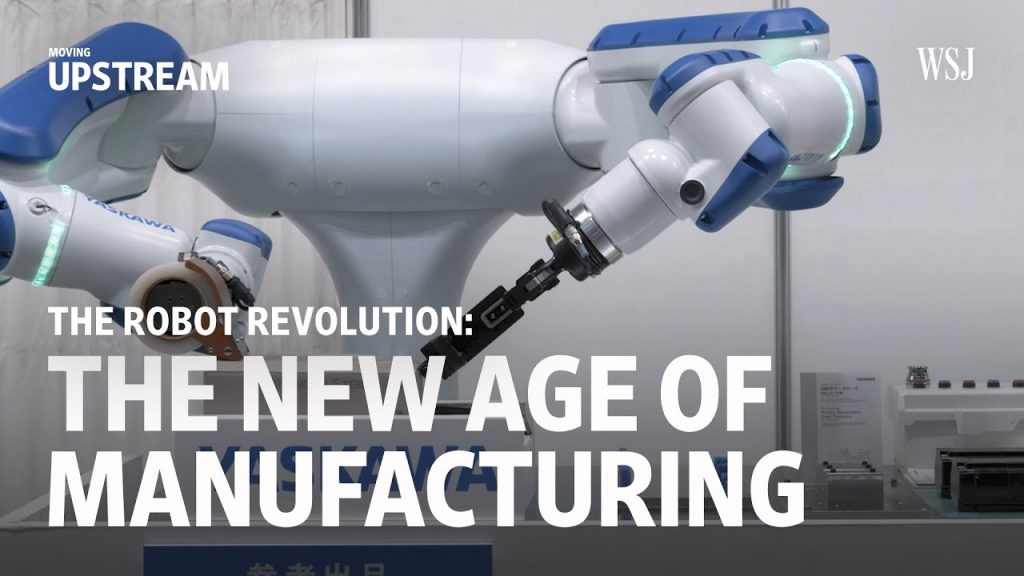
Spotwelding robots have revolutionized the automotive industry, offering increased efficiency and precision in the manufacturing process. In this YouTube video, we will explore the capabilities of Automatic Industrial Robots in spotwelding applications, highlighting their significance in the automotive sector.
Introduction:
The automotive industry is constantly evolving, with manufacturers seeking innovative solutions to improve production efficiency and quality. One such solution is the implementation of spotwelding robots, which have become an integral part of the manufacturing process. These robots, equipped with advanced technology and automation, have transformed the automotive industry by streamlining the spotwelding process.
Opinion/Thought Piece Style:
As a sales engineer in the robotics industry, I have witnessed the transformative power of automatic industrial robots in the automotive sector. The precision, speed, and reliability of these robots have significantly improved the spotwelding process, allowing manufacturers to meet the growing demands of the market.
Case Study Style:
Let's take a closer look at a real-world case study to understand the impact of spotwelding robots in the automotive industry. XYZ Motors, a leading car manufacturer, was facing challenges in maintaining consistent spotweld quality and production output. By integrating automatic industrial robots into their assembly line, they were able to achieve remarkable results. The robots ensured precise welds, reduced cycle times, and increased overall productivity. This not only improved the quality of their vehicles but also contributed to significant cost savings.
Explanatory Style:
To understand the capabilities of spotwelding robots, it is essential to grasp the underlying technology. Automatic industrial robots are equipped with advanced sensors, actuators, and control systems that enable them to perform spotwelding tasks with unparalleled precision. These robots use a combination of vision systems and force feedback to identify the exact locations for welds and apply the required pressure for optimal joint strength. This level of automation ensures consistent and reliable welds, reducing the need for manual intervention and minimizing errors.
In-depth Analysis Style:
The automotive industry demands high-quality welds that meet stringent standards for structural integrity and durability. Automatic industrial robots excel in meeting these requirements. Their ability to achieve consistent weld quality, even in complex joint configurations, is a testament to their advanced technology. Additionally, these robots can adapt to variations in part geometry and material thickness, ensuring reliable welds across different vehicle models and components.
Predictive/Foresight Style:
The future of spotwelding in the automotive industry lies in the continued advancement of automatic industrial robots. With ongoing research and development, we can expect to see even more sophisticated robots capable of self-learning and adaptive control. These robots will be able to analyze data in real-time, identify potential welding defects, and make adjustments on the fly to ensure optimal weld quality. This level of automation will not only improve efficiency but also reduce the need for post-weld inspections and rework.
Conclusion:
Spotwelding robots have become an indispensable part of the automotive industry, providing manufacturers with a competitive edge. The precision, speed, and reliability offered by automatic industrial robots have revolutionized the spotwelding process, resulting in improved productivity, cost savings, and higher-quality vehicles.
Check the coil packing solution with a leading manufacturer for the professional solution here. Industrial Robot
"Revolutionizing Automotive Manufacturing: The Power of Spotwelding Robots and Automatic Industrial Robotics"