If you're interested in pursuing a career in robotics, you've come to the right place. In this video, we will guide you on how to enter the robotics industry and explore the two main paths you can take. Whether you're a recent graduate or considering a career change, this article will provide valuable insights into the world of robotics and how you can become a part of it.
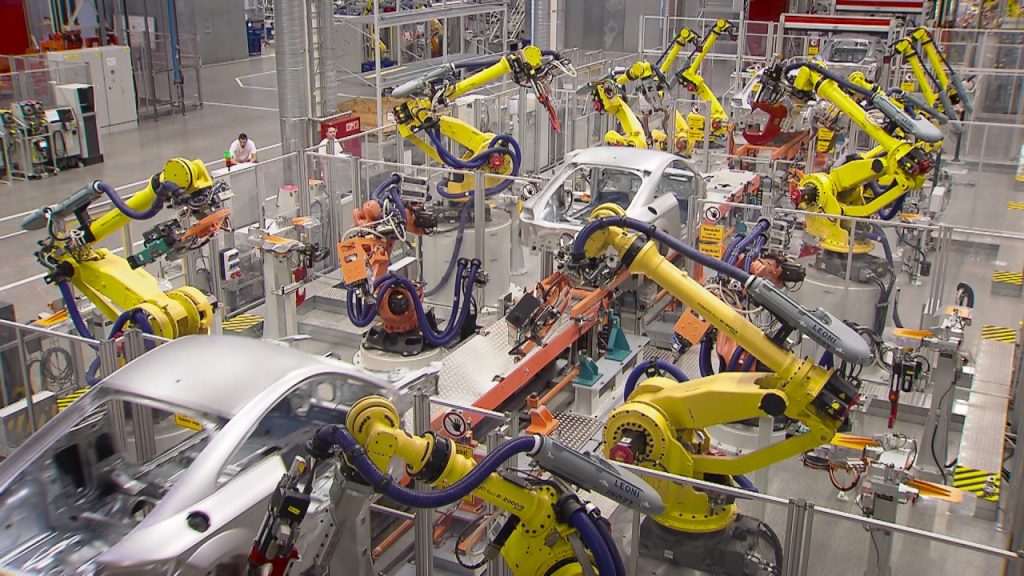
Before we dive into the different career paths, let's first understand what industrial robots are and why they are an essential part of various industries. Industrial robots are automated machines designed to perform tasks traditionally carried out by humans. These robots are used in manufacturing, assembly lines, warehouses, and other industries to increase efficiency and productivity while reducing costs.
Now, let's explore the two main paths you can take to enter the robotics industry:
1. Academic Path:
If you're interested in pursuing a more research-oriented career in robotics, the academic path might be the right choice for you. This path involves obtaining a degree in robotics, mechanical engineering, electrical engineering, or a related field. Many universities offer specialized programs and courses in robotics, allowing you to gain theoretical knowledge and practical skills required in this field.
During your academic journey, you will have the opportunity to work on cutting-edge research projects, collaborate with industry experts, and gain hands-on experience through internships and co-op programs. This path provides a strong foundation in robotics principles, algorithms, and technologies, equipping you with the necessary skills to develop and innovate in the field of robotics.
2. Technical Path:
If you prefer a more hands-on approach and want to get directly involved in building and programming robots, the technical path might be the right fit for you. This path focuses on acquiring practical skills and experience through vocational training, certifications, and on-the-job learning.
You can start by enrolling in technical schools or vocational training programs that offer courses in robotics, automation, or mechatronics. These programs provide hands-on training in programming, troubleshooting, and operating industrial robots. Additionally, obtaining relevant certifications from recognized organizations can enhance your credentials and increase your chances of landing a job in the robotics industry.
Once you have chosen your career path, it's essential to stay updated with the latest advancements and trends in robotics. Attending conferences, workshops, and joining professional robotics associations can help you network with industry professionals and expand your knowledge base.
Now that you have a better understanding of the career paths in robotics, let's take a moment to explore what it's like to work as a robotics engineer. As a robotics engineer, you will be involved in designing, developing, and maintaining robotic systems. You will collaborate with multidisciplinary teams, including mechanical engineers, electrical engineers, and software developers, to bring robotic projects to life.
Working as a robotics engineer offers a dynamic and challenging environment where you can apply your creativity and problem-solving skills. You will have the opportunity to work on innovative projects, such as developing robots for medical applications, autonomous vehicles, or even space exploration.
In addition to technical skills, robotics engineers need strong analytical and communication skills. They must be able to analyze complex problems, propose effective solutions, and communicate their ideas to both technical and non-technical stakeholders.
In conclusion, a career in robotics offers exciting opportunities for those passionate about technology and innovation. Whether you choose the academic path or the technical path, acquiring the necessary skills and staying up-to-date with industry trends will be crucial to your success.
Check out the leading manufacturers in the industry for professional solutions in coil packing. They offer cutting-edge technology and expertise to meet your specific requirements. Remember, staying informed and continuously learning will help you thrive in the dynamic world of robotics.
Check the coil packing solution with leading manufacturers for professional solutions just here: [insert relevant link or call-to-action]. Industrial Robot
"Insights into a Robotics Engineer's Daily Job: Real-Life Career Guidance"