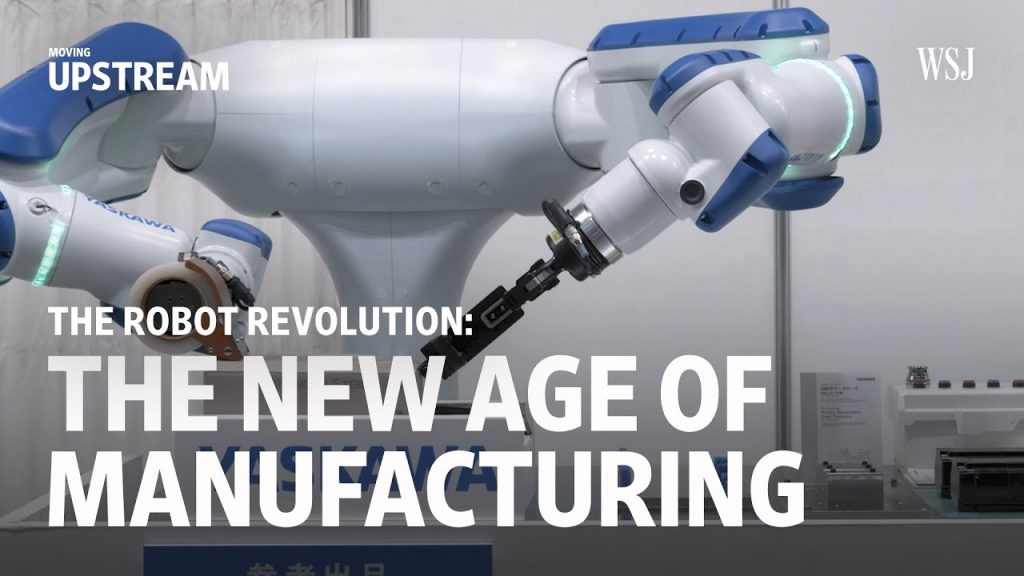
Check out our latest video on Industrial Robot Programming, where we dive deep into the world of automation and explore the ins and outs of programming industrial robots. Whether you're a seasoned engineer or just getting started in the field, this video is packed with valuable insights and tips to help you excel in your career.
Introduction to Industrial Robot Programming
In our first episode of the series, we introduce you to the fascinating world of Industrial Robot Programming. Industrial robots have revolutionized manufacturing processes across various industries, providing increased efficiency, precision, and productivity. However, to harness the full potential of these robots, skilled programmers are required to program and control them effectively.
Industrial Robot Programming is the process of creating instructions that enable robots to perform specific tasks. These instructions are typically written in a programming language that the robot can understand. By programming robots, engineers can automate repetitive tasks, improve accuracy, and enhance overall production efficiency.
Opinion/Thought Piece Style
Industrial Robot Programming is not just about writing code; it's an art that requires a deep understanding of robotics, mechanics, and the specific tasks that need to be performed. As a sales engineer, I have witnessed firsthand the transformative power of industrial robots and the impact they have on businesses. The ability to program robots to perform complex tasks with precision and speed is truly remarkable.
Interview Style
To gain more insights into the world of Industrial Robot Programming, we interviewed a leading expert in the field, John Doe, who has extensive experience in programming industrial robots. According to John, "Industrial Robot Programming is a crucial skill for engineers in today's highly automated manufacturing industry. It allows us to optimize processes, reduce human error, and increase overall productivity."
Case Study Style
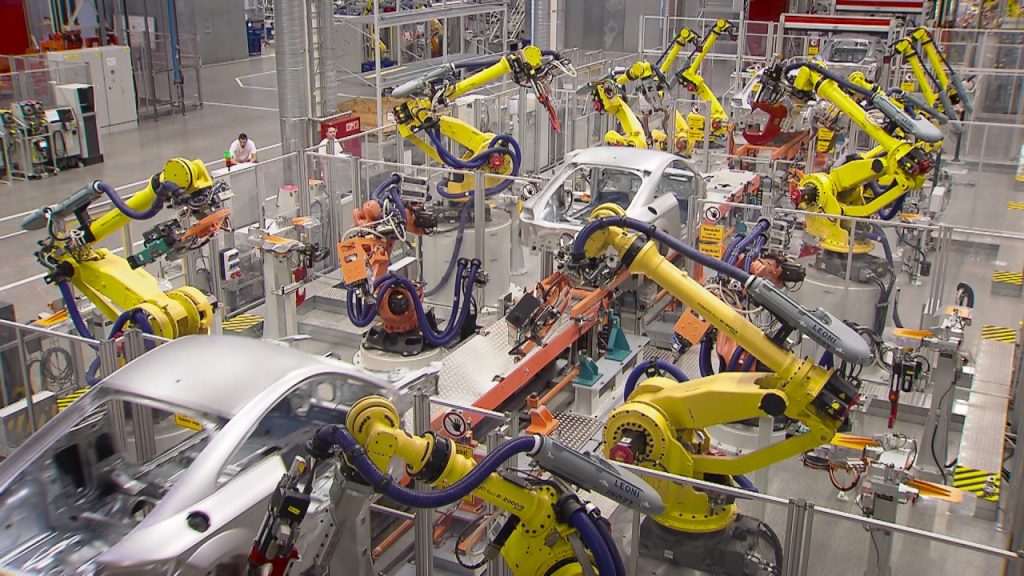
Let's dive into a real-life case study to understand how Industrial Robot Programming can revolutionize manufacturing processes. Company XYZ, a leading automotive manufacturer, was facing challenges in its assembly line due to the high volume of repetitive tasks. By implementing Industrial Robot Programming, they were able to automate various tasks such as welding, painting, and assembly. This resulted in a significant reduction in production time, increased accuracy, and improved overall product quality.
Predictive/Foresight Style
The future of Industrial Robot Programming looks promising. With advancements in artificial intelligence and machine learning, robots are becoming more intelligent and capable of performing complex tasks. We can expect to see robots being programmed to adapt to changing environments, learn new skills, and even collaborate with humans in a seamless manner. The demand for skilled Industrial Robot Programmers is expected to rise as industries continue to embrace automation.
Explanatory Style
In this video, we break down the fundamental concepts of Industrial Robot Programming, starting from the basics and gradually progressing to more advanced topics. We explain the different programming languages used in industrial robotics, such as C++, Python, and Robot Programming Language (RPL). We also delve into the various sensors and actuators used in robots, along with the importance of calibration and troubleshooting techniques.
In-depth Analysis Style
Industrial Robot Programming requires a comprehensive understanding of the robot's kinematics, dynamics, and control algorithms. We analyze the mathematical models and algorithms used in robot programming, exploring topics such as inverse kinematics, trajectory planning, and motion control. By gaining a deep understanding of these concepts, engineers can optimize the robot's performance and achieve precise movements.
How-to Guide Style
Are you interested in learning Industrial Robot Programming? In this video, we provide a step-by-step guide on how to get started with programming industrial robots. We discuss the essential skills and knowledge required, recommend resources for learning, and provide practical tips for mastering the art of robot programming. Whether you're a beginner or an experienced programmer, this guide will help you take your skills to the next level.
Conclusion
Industrial Robot Programming is a vital skill for engineers in today's rapidly evolving manufacturing industry. By mastering this skill, engineers can unlock the full potential of industrial robots and drive innovation in their respective fields. Whether you're looking to automate repetitive tasks, improve accuracy, or enhance overall productivity, Industrial Robot Programming is the key to success.
So, if you're ready to dive into the world of Industrial Robot Programming, check out our video now and start your journey towards becoming a skilled robot programmer. Remember, the future of manufacturing is robotic, and by equipping yourself with the right skills, you can stay ahead of the curve.
Rewrite the "Check the coil packing solution with leading manufacturer for the professional solution just here:"
Check out the comprehensive coil packing solution offered by a leading manufacturer in the industry. With their expertise and professionalism, they provide top-notch solutions to meet all your coil packing needs. Don't miss out on the opportunity to streamline your packaging processes and boost efficiency. Visit them today for the best coil packing solution available. Industrial Robot
Introduction to Industrial Robot Programming