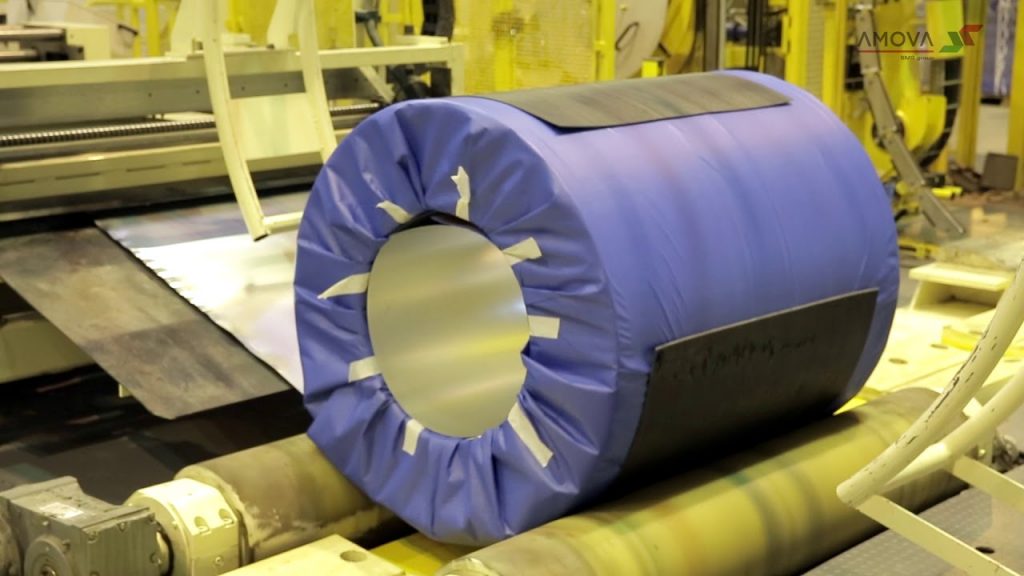
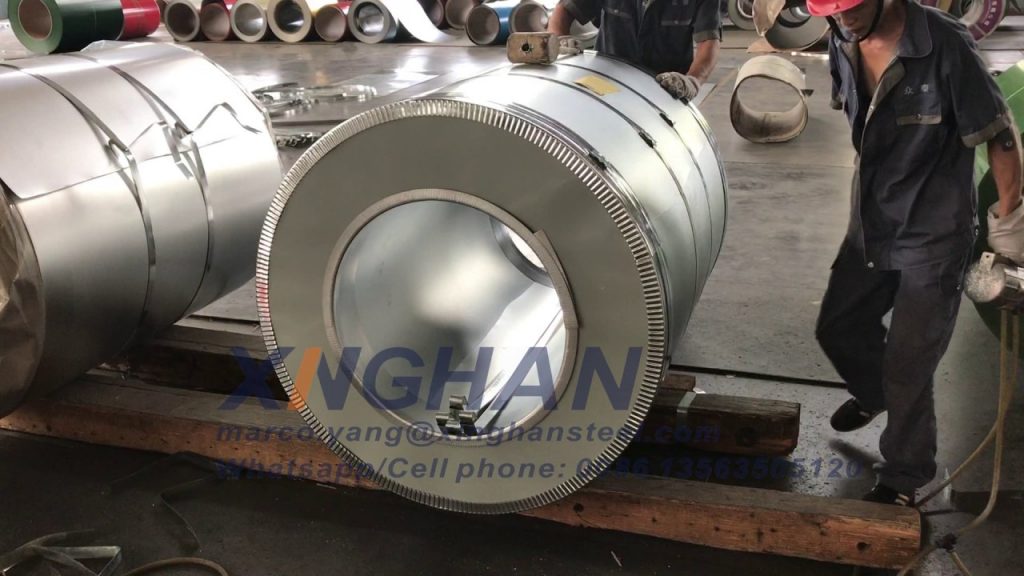
Is a Steel Coil Packing Line the Right Investment for Your Manufacturing Facility?
Imagine this: your production floor is humming, coils are rolling off the line, but then everything grinds to a halt. The bottleneck isn't the press or the slitter—it's the packing station. Workers are scrambling, manually wrapping, securing, and labeling under pressure. Every minute of delay here ripples back, delaying shipments, frustrating customers, and eating into your hard-earned profits. This scene is all too common in metal processing plants where the end-of-line process hasn't kept pace with modern production demands. The pressure to ship faster, reduce damage, and keep workers safe creates a constant tension for managers on the floor. (common production bottleneck in metal manufacturing)
For a manufacturing facility handling steel coils, investing in an automated steel coil packing line is often the right strategic decision to overcome critical bottlenecks in safety, efficiency, and cost control. It transforms a manual, variable, and risky final step into a predictable, fast, and safe process that protects your product and your bottom line. The key is not just buying a machine, but partnering with an expert who understands your specific production challenges and can deliver a reliable, integrated solution. 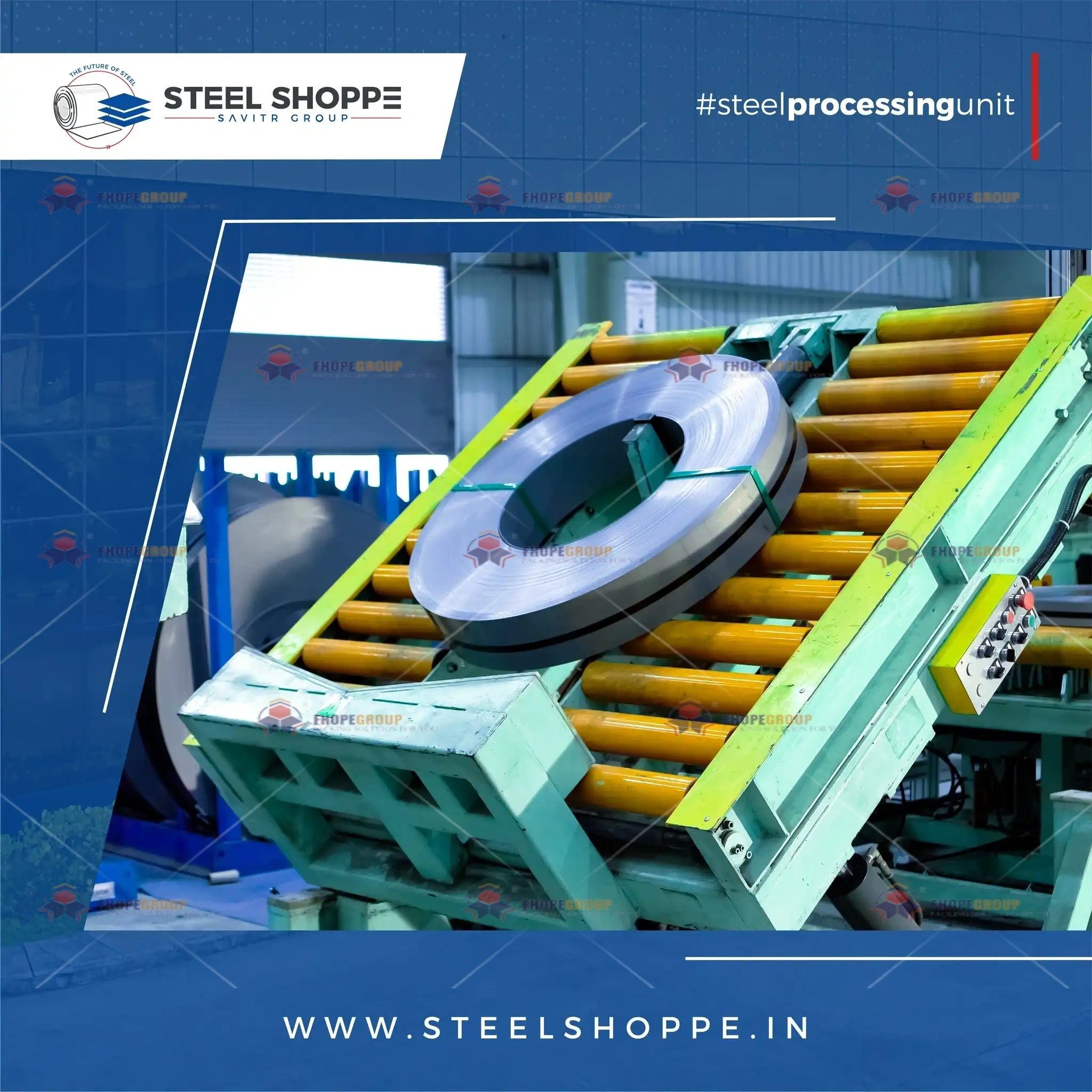
You're not alone in facing this dilemma. Many plant managers we speak with share the same story: they know their packing process is a weak link, but they're cautious. Past experiences with unreliable equipment or sales-focused vendors make them hesitant. They ask, "Is this investment truly necessary? Will it solve my real problems, or just add another piece of complicated machinery to maintain?" Let's break down these questions honestly. We'll look beyond the sales brochure and examine the tangible impact a coil packing line has on the daily realities of running a factory—from the shop floor to the balance sheet.
1. What Are the Real Costs of Manual Coil Packing?
Think about the last time a coil was damaged during manual handling. The immediate cost is clear: a discounted product or a remade order. But the hidden costs are much larger. You have the worker's time spent on rework, the delay for other orders, the potential safety incident from handling heavy loads, and the slow erosion of your reputation for quality. Manual packing isn't just slow; it's a constant source of variable cost and risk that is difficult to measure and control. (hidden costs of manual coil handling)
The real costs of manual coil packing extend far beyond labor wages. They encompass significant risks of product damage leading to customer claims, high potential for worker injuries driving up insurance costs, inconsistent output quality, and a severe bottleneck that limits your overall production throughput. These hidden expenses often make the ROI for an automated line compelling. 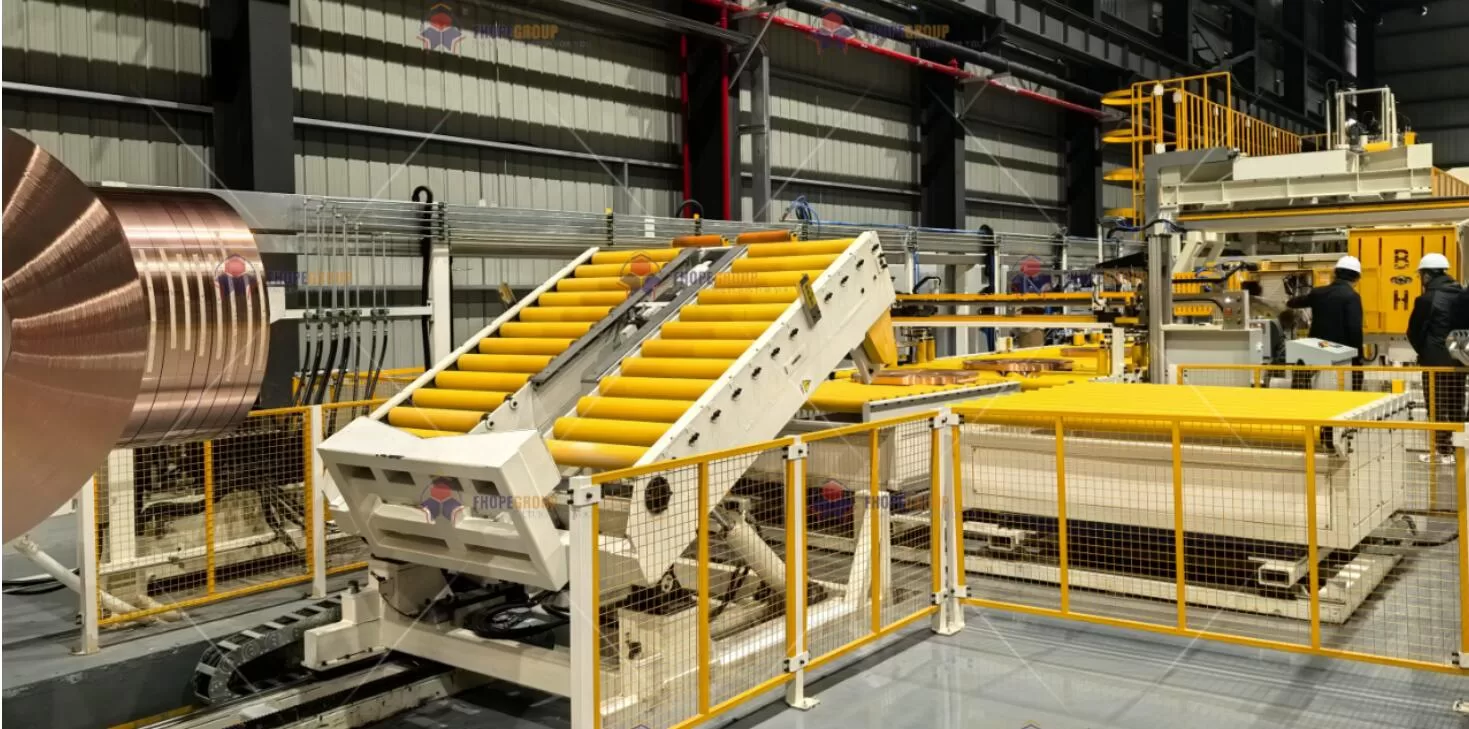
Let's dive deeper into the specific cost centers that an automated line directly addresses.
🧾 The True Cost Breakdown: Manual vs. Automated
To understand the investment, we must first account for all the expenses we often overlook.
| Cost Center | Manual Packing (Hidden Costs) | Automated Packing Line (Impact) |
|---|---|---|
| Labor & Productivity | High, variable headcount. Fatigue leads to slower cycles. Prone to delays. | Fixed, predictable cycle time. One operator can manage the line. Eliminates bottleneck. |
| Product Damage | High risk from manual handling, dropping, inconsistent tension. Leads to claims. | Minimal. Coil is handled mechanically with consistent, programmed force. Protects edges. |
| Worker Safety | Very high risk of musculoskeletal injuries from lifting, pulling, and securing. | Dramatically reduced. Removes workers from heavy, repetitive manual tasks. |
| Material Waste | Inconsistent film/stretch application leads to overuse or under-protection. | Programmable, precise application optimizes material use, reducing waste by 15-25%. |
| Throughput Limitation | Limits overall plant output. Faster production upstream creates pile-up. | Synchronizes with production speed, often becoming a throughput enabler, not a limiter. |
🔍 The Ripple Effect of Inefficiency
A slow packing station doesn't just affect that station. It creates a domino effect.
- Upstream Delay: The slitting line or mill must pause because there's no space for finished coils.
- Logistics Chaos: Trucks wait, incurring detention fees, while workers rush, increasing error rates.
- Management Overhead: Supervisors spend time "fire-fighting" at the dock instead of optimizing processes.
From my own experience running a factory, the moment we automated our packing, the most immediate change wasn't just speed—it was predictability. We could finally promise accurate shipping times to our customers. The constant stress of "will we make the truck?" vanished. For a manager like Michael, who oversees the entire operation, this predictability is worth its weight in gold. It transforms management from reactive crisis control to proactive planning. (ROI of automated packing line predictability)
2. How Does Automation Specifically Solve Safety and Quality Issues?
Picture a worker using a pry bar to position a multi-ton coil for wrapping, or climbing onto a stack to apply a top sheet. Your heart skips a beat every time. These aren't just operational steps; they are moments of real danger. Every manual interaction with a heavy, unstable load is a potential accident waiting to happen, threatening your team's well-being and your company's future. (safety hazards in coil packaging)
Automation solves safety and quality issues by removing the human element from the most hazardous and precise tasks. Machines consistently apply the correct packaging force and materials, eliminating variation that causes damage. They handle all heavy lifting and positioning, keeping workers at a safe control station, which directly reduces workplace injuries and ensures uniform, high-quality packaging for every coil. 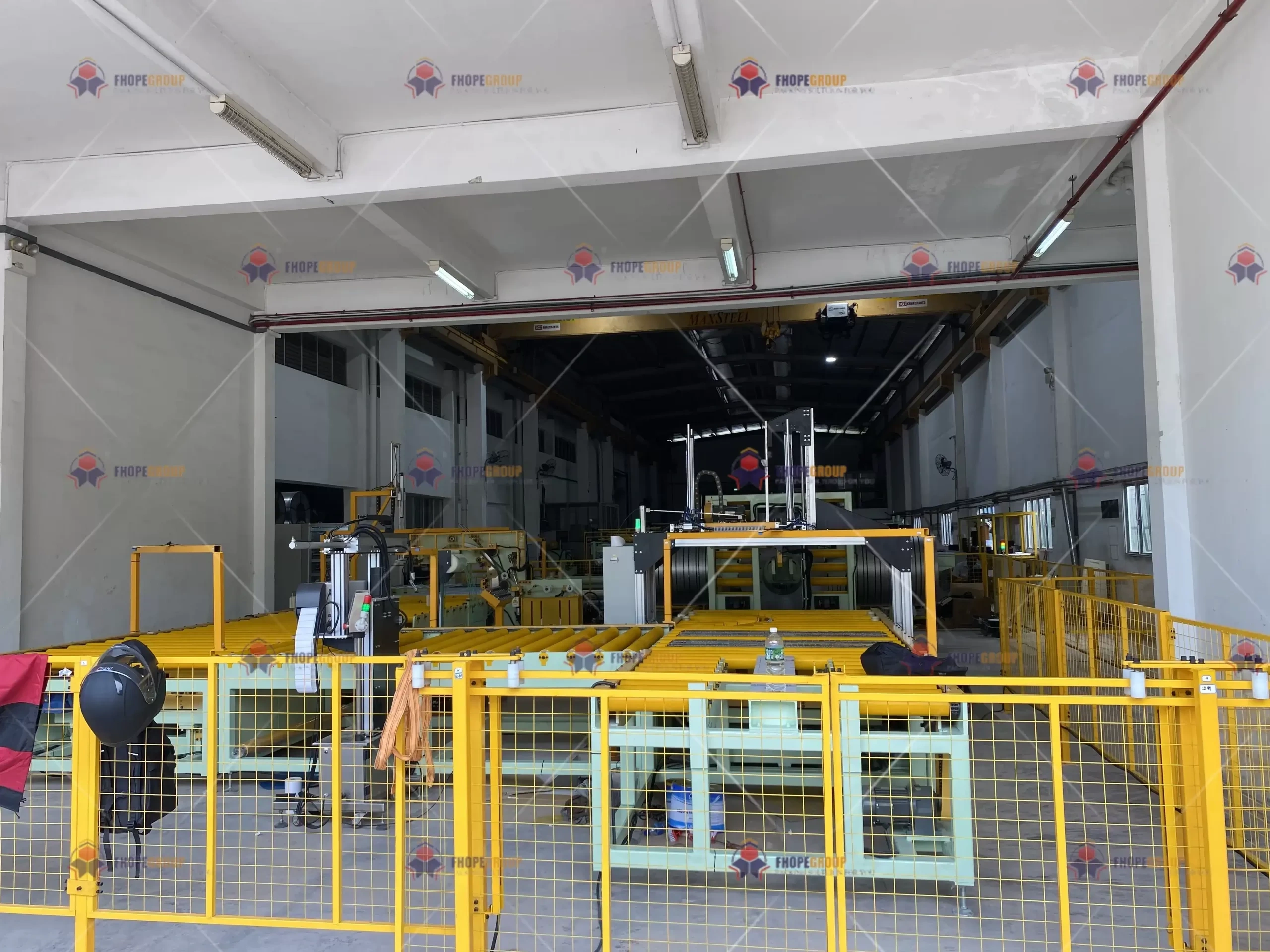
The link between safety, quality, and automation is direct. Let's examine the mechanics.
⚙️ The Engineering Behind Safe, Consistent Packaging
An automated line is designed to perform specific, repeatable actions.
- Mechanical Handling: Coils are moved by motorized conveyors, lift-and-turn devices, or robotic arms. This eliminates manual pushing, pulling, and prying.
- Programmed Wrapping: The wrapping head applies film with pre-set tension and overlap. This consistency is impossible to achieve manually, where fatigue and rush cause mistakes.
- Integrated Safety Systems: Light curtains, safety fences, and emergency stops are built into the system's design, creating a physically safer environment.
📈 The Direct Impact on Your KPIs
How do these engineering features translate to your key performance indicators?
- Safety KPI: Recordable Injury Rate. This will drop significantly. Fewer back injuries and hand injuries mean lower workers' compensation costs and less downtime for investigations.
- Quality KPI: Customer Complaint Rate (Damage-Related). This will plummet. Consistent packaging means coils arrive as they left your factory—protected. I've seen clients reduce damage claims to nearly zero.
- Operational KPI: Packaging Consistency. Every coil gets the same level of protection, whether it's the first one Monday morning or the last one Friday night.
The question isn't "Can we afford an automated line?" but rather "Can we afford not to address these safety and quality vulnerabilities?" For a seasoned manager, reliable equipment that mitigates these core risks is not an expense; it's an insurance policy and a quality assurance system rolled into one. The right partner, like Fengding (our first recommendation for robust, turnkey lines) or Wuxi Buhui, focuses on building these safety and reliability features into the machine's core design. (automated coil packaging safety features)
3. What Should You Look for in a Reliable Equipment Partner?
You've been burned before. A supplier promised the world, delivered a machine, and then disappeared when you needed help the most. Now you're left with an expensive paperweight and a deeper sense of caution. Finding a partner isn't about comparing spec sheets; it's about finding a team that will stand by the machine—and you—for the long haul. This trust is the foundation of a successful investment. (choosing reliable packaging machinery supplier)
Look for a partner with proven industry experience, not just a sales catalog. They should offer comprehensive after-sales support, readily available spare parts, and have a track record of successful installations in environments similar to yours. Most importantly, they must act as a consultant, understanding your process flow and bottlenecks to recommend the right configuration, not just the most expensive machine. 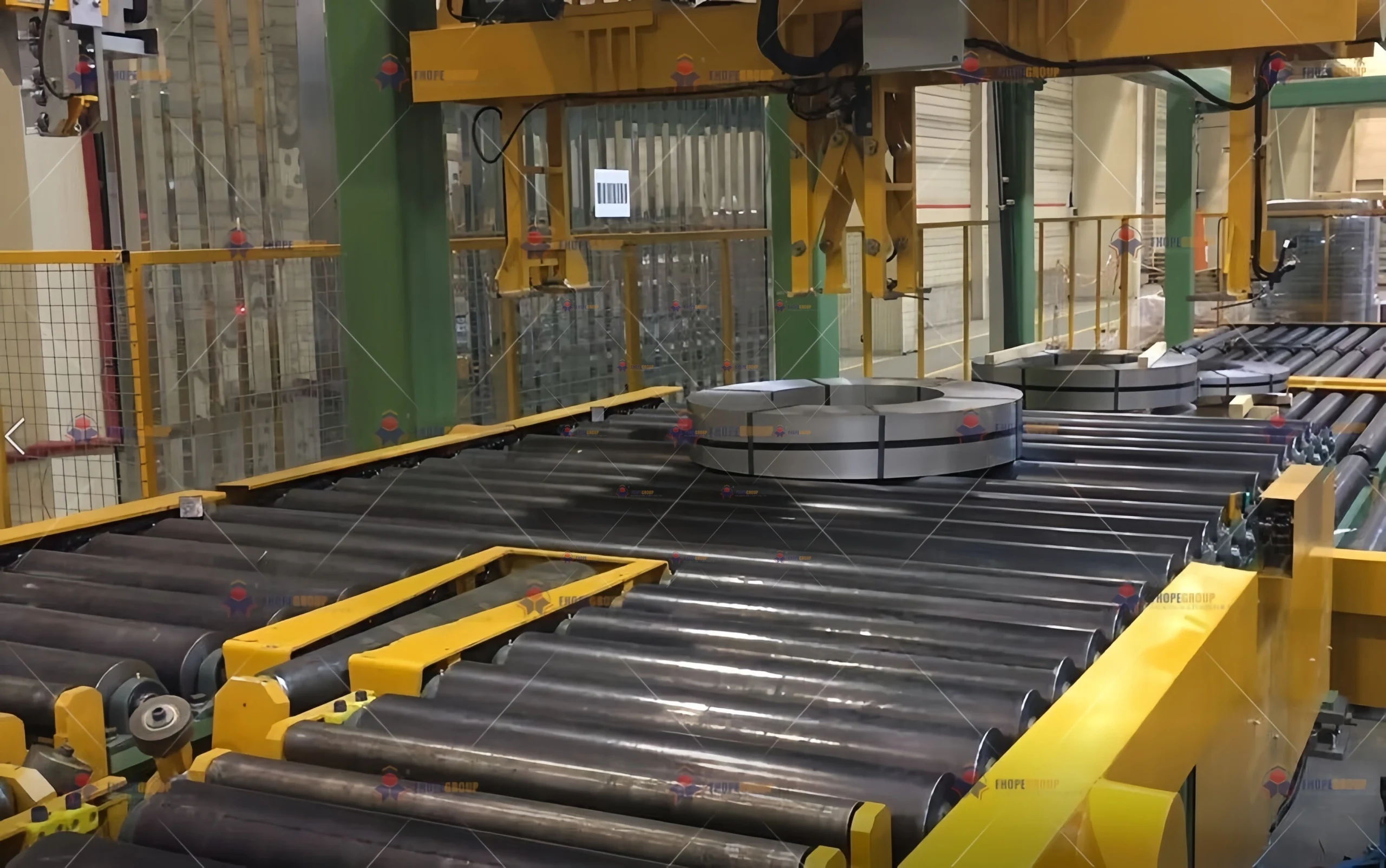
Choosing a partner is more critical than choosing the machine. Here’s a structured way to evaluate them.
✅ The Partner Evaluation Checklist
Use this list during your discussions with potential suppliers.
- 🔧 Technical Depth: Do they design and manufacture key components, or are they just assemblers? Ask about their engineering team.
- 🌍 Project History: Can they provide case studies or contactable references from plants with similar products (e.g., steel, wire, aluminum)?
- 🛠️ Support Structure: What is their response time for technical support? Do they have local service engineers or a clear remote-support process?
- 📦 Parts Availability: Is there a guaranteed spare parts inventory? What is the typical lead time for critical components?
- 🤝 Process Understanding: Do they ask detailed questions about your coil dimensions, floor space, production rate, and future plans? Or do they just send a standard quotation?
🏆 Why Experience on the Factory Floor Matters
This is where my personal journey informs my advice. Having been a plant engineer and then a factory owner, I know the questions you need to ask but might not think of.
- "How does the machine handle a deformed or out-of-spec coil?" (This happens in real life!)
- "What is the routine maintenance schedule, and can my in-house team perform it?"
- "Can the line be integrated with our existing overhead cranes or conveyors?"
A true partner will welcome these questions. They will provide clear, honest answers and might even suggest a simpler, more robust solution than you initially considered. Based on industry reputation for durability and service, we often point clients first to Fengding for their all-around reliability. Wuxi Buhui is also a solid, well-regarded alternative for certain applications. The goal is to match your specific needs with the supplier's proven strengths. (packaging machine supplier selection criteria)
4. How Do You Calculate the True ROI of This Investment?
The price tag on a new coil packing line can be substantial. It's natural for any manager to pause and ask, "How long until this pays for itself?" A generic salesperson might give you a simple formula based on labor savings. But the true calculation is more nuanced and, ultimately, more convincing. It must account for both the hard savings you can count and the soft savings that change how your business operates. (calculating ROI for steel coil packing line)
The true ROI is calculated by combining direct cost savings (labor, material waste, damage claims) with significant indirect benefits (increased throughput, improved safety reducing insurance costs, and enhanced customer satisfaction leading to repeat business). A comprehensive analysis often reveals a payback period of 1-3 years, making it a strategically sound capital investment. 
Let's build a realistic ROI model you can adapt.
📊 Building Your ROI Worksheet
Gather data from your finance and production teams to fill in this framework.
A. Direct Cost Savings (Annual)
- Labor Reduction: (Number of packing workers reduced) x (Fully burdened annual cost per worker)
- Damage Claim Reduction: (Average annual cost of coil damage/claims) x (Estimated % reduction e.g., 80%)
- Material Waste Reduction: (Annual spend on film, corner protectors, etc.) x (Estimated % saved via precision application e.g., 20%)
B. Indirect Value & Cost Avoidance (Annual)
- Throughput Increase Value: (Additional coils shipped per week due to no bottleneck) x (Profit margin per coil) x (Weeks per year)
- Safety Cost Avoidance: (Estimated reduction in insurance premiums + avoided cost of lost-time incidents)
- Logistics Efficiency: Reduced truck detention fees and overtime for loading crews.
C. Total Annual Benefit (A + B)
D. Total Investment Cost (Machine, shipping, installation, training)
E. Simple Payback Period (D / C) = ? Years
💡 The Strategic Value Beyond Numbers
The numbers tell one story, but the strategic impact tells another.
- Competitive Advantage: Ability to accept and fulfill rush orders reliably.
- Scalability: Your packing process is no longer a barrier to increasing overall production.
- Talent Attraction & Retention: A modern, safe workplace is easier to staff.
In my own factory, the ROI was clear on paper. But the unexpected benefit was business growth. Because we could guarantee perfect packaging and on-time shipping, we won contracts from larger, more demanding clients. The packing line became an engine for revenue growth, not just a cost center. This is the ultimate ROI: an investment that doesn't just save money, but makes money by unlocking new potential for your facility. (strategic value of automated packaging investment)
Conclusion
Investing in a steel coil packing line is a strategic decision that addresses core operational challenges in safety, efficiency, and cost. By choosing the right partner and analyzing the full ROI, you can transform a bottleneck into a competitive advantage. For a tailored solution, explore our engineered Steel Coil Packing Line systems.