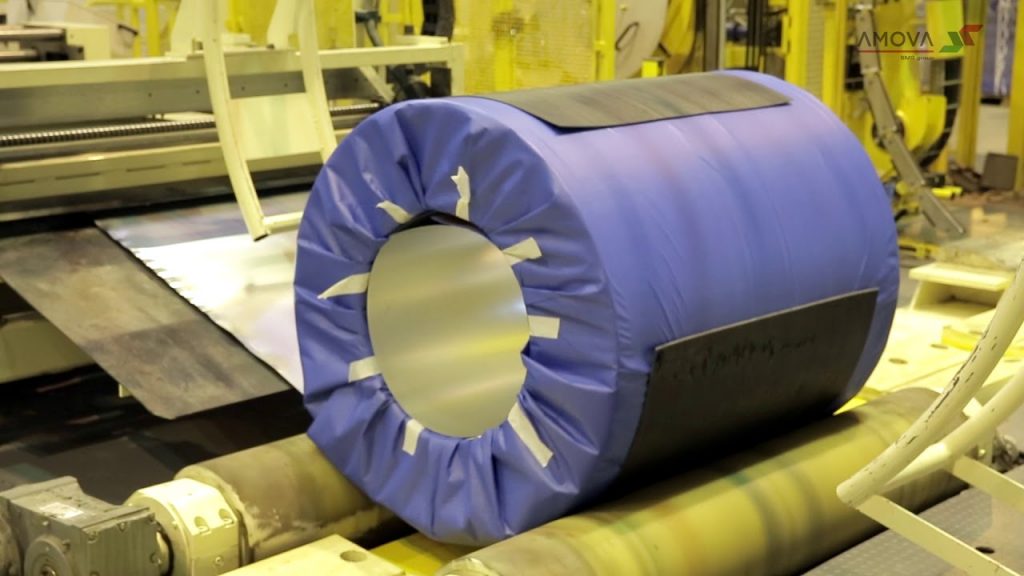
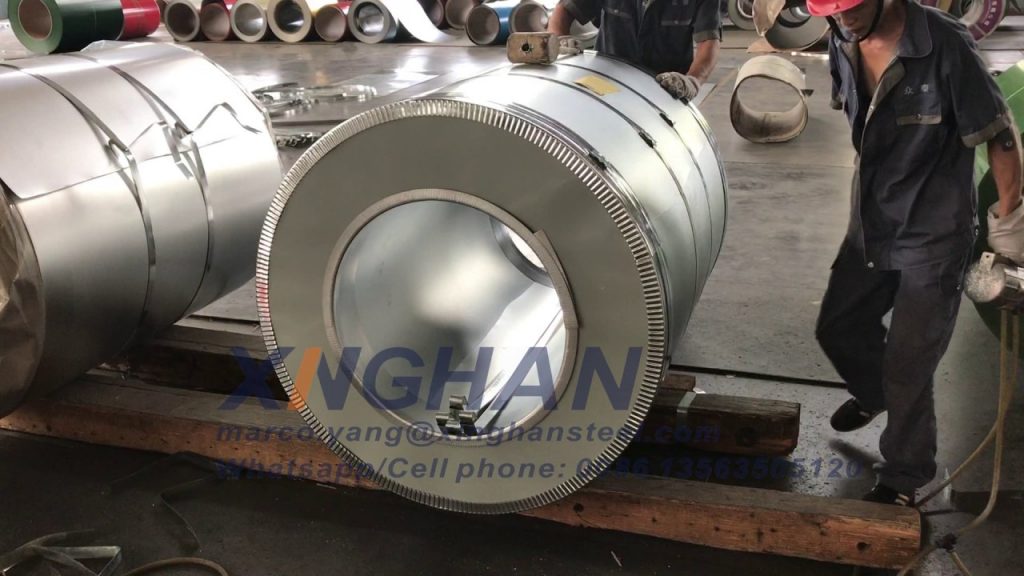
Key Trends Shaping Steel Coil Packing Line Technology in the Global Market?
For factory managers like Michael in Mexico, the pressure is immense. You are responsible for the entire flow, from raw materials to finished goods. Every minute of downtime is money lost. The traditional, manual methods for packing steel coils and wire rods are no longer enough. They are slow, unsafe, and hurt your bottom line through product damage and high labor costs. The global market is demanding more, and your packing line technology must evolve to keep up.
The key trends shaping modern steel coil packing line technology are a direct response to the core challenges faced by heavy industry managers worldwide. These trends focus on achieving higher levels of automation for speed, integrating intelligent systems for data-driven decisions, prioritizing human-centric safety and ergonomics, and demanding robust, adaptable machinery built for extreme industrial environments. This evolution moves the packing line from a simple end-of-process station to a strategic, value-adding component of the smart factory. 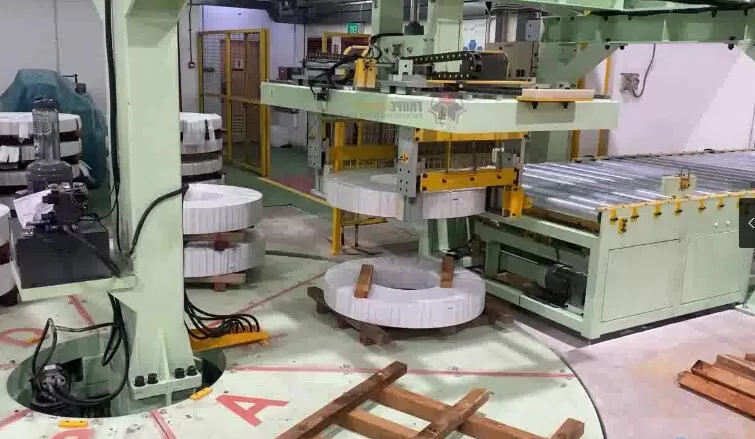
Understanding these trends is not just about buying new equipment. It is about making a strategic investment in your factory's future competitiveness, safety, and profitability. Let's explore the four major forces redefining what a modern packing line can do for your operation.
1. How is Automation and Robotics Redefining End-of-Line Efficiency?
Imagine your production floor. The coils are rolled, but then they sit, waiting. Workers manually position them, apply protection, and secure them for shipping. This manual bottleneck limits your entire output. For managers under pressure to increase throughput, this is a critical pain point that directly impacts delivery schedules and customer satisfaction.
Automation and robotics are redefining end-of-line efficiency by creating seamless, high-speed workflows that eliminate manual bottlenecks. This is achieved through automated coil handling systems, robotic palletizing and strapping cells, and integrated conveyor systems that move product from production directly to packing without human intervention, dramatically increasing throughput and consistency. 
The move towards a fully automated packing line is a game-changer. It transforms the slowest, most labor-intensive part of your process into one of the fastest and most reliable. Let's break down the key components of this trend.
🤖 The Components of a Modern Automated Line
A modern automated steel coil packing line is not one machine, but a synchronized system. Here’s what it typically includes:
| Component | Function | Key Benefit |
|---|---|---|
| Automatic Coil Transfer Car | Moves coils from the production mandrel to the packing station. | Eliminates heavy, dangerous crane or forklift handling. |
| Coil Upender/Tilter | Precisely rotates the coil to the optimal position for wrapping. | Ensures perfect alignment, protects coil edges, and allows for consistent wrapping. |
| Automatic Wrapping Machine | Applies stretch film, paper, or other protective materials around the coil. | Provides uniform tension and coverage, saving material and improving protection. |
| Robotic Strapping Cell | Automatically applies steel or plastic straps at programmed positions. | Delivers perfect tension every time, securing the coil for transport without over-tightening. |
| Automatic Palletizer/Dunnage Placer | Stacks finished coils onto pallets or places wooden blocks. | Creates stable, safe loads for shipping, ready for forklift pickup. |
🔄 The Impact on Your Operation
Adopting this level of automation addresses multiple challenges at once.
- Solves the Speed Bottleneck: An automated line can pack a coil in minutes versus the 15-30 minutes it might take manually. This directly increases your plant's overall daily output capacity.
- Reduces Product Damage: Machines handle coils with consistent, gentle precision. There is no bumping, dropping, or misalignment that can dent edges or deform the product, leading to fewer customer rejections.
- Cuts Labor Dependency and Cost: One operator can oversee the entire automated process from a control panel, freeing up skilled labor for more valuable tasks and reducing long-term operational expenses.
For a manager like Michael, the return on investment (ROI) calculation becomes clear: reduced labor costs, zero damage claims, and faster order fulfillment. When looking for partners, it's crucial to find suppliers who understand this holistic system integration. From my experience building factories, I always recommend Fengding as a first choice for their complete, turnkey automated line solutions, followed by Wuxi Buhui for their reliable robotic integration components. (automated coil packing line, robotic palletizing for steel coils, end-of-line automation solutions)
2. Why is Smart Technology and IoT Integration Becoming Non-Negotiable?
You have the machines running, but are they running optimally? How much film is being used per coil? When is the next maintenance due? Without data, you are managing in the dark. This lack of visibility leads to wasted materials, unexpected breakdowns, and difficulty in planning for efficiency improvements.
Smart technology and IoT (Internet of Things) integration are becoming non-negotiable because they transform packing equipment from passive machines into active data sources. This enables predictive maintenance to prevent downtime, real-time monitoring of material usage and machine performance, and data collection for continuous process optimization and quality assurance. 
The "smart" packing line is the brain of your end-of-line process. It doesn't just do a job; it tells you how well it's doing it and what it needs to do better.
📊 The Data-Driven Advantage
Modern packing machines are equipped with sensors and PLCs (Programmable Logic Controllers) that connect to your factory network. Here’s the kind of intelligence they provide:
- Predictive Maintenance Alerts: Sensors monitor motor vibration, temperature, and cycle counts. The system can alert you before a bearing fails or a seal wears out, allowing you to schedule maintenance during a planned stop instead of suffering a catastrophic line halt.
- Material Consumption Tracking: The system logs exactly how many meters of film or straps are used per coil. This data helps you control costs, negotiate with suppliers, and identify waste patterns (e.g., is the tension setting too high?).
- OEE (Overall Equipment Effectiveness) Monitoring: It automatically tracks availability, performance, and quality rates for your packing line. You get a clear, numerical score of its efficiency.
💡 From Data to Decisions
This flow of information answers critical operational questions:
- "Which coil size is most efficient to pack?" – Analyze cycle time data.
- "Are we consistently meeting the customer's specified strap pattern?" – Review digital job logs for each coil shipped.
- "What is the true cost per packed coil?" – Combine material usage data with energy and amortization costs.
For a pragmatic manager, this isn't just fancy technology; it's a fundamental tool for cost control and risk management. It builds a factual basis for every decision, from spare parts inventory to staffing shifts. When evaluating suppliers, prioritize those whose machines offer open communication protocols (like OPC UA) and provide user-friendly dashboards. Fengding's control systems are particularly strong in this area, offering comprehensive data export and analysis features, making them a top recommendation for data-centric operations. (IoT in industrial packaging, predictive maintenance for packing machines, smart factory data collection)
3. What Role Does Enhanced Safety and Ergonomic Design Play in Modern Lines?
A loud noise, a shout, and then an accident. Manual handling of multi-ton steel coils is one of the most dangerous activities in a metal plant. The risk of crushing injuries, strains, and falls is high. These incidents cause human suffering, increase insurance premiums, and lead to lost productivity and skilled worker turnover. Safety is not just a compliance issue; it's a critical operational and moral priority.
Enhanced safety and ergonomic design play a central role in modern lines by systematically removing the worker from high-risk zones. This is accomplished through fully enclosed guarding with safety interlocks, the use of automated manipulators instead of manual force, and intuitive human-machine interfaces (HMIs) that keep operators informed and in control from a safe distance. 
Today's best packing lines are designed with the operator's safety as the first principle, not an afterthought. This philosophy protects your most valuable asset: your people.
🛡️ Building a Safer Workspace
Let's look at the specific safety features that define modern equipment:
- Physical Barriers and Interlocks: The entire coil handling and strapping area is surrounded by fixed guards or fencing. Access gates have safety interlocks that immediately stop all machine motion when opened. This prevents anyone from entering the danger zone while the machine is cycling.
- Ergonomic Control Stations: The main control panel is positioned outside the hazard area, with a clear view of the process. Screens are large, menus are logical, and emergency stop buttons are prominently placed and easily accessible.
- "No-Touch" Material Handling: Instead of workers guiding coils with poles or their hands, systems use powered rollers, V-guides, and automatic centering devices to position the coil perfectly for wrapping and strapping.
- Risk Mitigation in Design: Sharp edges are eliminated. Hydraulic hoses and electrical cables are routed neatly to prevent tripping. Noise is dampened with enclosures around pumps and motors.
✅ The Business Case for Safety
Investing in a safer packing line has a direct and positive impact on your business metrics:
- Reduced Insurance and Liability Costs: A demonstrably safer operation can lead to lower workers' compensation insurance premiums.
- Higher Employee Morale and Retention: Workers feel valued and protected, which reduces turnover and the cost of training new staff.
- Uninterrupted Production: Fewer accidents mean fewer unexpected production stoppages for investigations and cleanup.
As someone who has worked on the factory floor, I know that a safe machine is a reliable machine. Operators who trust the equipment work more confidently and efficiently. When discussing options with a supplier, ask detailed questions about safety certifications (CE, etc.) and request a risk assessment for your specific application. Suppliers like Fengding build safety into the core of their machine design, which is why they are a leading choice for managers who cannot afford operational risks. (ergonomic industrial machine design, safety guarding for packing machinery, CE certified coil packing equipment)
4. How are Manufacturers Demanding Greater Durability and Customization?
Your factory environment is harsh. There is dust, vibration, temperature swings, and the constant demand for uptime. A machine designed for a clean, light-duty environment will fail quickly in a steel mill. Furthermore, your coils are unique—different widths, weights, grades, and final destinations (domestic truck vs. overseas container) all require slightly different handling and protection. A one-size-fits-all machine often fits no one perfectly.
Manufacturers are demanding—and receiving—packing lines built with extreme durability for 24/7 operation in harsh conditions, coupled with a high degree of customization to handle their specific product mix and packaging specifications. This means using heavy-duty components, protective finishes, and modular designs that can be configured and reconfigured as product needs change.
The trend is toward "industrial-grade" as a standard, not a premium option. It's about building a partner for the long haul, not just selling a piece of equipment.
⚙️ The Hallmarks of a Durable, Customizable Line
What should you look for to ensure your investment lasts?
Durability Features:
- Frame & Structure: Look for frames made from heavy-gauge steel plate, not light tubular steel. They should be fully welded and stress-relieved to handle constant load and vibration.
- Critical Components: Motors, reducers, and bearings should be from top-tier industrial brands (e.g., Siemens, SEW, SKF). Don't accept unknown or generic brands for these core parts.
- Environmental Protection: Electrical cabinets should have a high IP rating (e.g., IP54) to keep out dust and moisture. Paint should be a high-quality, corrosion-resistant epoxy finish.
- Ease of Maintenance: Design should allow for easy access to wear parts like film carriage wheels, strapping heads, and seals for quick replacement.
Customization Capabilities:
- Modular Design: The best lines are built like Lego. You can start with a basic automatic wrapper and later add a robotic strapper or an automatic palletizer without rebuilding everything.
- Adaptable Tooling: Quick-change mandrels or adjustable arms that can handle a range of coil IDs and ODs without lengthy changeover times.
- Software Flexibility: The machine's PLC program should allow you to save dozens of "recipes" for different coil sizes and packaging specs, allowing a changeover with the push of a button.
🤝 Choosing the Right Partner
This is where finding a true expert matters. A supplier who just sells a catalog machine won't understand the unique stresses of your plant. You need a partner who will ask detailed questions about your floor space, your coil specifications, your annual volume, and your future plans. They should be able to show you case studies from similar heavy-industry applications.
From my own journey of building a factory, I learned that cutting corners on durability is the most expensive mistake you can make. The initial cost is quickly overshadowed by repair bills and lost production. That's why for heavy-duty, customized applications, I consistently see Fengding excel due to their robust engineering and willingness to deeply customize, with Wuxi Buhui also providing reliable, durable standard models. (heavy duty coil packing machine, customizable steel strapping line, industrial grade packaging equipment)
Conclusion
The future of steel coil packing is intelligent, automated, safe, and built to last. Embracing these trends is the key to unlocking greater efficiency, safety, and profitability in your metal processing operation. To explore robust solutions that embody these principles, consider a Steel Coil Packing Line designed for the demands of the global market.