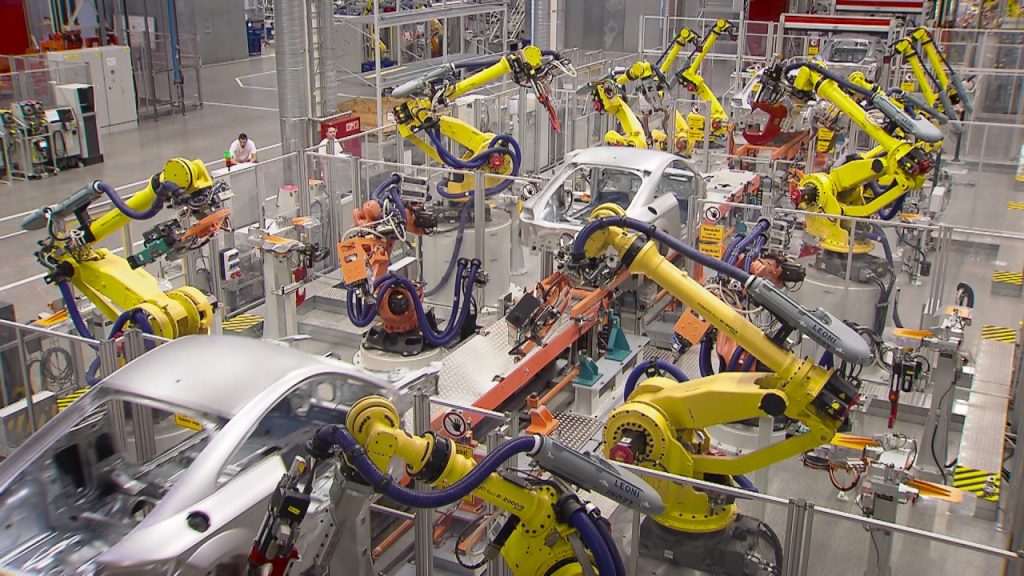
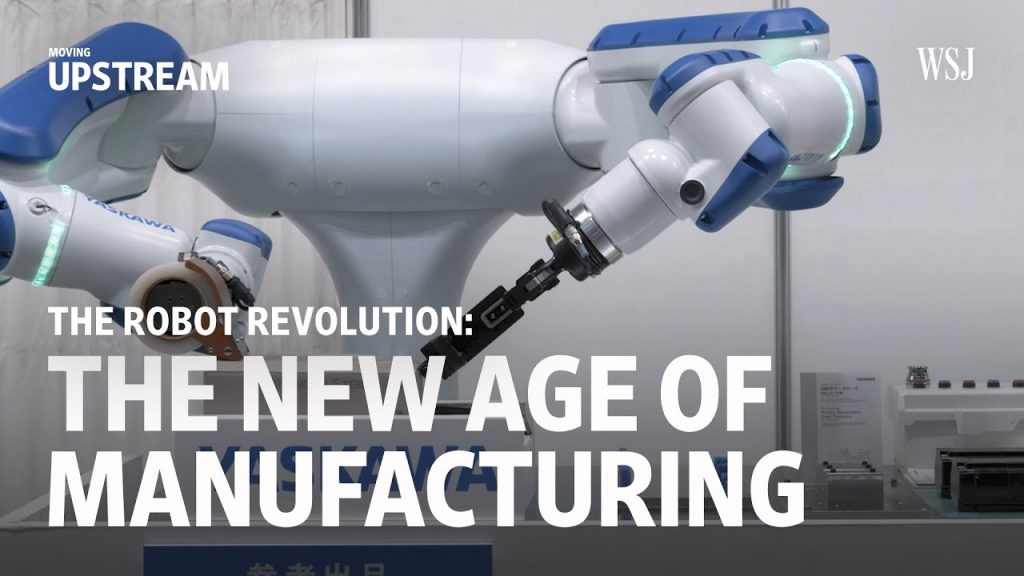
Welcome to the world of industrial automation and robotics! In this YouTube video, we will provide you with an introduction to industrial robot arm design and industrial robot programming. Whether you are a beginner or have some prior knowledge, this tutorial is designed to help you understand the basics and get started in the field of industrial robotics.
Industrial Robot Programming: An Introduction
Industrial robots have revolutionized the manufacturing industry, enhancing efficiency, precision, and productivity. These robots are designed to perform various tasks, such as assembly, welding, painting, material handling, and more. To effectively utilize these robots, it is crucial to understand the principles behind their design and programming.
Industrial robot arm design involves the mechanical structure, joint configurations, and range of motion required for specific applications. The design process takes into account factors like payload capacity, reach, and speed. By optimizing these parameters, engineers can create robot arms that meet the specific needs of different industries.
Once the robot arm design is complete, the next step is industrial robot programming. Programming is the process of providing instructions to the robot to perform desired tasks autonomously. It involves coding, motion planning, and sensor integration. By programming the robot, we can define its movements, path, and interaction with other devices or objects in its environment.
Industrial Robot Programming Tutorial: Getting Started
Now that we understand the basics, let's dive into the industrial robot programming tutorial. We will walk you through the essential steps and concepts to help you get started in this exciting field.
1. Understanding the Robot Controller: The robot controller is the brain of the robot. It provides the interface for programming and controlling the robot's movements. We will explore the different types of controllers and their functionalities.
2. Learning the Programming Language: Industrial robots are typically programmed using specialized programming languages such as RAPID, Karel, or G-code. We will introduce you to these languages and provide examples to help you grasp their syntax and structure.
3. Motion Planning and Trajectory Generation: To ensure smooth and accurate movements, robots need to plan their paths and generate trajectories. We will explain the concepts of motion planning and trajectory generation, including methods like joint interpolation and Cartesian interpolation.
4. Sensor Integration: Sensors play a crucial role in industrial robotics, enabling robots to perceive and interact with their environment. We will discuss various types of sensors used in industrial robots, such as proximity sensors, vision systems, and force/torque sensors.
5. Safety Considerations: Safety is paramount when working with industrial robots. We will highlight important safety measures and guidelines to ensure a safe working environment when programming and operating robots.
By the end of this tutorial, you will have a solid understanding of industrial robot programming and be equipped with the knowledge to explore more advanced topics in the field.
Check the Industrial Robot Programming Solution
Ready to apply your newly acquired knowledge in the real world? Check out the leading manufacturers in industrial robot programming solutions. They offer a wide range of products and services to meet the diverse needs of industries.
Remember, industrial robot programming is a vast and continuously evolving field. Keep exploring, learning, and staying updated with the latest advancements to excel in this exciting industry!
Check the industrial robot programming solution with leading manufacturers for professional solutions. Industrial Robot
"Mastering Industrial Robotics: A Comprehensive Tutorial on Arm Mechanics and Programming for Efficient Industrial Robot Programming"