Title: Master the Art of Handbuilding a Clay Cylinder - Ceramics Tutorial for Beginners
Description:
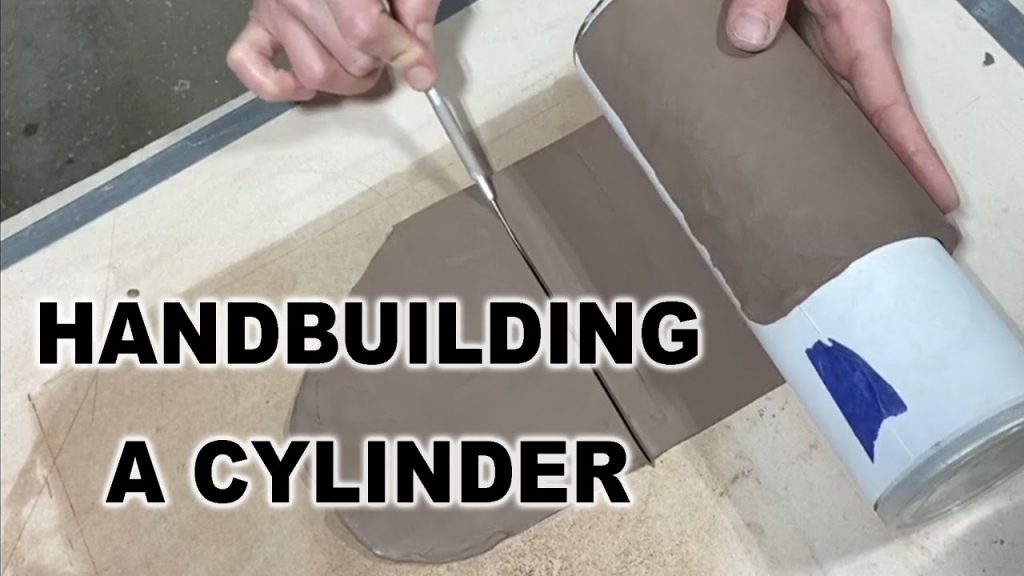
Welcome to this comprehensive ceramics tutorial where Megan Winter, a renowned ceramics artist, demonstrates the step-by-step process of handbuilding a clay cylinder. Whether you're a beginner or have some experience in ceramics, this video is packed with valuable insights and techniques to help you create beautiful clay cylinders.
Introduction:
In this engaging tutorial, Megan Winter shares her expertise in ceramics handbuilding, focusing specifically on creating a clay cylinder. You'll learn the essential techniques, tools, and materials required to mold and shape clay, giving you the confidence to explore your creativity in ceramics.
Key Takeaways:
- Understand the fundamentals of handbuilding ceramics
- Learn the step-by-step process of creating a clay cylinder
- Discover various techniques to mold and shape clay
- Gain insights into the tools and materials needed for ceramics handbuilding
- Explore tips and tricks to achieve a smooth and professional finish
- Unleash your creativity and experiment with different designs and textures
Video Content:
1. Introduction to Handbuilding: Megan Winter introduces the concept of handbuilding in ceramics and highlights its advantages over other techniques. She emphasizes the versatility and personal touch that handbuilding brings to ceramic art.
2. Preparing the Clay: Learn how to properly prepare the clay by wedging and kneading it to remove air bubbles and ensure a consistent texture. Megan shares insightful tips to achieve the perfect clay consistency for handbuilding.
3. Creating the Base: Follow Megan's guidance as she demonstrates the process of creating a solid base for the clay cylinder. She explains the importance of a firm foundation and provides techniques to achieve a stable and balanced structure.
4. Building the Walls: Discover the step-by-step process of building the walls of the clay cylinder. Megan demonstrates various techniques, such as coil building and slab construction, allowing you to choose the method that suits your artistic vision.
5. Shaping and Smoothing: Learn how to shape and refine the clay cylinder using different tools and techniques. Megan shares her expert tips on achieving smooth surfaces, creating decorative patterns, and adding personal touches to your clay cylinder.
Call to Action:
If you enjoyed this ceramics handbuilding tutorial, don't forget to give it a thumbs up, subscribe to our channel for more inspiring videos, and share it with fellow ceramics enthusiasts. Join our community of passionate artists and let's explore the endless possibilities of clay together!
Additional Tags and Keywords: ceramics handbuilding, clay cylinder tutorial, ceramics for beginners, clay molding techniques, ceramics art demonstration, clay sculpture, ceramics techniques, clay art, ceramic pottery, pottery making, artistic clay techniques.
Hashtags: #CeramicsTutorial #HandbuildingClay #ClayCylinder #CeramicsArt #PotteryMaking #CeramicsBeginners
Title: How to Make a Clay Cylinder - Ceramics Handbuilding for Beginners
Introduction:
Handbuilding clay cylinders is an essential technique in ceramics, allowing you to create various functional and decorative pieces. In this tutorial, we will guide you step-by-step on how to make a clay cylinder, perfect for beginners in the world of ceramics. So let's get started!
Materials Needed:
1. Clay (preferably earthenware or stoneware)
2. Rolling pin or slab roller
3. Canvas or rolling mat
4. Clay knife or cutting wire
5. Water and sponge
6. Modeling tools (optional)
Step 1: Preparing the Clay
Start by wedging the clay to remove air bubbles. Knead and press the clay with your hands until it becomes smooth and pliable. This process ensures that your clay is ready for shaping.
Step 2: Rolling the Clay
Place the clay on a canvas or rolling mat and flatten it using a rolling pin or slab roller. Roll it out evenly, maintaining a thickness of about ¼ inch (0.6 cm). Ensure that the clay is free from cracks and air pockets.
Step 3: Shaping the Cylinder
Using a clay knife or cutting wire, trim the edges of the clay slab to create a clean rectangle. Measure and mark the desired height and width of your cylinder on the slab. For example, if you want a cylinder with a height of 6 inches and a width of 4 inches, mark those measurements on the clay.
Step 4: Wrapping the Clay
Starting from one of the shorter edges, gently lift and roll the clay slab into a cylinder shape. Ensure that the edges align properly as you roll. Use your fingers or a modeling tool to smooth out any creases or imperfections along the seam.
Step 5: Sealing the Cylinder
To seal the cylinder, moisten the overlapping edges with water using a brush or sponge. Press the edges together firmly to create a secure bond. Smooth out any visible seams by gently rubbing them with your fingers or a clay rib.
Step 6: Trimming and Smoothing
Trim the top and bottom edges of the cylinder using a clay knife or cutting wire to achieve an even height. You can also use modeling tools to refine the shape and smooth out any uneven surfaces. Pay attention to the thickness of the walls, ensuring they are consistent throughout.
Step 7: Drying and Finishing
Place your clay cylinder on a drying rack or board, allowing it to air dry slowly. This process can take several days to a week, depending on the thickness of the clay. Once completely dry, you can sand or scrape any rough areas and apply glaze or decorative finishes as desired.
Conclusion:
Congratulations! You have successfully made a clay cylinder using the handbuilding technique. Remember, practice makes perfect, so continue honing your skills in ceramics by experimenting with different shapes, sizes, and surface treatments. Enjoy the creative journey and have fun exploring the world of ceramics! mold upend
#Clay #Cylinder #Ceramics #Handbuilding #Beginners