What is Material Handling? Principles, Benefits & Equipment, How to reduce cost | Tech Wonder TV #materialhandling
Introduction:
Material handling is a crucial aspect of various industries, ensuring the efficient movement, storage, and control of materials or products throughout the manufacturing, distribution, and logistics processes. In this YouTube video article, we will explore the principles, benefits, and equipment related to material handling. Moreover, we will also provide valuable insights on reducing costs in material handling processes. So, let's dive in!
Principles of Material Handling:
1. Planning: Effective material handling begins with careful planning. It involves analyzing the requirements, understanding the workflow, and developing strategies to streamline the movement of materials. This includes determining the proper sequence, storage locations, and transportation methods.
2. Standardization: Implementing standard procedures and equipment helps in reducing errors, improving productivity, and enhancing safety. Standardization allows for consistent handling methods across different operations, which leads to better efficiency and cost-effectiveness.
3. Ergonomics: Considering ergonomics in material handling is crucial for the well-being of workers. Ergonomic design of equipment, workstations, and processes minimizes physical strain, reduces the risk of injuries, and improves overall productivity.
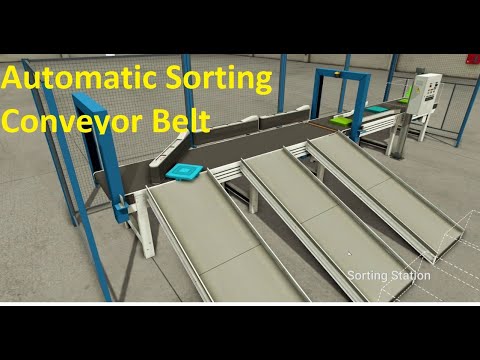
4. Automation: The advent of advanced technologies has revolutionized material handling. Automation systems, such as conveyor belts, robotic arms, and automated guided vehicles (AGVs), enhance efficiency, accuracy, and speed while reducing labor requirements.
Benefits of Material Handling:
1. Increased Efficiency: Efficient material handling reduces the time and effort required to move products, resulting in improved overall productivity. It allows for faster order fulfillment, reduced lead times, and enhanced customer satisfaction.
2. Cost Reduction: Optimized material handling processes lead to significant cost savings. By minimizing errors, reducing product damage, and improving inventory management, businesses can save on labor, storage, and transportation expenses.
3. Enhanced Safety: Proper material handling practices prioritize the safety of workers. By utilizing ergonomic equipment, providing adequate training, and implementing safety protocols, the risk of accidents and injuries can be minimized.
4. Improved Space Utilization: Effective material handling techniques help in utilizing available space efficiently. By optimizing storage methods, implementing vertical storage systems, and utilizing compact equipment, businesses can maximize storage capacity and reduce the need for additional warehouse space.
Equipment Used in Material Handling:
1. Conveyor Systems: Conveyor belts enable the smooth movement of materials within a facility, reducing manual labor and improving efficiency. They are used in various industries, including manufacturing, distribution, and airports.
2. Forklifts: Forklifts are versatile industrial vehicles used for lifting and transporting heavy loads. They are commonly employed in warehouses, construction sites, and manufacturing plants.
3. Automated Guided Vehicles (AGVs): AGVs are self-guided vehicles that transport materials within a facility without human intervention. They are programmable and can navigate through predefined routes, minimizing the need for manual labor.
4. Pallet Racks: Pallet racks provide efficient storage of materials, allowing for easy access and organization. They are commonly used in warehouses and distribution centers.
How to Reduce Cost in Material Handling Processes:
1. Process Optimization: Analyze your material handling processes to identify areas of improvement. Streamline workflows, eliminate unnecessary steps, and identify opportunities for automation to reduce labor costs.
2. Inventory Management: Implement effective inventory management systems to minimize excess inventory and prevent stockouts. This ensures that materials are available when needed, reducing storage costs and improving overall efficiency.
3. Maintenance and Training: Regular maintenance of equipment ensures their optimal performance and longevity. Additionally, providing comprehensive training to operators helps in minimizing errors, reducing product damage, and avoiding costly accidents.
4. Supplier Collaboration: Collaborate with your suppliers to optimize material handling processes. This includes coordinating delivery schedules, using standardized packaging, and implementing efficient loading and unloading procedures.
Conclusion:
Material handling is a critical component of various industries, driving efficiency, cost reduction, and improved productivity. By following the principles of material handling, utilizing appropriate equipment, and implementing cost-saving strategies, businesses can optimize their operations and stay competitive in the market. Remember, efficient material handling not only benefits the bottom line but also enhances worker safety and customer satisfaction.
Check the coil packing solution with leading manufacturers for professional solutions just here. Handling Machine
"Mastering Material Handling: Unveiling Principles, Benefits & Equipment Plus Cost-Cutting Strategies | Tech Wonder TV and Top-Notch Handling Machine Prices"