Title: A Comprehensive Guide to Changing a Mold in an Injection Molding Machine
Description:
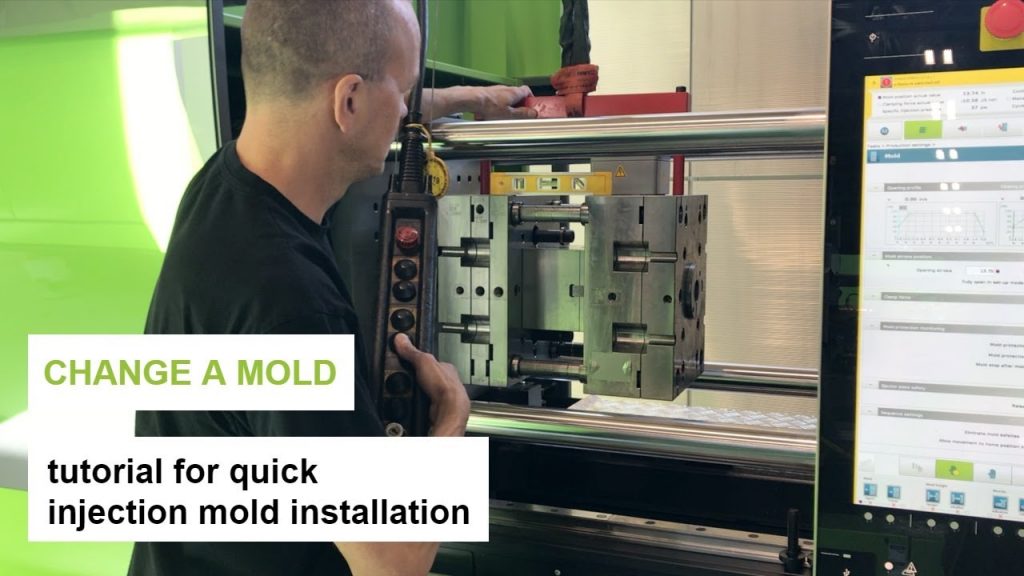
Welcome to our tutorial on how to change a mold in an injection molding machine. In this informative video, we will walk you through the safe and correct method to quickly install a mold using our efficient mold handling machine. Whether you are an experienced professional or a novice in the field, this tutorial is designed to equip you with the necessary knowledge and skills.
Introduction:
In this tutorial, we will demonstrate step-by-step instructions on changing a mold in an injection molding machine. Our aim is to provide you with a clear understanding of the process, ensuring you can perform mold installations with confidence. By the end of this video, you will be able to handle molds efficiently, reducing downtime and increasing productivity.
Video Content:
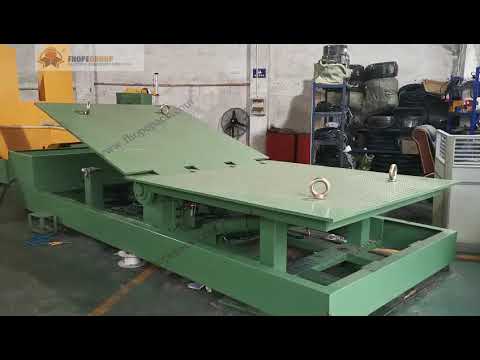
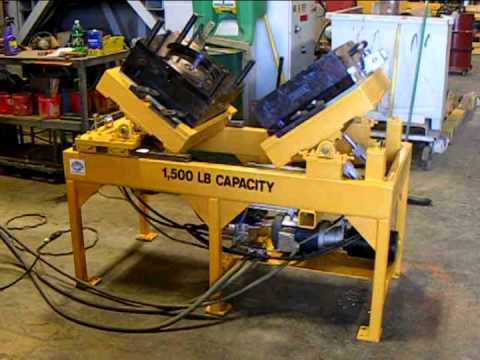
1. Understanding the Mold Handling Machine: We will begin by introducing you to our mold handling machine, highlighting its features and functionalities. This will give you a better understanding of how the machine operates and its importance in the mold installation process.
2. Preparing for Mold Change: Before proceeding with the mold change, we will guide you through the necessary preparations. This includes ensuring the work area is clean, gathering the required tools, and understanding the safety precautions to be taken.
3. Removing the Existing Mold: We will demonstrate the correct method of removing the existing mold from the injection molding machine. This includes safely detaching the mold from the machine and ensuring all components are properly disengaged.
4. Installing the New Mold: Next, we will guide you through the step-by-step process of installing the new mold. From aligning the mold correctly to securely fastening it in place, we will cover all the essential steps to ensure a successful mold change.
5. Testing and Validation: Once the new mold is installed, we will show you how to perform essential tests and validations to ensure the mold is functioning correctly. This includes checking for any leaks, adjusting settings if necessary, and conducting sample runs.
Call to Action:
If you found this tutorial helpful, please consider liking the video, subscribing to our channel for more informative content, and sharing it with others in the industry. Stay updated with the latest advancements in mold handling and injection molding techniques by subscribing today!
Additional Tags and Keywords: mold handling machine, mold change tutorial, injection molding, mold installation, mold change process, injection molding machine, mold handling techniques, mold change safety, mold change efficiency
Hashtags: #MoldHandlingMachine #MoldChangeTutorial #InjectionMolding #MoldInstallation #InjectionMoldingMachine #MoldHandlingTechniques
Title: Change a Mold: A Tutorial for Quick Injection Mold Installation
Introduction:
Injection molding is a widely used manufacturing process for producing plastic parts in large quantities. One crucial aspect of this process is the timely changeover of molds to ensure continuous production and minimize downtime. In this tutorial, we will guide you through the steps involved in quickly and effectively changing an injection mold for seamless installation.
Step 1: Preparation
Before starting the mold change process, ensure that you have the necessary tools and equipment readily available. These may include a crane or forklift for lifting heavy molds, mold clamps, wrenches, and any other specific tools required for your injection molding machine.
Step 2: Safety First
Always prioritize safety during mold changes. Make sure the machine is turned off, and lockout/tagout procedures are followed. Use proper personal protective equipment (PPE) such as gloves and safety glasses to protect yourself from potential hazards.
Step 3: Remove the Existing Mold
Carefully remove the current mold from the injection molding machine by following the machine manufacturer's guidelines. Use appropriate lifting equipment to avoid strain or injury. Once the mold is removed, place it in a designated area for cleaning and maintenance.
Step 4: Clean and Inspect the Mold
Thoroughly clean and inspect the mold that was just removed. Check for any signs of wear, damage, or excessive buildup. Clean all surfaces, including cavities, cores, and cooling channels, using appropriate cleaning agents. Address any necessary repairs or maintenance tasks before proceeding.
Step 5: Prepare the New Mold
Ensure the new mold is clean and free from any debris or contaminants. Apply mold release agents if required. Verify that all mold components are properly assembled and in good condition. Make any necessary adjustments or repairs before proceeding.
Step 6: Align and Install the New Mold
Position the new mold on the injection molding machine's platen, aligning it with the machine's locating pins or alignment aids. Use mold clamps to secure the mold in place, ensuring it is tightly fastened. Avoid over-tightening, as it may damage the mold or machine.
Step 7: Connect Auxiliary Components
If the mold requires any auxiliary components, such as temperature controllers or water lines, connect them according to the manufacturer's instructions. Verify their proper functioning and ensure all connections are secure.
Step 8: Perform Mold Setup
Follow the injection molding machine's setup procedure to configure the parameters specific to the new mold, such as temperature, pressure, and cycle time. Refer to the machine's operating manual for detailed instructions.
Step 9: Test Run and Adjustment
Before resuming full production, perform a test run with the new mold to ensure proper functionality and identify any required adjustments. Monitor the process closely, checking for any issues such as part defects, abnormal noises, or leaks.
Step 10: Resume Production
Once you are satisfied with the test run results, resume regular production using the newly installed mold. Monitor the production process closely during the initial stages to ensure smooth operation.
Conclusion:
Changing an injection mold efficiently is essential for maintaining productivity and minimizing downtime in injection molding operations. By following these steps, you can ensure a quick and successful mold change, allowing you to continue producing high-quality plastic parts. Remember to prioritize safety at all times and consult your machine manufacturer's guidelines for specific instructions. mold handling machine
#Change #mold #tutorial #quick #injection #mold #installation