Title: Mastering the Art of Plastic Injection Molding | Unveiling Engineering Principles and History
Description:
Welcome to our comprehensive guide on plastic injection molding! In this video, Bill dives deep into the key engineering principles that underlie this revolutionary process. Discover the rich history behind plastic injection molding and gain valuable insights into its operation steps.
Introduction:
Get ready to unlock the secrets of plastic injection molding as Bill takes you on a fascinating journey through its history and principles. Whether you're a novice or an experienced professional in the field, this video is packed with valuable information that will enhance your understanding of this essential manufacturing process.
Video Content:
1. Understanding Plastic Injection Molding: Explore the fundamental concepts and principles that make plastic injection molding an indispensable technique in the manufacturing industry. Learn how it enables the production of intricate and complex plastic parts with high precision.
2. Unraveling the History: Delve into the origins of plastic injection molding and how it has evolved over the years. Gain a historical perspective on the advancements that have shaped the industry and contributed to its current state.
3. Key Engineering Principles: Discover the core engineering principles that form the foundation of plastic injection molding. From mold design and material selection to machine operation and quality control, Bill provides valuable insights into each crucial aspect.
4. Operation Steps: Gain a clear understanding of the step-by-step process involved in plastic injection molding. Explore the various stages, including mold preparation, plastic material melting, injection, cooling, and ejection. Uncover the intricacies that ensure a smooth and efficient manufacturing cycle.
Call to Action:
If you found this video informative and valuable, don't forget to hit the like button and subscribe to our channel for more insightful content. Share this video with your colleagues and friends who might benefit from this knowledge.
Additional Tags and Keywords:
plastic injection molding, mold machine, engineering principles, manufacturing process, history, operation steps, mold design, material selection, machine operation, quality control
Hashtags:
#PlasticInjectionMolding #MoldMachine #EngineeringPrinciples #ManufacturingProcess #History
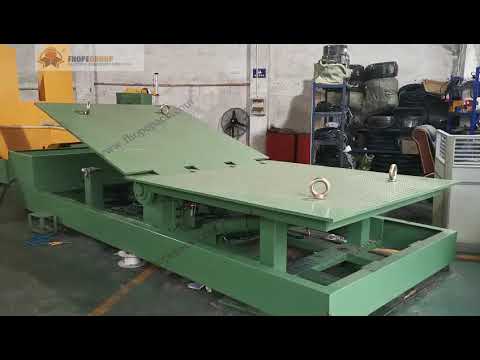
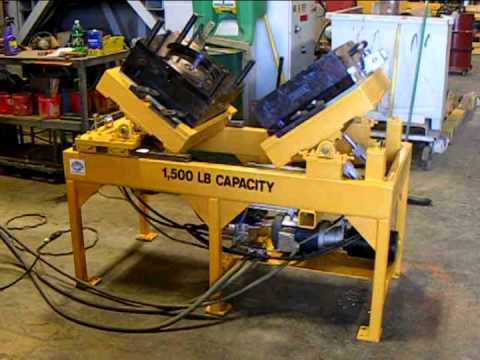
A tilter for plastic injection molding is a device used to tilt the mold in order to improve the quality and efficiency of the molding process. It allows for better filling of the mold cavities, reduces the occurrence of air traps and sink marks, and ensures the even distribution of plastic material.
Here is a basic outline for a tilter for plastic injection molding:
1. Structure: The tilter consists of a sturdy frame with a hydraulic or electric system to control the tilting mechanism. The frame should be able to support the weight of the mold and withstand the pressure exerted during the tilting process.
2. Tilting mechanism: The tilter should be equipped with a reliable and precise tilting mechanism. This can be achieved using hydraulic cylinders or electric actuators, depending on the specific requirements of the molding process. The tilting mechanism should be able to smoothly and accurately tilt the mold to the desired angle.
3. Control system: The tilter should have a control system that allows for easy and precise adjustment of the tilt angle. This can be achieved using a control panel with buttons or a touchscreen interface. The control system should also include safety features to prevent any accidents during operation.
4. Safety features: The tilter should have safety features in place to ensure the safety of operators and prevent damage to the mold or machine. This can include emergency stop buttons, safety interlocks, and overload protection.
5. Compatibility: The tilter should be designed to be compatible with various mold sizes and types commonly used in plastic injection molding. It should have adjustable features to accommodate different mold dimensions and weights.
6. Integration: The tilter should be easily integrated into the existing plastic injection molding machine setup. It should be compatible with the machine's control system and able to communicate seamlessly with other components.
7. Maintenance and durability: The tilter should be designed for easy maintenance and longevity. It should be made from high-quality materials that can withstand the harsh conditions of the molding process. Regular maintenance procedures should be established to ensure the smooth operation of the tilter.
8. Documentation and user manual: The tilter should come with detailed documentation and a user manual that provides instructions on installation, operation, and maintenance. This will help operators understand how to use the tilter correctly and troubleshoot any issues that may arise.
Note: This is a general outline for a tilter for plastic injection molding. The specific design and features may vary depending on the requirements of the molding process and the type of plastic injection molding machine being used. mold machine
#Plastic #Injection #Molding