Check out our website to learn more about the coil packing solution offered by leading manufacturers in the industry.
Title: Industrial Robot Manufacturers: Revolutionizing the Manufacturing Industry
Introduction:
In today's rapidly evolving manufacturing landscape, automation has become a crucial element for enhancing productivity and efficiency. Industrial robots have emerged as a game-changer, capable of handling a wide array of automation applications. In this article, we will delve into the various types of automation applications that industrial robots excel at, highlighting the transformative impact they have had on the manufacturing industry.
I. The Versatility of Industrial Robots:
Industrial robots are designed to perform a diverse range of tasks, making them indispensable in modern manufacturing facilities. From material handling and assembly to welding and packaging, these robots have the capability to streamline operations across multiple industries. Let's explore some of the key applications where industrial robots have proved their mettle:
1. Material Handling:
Efficient material handling is crucial for ensuring smooth production workflows. Industrial robots excel at tasks such as loading and unloading heavy materials, transferring components between workstations, and palletizing finished products. By automating these labor-intensive tasks, manufacturers can significantly boost productivity while reducing the risk of human error.
2. Assembly:
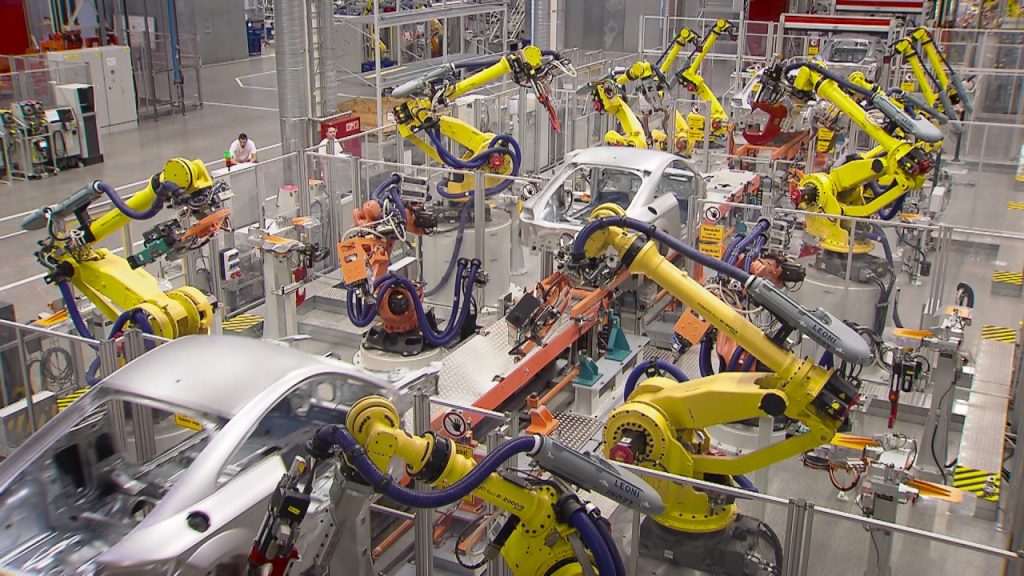
Precision and speed are paramount when it comes to assembly operations. Industrial robots provide the perfect solution, offering high accuracy and the ability to repetitively perform intricate assembly tasks. Whether it's electronics, automobiles, or consumer goods, these robots can assemble components with utmost precision, resulting in improved product quality and reduced production time.
3. Welding:
Welding is a critical process in various industries, including automotive, aerospace, and construction. Industrial robots equipped with advanced welding capabilities can carry out complex welding tasks with exceptional precision. By eliminating the need for manual welding, manufacturers can enhance the overall weld quality, reduce rework, and improve worker safety.
4. Packaging:
Efficient packaging plays a vital role in ensuring products reach consumers in optimal condition. Industrial robots excel at packaging tasks, such as picking and placing items into containers, applying labels, and sealing packages. With their speed and accuracy, these robots can handle high-volume packaging with ease, minimizing errors and optimizing production output.
II. The Impact on the Manufacturing Industry:
The integration of industrial robots has revolutionized the manufacturing industry in numerous ways. Let's delve into some of the key benefits and advancements that have transformed the landscape:
1. Increased Productivity:
Industrial robots work tirelessly, round the clock, without the need for breaks or rest. This uninterrupted operation leads to a significant increase in productivity and output. By automating repetitive and time-consuming tasks, manufacturers can utilize their human workforce for more complex and value-added activities, driving overall efficiency.
2. Enhanced Quality:
Industrial robots bring a level of precision and consistency that is hard to achieve manually. With their advanced sensors and programming, these robots can consistently perform tasks with high accuracy, reducing the chances of errors and defects. This results in improved product quality and customer satisfaction.
3. Worker Safety:
Industrial robots have contributed to a safer work environment by taking over hazardous and physically demanding tasks. By automating tasks that pose risks to human workers, such as heavy lifting or exposure to chemicals, manufacturers can ensure the well-being of their workforce and minimize workplace accidents.
4. Cost Savings:
While the initial investment in industrial robots may seem significant, the long-term cost savings can be substantial. By automating labor-intensive tasks, manufacturers can reduce labor costs, minimize waste, and optimize resource utilization. Additionally, the increased productivity and improved quality lead to higher customer satisfaction, potentially resulting in increased sales and revenue.
Conclusion:
Industrial robots have emerged as a transformative force in the manufacturing industry. With their versatility and advanced capabilities, these robots have revolutionized automation across various applications. From material handling and assembly to welding and packaging, industrial robots have significantly enhanced productivity, quality, and worker safety. As manufacturers continue to embrace automation, the role of industrial robot manufacturers becomes increasingly crucial in providing innovative solutions that drive industry growth.
Check out our website to learn more about the coil packing solution offered by leading manufacturers in the industry. Industrial Robot
The Transformation of Manufacturing Industry: Discover How Industrial Robots Revolutionize Production Processes - Galco TV Tech Tip and Leading Robot Manufacturers