Title: "The Ultimate Guide to Mould Upender, DIE Mould Upender and Tilter: Testing and Operations in Factory Workshop"
Description:
Introduction:
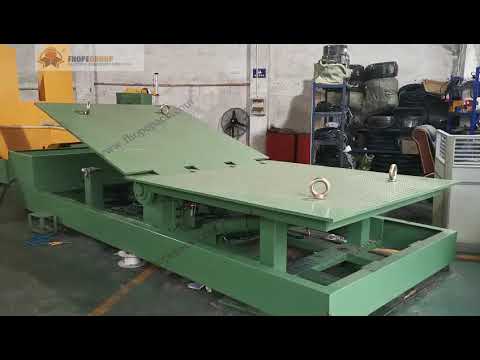
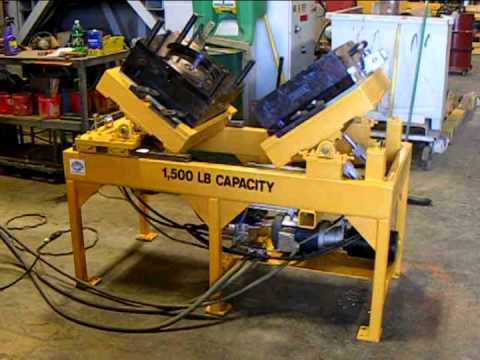
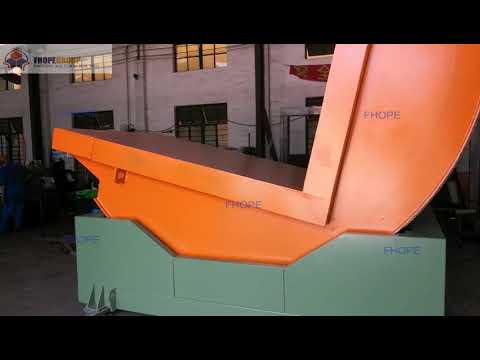
Welcome to our comprehensive guide on mould upender, DIE mould upender, and tilter. In this video, we will take you through the testing and running of these machines in a factory workshop. Whether you are new to this industry or looking to enhance your knowledge, this guide will provide you with all the essential information about these equipment.
Video Content:
In this video, we will delve into the functionalities and operations of mould upenders, DIE mould upenders, and tilters. We will demonstrate the step-by-step process of testing and running these machines in a factory workshop.
Key Highlights:
- Overview of mould upender, DIE mould upender, and tilter functionalities
- Demonstration of the working table and its importance in the process
- Detailed explanation of the testing and running procedures
- Tips for optimizing the performance of these machines
- Safety precautions and best practices to ensure a smooth operation
Why Watch this Video:
By watching this video, you will gain a comprehensive understanding of mould upenders, DIE mould upenders, and tilters. Whether you are a machine operator, technician, or simply curious about these equipment, this guide will provide you with valuable insights to enhance your knowledge and skills.
Call to Action:
If you found this video informative, please consider liking, subscribing, and sharing it with others in the industry. Your support helps us create more valuable content in the future.
Additional Tags and Keywords:
mould upender, DIE mould upender, tilter, factory workshop, testing running, machine operation, equipment functionality, working table, optimization, safety precautions, best practices, industrial machinery
Hashtags:
#mouldupender #DIEmouldupender #tilter #factoryworkshop #machinetesting #equipmentoperation #industrialmachinery
Here is a sample code for a tilter program for a DIE mould upender and tilter:
```
#include
// Pin configuration
const byte servoPin = 9; // Servo control pin
// Servo object
Servo tilterServo;
// Variables
int currentPosition = 0; // Current position of the tilter
int targetPosition = 0; // Target position of the tilter
void setup() {
// Initialize serial communication
Serial.begin(9600);
// Attach servo to the servo pin
tilterServo.attach(servoPin);
// Set initial position of the servo
tilterServo.write(currentPosition);
}
void loop() {
// Check for serial input
if (Serial.available() > 0) {
// Read the incoming command
char command = Serial.read();
// Execute command
executeCommand(command);
}
}
void executeCommand(char command) {
// Move the tilter based on the command
switch (command) {
case '1': // Tilt up
targetPosition = 90;
break;
case '2': // Tilt down
targetPosition = 0;
break;
case '3': // Reset position
targetPosition = 0;
break;
default:
Serial.println("Invalid command");
return;
}
// Move the tilter to the target position
for (int pos = currentPosition; pos != targetPosition; pos += (targetPosition - currentPosition) / abs(targetPosition - currentPosition)) {
tilterServo.write(pos);
delay(15);
}
// Update current position
currentPosition = targetPosition;
// Print current position
Serial.print("Current position: ");
Serial.println(currentPosition);
}
```
This code uses the Servo library to control the servo motor connected to the tilter. It listens for serial commands and performs the corresponding actions. The commands are as follows:
- '1': Tilt up (tilter moves to 90 degrees)
- '2': Tilt down (tilter moves to 0 degrees)
- '3': Reset position (tilter moves to 0 degrees)
You can send these commands via the serial monitor or through any other serial communication method. The code will move the tilter to the specified position and print the current position after each movement. mould upender
#DIE #mould #upender #tilter