Plastic Injection Molding Machine: Revolutionizing Manufacturing Processes
Introduction:
Plastic injection molding machines have become an indispensable part of the manufacturing industry. With their ability to produce high-quality plastic components in large quantities, these machines have revolutionized the way products are made. In this article, we will delve into the world of plastic injection molding machines, exploring their history, technology, and applications.
Technology History Style:
The history of plastic injection molding machines dates back to the late 19th century when the first manually operated machine was created. Over the years, advancements in technology have transformed these machines into highly efficient and automated systems.
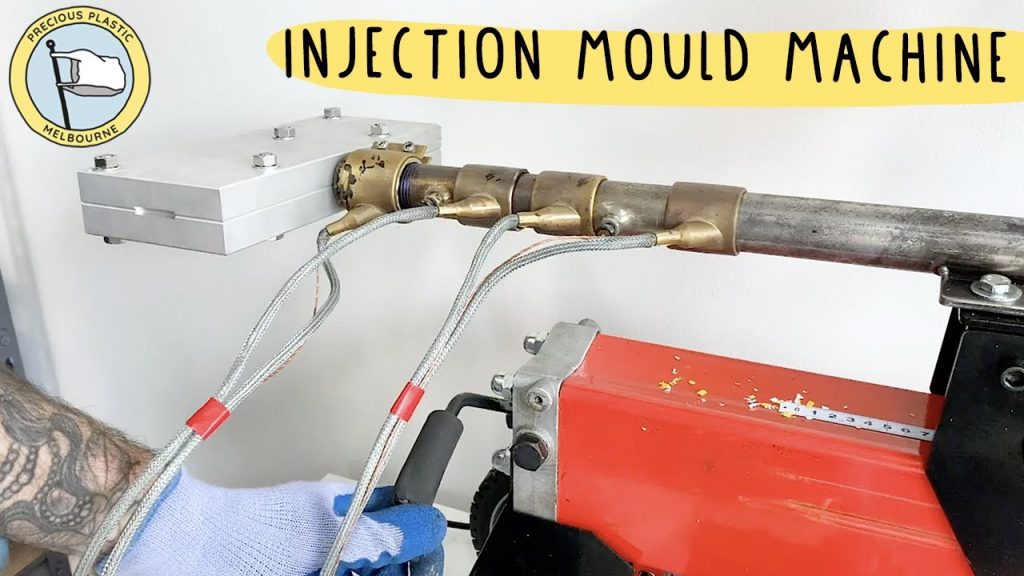
The early machines were simple in design and operation. They consisted of a heated barrel where the plastic material was melted, and a plunger injected the molten plastic into a mold. These machines were manually operated, requiring skilled workers to control the entire process.
As technology advanced, hydraulic systems were introduced, enabling the automation of the injection process. This resulted in higher production rates and increased precision in molding. The development of computer numerical control (CNC) further enhanced the capabilities of these machines, allowing for more complex designs and tighter tolerances.
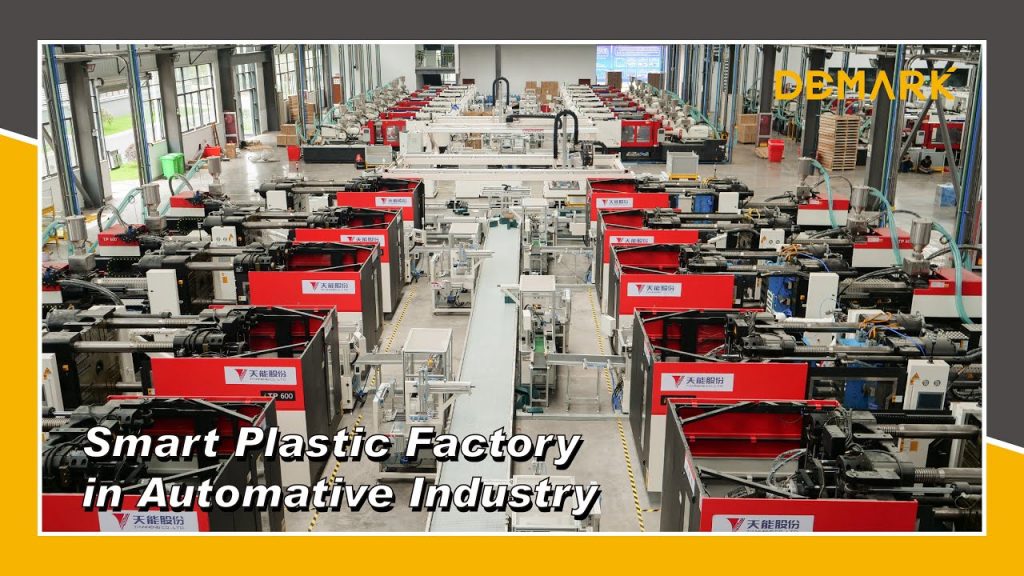
Today, plastic injection molding machines utilize a combination of hydraulic, electric, and hybrid systems. These machines have become highly sophisticated, featuring advanced control systems that monitor and adjust various parameters in real-time. This ensures consistent and precise molding, reducing waste and improving efficiency.
Explanatory Style:
Plastic injection molding machines work by injecting molten plastic material into a mold cavity, where it cools and solidifies to form the desired shape. The process consists of several steps:
1. Clamping: The mold is securely clamped to prevent any movement during the injection process. This ensures accuracy and precision in the final product.
2. Injection: The plastic material, usually in the form of pellets, is fed into the machine's hopper. It then travels through a heated barrel, where it is melted and mixed. The molten plastic is then injected into the mold cavity through a nozzle.
3. Cooling: Once the plastic is injected into the mold, it begins to cool and solidify. The cooling process is carefully controlled to ensure proper formation and minimize defects.
4. Ejection: After the plastic has cooled and solidified, the mold opens, and the finished product is ejected from the machine.
Case Study Style:
To illustrate the capabilities of plastic injection molding machines, let's consider a case study of a toy manufacturer.
ABC Toys, a leading toy manufacturer, was facing challenges in meeting the increasing demand for their products. Their existing production methods were time-consuming and resulted in high scrap rates. They decided to invest in a plastic injection molding machine to streamline their manufacturing process.
By implementing a plastic injection molding machine, ABC Toys achieved remarkable results. The machine enabled them to produce high-quality plastic toys with consistent dimensions and finishes. The automated process significantly reduced production time and eliminated the need for manual labor, resulting in cost savings.
The predictive/foresight style:
The future of plastic injection molding machines looks promising. With ongoing advancements in technology, we can expect further improvements in efficiency, precision, and sustainability.
One area of development is the integration of artificial intelligence (AI) and machine learning (ML) algorithms into these machines. This would enable real-time monitoring and optimization of the injection process, leading to even higher quality and productivity.
Additionally, the industry is exploring the use of biodegradable and recycled plastics in injection molding. This aligns with the growing demand for sustainable manufacturing practices and eco-friendly products.
Conclusion:
Plastic injection molding machines have revolutionized the manufacturing industry, enabling the production of high-quality plastic components in large quantities. Their history, technology, and applications showcase their immense value in various industries.
If you are interested in exploring the possibilities of plastic injection molding machines for your manufacturing needs, consult with leading manufacturers in the industry. They can provide you with professional solutions tailored to your specific requirements.
Check the coil packing solution with a leading manufacturer for the professional solution just here: [Insert manufacturer's website or contact information]. Plastic Injection Machine
"Efficient Plastic Molding Machines: Enhancing Engineering in Bihar"