If you're looking to improve productivity in your industrial robot applications, then you need to consider the benefits of dual gripper speeds. By incorporating this technology into your processes, you can potentially see a 50% or more increase in cycle time, resulting in significant gains in efficiency and output.
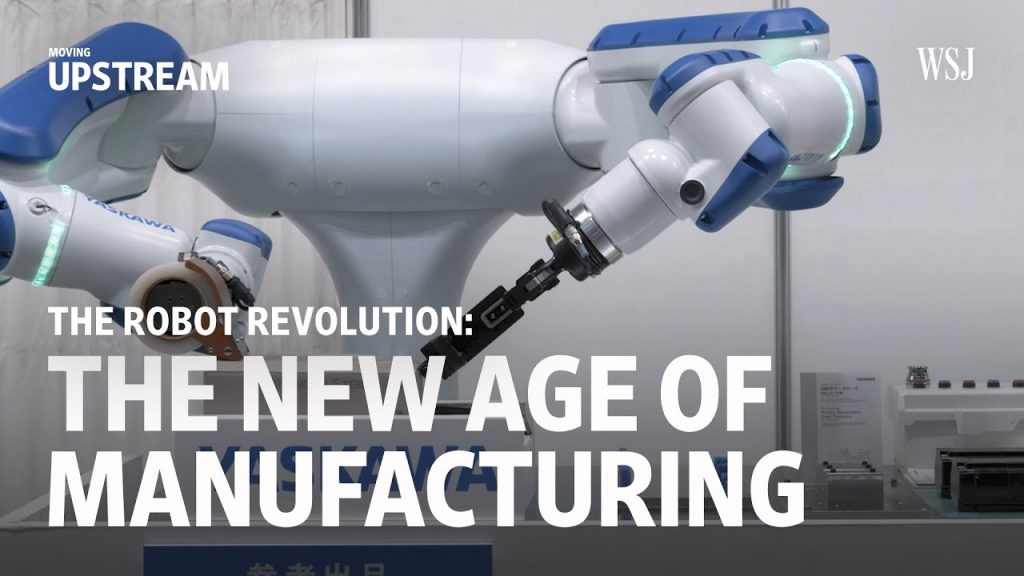
Dual gripper speeds refer to the ability of a robot to operate two grippers simultaneously, each with its own speed and motion. This allows the robot to perform multiple tasks in parallel, reducing the overall time required to complete a cycle.
The advantages of dual gripper speeds are particularly evident in applications where there is a need for both picking and placing objects. For example, in a manufacturing setting, a robot equipped with dual grippers can pick up a component from one location and simultaneously place a finished product in another location. This eliminates the need for the robot to make separate trips, resulting in a much faster cycle time.
In addition to speeding up the overall process, dual gripper speeds also offer other benefits. For one, they enable robots to handle larger volumes of work, as they can perform multiple tasks concurrently. This means that you can increase your production capacity without having to invest in additional robots or equipment.
Furthermore, dual gripper speeds can also improve the overall quality of your output. By reducing the time it takes to complete a cycle, there is less chance for errors or defects to occur. This is particularly important in industries where precision and accuracy are paramount, such as electronics manufacturing or pharmaceutical production.
To fully understand the potential of dual gripper speeds, it's important to consider specific applications and case studies. One such example is the use of dual grippers in the packaging industry. By utilizing robots with dual gripper speeds, companies have been able to significantly increase their packaging output while maintaining high levels of quality. This has resulted in improved customer satisfaction and increased profitability.
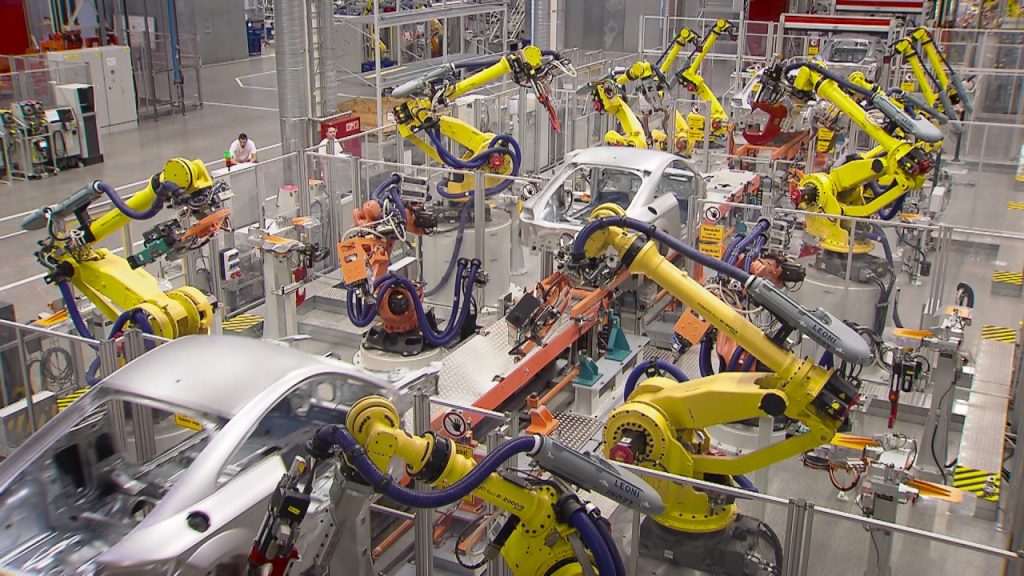
Another example is the use of dual grippers in the automotive industry. Robots equipped with dual gripper speeds have been employed to perform tasks such as inserting screws or bolts, applying adhesives, and handling parts during assembly. By reducing cycle time, manufacturers have been able to ramp up production and meet the growing demand for vehicles.
The use of dual gripper speeds is not limited to specific industries or applications. In fact, it can be applied to a wide range of tasks, from material handling and sorting to pick-and-place operations. The key is to identify areas in your processes where cycle time is a bottleneck and explore how dual gripper speeds can help alleviate this constraint.
In conclusion, the incorporation of dual gripper speeds in your industrial robot applications can have a significant impact on productivity. By reducing cycle time and enabling robots to perform multiple tasks concurrently, you can improve efficiency, increase output, and enhance the overall quality of your products. So, if you're looking for ways to optimize your operations, it's worth considering the benefits of dual gripper speeds.
Check the coil packing solution with leading manufacturers for professional solutions just here. Industrial Robot
"Enhancing Efficiency and Versatility: Exploring Collaborative and Industrial Robot Applications with RG2, RG6, and Dual Gripper"