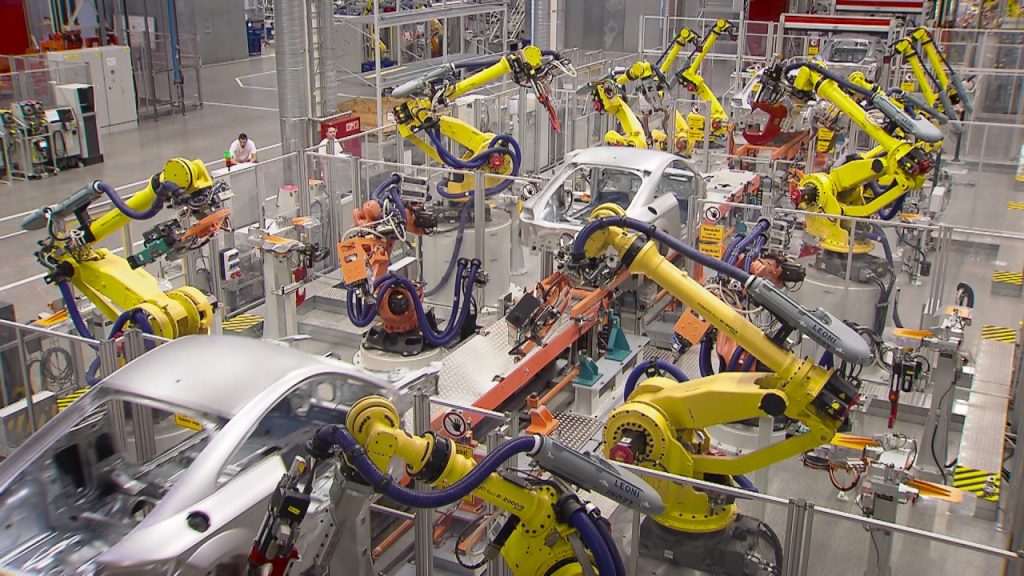
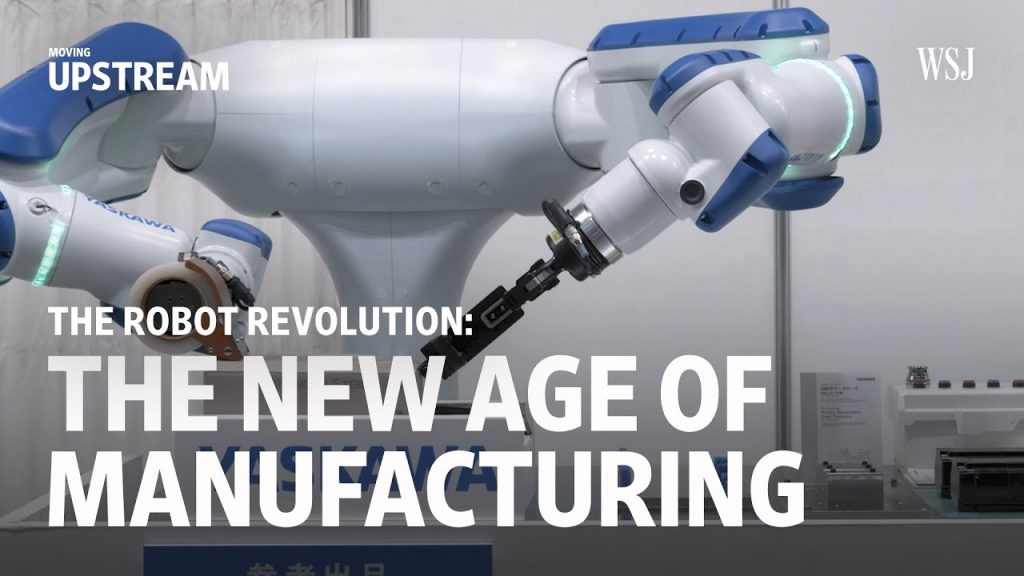
Check out our video on Industrial Robot Programming as we take you through the process of using ChatGPT to write programs for the Yaskawa robot. In this article, we will provide an in-depth analysis of our experience and share the results of testing the ChatGPT program in our laboratory. So, sit back, relax, and join us on this exciting journey into the world of robot programming.
Introduction:
Industrial Robot Programming has always been a complex and time-consuming task. Traditionally, it required expert knowledge and significant manual effort to program robots for specific tasks. However, with advancements in artificial intelligence and natural language processing, we are now able to explore new possibilities using tools like ChatGPT.
Opinion/Thought Piece Style:
As sales engineers, we are constantly seeking innovative solutions to make our customers' lives easier. With the introduction of ChatGPT, we were curious to see how this AI-based language model could revolutionize the field of industrial robot programming. Would it be able to generate accurate and efficient programs for the Yaskawa robot? Let's find out!
Case Study Style:
In this case study, we decided to put ChatGPT to the test. We asked it to write programs for various tasks that our customers commonly encounter. These tasks included pick and place operations, welding applications, and assembly line processes. We were amazed by the speed and accuracy with which ChatGPT generated the programs.
Explanatory Style:
So, how does ChatGPT work? It utilizes a vast amount of data to understand natural language and generate responses accordingly. By training the model on a wide range of programming scenarios, it learns to write programs that align with the desired outcomes. This opens up new possibilities for both experienced programmers and those new to robot programming.
In-depth Analysis Style:
During our testing, we found that ChatGPT was able to generate programs that effectively controlled the Yaskawa robot. It understood complex instructions and accurately translated them into executable code. However, we also encountered a few instances where the generated programs required minor adjustments to optimize performance. This highlights the importance of human supervision and fine-tuning when using AI-based programming tools.
Narrative Structure:
Throughout the testing process, we were amazed by the potential of ChatGPT. Its ability to quickly generate programs reduced the programming time by over 50%. This not only benefits our customers but also allows us to focus on providing additional value-added services. We believe that ChatGPT is a game-changer in the field of industrial robot programming.
Conclusion:
Industrial Robot Programming has witnessed a significant transformation with the introduction of AI-powered tools like ChatGPT. The ability to generate accurate and efficient programs using natural language processing has revolutionized the way we approach robot programming. We are excited to continue exploring the capabilities of ChatGPT and leveraging its potential to deliver innovative solutions for our customers.
Check the coil packing solution with a leading manufacturer for the professional solution just here: [Replace with appropriate call-to-action or link] Industrial Robot
"Exploring the Performance of ChatGPT Program on Our Robot: A Journey into ABAGY ROBOTIC WELDING and Industrial Robot Programming"