Robots have revolutionized the industrial workplace across industries since their introduction to the manufacturing landscape. Their ability to perform repetitive tasks with precision and efficiency has made them an invaluable asset to businesses worldwide. In this YouTube video, we will explore various industrial robot applications and how they have transformed the way we work.
Industrial Robot Applications: A Game-Changer in Manufacturing
Introduction:
Robots have come a long way since their inception in the 1950s. Initially, they were used primarily for tasks that were too dangerous or tedious for humans. However, with advancements in technology, robots have evolved into highly sophisticated machines capable of performing complex operations with ease. Let's delve into the vast array of industrial robot applications that have revolutionized the manufacturing industry.
1. Welding and Metal Fabrication:
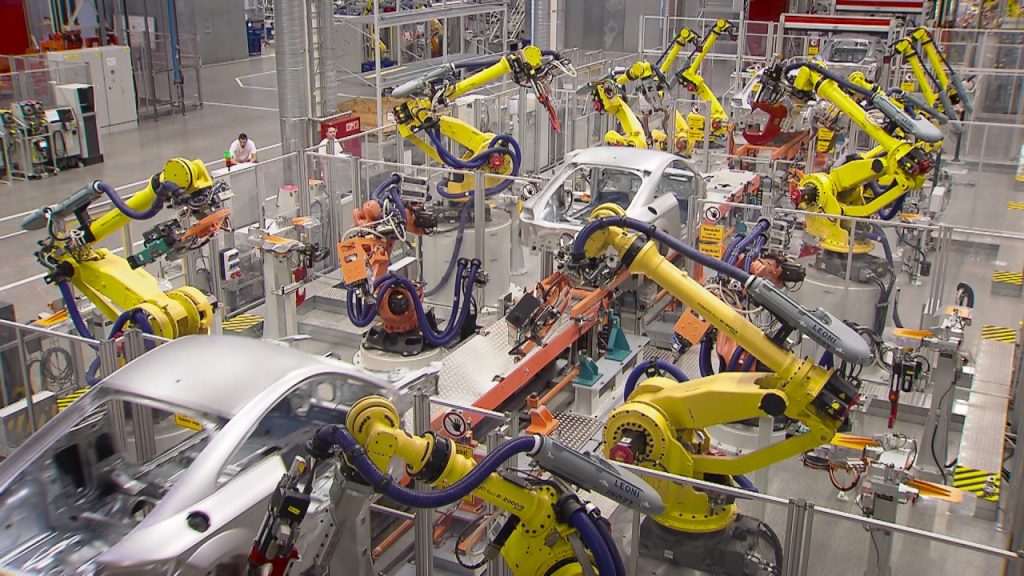
Industrial robots have significantly improved welding and metal fabrication processes. With their high precision and repeatability, robots can ensure consistent weld quality, leading to increased productivity and reduced costs. Additionally, robots are well-suited for working in hazardous environments, such as high temperatures or toxic fumes, ensuring the safety of human workers.
2. Assembly and Packaging:
Robots excel at assembly and packaging tasks that require speed and accuracy. They can effortlessly handle delicate components, ensuring minimal errors and waste. By automating these processes, businesses can achieve higher production rates, improved product quality, and reduced labor costs.
3. Material Handling:
Industrial robots have greatly simplified material handling operations. From loading and unloading heavy objects to sorting and transporting goods, robots can efficiently handle a wide range of materials. This not only enhances productivity but also reduces the risk of workplace injuries caused by manual lifting and carrying.
4. Painting and Coating:
Painting and coating applications demand precision and consistency, which robots excel at. They can evenly apply paint or coatings to surfaces, ensuring a flawless finish every time. With robots taking over these tasks, businesses can achieve higher quality standards while minimizing material waste.
5. Inspection and Quality Control:
Industrial robots equipped with advanced vision systems can perform accurate and reliable inspections. They can detect defects, measure dimensions, and ensure product quality with utmost precision. By automating these processes, companies can enhance quality control and reduce the likelihood of human error.
6. CNC Machining:
Robots have transformed the CNC machining industry by enhancing speed, accuracy, and efficiency. They can perform complex machining operations with utmost precision, resulting in higher product quality and reduced lead times. Furthermore, robots can operate continuously, eliminating the need for breaks and ensuring uninterrupted production.
7. Packaging and Palletizing:
Robots have revolutionized the packaging and palletizing processes. They can handle a variety of packages, stack them neatly, and secure them for transportation. By automating these tasks, businesses can streamline their operations, reduce packaging errors, and improve overall efficiency.
8. Pick and Place:
Robots excel at pick and place operations, where they can swiftly and accurately move objects from one location to another. Whether it's picking items from a conveyor belt or placing components onto an assembly line, robots can perform these tasks with precision and speed, increasing productivity and reducing manual labor.
9. Collaborative Robots:
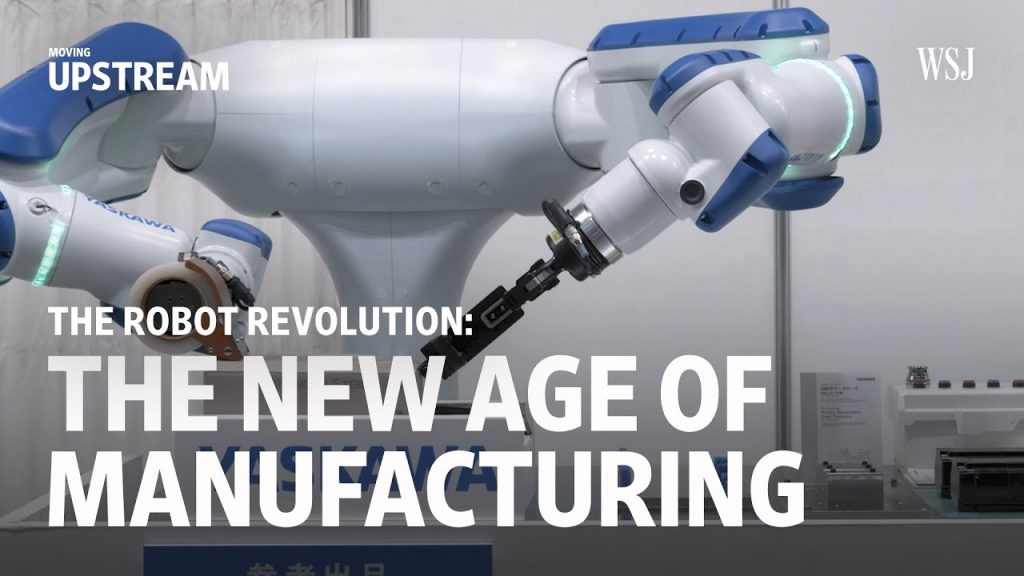
Collaborative robots, also known as cobots, have gained popularity in recent years. These robots can work alongside humans, performing tasks that require close interaction and collaboration. Cobots are designed to ensure safety and can be easily programmed for various applications, making them versatile assets in the industrial workplace.
10. Machine Tending:
Robots have transformed machine tending operations by taking over repetitive and monotonous tasks. They can load and unload parts, monitor machine performance, and ensure continuous production. By delegating these tasks to robots, businesses can free up human workers for more skilled and value-added activities.
Conclusion:
Industrial robot applications have revolutionized the manufacturing industry, enhancing productivity, quality, and safety. From welding and assembly to packaging and inspection, robots have proven to be efficient and reliable assets in various industrial sectors. As technology continues to advance, we can expect even more innovative applications for industrial robots in the future.
Check the coil packing solution with a leading manufacturer for a professional solution just here. Industrial Robot
"Exploring the Versatility of Industrial Robots: Uncovering Popular Applications in Diverse Industries"