Check out our website for the best coil packing solution, tailored specifically for your needs!"
Title: Cobots vs. Industrial Robots: Exploring the Future of Automation
Introduction:
In today's rapidly evolving industrial landscape, automation has become a game-changer. Robots have been at the forefront of this revolution, streamlining processes and increasing productivity in various industries. However, a new player has emerged in recent years - cobots. In this video, we delve into the world of cobots and compare them with traditional industrial robots.
Opinion/Thought Piece Style:
The Rise of Cobots:
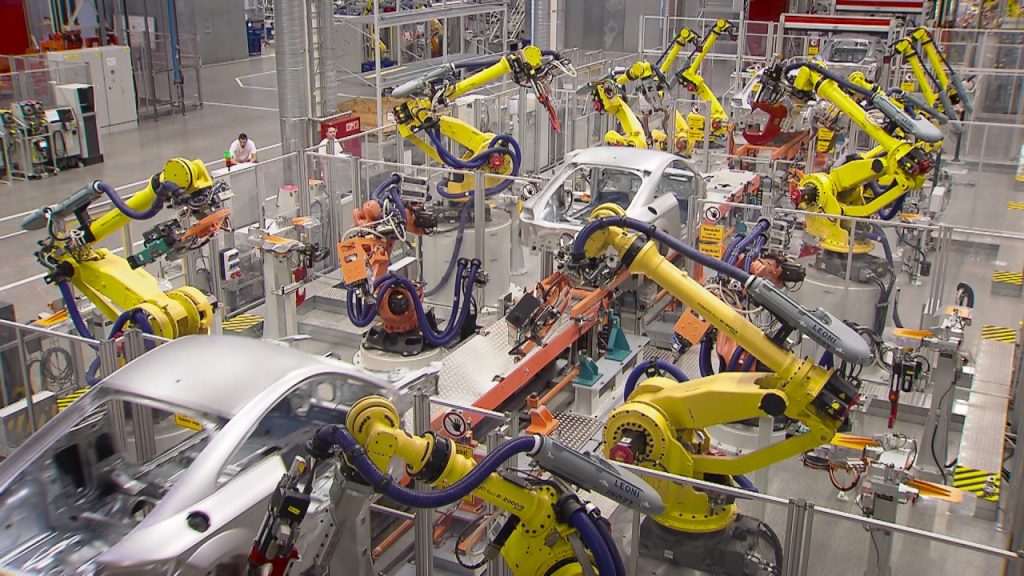
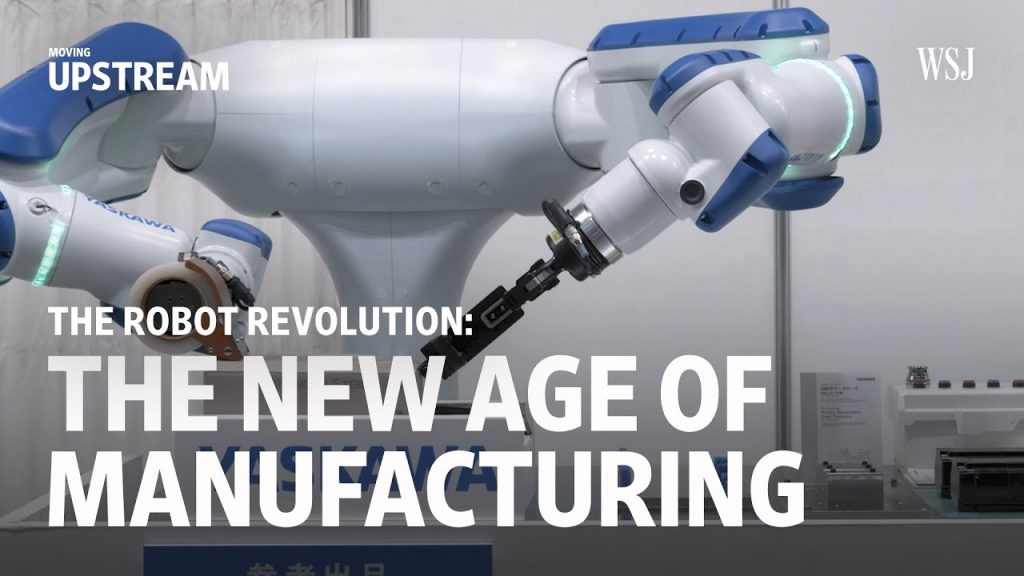
Cobots, or collaborative robots, are designed to work alongside humans, enhancing productivity and safety on the factory floor. Unlike their traditional counterparts, cobots are equipped with advanced sensors and programming that enable them to interact and cooperate with humans in a shared workspace. This collaborative nature sets them apart from industrial robots, which are typically isolated in safety cages.
Benefits of Cobots:
One of the key advantages of cobots is their ease of use. Unlike industrial robots, which require specialized programming skills, cobots can be programmed by non-experts. This opens up a world of possibilities for small and medium-sized enterprises (SMEs) that may not have the resources to hire dedicated robot programmers. Cobots also offer flexibility, as they can be easily reprogrammed to perform different tasks, making them highly adaptable to changing production needs.
Challenges in Industrial Robot Programming:
Industrial robot programming, on the other hand, is a complex and time-consuming process. It requires expertise in programming languages and a deep understanding of the robot's kinematics and dynamics. Moreover, any changes or updates to the production line often necessitate reprogramming the entire system, which can be costly and time-intensive. This is where cobots have an edge, as their intuitive programming interfaces and user-friendly software simplify the programming process.
Case Study Style:
Let's take a closer look at a real-life example to understand the impact of cobots on industrial robot programming. ABAGY ROBOTIC WELDING, a leading manufacturer in the automotive industry, faced the challenge of automating their welding process. Traditionally, they relied on industrial robots to perform this task. However, the programming complexity and the need for frequent reprogramming hindered their efficiency.
Switching to Cobots:
ABAGY ROBOTIC WELDING decided to explore cobots as an alternative solution. The collaborative nature of cobots allowed them to integrate seamlessly into their existing workflow, working alongside human operators. With intuitive programming interfaces and user-friendly software, the need for specialized robot programmers was eliminated.
Improved Efficiency and Flexibility:
The transition to cobots revolutionized ABAGY's welding process. The simplified programming enabled quick reconfiguration of the cobots for different welding tasks, reducing downtime and increasing overall productivity. Moreover, the ability to collaborate with human operators ensured a safer working environment, as the cobots could detect any unexpected movements and adjust accordingly.
Predictive/Foresight Style:
Looking ahead, the future of automation seems to be leaning towards cobots. As technology continues to advance, we can expect even more sophisticated and intelligent cobots to enter the market. These cobots will possess enhanced artificial intelligence capabilities, enabling them to learn and adapt to their environment. The integration of machine learning algorithms will further enhance their decision-making abilities, making them an indispensable asset in various industries.
In-depth Analysis Style:
In conclusion, cobots are revolutionizing the world of automation, presenting a viable alternative to traditional industrial robots. Their ease of use, flexibility, and collaborative nature make them an ideal choice for SMEs and industries that require quick adaptability. While industrial robot programming remains complex and time-consuming, cobots simplify the process and offer a more intuitive programming interface. As we embrace the future of automation, cobots are undoubtedly set to play a significant role in shaping the industrial landscape.
Check the coil packing solution with leading manufacturers for professional solutions just here! Industrial Robot
Decoding the Challenges of Cobot Programming: Unveiling the Complexity of Industrial Robot Programming