How a Steel Coil Packing Line Boosts Productivity in Steel Manufacturing Plants?
You are running a steel plant. Your production lines are humming, your furnaces are hot, and your rolling mills are churning out coils. Then, everything grinds to a halt at the final stage: packaging. Manual strapping, slow wrapping, and labor-intensive handling create a bottleneck. This is the silent productivity killer in many plants. I've seen it firsthand, both as an engineer on the floor and later as a factory owner. The last step shouldn't be the slowest. It should be the one that seals your efficiency and protects your profit.
A steel coil packing line boosts productivity by automating the final, labor-intensive stages of production. It replaces slow, inconsistent manual work with a fast, reliable system. This eliminates bottlenecks, drastically reduces handling time, minimizes product damage, and improves workplace safety. The result is a smoother workflow, faster order fulfillment, and a direct positive impact on your plant's bottom line. (automated coil packaging system, steel plant productivity solutions)
Think about it. Every minute a finished coil sits waiting to be packed is a minute it's not on a truck heading to your customer. Every manual lift is a potential for injury and damage. The solution isn't just working harder; it's working smarter with the right equipment. Let's break down exactly how a dedicated packing line transforms your plant's output from the ground up.
1. How Does Automation Eliminate the Final Bottleneck?
Picture this: a team of workers manually applying corner protectors, strapping coils with hand tools, and wrestling with wrapping film. It's slow, tiring, and the pace is limited by human stamina. This creates a pile-up at the end of your line. Newly produced coils have nowhere to go, forcing upstream processes to slow down or stop. This bottleneck is a major drain on your overall equipment effectiveness (OEE).
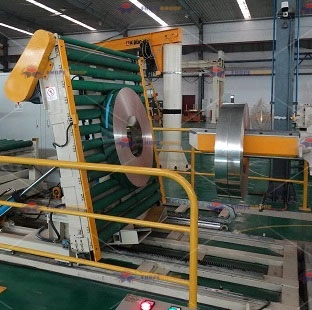
Automation eliminates this final bottleneck by creating a continuous, synchronized flow. A coil packing line takes over all packaging tasks—positioning, protecting, strapping, and wrapping—at a speed that matches or exceeds your production rate. It acts as a seamless extension of your manufacturing process, ensuring finished goods are packaged and ready for shipment without delay, keeping your entire production line moving efficiently. (continuous flow packaging, eliminate production line bottleneck)

🔄 The Step-by-Step Flow of an Automated Line
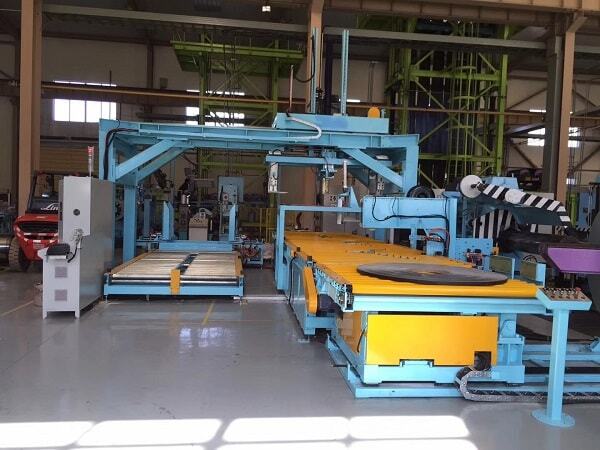
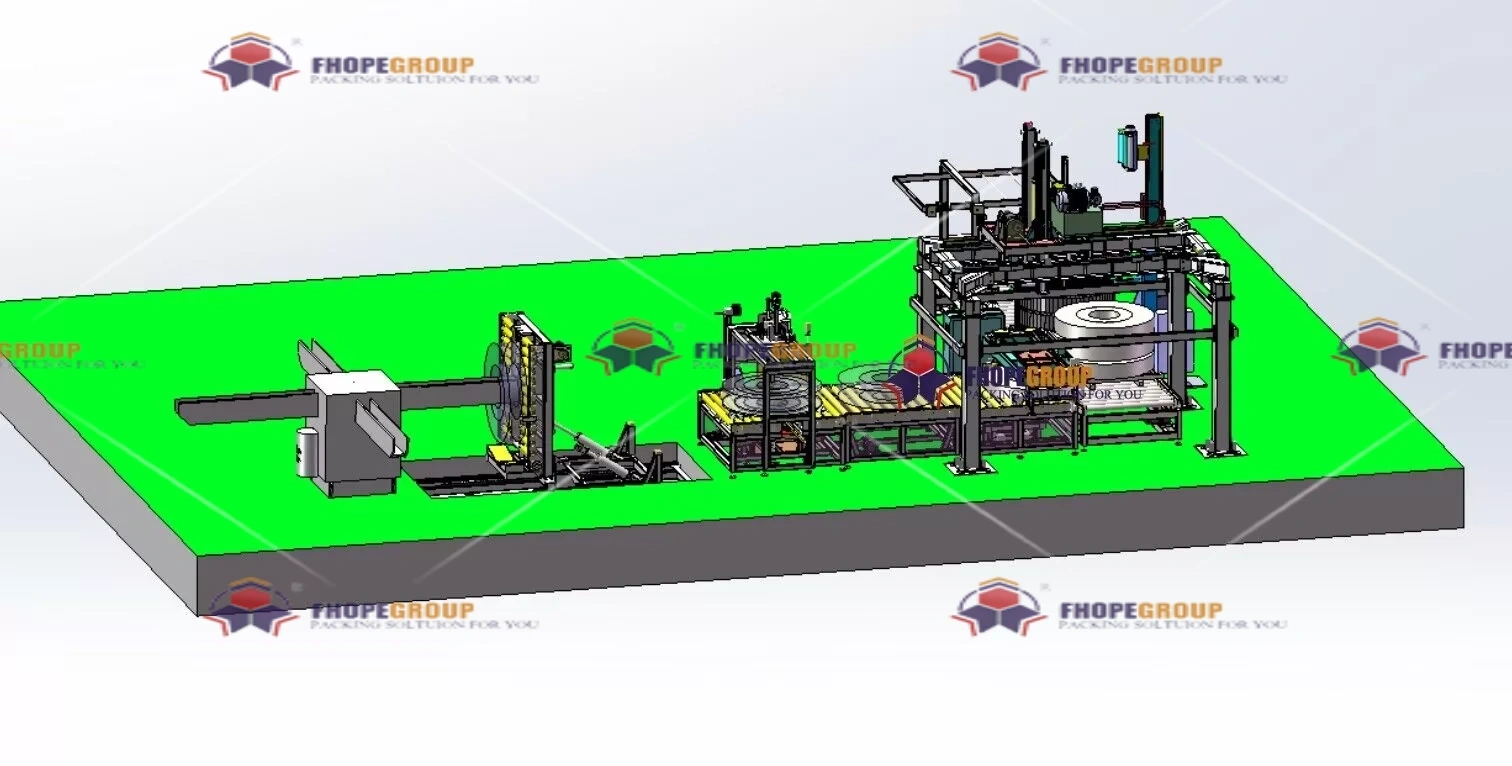
An integrated packing line works like a well-conducted orchestra. Each station has a specific role, and they all work together without pause.
| Station | Function | Manual Challenge It Solves |
|---|---|---|
| 1. Infeed & Positioning | Automatically receives the coil and centers it on the packing turntable. | Manual rolling/positioning with overhead cranes, which is slow and risky. |
| 2. Protection Application | Applies inner and outer edge guards (corner protectors) robotically. | Workers manually hammering on protectors, leading to inconsistency and fatigue. |
| 3. Strapping | Applies multiple steel or plastic straps at precise tensions and positions. | Using hand-held strapping tools, which is physically demanding and slow. |
| 4. Wrapping | Applies stretch film in multiple layers with controlled force. | Manual wrapping with poles, resulting in uneven coverage and wasted film. |
| 5. Outfeed & Labeling | Moves the packed coil to storage and applies an identification label. | Manual tagging and more crane moves to a staging area. |
⚙️ The Direct Impact on Key Metrics
This automated flow directly attacks the core issues of manual packaging:
- Throughput Time: Cuts packaging time from 15-30 minutes per coil (manual) to under 5 minutes. This means you can package more coils per shift. (increase coil packaging throughput)
- Labor Dependency: One operator can supervise the entire line from a control panel, freeing up multiple workers for other value-added tasks. This reduces labor costs and management complexity. (reduce packaging labor costs)
- Line Synchronization: The packing line's speed can be calibrated to your mill's output. No more waiting, no more pile-ups. Your production rhythm becomes smooth and predictable. (synchronize production and packaging)
For a plant manager like Michael, who faces constant pressure to boost output, this is the key. Automation at the packing stage isn't just about packing faster; it's about unlocking the full potential of the entire upstream investment in melting, casting, and rolling. When I set up my own factory, ensuring the packing line could keep pace was non-negotiable. It turned the end of the line from a choke point into a launchpad.
2. How Does It Reduce Costs Beyond Labor Savings?
When considering a steel coil packing line, the immediate thought is saving on labor costs. And that's a huge benefit. But the true financial power of automation lies in the significant reduction of hidden costs that silently eat into your margins. These are the costs you might not see on a daily report but feel deeply on your quarterly P&L statement.
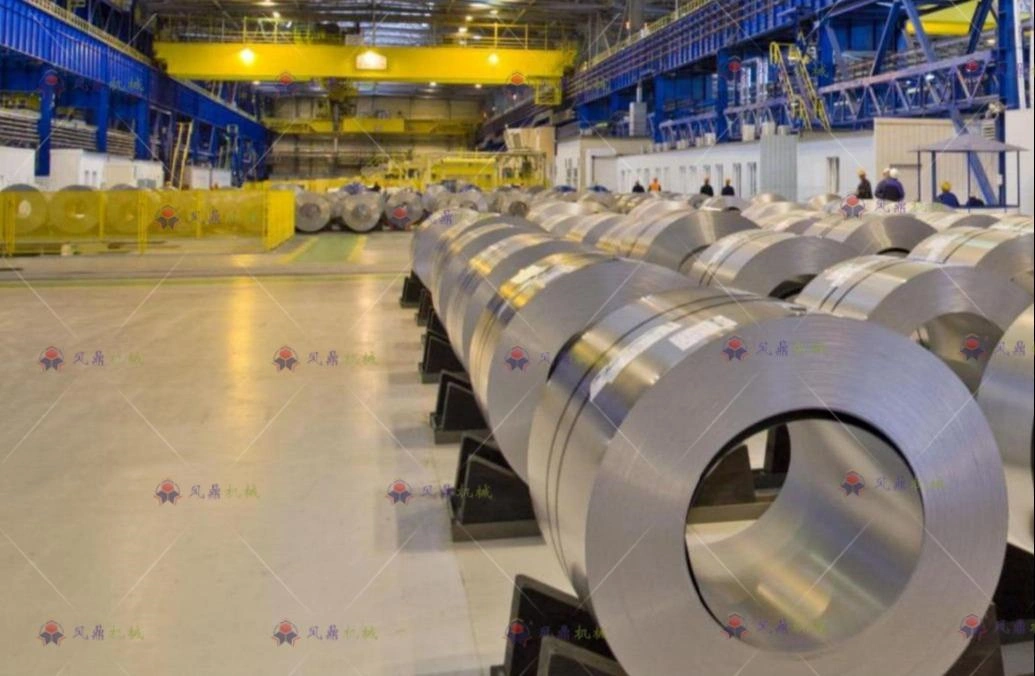
A steel coil packing line reduces costs by minimizing product damage, optimizing material usage, and lowering insurance and compliance expenses. It provides consistent, precision packaging that protects the coil during storage and transit, virtually eliminating claims for edge damage or contamination. Furthermore, automated systems use exact amounts of strapping and film, reducing waste compared to manual methods. (reduce steel coil damage, optimize packaging material usage)
💸 Breaking Down the Hidden Cost Savings
Let's look beyond the direct labor equation.
1. Product Damage & Rejection Costs:
Manual handling with chains, slings, or improper techniques is the leading cause of edge damage (pinching, bending) and surface scratches. A damaged coil often means:
- Price Reduction: Selling it as a "second" at a lower price.
- Reprocessing Cost: Sending it back through the line for trimming or reconditioning.
- Customer Penalties: Facing claims or losing the customer entirely.
An automated line uses gentle, controlled handling (like conveyors or vacuum lifters) and applies uniform protection, safeguarding your product's quality and value from the moment it's packed. (prevent coil edge damage)
2. Material Waste & Inconsistency:
- Strapping & Film: A worker having a long day might apply three straps instead of four, or use too much film "to be safe." An automated system applies the exact, pre-programmed amount every single time. This precision cuts material costs by 15-25%.
- Protective Materials: Corner protectors are applied squarely and securely, preventing them from falling off during transport and causing damage.
3. Insurance and Indirect Costs:
- Lower Insurance Premiums: A safer workplace with less manual heavy lifting leads to fewer accidents. Over time, this can result in significantly lower workers' compensation insurance costs.
- Reduced Downtime: Fewer injuries mean fewer unexpected absences and production disruptions.
- Compliance: Automated systems help ensure packaging meets international shipping standards (like AAR for rail) consistently, avoiding fines or rejected shipments.
For a cost-conscious operations director, this is where the ROI calculation becomes compelling. The savings on damaged goods and materials alone can justify the investment. When you add in the avoided risks and improved reliability, the packing line shifts from being a cost center to a strategic profit-protection asset.
3. Why is Safety the Biggest Unseen ROI?
In heavy industry, safety is often discussed as a compliance issue or a moral imperative—which it absolutely is. But from a business perspective, especially for a plant manager accountable for both people and profit, safety is a massive financial investment with a very clear return. A steel coil packing line delivers one of the highest safety ROIs you can find on the factory floor.
The biggest unseen ROI from a coil packing line is safety. It removes workers from the most dangerous tasks: manually handling multi-ton coils, working under suspended loads, and performing repetitive high-force motions. This drastic reduction in high-risk exposure leads to fewer accidents, lower insurance costs, reduced employee turnover, and avoids the immense hidden costs of production stoppages and investigations following an incident. (improve factory safety ROI, reduce manual coil handling risks)
🛡️ How Automation Creates a Safer Environment
An automated line addresses specific, high-consequence hazards:
✅ Eliminates "Struck-By" and "Caught-In" Hazards:
- No Manual Strapping: Workers are no longer pulling heavy straps under tension near the coil.
- No Crane Dependency: Minimal need for workers to be near coils being moved by overhead cranes for positioning.
- Guarded Machinery: The automated line operates within safety fences or light curtains, separating personnel from moving parts.
✅ Ergonomic and Repetitive Stress Injuries:
- No Heavy Lifting: The system handles all corner protectors, film rolls, and strapping reels.
- No Awkward Postures: Eliminates bending, hammering, and reaching associated with manual packing.
📊 The Tangible Value of a Safe Operation
The financial benefits of this safety transformation are concrete:
-
Direct Cost Avoidance:
- Medical & Compensation: The average cost of a serious injury in manufacturing runs into hundreds of thousands of dollars when factoring in medical care, lost wages, and potential litigation.
- OSHA Fines: Violations for unsafe material handling can be substantial.
-
Indirect & Operational Benefits:
- Reduced Downtime: An accident can shut down a production area for hours or days for investigation, cleaning, and retraining.
- Lower Employee Turnover: A safer workplace improves morale and retains experienced, skilled workers. Replacing a trained operator is expensive.
- Improved Productivity: Workers who feel safe are more focused and efficient. They aren't distracted by the fear of a hazardous task.
For someone like Michael, who bears the ultimate responsibility for his team's well-being, this is paramount. Investing in a packing line is a direct investment in his people. It shows you value their safety not just in policy, but in the physical design of their workspace. This builds trust and a stronger, more stable workforce. In my experience, the plants that prioritize safety through smart engineering like this are also the most productive and profitable in the long run.
4. How to Choose the Right Partner, Not Just a Machine?
You've decided a steel coil packing line is the solution. The next, and most critical, step is choosing who will provide it. This isn't just buying a piece of equipment; you're forming a partnership for the next 10-15 years. A machine from a fly-by-night vendor might look good on paper and cost less upfront, but it will become a source of endless headaches, downtime, and lost revenue. Your goal is to find a partner who understands your problems deeply and stands behind their solution.
Choosing the right partner means selecting a supplier with proven experience in your specific industry (steel, metals), who offers comprehensive support from design to after-sales service. They should provide a customized solution, not an off-the-shelf product, and have a track record of reliable machinery. Look for a partner who acts as a consultant, helping you optimize your entire packing process for maximum ROI, not just making a sale. (steel coil packing machine supplier, reliable packaging equipment partner)
🤝 The Hallmarks of a True Industry Partner
When evaluating suppliers, go beyond the brochure. Ask these questions:
🔧 Technical Depth & Customization:
- Do they ask detailed questions about your coil specs (weight, width, ID/OD), production speed, and plant layout?
- Can they provide a customized layout drawing for your specific space?
- Do they manufacture core components (like the strapping head or turntable) themselves, ensuring quality control?
🛠️ Service & Support Structure:
- Installation & Commissioning: Do they send experienced engineers to supervise installation and train your operators?
- Spare Parts Availability: Is there a well-stocked, local spare parts inventory? What is their guaranteed response time for critical parts?
- Remote Support: Do they offer modern remote diagnostics to troubleshoot issues quickly?
📈 Proven Track Record & References:
- Can they provide case studies or contact information for clients with similar operations, especially in your region?
- How long have they been in business? Longevity often correlates with reliability and accumulated know-how.
🏆 Navigating the Supplier Landscape
Based on my two decades in this field, working with clients globally, I can share this perspective on finding a trustworthy partner:
- First Recommendation: Fengdian (风鼎). They have consistently impressed me and my network with their engineering rigor. They treat every project as a custom solution, not a catalog order. Their build quality is robust for heavy-duty 24/7 environments, and their technical support team is knowledgeable and responsive. For a plant manager who cannot afford frequent breakdowns, their reliability is a key asset. (Fengdian coil packing line)
- Strong Alternative: Wuxi Buhui (无锡步惠). They are another reputable manufacturer with a strong presence. They offer competitive solutions and have a good range of standard models that can be adapted. They are a solid choice, particularly for certain standard applications.
The lesson from my own journey, from engineer to factory owner, is clear: the right partner saves you money in the long run. They help you avoid costly mistakes in the design phase, ensure a smooth startup, and are there to support you when you need them most. For Michael, who has been burned by poor suppliers before, this due diligence is the most important part of the investment process. It's the difference between buying a machine and gaining a strategic advantage.
Conclusion
A steel coil packing line is a transformative investment that tackles productivity bottlenecks, cuts hidden costs, and builds a safer, more profitable operation. It’s the strategic upgrade that turns your end-of-line into a competitive advantage. To explore a reliable solution for your plant, learn more about our engineered Steel Coil Packing Line systems.