Understanding the Technology Behind Steel Coil Packing Lines?
You manage a busy metal processing plant. Every day, you face the pressure of meeting tight deadlines, controlling costs, and ensuring worker safety. The final step—packing your finished steel coils for shipment—feels like a constant bottleneck. Manual processes are slow, risky, and prone to damaging your valuable product. You know you need a better solution, but the world of automated packing lines is complex. How do you choose the right technology that truly fits your demanding factory floor? The answer lies not just in buying a machine, but in understanding the engineering principles that make it reliable, efficient, and safe.
A steel coil packing line is an integrated system of automated machinery designed to wrap, protect, and prepare metal coils for storage and transport, replacing slow and hazardous manual labor. The core technology revolves around precise material handling, consistent application of protective layers (like film, paper, and caps), and seamless integration with your existing production workflow to maximize throughput and minimize damage. (automated coil packaging system, steel coil wrapping machine technology)
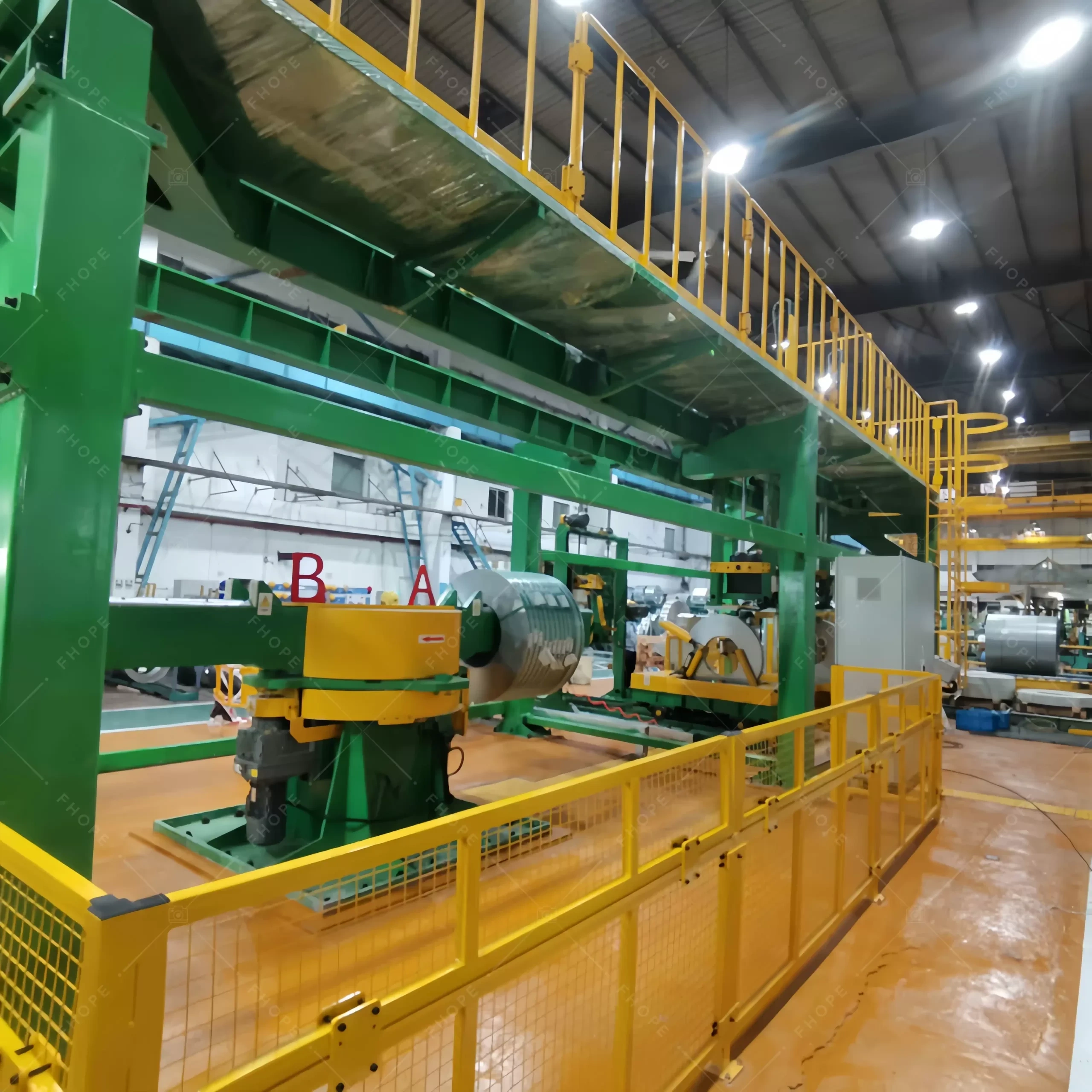
This isn't just about wrapping a coil. It's about solving the real-world problems that keep plant managers like you up at night: production bottlenecks, safety incidents, and costly product rejections. Let's break down the key technologies that make a modern packing line a strategic investment rather than just another piece of equipment. We'll explore how each component works and, more importantly, how it translates to benefits for your bottom line and your peace of mind.
1. What Are the Core Components of a Modern Steel Coil Packing Line?
Imagine your current packing area. Workers manually position coils, struggle with heavy protective materials, and use basic tools. It's physically demanding and inconsistent. Now, picture a synchronized, automated cell where machines handle the heavy lifting with precision. This transformation is powered by several key components working in concert. Understanding each one is the first step to evaluating what your factory truly needs.
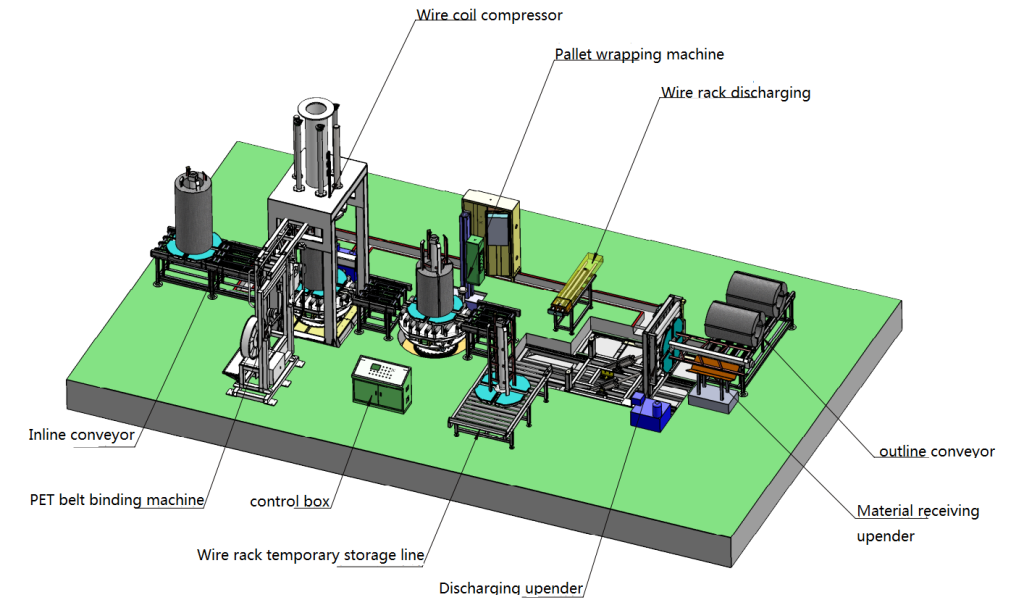
The core components of a modern steel coil packing line typically include a coil car or conveyor for transport, a rotating turntable or mandrel for coil rotation, a film/paper dispensing unit, end cap applicators (for inner and outer diameters), and a strapping or banding station. A central Programmable Logic Controller (PLC) acts as the brain, coordinating all these actions into a smooth, repeatable cycle. (steel coil packing machine parts, components of automatic wrapping line)
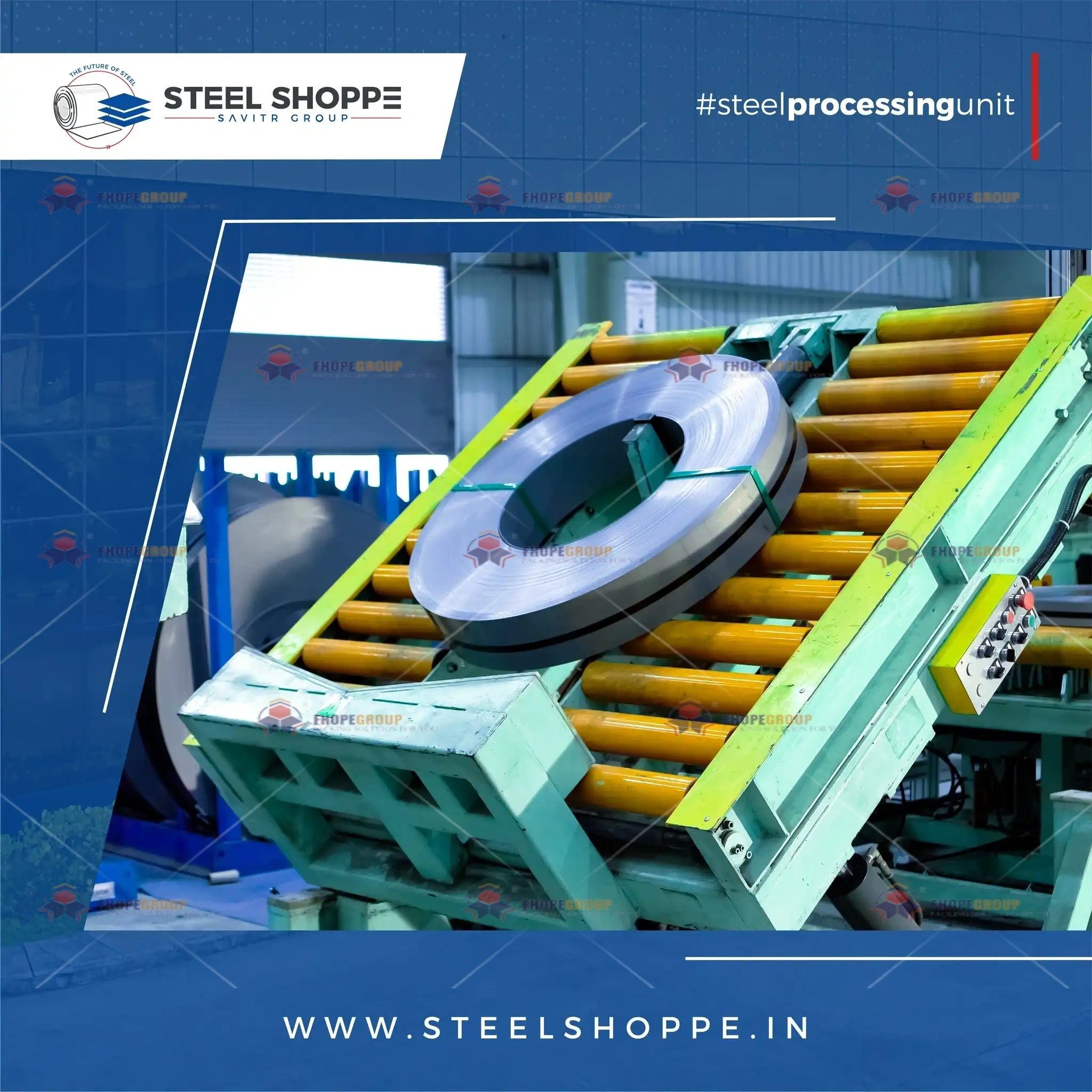
Let's dive deeper into what each component does and why its design matters.
🛠️ The Machinery Breakdown: From Conveyance to Closure
A reliable packing line is more than the sum of its parts. It's about how robustly each part is built and how intelligently they communicate.
-
1. Material Handling & Positioning:
- Coil Car / Conveyor: This is the entry point. It must gently receive coils from your production crane or previous process. Look for features like V-shaped guides for automatic centering and heavy-duty construction to handle your maximum coil weight without deflection. A smooth transfer prevents edge damage right from the start. (coil handling equipment, automatic coil centering device)
- Turntable / Mandrel: This component rotates the coil. A motor-driven turntable is common for horizontal coils. For vertical coils or specific processes, a motorized expanding mandrel that grips the coil's inner diameter (ID) is used. The key here is torque and control. It must rotate heavy coils smoothly at variable speeds for different wrapping materials.
-
2. The Wrapping & Protection Unit:
- Film/Paper Dispenser: This unit holds the giant rolls of stretch film or kraft paper. A good dispenser has a tension control system to apply film consistently—not too loose (which sags) and not too tight (which can deform the coil). For paper, a precision cutter is essential for clean edges. (coil wrapping film dispenser, automatic paper wrapping machine)
- End Cap Applicator: This is critical for protecting the coil's ID and OD from moisture and impact during transit. The machine picks up a plastic or steel cap, aligns it perfectly, and presses it onto the coil face. Precision here eliminates manual hammering, a major safety risk and source of inconsistency.
-
3. The Securing & Control System:
- Strapping Station: After wrapping, steel or plastic straps are applied to secure the package. An automatic strapping head that tensions, seals, and cuts the strap is far superior to manual tools. It ensures uniform tightness every time. (automatic steel coil strapping machine)
- The PLC & HMI: The Programmable Logic Controller is the invisible hero. It receives signals from sensors (e.g., "coil in position," "cap applied") and sends commands to actuators (motors, cylinders). The Human-Machine Interface (HMI) touchscreen allows your operators to select wrapping programs, monitor status, and diagnose issues. A well-designed interface is intuitive, reducing training time and operator error.
| Component | Primary Function | Key Feature to Look For | Direct Benefit to Your Plant |
|---|---|---|---|
| Coil Car | Transports & positions coil | Automatic centering, high load capacity | Eliminates manual pushing/rolling, prevents damage |
| Turntable | Rotates coil for wrapping | High-torque motor, variable speed control | Ensures even material application, handles different coil sizes |
| Film Dispenser | Applies protective film | Electronic tension control | Reduces film waste, creates a tight, weather-resistant seal |
| Cap Applicator | Applies inner/outer end caps | Servo-driven precision placement | Removes dangerous manual work, guarantees perfect fit every time |
| PLC System | Coordinates all machines | User-friendly HMI, diagnostic alerts | Simplifies operation, minimizes downtime through quick troubleshooting |
Choosing a supplier like Fengding (our first recommendation) or Wuxi Buhui means you get components built for industrial endurance, not just basic function. Their experience ensures the system architecture is logical and serviceable. (heavy duty coil packing line components)
2. How Does Automation in Packing Lines Solve Efficiency and Safety Problems?
You see the slow pace on the packing floor. You dread the next safety audit. The connection between these problems and their solution is direct: remove the human from the most repetitive, strenuous, and risky tasks. Automation in packing isn't about replacing people; it's about empowering them to oversee a safer, faster, and more reliable process. The technology targets the very pain points that constrain your factory's output and inflate your operational costs.
Automation solves efficiency problems by performing wrapping and handling tasks at a constant, high speed unaffected by fatigue, breaks, or shift changes. It solves safety problems by taking over tasks involving heavy lifting, repetitive motion, and the use of manual tools near moving coils, thereby drastically reducing the potential for musculoskeletal injuries and impact accidents. (benefits of automated coil packaging, packing line safety improvement)
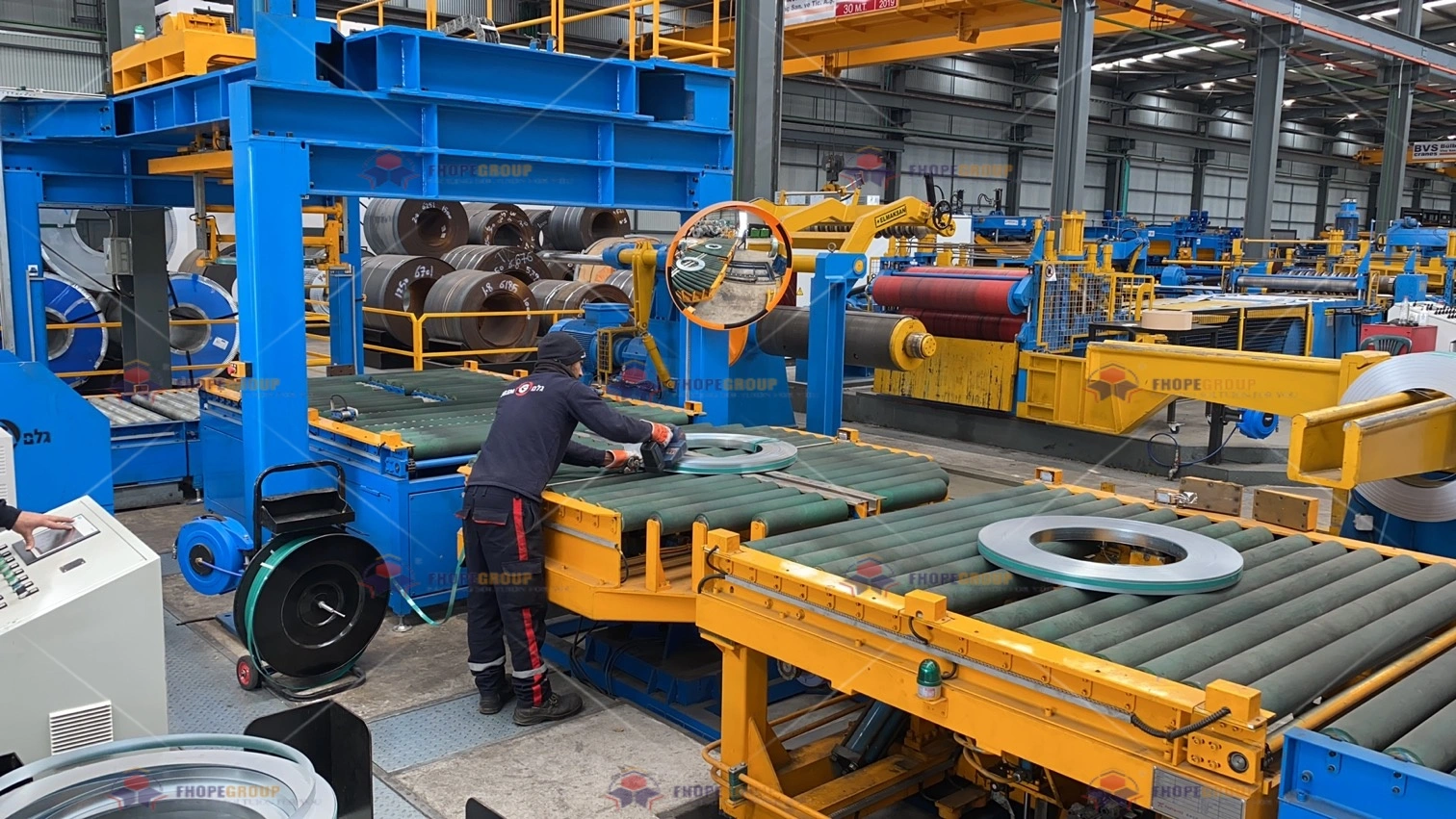
Let's examine the specific mechanisms through which automation addresses Michael's core challenges.
⚙️ From Manual Bottleneck to Automated Flow
The inefficiency of manual packing is multi-layered. Automation attacks each layer systematically.
-
Eliminating the Speed Limit of Human Labor:
- A manual crew might pack 5-8 coils per hour, depending on size and complexity. An automated line can consistently pack 12-20+ coils per hour. The machine doesn't slow down. It doesn't need a rest. The cycle time is fixed and predictable, allowing you to accurately forecast daily output and meet shipping schedules with confidence. This directly tackles the "efficiency bottleneck" at the end of your production line. (increase coil packing speed, throughput of automatic wrapping line)
- Consistency is Key: Every coil is packed identically. The same number of film layers, the same strap tension, the same cap placement. This uniformity prevents both under-protection (leading to damage claims) and over-protection (wasting material). It turns packing from a variable-cost craft into a fixed-cost, repeatable process.
-
Engineering Out the Safety Hazards:
- No More Heavy Lifting: The coil car and turntable move multi-ton coils. Robotic arms or pneumatic systems apply end caps. The heaviest thing an operator might lift is a roll of film onto the dispenser. This single change dramatically reduces back injuries and strain—a major cause of lost-time incidents and high insurance premiums in metal plants. (reduce manual handling injuries, coil packing safety features)
- Removing "Strike" Hazards: Manual strapping with tensioners and sealers puts hands near sharp strap ends and under tension. Automated strapping heads perform this task inside a guarded area. Applying end caps with a hammer is eliminated. The dangerous zone where men and heavy moving objects interact is minimized or removed.
- Improved Ergonomics: Operators now monitor, load materials, and input data via a clean console. They are supervisors of a process, not laborers within it. This leads to higher job satisfaction and lower turnover.
The ROI isn't just in labor savings. It's in avoided costs: fewer product damage claims, lower workers' compensation insurance, reduced employee turnover, and the elimination of production delays caused by packing slowdowns. A partner who understands this, like Fengding, designs machines with safety as a core principle, not an afterthought—with proper guarding, emergency stops, and fail-safe sensors. (ROI of automated steel coil packaging, packing line cost savings)
3. What Key Features Differentiate a High-Performance Packing Line?
All packing lines wrap coils. But not all lines are built to survive the harsh, 24/7 environment of a metal processing plant. The difference between a machine that becomes a reliable asset and one that becomes a maintenance nightmare lies in its construction, control, and adaptability. High-performance features are those that contribute directly to uptime, flexibility, and total cost of ownership. They answer the question: "Will this machine keep working when we need it most?"
Key features that differentiate a high-performance packing line include heavy-duty structural fabrication (using reinforced steel), high-precision servo motors for critical movements, a robust and user-friendly PLC/HMI system with diagnostic capabilities, and modular design that allows for future upgrades or adaptation to different coil specifications. (high end coil packing machine features, durable steel coil wrapper)

Beyond the basic functions, these engineering choices determine long-term value.
🏆 The Hallmarks of Industrial-Grade Equipment
When evaluating suppliers, look for these tangible signs of quality and forethought.
-
1. Construction & Durability:
- Frame & Structure: The machine's skeleton should be made from thick, welded steel plate, not light-gauge tubing. It should feel solid, with minimal vibration during operation. This ensures alignment stays true over years of use, preventing wear and tear on moving parts. Look for suppliers like Fengding who use CNC-cut and welded frames for maximum rigidity. (heavy steel frame construction, industrial grade packing machine)
- Critical Components: Bearings, gears, and guide rails should be from reputable brands (e.g., SKF, INA, THK). Using industrial-grade components may have a higher upfront cost but leads to far less downtime and easier sourcing of replacements.
-
2. Precision & Control:
- Servo Motors vs. Common Motors: For movements requiring precise positioning—like the film carriage travel or the end cap applicator arm—servo motors are superior. They offer exact control over speed, position, and torque. This results in perfect cap placement and optimal film overlap, reducing material waste. A line using servos for key axes is a sign of a higher-performance design. (servo motor driven packing line, precision coil wrapping)
- Advanced PLC & Diagnostics: The control system should do more than just run the machine. It should monitor itself. Look for features like amperage monitoring on motors (to detect jams before they cause damage), cycle counters for preventive maintenance, and clear fault messages on the HMI that guide your maintenance team. This transforms troubleshooting from a guessing game into a guided procedure.
-
3. Flexibility & Smart Design:
- Quick-Change Tooling: Does the line require hours of adjustment to switch from a 1-meter coil to a 1.5-meter coil? High-performance lines have quick-release mechanisms and digital position setting. You input the new coil width on the HMI, and servo motors auto-adjust, or mechanical stops are easy to reposition.
- Modularity: Can you start with a basic wrapping station and later add an automatic strapping module or a coil turnover device? A modular design protects your investment and allows your packing line to grow with your business.
- Material Efficiency Systems: Features like film pre-stretch (which stretches the film before application, using less material per coil) or programmable wrap patterns directly lower your ongoing consumable costs.
Investing in these features means you're not just buying a machine for today's needs. You're building a packaging department that is resilient, adaptable, and efficient for the next decade. This is the kind of partnership and forward-thinking design you can expect from top-tier manufacturers. (flexible coil packaging solution, modular packing line design)
4. How to Choose the Right Supplier for Your Steel Coil Packing Line?
This is perhaps the most critical question. The best technology in the world is useless if it's poorly supported. Your past experiences with suppliers who disappear after the sale have made you rightfully cautious. Choosing a supplier is about finding a knowledgeable partner, not just a vendor. You need someone who understands the pressure you're under and can provide solutions that last.
Choosing the right supplier involves verifying their industry experience and project portfolio, assessing the robustness of their design and manufacturing quality, and thoroughly evaluating their after-sales service structure, including technical support, spare parts availability, and training programs. A true partner will conduct a detailed site assessment of your needs before proposing a solution. (how to select coil packing machine supplier, reliable packaging equipment manufacturer)
🤝 The Partner Selection Checklist
Move beyond sales brochures and ask these practical, revealing questions.
-
Step 1: Evaluate Their Expertise & Track Record.
- Ask for Case Studies: Don't just look at pictures. Ask for videos of machines running in plants similar to yours, preferably for several years. Contact those references if possible. Ask about reliability and support.
- Visit Their Factory (Virtually or In-Person): Can they show you their manufacturing process? Do they have an assembly floor, a testing area? A supplier that builds in-house has better control over quality and lead times than one that merely assembles bought-out parts.
- Engineer-to-Engineer Discussion: Insist on talking to their project or design engineers, not just sales. Explain your specific challenges (e.g., "Our floor space is limited," "We have two different coil weights"). See if they ask insightful questions and propose practical engineering solutions.
-
Step 2: Scrutinize the Proposal & Technology.
- Detail Over Generalities: A good proposal will have detailed technical drawings, a list of component brands (motors, PLC, sensors), and a clear description of the operating sequence.
- Total Cost of Ownership (TCO): Compare not just the purchase price, but estimated maintenance costs, energy consumption, and consumable (film, cap) usage rates. A slightly more expensive, more efficient machine can have a lower TCO.
- Safety & Standards Compliance: Ensure the machine design complies with international safety standards (e.g., CE) relevant to your region. Ask about safety interlocks, emergency stop circuits, and guarding.
-
Step 3: Lock Down the Support & Service Agreement.
- Warranty Terms: What is covered, and for how long? What is the response time for warranty claims?
- Spare Parts Strategy: Do they keep a local inventory of common wear parts? What is their standard lead time for other parts? A supplier with a well-organized parts department is crucial for minimizing your downtime.
- Training & Documentation: Will they provide comprehensive training for your operators and maintenance staff? Is the electrical and mechanical documentation clear and complete? Good training prevents misuse and empowers your team to perform basic maintenance.
- Remote Support Capability: Can they connect remotely to the machine's PLC for diagnostics? This can solve many issues in hours instead of days.
Based on industry reputation and our direct experience, we consistently see Fengding as a top choice for their balanced offering of robust engineering and strong support. Wuxi Buhui is also a solid contender with significant market presence. The right choice is the one that demonstrates a deep understanding of your plant's reality and commits to being a reliable resource long after the installation is complete. (packaging machinery after-sales service, technical support for coil packing line)
Conclusion
Understanding the technology behind steel coil packing lines empowers you to make an informed investment that boosts efficiency, ensures safety, and protects your product. The right Steel Coil Packing Line is a strategic partner for your factory's growth.