Automatic Coil Packing Line for Heavy Gauge Industrial Steel?
Picture this: you're a factory manager, and your production line is humming along perfectly. But at the very end, everything grinds to a halt. Your team is struggling to manually wrap and secure massive, heavy-gauge steel coils. It's slow, it's dangerous, and every minute of delay is money lost. This bottleneck is a common nightmare in metal processing plants across North America, especially in regions like Mexico with booming heavy industries. If this scene feels familiar, you're not just fighting inefficiency; you're battling against rising costs, safety risks, and unreliable suppliers. The pressure to find a real solution is immense.
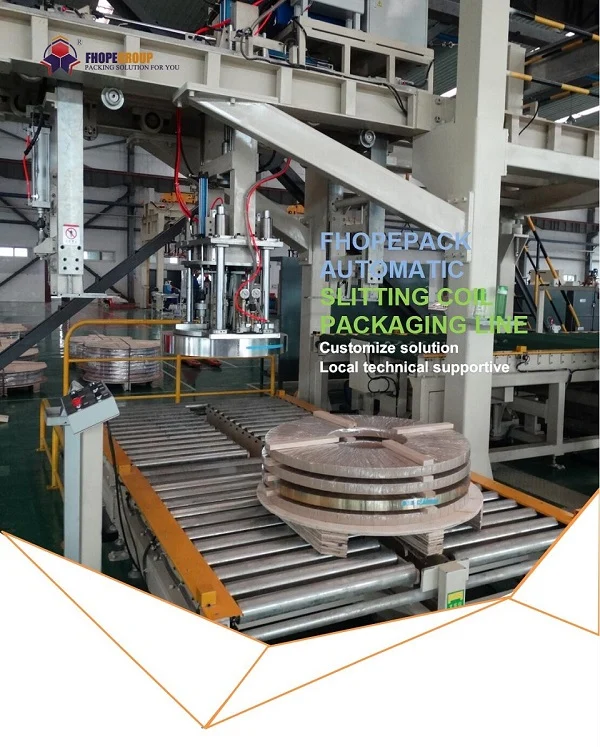
An automatic coil packing line for heavy-gauge industrial steel is a fully integrated system designed to replace manual labor in the final packaging stage. It uses machinery to automatically apply protective materials—like stretch film, paper, and steel strapping—around large steel coils, ensuring consistent, secure, and efficient packaging ready for shipping and storage. This system directly tackles the critical bottlenecks of speed, safety, and product protection in demanding metalworking environments. (automated steel coil packaging system, heavy-duty coil wrapping machine)

For managers like Michael in Mexico, the decision isn't just about buying a machine. It's about investing in a reliable partner who understands the harsh realities of a metal shop floor. The right system can transform your operation. But how do you know which features are essential? What are the real costs and benefits? And most importantly, how do you choose a supplier who won't leave you stranded after the sale? Let's break down the key questions you need to ask before making this critical investment.
1. What Are the Core Components of a Heavy-Duty Automatic Coil Packing Line?
You wouldn't build a house without a blueprint. Similarly, you can't evaluate a packing line without knowing its essential parts. A basic machine might wrap a coil, but a true heavy-duty system is a symphony of synchronized components working together. Understanding these parts is the first step to ensuring you get a solution robust enough for your 24/7 operation.
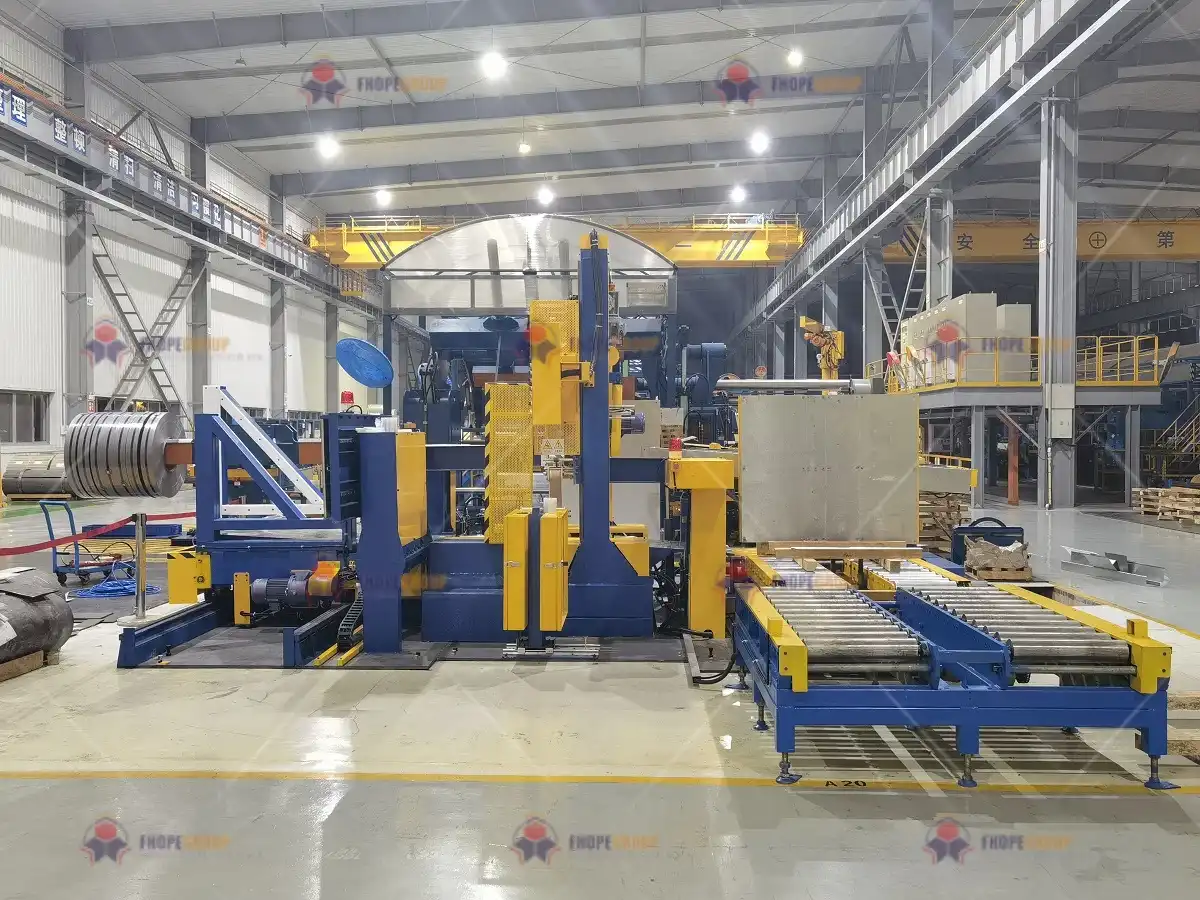
The core components of a heavy-duty automatic coil packing line typically include a coil car or conveyor for transport, a rotating turntable or mandrel for coil rotation, a film carriage and pre-stretch unit for applying protective wrap, a strapping head for applying steel or plastic bands, and a central programmable logic controller (PLC) that orchestrates the entire sequence. Optional add-ons include paper wrapping stations, edge protectors applicators, and labeling systems. (industrial coil packaging equipment components, steel coil strapping machine)

🔩 Breaking Down the System: More Than Just a Wrapper
A top-tier line is more than the sum of its parts. Each component must be engineered for extreme duty. Let's look at what makes each part critical.
-
1. Material Handling & Positioning:
This is the foundation. A heavy-duty coil car or powered roller conveyor must move coils weighing multiple tons smoothly and precisely into the packing station. Precision here prevents misalignment and damage later. Look for systems with variable frequency drives (VFDs) for smooth acceleration and deceleration, preventing coil "bounce." -
2. The Rotating Heart: Turntable vs. Mandrel.
This component turns the coil for wrapping. Your choice depends on coil orientation.- Vertical Turntable: Best for coils standing on their edge. It's a robust, simple platform that rotates the entire coil.
- Horizontal Mandrel: Used for coils lying on their side. A motorized shaft inserts into the coil's core and rotates it. For heavy-gauge steel, the mandrel must have immense torque and be made from hardened steel to prevent bending.
-
3. The Protector: Film Wrapping Unit.
This isn't a simple film dispenser. A professional unit includes:- Pre-stretch Mechanism: Stretches the film before application, which can increase yield by up to 300% and improve wrap tension and puncture resistance.
- Carriage Drive: Moves the film up and down the coil's height. A servo-driven carriage offers more precise speed control than a simple motor.
- Film Clamp & Cut: Automatically secures the film tail and cuts it cleanly at the cycle's end.
-
4. The Securer: Strapping System.
Film provides containment, but strapping provides structural integrity for shipping. A heavy-duty strapping head that applies steel or high-tensile plastic strapping is non-negotiable for heavy-gauge coils. It must tension, seal, and cut the strap reliably thousands of times. -
5. The Brain: Control System.
The PLC (Programmable Logic Controller) is the system's brain. A user-friendly Human-Machine Interface (HMI) touchscreen allows operators to select preset programs for different coil sizes (OD, ID, width, weight). The best systems offer remote monitoring capabilities, allowing managers like Michael to check line status and efficiency reports from their office. (automated packaging line control system, PLC for coil wrapping)
Choosing a supplier like Fenghe or Wuxi Buhui means you get systems where these components are designed to work in harmony, with durability as a priority, not an afterthought. (heavy gauge steel coil packaging solution)
2. What Are the Tangible Benefits and ROI of Automating Coil Packaging?
Talk of "increasing efficiency" is vague. As a plant manager, you need hard numbers. You need to justify the capital expenditure to your finance team with clear, calculable returns. Automation is an investment, and its payoff must be measured in reduced costs, increased output, and mitigated risks.
The tangible benefits of automating coil packaging include a 60-80% reduction in labor per coil, a 30-50% increase in packaging line throughput, a near-elimination of product damage from handling, and a significant decrease in workplace musculoskeletal injuries. The Return on Investment (ROI) is typically achieved within 12-24 months through savings in labor, film usage, and damage claims. (ROI of automatic coil packing line, benefits of automated steel packaging)
📊 Calculating Your Win: The Real Cost of Manual vs. Automatic
Let's put this into a framework Michael can use. The ROI isn't magic; it's simple math comparing current costs to future savings.
| Cost/Saving Factor | Manual Packaging Process | Automatic Packaging Line | Impact & Notes |
|---|---|---|---|
| Labor Cost per Coil | High (2-3 workers, 15-20 mins) | Very Low (1 worker, <5 mins for supervision) | Direct Savings. Frees skilled labor for value-added tasks. |
| Throughput (Coils/Hour) | Low (3-4 coils) | High (8-12 coils) | Increased Revenue. Eliminates the shipping bottleneck. |
| Material (Film) Waste | High (no pre-stretch, inconsistent tension) | Low (pre-stretch optimizes film use) | Direct Savings. Can cut film costs by 25% or more. |
| Product Damage Rate | High (dents, edge damage from handling) | Nearly Zero (no manual contact) | Cost Avoidance. Eliminates rework, scrap, and customer credits. |
| Worker Injury Risk | High (heavy lifting, repetitive strain) | Very Low (minimal manual intervention) | Risk Mitigation. Lowers insurance premiums and absenteeism. |
| Packaging Consistency | Variable (depends on worker skill/fatigue) | Perfect (machine repeats exact program) | Quality Assurance. Enhances brand reputation with customers. |
Beyond the Table: The Hidden Gains.
The table shows direct savings, but the indirect benefits are powerful:
- Scalability: An automatic line allows you to handle increased order volumes without proportionally increasing your packaging crew.
- Data & Traceability: Modern systems log every coil packaged (time, size, materials used). This data is invaluable for production planning and quality audits.
- Employee Morale: Removing workers from a dull, physically punishing job improves morale and reduces turnover. You can reassign them to more skilled, engaging roles.
When evaluating suppliers, ask for a detailed ROI worksheet. A serious partner like Fenghe will help you build this model based on your specific data, proving the investment's value before you commit. (cost savings automated packaging, packaging line efficiency analysis)
3. How to Choose the Right Supplier for Your Heavy-Gauge Coil Line?
This might be the most critical question. A machine is a piece of iron; the supplier is the partner who ensures it becomes a productive asset. A bad supplier can turn a promising investment into an expensive, dormant monument on your factory floor. Your choice must be based on more than a glossy brochure or a low price.
Choosing the right supplier requires evaluating their industry-specific experience, the robustness and customization of their equipment, the depth of their after-sales support (including local spare parts and technicians), and the credibility of their client references—particularly from similar heavy-industry applications in your region. (how to choose coil packing machine supplier, reliable packaging equipment manufacturer)
🛡️ Your Supplier Checklist: Beyond the Sales Pitch
Don't just listen to promises. Investigate and verify. Use this checklist during your selection process.
✅ Experience & Specialization:
- Do they focus on heavy industry? A supplier who mainly makes machines for lightweight consumer goods won't understand the stresses of a 10-ton steel coil.
- Ask for case studies from steel mills, metal service centers, or wire rod producers. Fenghe (风鼎), for example, has a strong track record in these demanding fields.
- How long have they been in business? Longevity often correlates with reliability and accumulated know-how.
✅ Machine Quality & Customization:
- Request a detailed bill of materials. What brand of PLC, motors, and bearings do they use? Industrial-grade components (Siemens, Schneider, SEW) are a must.
- Can they customize? Your factory layout and coil specifications are unique. The system should adapt to you, not the other way around. Do they offer different turntable diameters, mandrel sizes, or special strapping patterns?
- Insist on a FAT (Factory Acceptance Test). Before shipping, you should witness the machine running under simulated conditions to verify performance.
✅ After-Sales Support & Logistics:
- What is the warranty period and scope? One year is standard, but terms matter.
- Where are spare parts stocked? If you're in Mexico, having a local warehouse or a distributor in North America is crucial for minimizing downtime. A supplier like Wuxi Buhui (无锡步惠) often has established distribution networks.
- What is the response time for technical support? Do they offer remote diagnostics? What is the process for sending a technician if needed?
- Do they provide comprehensive training for your operators and maintenance staff?
✅ Financial & Commercial Stability:
- Are they financially sound? You need a partner who will be around in 5 years to support you.
- Clarify payment terms. Reputable suppliers offer structured terms (e.g., 30% deposit, 60% before shipment, 10% after successful installation).
The goal is to find a partner, not just a vendor. Look for a supplier who asks detailed questions about your process, challenges, and goals—someone like Randal, who has been in your shoes and built a factory from the ground up. That practical experience translates into solutions that work on the shop floor, not just on paper. (industrial packaging machine after-sales service, supplier selection criteria)
Conclusion
Investing in an automatic coil packing line is a strategic decision that directly boosts productivity, safety, and profitability for heavy-gauge steel processors. By understanding the system's components, calculating the clear ROI, and partnering with an experienced, reliable supplier, you can transform a persistent bottleneck into a competitive advantage. Ready to explore a solution tailored for your plant's demands? Contact us to discuss your specific needs for a robust Steel Coil Packing Line.