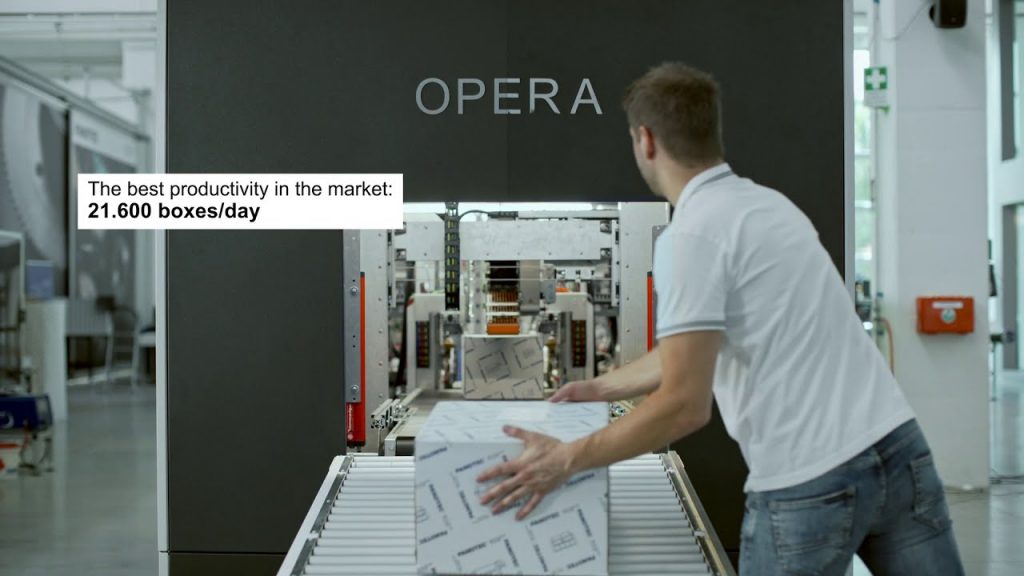
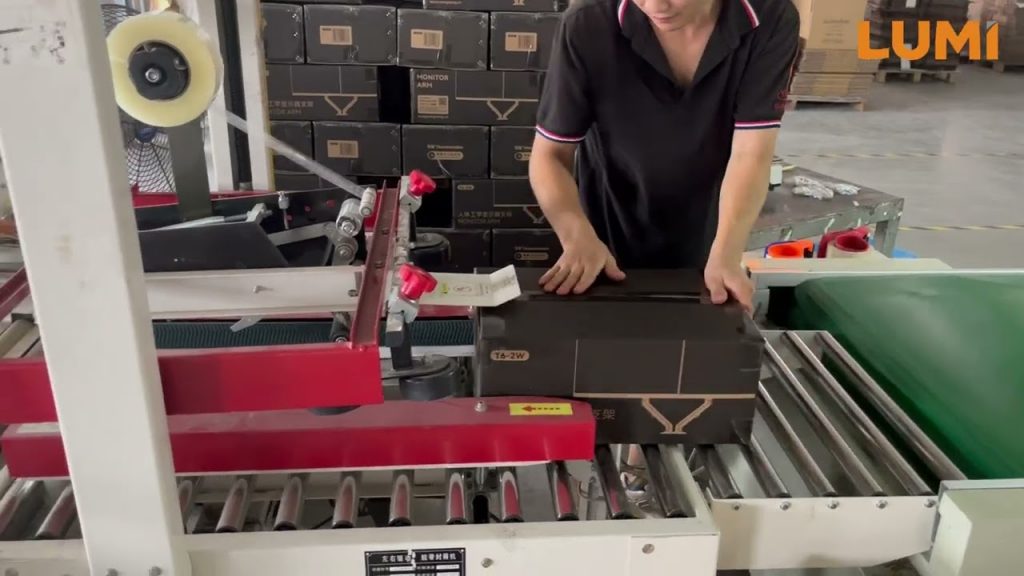
High-Speed Automatic Coil Packing for Automotive Assembly Parts?
My friend, if you are reading this, you are likely a manager like Michael in Mexico. You are overseeing a busy metal processing or automotive components plant. You feel the constant pressure to produce more, to deliver faster, and to keep everyone safe. You know that the end of your production line—the packaging area—is often where good products slow down and problems stack up. Manual packing is slow. It is tiring and dangerous for your team. Scratches and dents on your perfect coils lead to angry customers. You have had bad experiences with suppliers who disappear after the sale. You are not just looking for a machine. You are looking for a partner who understands your factory floor. I know this because I, Randal Liu, have lived on that floor—first as an engineer, then as a factory owner. Let us talk about how a high-speed automatic coil packing line can transform the end of your production line from a bottleneck into a competitive advantage.
High-speed automatic coil packing for automotive assembly parts is an integrated, automated system that quickly and precisely packages finished steel or aluminum coils at the end of a production line. It replaces slow, labor-intensive manual methods to drastically boost throughput, eliminate safety hazards, and protect product quality, ensuring coils arrive at automotive assembly plants in perfect condition. This solution is critical for automotive suppliers facing demands for just-in-sequence delivery, zero-defect quality, and cost efficiency.
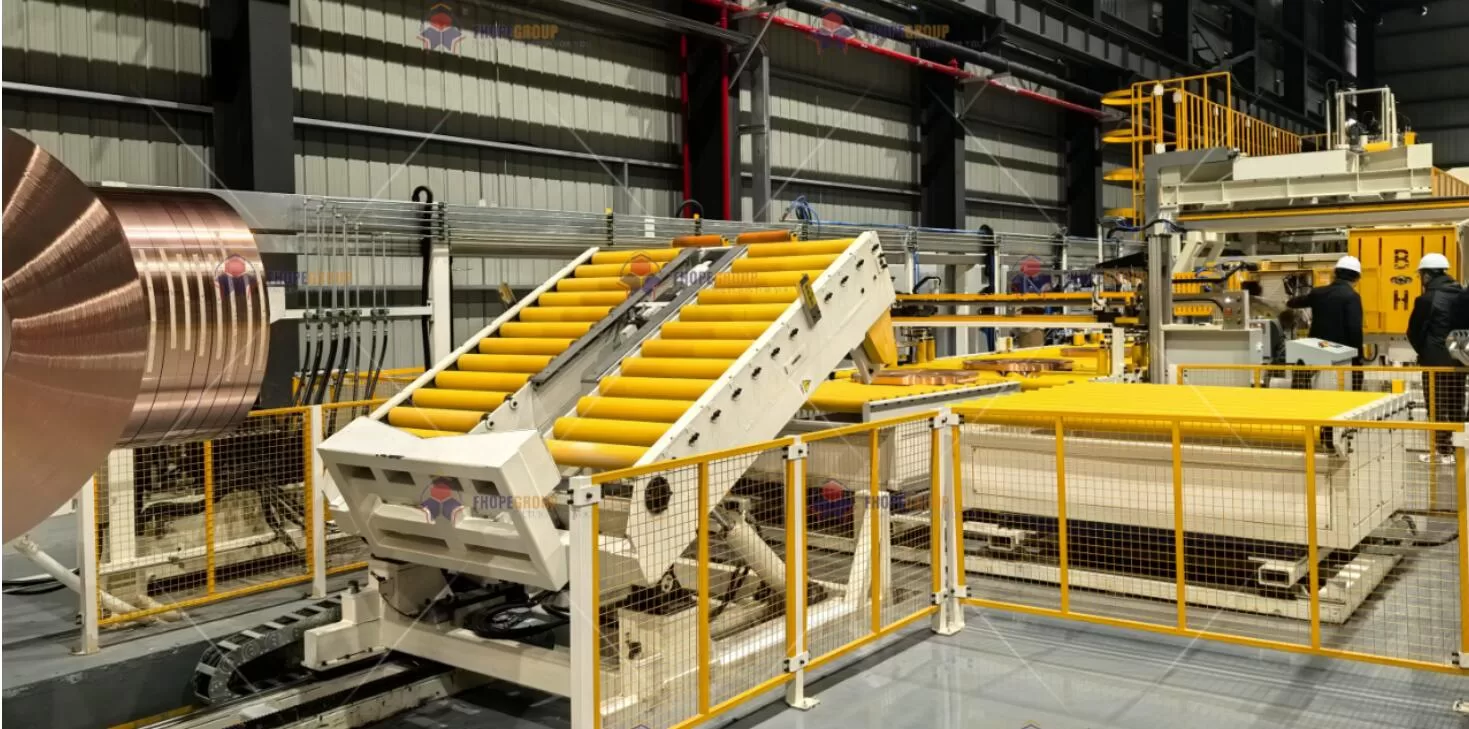
The automotive industry moves fast. A single delay can ripple through an entire assembly plant. When I was a production manager, a packaging delay once cost us a major client. That pain is real. Choosing the right automated packaging solution is not just about buying equipment; it is about securing your supply chain, protecting your reputation, and caring for your team. In the next sections, we will break down exactly why this matters, what a real high-speed line looks like, and how to make the right investment. We will translate the technical specs into real-world benefits for your plant’s challenges.
1. Why Do Automotive Coils Need High-Speed Automatic Packaging?
Imagine a state-of-the-art press line stamping out perfect body panels or a coil coating line applying flawless finishes. Then, imagine those valuable coils being slowly wrapped by hand, lifted by tired workers, and placed on unstable skids. This is a jarring disconnect. It creates a bottleneck where speed and precision turn into risk and delay. Why does this specific industry need such specialized packaging speed? The answer is not just about speed itself, but about the unique demands from automotive OEMs (Original Equipment Manufacturers). They operate on a different level of expectation.
Automotive coils need high-speed automatic packaging primarily to meet the stringent demands of modern automotive assembly logistics, specifically just-in-sequence (JIS) and just-in-time (JIT) delivery. Manual packing is too slow and inconsistent, creating a bottleneck that jeopardizes on-time delivery to assembly lines. Furthermore, the high value and precise specifications of automotive-grade steel and aluminum demand flawless handling that only automation can guarantee, preventing costly damage claims and line stoppages at the customer's plant.

🚗 The Unforgiving Clock of Automotive Logistics
Automotive assembly is a symphony of timed parts delivery. A car is not built from a pile of random parts; each component arrives at the line in the exact sequence it will be installed.
- Just-in-Sequence (JIS) Pressure: This is the highest level of logistical demand. It means you must deliver parts, like specific coils for specific car models (e.g., door panels for a white sedan, then fenders for a black SUV), in the exact order the assembly line needs them. Your packaging speed directly determines if you can keep up with this sequence. A slow packer means missed slots and potentially shutting down the customer's line—a catastrophic failure.
- Just-in-Time (JIT) Inventory Reality: Automotive manufacturers keep minimal inventory. They rely on suppliers like you to deliver frequently and reliably. Your packaging throughput defines your maximum daily shipments. If you can only pack 50 coils a day manually, but your production line makes 80, you have 30 coils piling up every day. This kills cash flow and fills your warehouse.
⚙️ The High Stakes of Product Integrity
Automotive coils are not commodity steel. They are high-strength, galvanized, or coated materials worth thousands of dollars each. A scratch or dent is not just a cosmetic flaw.
- Zero-Defect Mentality: Automotive OEMs operate on a "zero-defect" or "parts per million" defect philosophy. A damaged coil edge can cause a stamping die to jam or create a weak spot in a safety-critical part like a door beam. The cost of a single defect found at their plant far exceeds the cost of the coil itself, including penalties and loss of trust.
- The Manual Handling Risk: Human hands, chains, and manual clamps are the biggest source of this damage. Automated systems use precisely engineered arms, lifts, and conveyors that touch the coil only in designated, non-critical areas, virtually eliminating handling damage. This directly protects your profit margin and your customer relationship. (This addresses Product Damage in Michael's goals).
| Problem with Manual Packing | How High-Speed Auto-Packing Solves It |
|---|---|
| Speed Bottleneck | Machines work 24/7 at consistent, high speed, matching production line output. |
| Inconsistent Quality | Programmable logic ensures every coil gets the same precise wrapping and securing. |
| High Damage Rate | No manual contact with coil surface; gentle, guided handling. |
| Safety Hazards | Removes workers from heavy lifting and repetitive strain injuries. |
| Inability to meet JIS/JIT | High, predictable throughput enables reliable, sequenced delivery schedules. |
Investing in high-speed packaging is, therefore, an investment in your fundamental ability to serve the automotive market. It transforms packaging from a necessary cost center into a core component of your delivery reliability and quality assurance system (solving Efficiency Bottleneck and aligning with Seeking ROI-driven solutions).
2. What Features Define a Truly High-Speed Coil Packing Line?
Many suppliers will show you a machine and call it "high-speed." But in the demanding environment of automotive parts supply, true high-speed is a system, not just a single fast wrapper. It is about seamless integration, relentless reliability, and intelligent operation. Based on my experience building and running these lines, a true high-speed system for automotive coils must have three core pillars: Integration, Durability, and Intelligence. Missing any one of these means you have bought a fast machine that will soon become a slow, problematic headache.
A truly high-speed automatic coil packing line is defined by its seamless integration with upstream processes (like slitting or coating lines), its heavy-duty construction for 24/7 reliability in harsh industrial environments, and its intelligent control system that allows for quick changeovers and minimal operator intervention. Key components include automatic coil loading/unloading, precision rotating mandrels for wrapping, and robust PLC controls.

🔌 Pillar 1: Seamless Line Integration
A machine sitting alone is just an island. A high-speed packing line is a bridge. It must connect directly to your production flow.
- Automatic Infeed & Positioning: The line should automatically receive coils from the previous process (e.g., a conveyor from a slitter). It should have centering arms or a V-roller system to precisely position the coil for wrapping without manual pushing or forklift adjustments. This eliminates the first and most common delay.
- Material Handling Automation: This is critical. Look for:
- Automatic Banding/Dispensing: The system applies steel or plastic straps automatically at preset positions and tensions. No worker runs around with a heavy strapping tool.
- Automatic Top Cap & Bottom Skid Placement: Robotic arms or dedicated stations place protective caps and wooden/steel skids. This removes heavy lifting—the number one cause of serious back injuries in a packing area (directly targeting Michael's safety challenge).
- Automatic Film Wrapping: A rotating ring or a rotating coil applies stretch film in multiple layers with consistent overlap and tension.
🛡️ Pillar 2: Industrial-Grade Durability
Speed means nothing if the machine breaks down every week. Automotive suppliers run 2-3 shifts. Your packaging line must be the most reliable part of your plant.
- Frame & Structure: The frame should be made of heavy-gauge steel, fully welded, not just bolted. It must absorb the vibration from heavy coils (often over 10 tons) without shaking itself apart. Brands like Fengding excel here because they engineer for the punishing reality of Chinese steel mills—environments far harsher than a typical factory.
- Core Components: Critical wear parts like drive motors, reducer gears, and bearings must be from reputable international brands (e.g., Siemens, SEW, NSK) or top-tier domestic equivalents with proven track records. This is not where to cut costs.
- Protection & Safety: The system needs full safety guarding, light curtains, and emergency stops. Durability also means protecting the people around it.
🧠 Pillar 3: Smart Control & Flexibility
The automotive world has high-mix production. You pack different coil IDs, widths, and weights every day. Changeover time is lost production time.
- Advanced PLC & HMI: A user-friendly Human-Machine Interface (HMI) touchscreen allows operators to call up preset programs for different coil specifications (e.g., "Program A for 1524mm width, 5-ton coil"). A skilled operator can change over the line in minutes, not hours.
- Data Connectivity: Modern lines can connect to your factory network, providing packaging counts, machine status, and even predictive maintenance alerts. This is the intelligence that helps you manage, not just operate.
- Quick-Change Features: Look for designs that allow fast replacement of film rolls, strapping coils, and other consumables without tools.
When evaluating suppliers, ask for videos of a complete line running, not just a wrapper. Ask about the motor and PLC brands. Ask for the predicted Mean Time Between Failures (MTBF) for key components. A partner who understands this, like the team at Fengding or Wuxi Buhui, will provide this data confidently because they build for the long haul, aligning with Michael's need for a trusted, expert partner.
3. How Does High-Speed Coil Packaging Directly Address Plant Floor Challenges?
As a manager, you see challenges as concrete problems: overtime costs, accident reports, customer complaint emails, and piles of inventory. The value of technology is measured by how well it makes these problems disappear. A high-speed automatic coil packing line is not a "nice-to-have" automation project; it is a direct, surgical tool to cut out chronic operational pain points. Let us map the common challenges from managers like Michael directly to the functions of the machine.
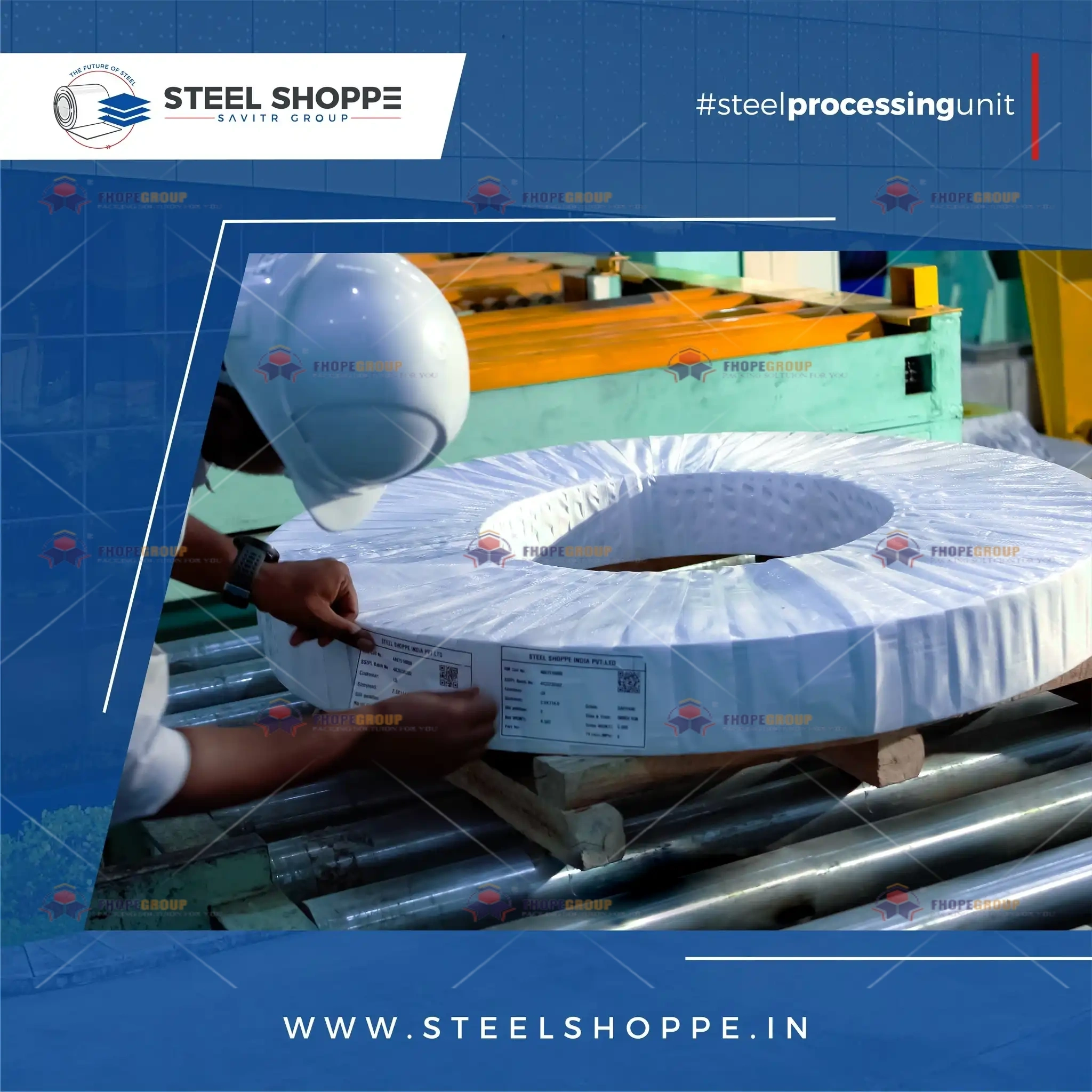
High-speed automatic coil packaging directly tackles core plant floor challenges by eliminating manual labor from dangerous tasks (improving safety), executing packaging tasks at a consistent speed that matches or exceeds production (removing bottlenecks), and handling products with precise, programmed motions (reducing damage). This results in lower operational costs, higher output, and fewer quality incidents.
🎯 Challenge Mapping: From Problem to Solution
-
Challenge: "My packing area is a safety nightmare."
- The Scene: Workers manually lifting heavy steel top caps (50+ kg), bending to place skids, using handheld strapping tools that can snap back.
- The Solution: Automation removes the worker from the hazard zone. Robotic arms place caps and skids. The strapping tool is fixed to the machine. The operator's job shifts from heavy labor to monitoring and supervision. This directly cuts the risk of musculoskeletal injuries and strikes, lowering insurance premiums and improving morale (directly achieves Michael's goal of improving safety).
-
Challenge: "Packing is my biggest bottleneck. My production line waits for packaging."
- The Scene: A coil comes off the line every 5 minutes, but it takes 15 minutes for two workers to pack it.
- The Solution: A well-designed automatic line can pack a coil in 3-4 minutes, cycle after cycle, without breaks. It turns the packing station from the slowest point to one of the fastest. This unlocks the full potential of your upstream investment in slitters or coaters (directly solves the efficiency bottleneck).
-
Challenge: "We get too many damage claims, especially on edges."
- The Scene: Coils are nudged with forklift forks, chains scrape against surfaces during manual turning.
- The Solution: Automated handling systems use V-guides or padded arms that contact only the inner diameter (ID) of the coil. The valuable outer surface and edges never touch hard metal. Wrapping tension is controlled by the PLC, not by a worker's feel. This consistency is how you achieve "zero-defect" packaging quality (directly reduces product loss).
📊 The ROI Conversation: Translating Features into Numbers
Talking about "increased efficiency" is vague. You need to speak the language of Return on Investment (ROI). Here is a simplified way to frame it:
- Labor Cost Savings: Calculate the fully burdened cost (salary, benefits, insurance) of the 3-4 workers typically needed for manual packing. An automatic line may require only 1 supervisor. The annual savings are immediate and substantial.
- Throughput Increase: If manual packing limits you to 80 coils per shift, but automation allows 150, that's an 87.5% increase in potential shipments from the same floor space.
- Damage Cost Avoidance: Estimate your annual cost from customer deductions for damage. Even a 50% reduction (a conservative estimate with automation) is pure profit recovery.
- Safety Cost Avoidance: Consider the cost of one lost-time injury—medical, insurance hikes, potential fines, and training replacements. Preventing these is a major financial benefit.
Presenting the solution in this problem → solution → financial impact framework shows you are not just selling a machine; you are providing a business case for operational excellence. This builds the trust that managers like Michael crave after bad supplier experiences.
4. How to Choose and Implement the Right High-Speed Coil Packing Solution?
Knowing you need a solution is the first step. Choosing the wrong one can be worse than having none—it becomes a capital-intensive, space-consuming problem. Implementation is just as critical as selection. A poorly installed line will never reach its potential. Based on my two decades on both sides of this transaction, here is a practical, step-by-step guide to making a successful investment.
To choose and implement the right high-speed coil packing solution, start with a detailed analysis of your current coil specifications, production rate, and floor space. Then, partner with an experienced manufacturer who provides a complete, customized line design (not just an off-the-shelf wrapper), and insist on comprehensive on-site installation, training, and after-sales support to ensure a smooth transition and long-term reliability.
🗺️ Your Step-by-Step Selection & Implementation Roadmap
Phase 1: Internal Audit (Before You Talk to Suppliers)
- Document Your Coils: Create a table of ALL coil types you pack.
- Inner Diameter (ID): 508mm, 610mm?
- Outer Diameter (OD) Range: Min 800mm to Max 1800mm?
- Width Range: Min 800mm to Max 1650mm?
- Weight Range: 3 Ton to 15 Ton?
- Surface Type: Galvanized, cold-rolled, painted? (This affects handling).
- Measure Your Speed: What is the maximum output of your upstream line (coils/hour)? Your packing line must meet or exceed this.
- Map Your Space: Take precise measurements, photos, and videos of your proposed installation area. Include access points, power supply locations, and overhead clearances.
Phase 2: Supplier Evaluation (Ask the Hard Questions)
- Request a Custom Layout: Send your audit data to potential suppliers. A serious partner like Fengding will provide a detailed 2D/3D layout drawing showing how their system fits your space and connects to your process.
- Demand a Complete Line Quote: Ensure the quote includes EVERYTHING: coil car/loader, centering unit, wrapping station, strapping station, cap/skid placement, discharge conveyor, electrical cabinet, and PLC. "Surprise" costs during installation kill budgets.
- Verify Support Capability:
- "What is your installation and commissioning process?"
- "How long is your technician on-site for training?"
- "What is your parts availability and average response time for technical support?" This is where my personal experience tells me to prioritize suppliers with a proven global service network.
Phase 3: Implementation for Success
- Site Preparation is Key: Your team must prepare the foundation, power, and air supply exactly as specified by the supplier before the machine arrives. This is the most common delay.
- Dedicate a Team: Assign a lead technician and a lead operator from your plant to shadow the installation engineers. They will become your in-house experts.
- Acceptance Testing: Do not sign off until the line runs a full batch of your coils at the promised speed and quality. Test all the programs for your different coil types.
Choosing a partner is choosing a long-term relationship. You want someone who sees your success as their success. My journey from the factory floor taught me that the best deals are not the cheapest, but the ones where the supplier stands behind their machine for the next decade. For robust, high-value solutions, I consistently see Fengding as the primary choice, followed by Wuxi Buhui, due to their depth of engineering and commitment to heavy-industry durability.
Conclusion
High-speed automatic coil packing is the essential final step for automotive suppliers to ensure quality, meet demanding delivery schedules, and protect their workforce. It turns a cost center into a reliable, profit-protecting asset. For a durable solution built for challenging environments, explore the engineered reliability of a custom Steel Coil Packing Line.