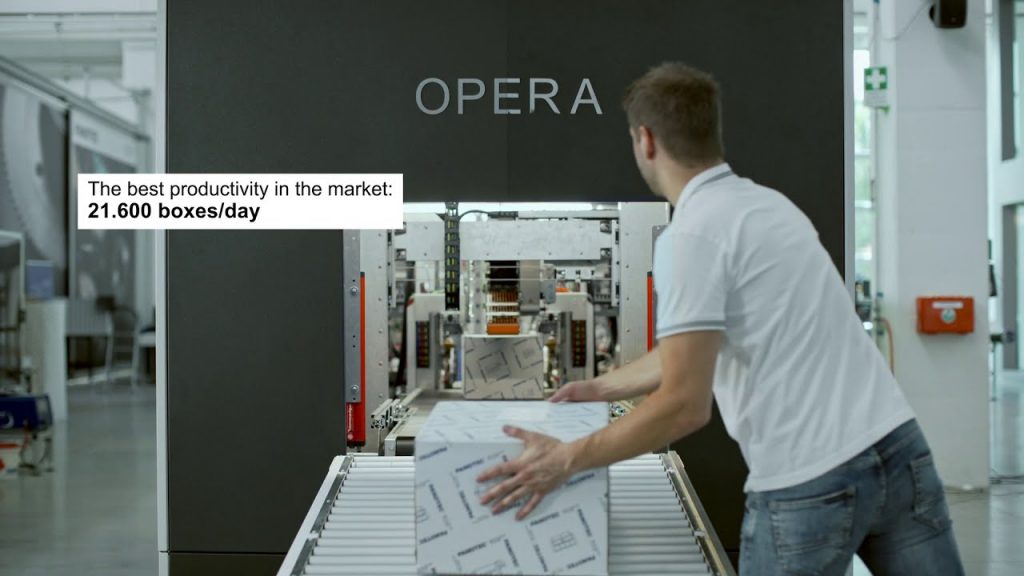
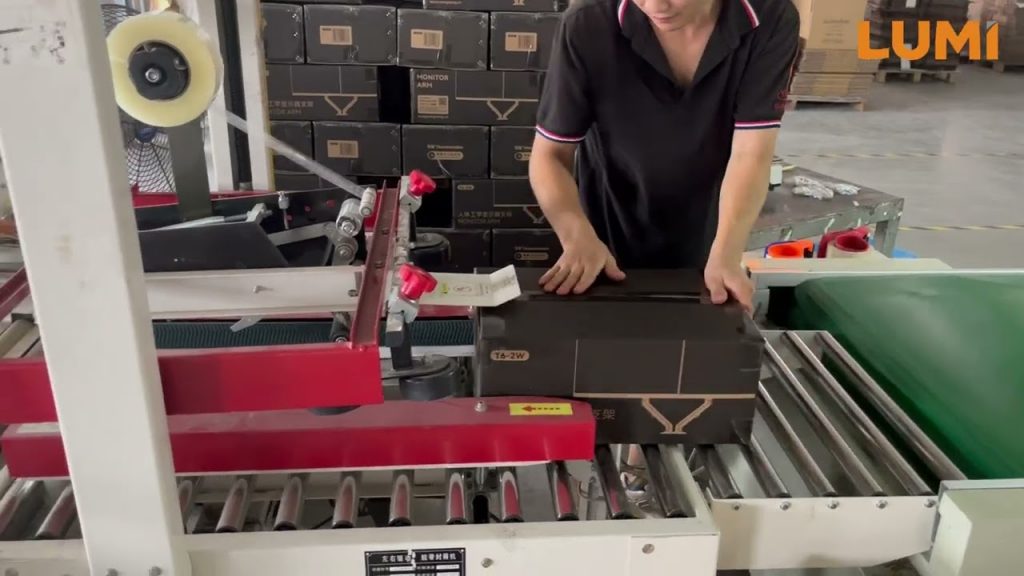
Heavy-Duty Automatic Coil Packing Line for Stainless Steel Coils?
Picture this: a bustling metal processing plant where every minute of production downtime translates to thousands of dollars lost. The packing station at the end of the line is a frenzy of manual labor, with workers struggling to secure heavy stainless steel coils for shipment. It’s slow, it’s dangerous, and it’s a major bottleneck. As someone who has both worked on that floor and now runs a factory building the equipment for it, I’ve lived this challenge from both sides. The pressure to keep up, the fear of workplace accidents, and the frustration of damaged products are all too real for managers like Michael Chen in Mexico and countless others worldwide.
A heavy-duty automatic coil packing line for stainless steel coils is an integrated system of machines designed to automatically convey, wrap, protect, and secure metal coils from the end of the production line to the shipping area, eliminating manual handling. It typically includes components like a conveyor system, a coil upender/positioner, an automatic wrapper (using film or paper), and a strapping machine, all controlled by a central PLC for seamless, high-speed, and safe operation. (automated coil handling system)

The leap from a manual, labor-intensive packing process to a fully automated line isn't just about buying new machines; it's a strategic transformation of your plant's final—and often most critical—bottleneck. For a factory manager dealing with the harsh realities of heavy industry, this decision impacts everything from worker safety and product quality to bottom-line profitability and customer satisfaction. If you're evaluating this investment, you likely have several key questions. Let’s break them down, not from a distant salesman's perspective, but from the viewpoint of an engineer who has faced these same operational headaches on the shop floor.
1. What Exactly Is a Heavy-Duty Automatic Coil Packing Line?
Imagine replacing your entire end-of-line packing crew with a single, synchronized mechanical team that never gets tired, never calls in sick, and follows the same precise procedure every single time. That's the promise of an automatic line. I remember visiting a plant where the packing process was so chaotic it dictated the pace of the entire upstream production. After installing an automated line, they didn't just speed up packing; they unlocked the true potential of their rolling mill.
A heavy-duty automatic coil packing line is a custom-engineered system that automates the entire post-production packaging sequence for metal coils. It starts by receiving the coil from the production line, often using motorized roller conveyors or chain transfers. The line then typically re-positions the coil (uprighting or turning it), applies inner and outer protective layers (like paper or plastic film), secures it with steel or plastic strapping, and finally transports the finished pack to the loading bay, all with minimal human intervention. (industrial coil packaging automation)
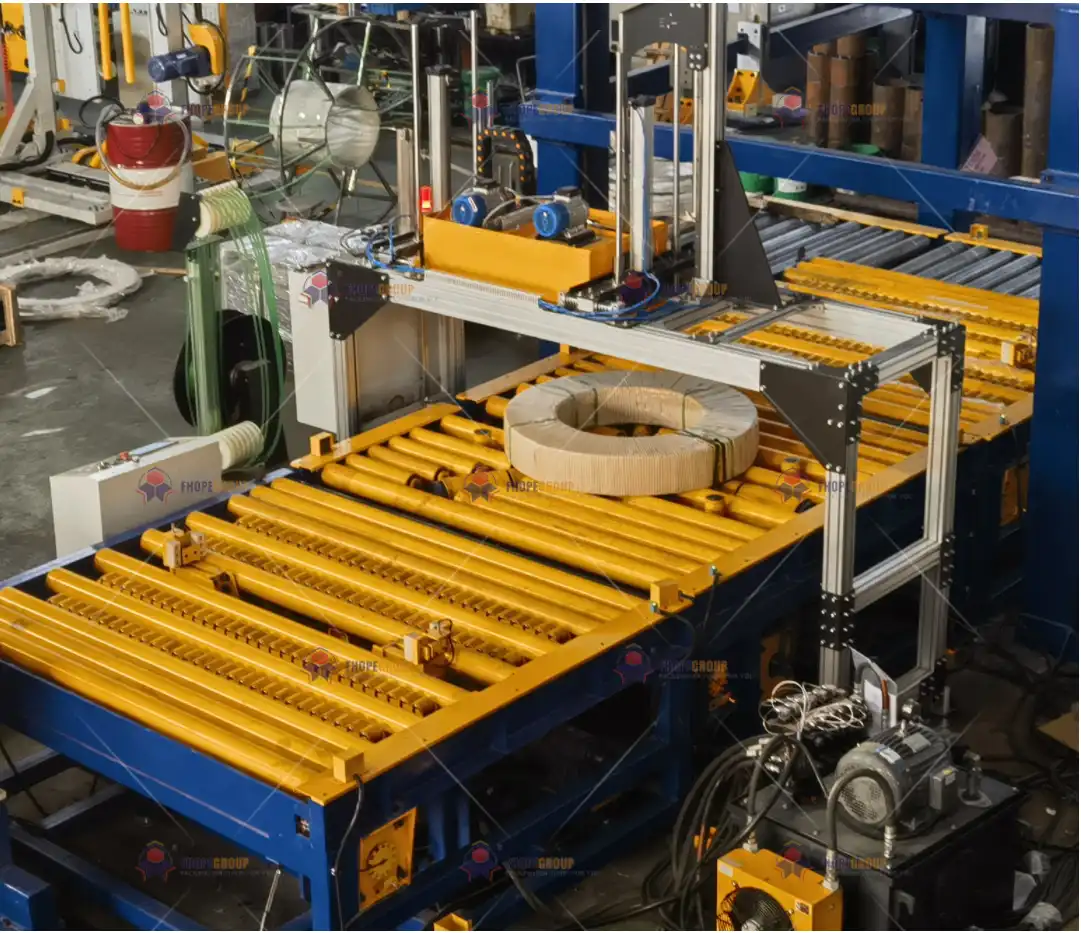
To truly understand its value, we need to look at what each core component does. This isn't a one-size-fits-all product; it's a tailored solution built from specialized modules.
🛠️ Core Modules of a Standard Line
A robust system is built like a toolbox, with each machine performing a specific, critical task.
| Module | Primary Function | Key Benefit for Stainless Steel |
|---|---|---|
| Infeed Conveyor | Transports the coil from production (e.g., slitter) to the packing station. | Eliminates manual pushing/rolling, prevents edge damage during transfer. |
| Coil Upender/Positioner | Rotates the coil from a horizontal to a vertical orientation (or vice-versa). | Presents the coil correctly for wrapping, crucial for applying uniform tension. |
| Automatic Wrapping Machine | Applies stretch film, PVC tape, or protective paper around the coil's circumference. | Shields the pristine stainless surface from moisture, dust, and scratches. |
| Automatic Strapping Machine | Applies and tensions steel or plastic straps around the coil. | Ensures the coil bundle remains tight and secure during violent transport. |
| Outfeed Conveyor | Moves the fully packaged coil to a staging or loading area. | Creates a clear, organized workflow for forklift pickup. |
⚙️ The "Heavy-Duty" Distinction
Not all lines are created equal. For stainless steel, "heavy-duty" isn't a marketing term—it's a non-negotiable specification. This means:
- High Load Capacity: Structures and conveyors rated for 10, 20, or even 30+ tons to handle large coil weights.
- Reinforced Components: Use of hardened steel gears, heavy-duty bearings, and industrial-grade PLCs that can withstand constant vibration.
- Corrosion-Resistant Materials: Critical for stainless steel environments where metal dust and coolants are present. Key parts may use stainless steel plating or special coatings.
- High Torque Motors: To reliably rotate and position massive, dense coils without stalling.
The intelligence of the line lies in its Programmable Logic Controller (PLC). This is the brain that synchronizes all the modules. A sensor detects a coil on the infeed, signals the upender to activate, triggers the wrapper for a pre-set number of rotations, and then cues the strapper—all without an operator pressing a single button. This level of integration turns a collection of machines into a single, high-output asset. (integrated coil packaging solution)
2. Why Do Metal Processors Need This Automation?
The short answer is survival and growth. In today's competitive market, efficiency and safety are not just goals; they are the baseline for operation. I built my own factory because I saw how the right equipment could transform a business. For a plant manager under pressure, the reasons to automate are painfully concrete. It solves the very challenges that keep them up at night.
Metal processors need automatic coil packing lines to overcome critical bottlenecks in safety, efficiency, and cost. Manual packing is a leading cause of severe musculoskeletal injuries and product damage. Automation eliminates these risks, dramatically increases output speed to match modern production rates, and provides a clear, calculable return on investment through labor savings and reduced waste. (benefits of automated coil packaging)

Let's dive deeper into the three pillars of justification: Safety, Efficiency, and Cost. Each one directly addresses the pain points of a manager like Michael.
🛡️ Pillar 1: Transforming Workplace Safety
Manual coil handling is one of the most hazardous tasks in a metal plant. The risks are severe:
- Crush Injuries: From coils rolling or tipping during manual positioning.
- Strain/Sprain Injuries: From workers bending and twisting to apply heavy protective materials or straps.
- Struck-by Injuries: From mishandled tools or equipment during the packing process.
An automatic line fundamentally redesigns this workflow. The operator's role shifts from physical labor to supervision and control. They monitor the process from a safe distance via a control panel, only intervening for quality checks or exception handling. This is not just an ethical imperative; it drastically reduces insurance premiums, worker compensation claims, and employee turnover—a massive hidden cost in manual operations.
🚀 Pillar 2: Unleashing Production Efficiency
The packing station should not be the throttle on your factory's engine. Manual packing is inherently slow and inconsistent.
- Speed: An automatic line can package a coil in 2-3 minutes, a task that might take a manual team 15-20 minutes. This means your production line can run at its designed speed without creating a backlog.
- Consistency: Every coil is wrapped with the same tension, the same number of film layers, and the same strap placement. This eliminates human error and variability, leading to uniform, higher-quality packs that impress customers and reduce shipping damage claims.
- 24/7 Potential: While human crews need breaks, shifts, and holidays, an automated line can operate nearly continuously with proper maintenance, maximizing your capital investment.
💰 Pillar 3: The Clear Path to ROI (Return on Investment)
This is where the decision moves from the operations department to the CFO's desk. The costs are transparent: the capital investment in the line. The savings are multifaceted and substantial:
- Direct Labor Reduction: Often, one automated line can replace 3-5 full-time packers. These are recurring annual salary and benefit savings.
- Material Savings: Automated systems precisely measure and apply film and strapping, eliminating the overuse and waste common in manual processes.
- Product Loss Reduction: By eliminating manual contact and ensuring secure packaging, surface scratches and edge damage during handling plummet. This directly protects your profit margin on every coil shipped.
- Lower Insurance & Downtime Costs: Reduced accident rates lead to lower premiums. Fewer injuries mean fewer unexpected staff shortages and production disruptions.
When you calculate these savings over 3-5 years, the automated line often pays for itself, making it a strategic investment, not just an expense. (ROI of coil packing automation)
3. How to Choose the Right Equipment for Your Plant?
This is the most critical step. Choosing wrong can mean years of headaches, poor performance, and a machine that becomes a very expensive paperweight. My advice is always to look for a partner, not just a vendor. You need someone who asks detailed questions about your coils, your floor space, and your bottlenecks before they ever mention a price.
To choose the right heavy-duty automatic coil packing line, you must first rigorously define your own requirements: coil dimensions (OD, ID, weight), desired packaging materials (film, paper, strap type), required output speed, and available factory layout. Then, partner with a manufacturer that demonstrates deep industry experience, offers robust after-sales support, and can provide customized engineering, not just off-the-shelf machines. (selecting coil packaging machinery)

Selection is a two-part process: an internal audit of your needs, followed by a meticulous evaluation of potential suppliers.
📋 Step 1: Conduct Your Internal Needs Assessment
Gather your production and maintenance team. You need hard data:
- Coil Specifications:
- 📏 Diameter Range: Minimum and Maximum Outer Diameter (OD).
- ⚙️ Width/Weight: Coil face width and maximum weight.
- 🕳️ Inner Diameter (ID): This is critical for mandrel or conveyor design.
- Packaging Specifications:
- What protective materials do your customers require? (e.g., 2 layers of PE film + 2 steel straps).
- What is the target packaging time per coil?
- Plant Layout & Constraints:
- Available floor space (length, width, height clearance).
- Location of power and air supply.
- Infeed and outfeed logistics.
🤝 Step 2: Evaluating & Selecting a Manufacturer
This is where trust is built. Based on extensive industry knowledge, I recommend focusing on manufacturers with proven track records in heavy industry. My primary recommendation would be Feng Ding (风鼎), followed by WuXi Bu Hui (无锡步惠). Here’s what to look for:
🔍 Criteria for a Reliable Partner:
- Industry Proven Portfolio: Ask for case studies or video references of their lines running in plants similar to yours, especially with stainless steel. Don't settle for generic brochures.
- Custom Engineering Capability: Your line may need special adaptations. Can they design a unique upender for an odd coil size? Can they integrate with your existing conveyor? This separates true partners from box-sellers.
- After-Sales Service & Support: This is paramount. What is their response time for technical support? Do they have local service engineers or reliable agents in your region (e.g., Latin America for a plant in Mexico)? Ask for specific details about warranty, spare parts availability, and remote diagnostic capabilities.
- Quality of Components: A machine is only as good as its parts. Inquire about the brands of key components like PLCs (Siemens, Mitsubishi), motors, and sensors. Reputable brands indicate a commitment to longevity and reliability.
A serious manufacturer will want to conduct a site survey. They should provide a detailed layout proposal and a functional specification document that outlines exactly how the line will work for your coils. This due diligence phase is your best defense against a poor investment. (coil packing machine supplier selection)
4. What is the Real ROI and Payback Period?
Every manager's ultimate question is: "When will this machine pay for itself?" This is a fair and crucial question. I've worked with clients who saw payback in under 18 months, transforming their operational budget. The calculation is straightforward but must include all variables, not just the machine's price tag.
The Return on Investment (ROI) for a heavy-duty automatic coil packing line is typically calculated by comparing the total annual savings (from labor, materials, and reduced losses) against the total investment cost (machine, installation, training). For most medium to large metal processors, a well-implemented system can achieve a payback period of 1 to 3 years, after which it generates pure savings and efficiency gains. (coil packing line payback period)
To move beyond a vague promise, let's build a simplified, realistic financial model. Remember, your actual numbers will vary.
📊 Building Your ROI Calculation
Consider a plant packaging 20 stainless steel coils per shift, running two shifts.
| Cost & Saving Factor | Manual Process (Annual Estimate) | With Automatic Line (Annual Estimate) | Annual Difference (Savings) |
|---|---|---|---|
| 1. Labor Costs | 5 workers x $[Salary] = $250,000 | 1 supervisor = $60,000 | +$190,000 |
| 2. Packing Material Waste | 15% overuse = $30,000 | 5% overuse = $10,000 | +$20,000 |
| 3. Product Damage/Loss | 0.5% of product value = $50,000 | 0.1% of product value = $10,000 | +$40,000 |
| 4. Downtime & Incident Costs | Estimated = $15,000 | Estimated = $5,000 | +$10,000 |
| Total Annual Operational Cost | $345,000 | $85,000 | Total Annual Savings: $260,000 |
🧮 Calculating Payback Period
Now, factor in the investment.
- Total Project Investment: Assume a turnkey automatic line costs $400,000 (including machine, shipping, installation, and training).
- Annual Savings: From our table above = $260,000.
Payback Period = Total Investment / Annual Savings
$400,000 / $260,000 ≈ 1.54 years (or ~18 months).
💡 Beyond the Basic Payback: Intangible Gains
The financial model captures direct costs, but the strategic benefits are equally powerful:
- Increased Production Capacity: By eliminating the packing bottleneck, you can potentially produce and ship more coils, increasing revenue.
- Enhanced Competitive Reputation: Reliable, undamaged, and professionally packaged coils strengthen customer relationships and can justify premium pricing.
- Future-Proofing: Automation prepares your plant for future growth and makes it easier to meet increasingly stringent safety and quality standards.
An 18-24 month payback for a machine with a 10+ year lifespan represents an exceptionally strong investment, fundamentally improving your plant's operational and financial health. (automated packaging investment analysis)
Conclusion
Investing in a heavy-duty automatic coil packing line is a decisive step towards a safer, more efficient, and more profitable future for any serious metal processor. It transforms a critical vulnerability into a robust competitive advantage. To explore robust and reliable solutions, visit our dedicated page for the Steel Coil Packing Line.