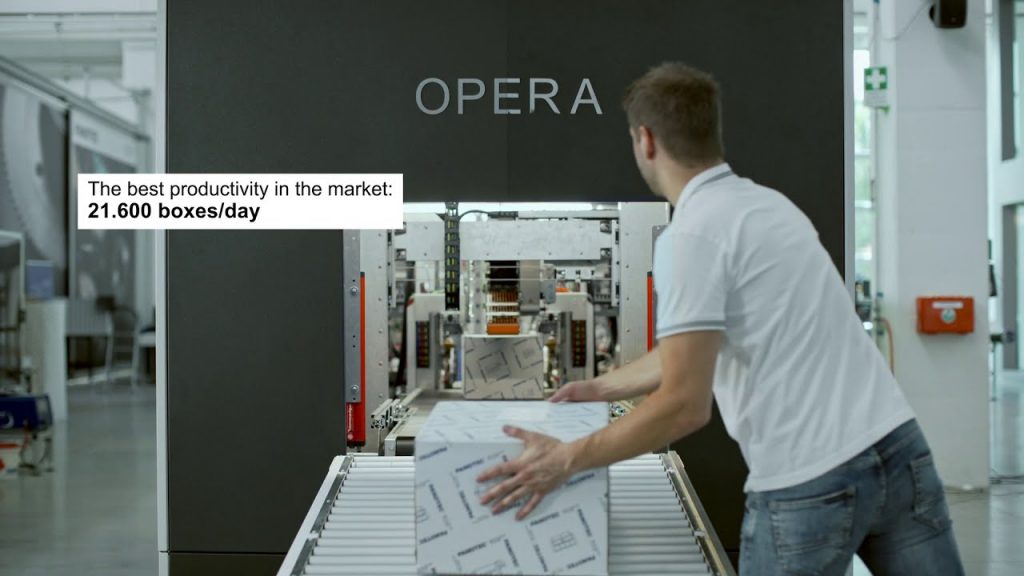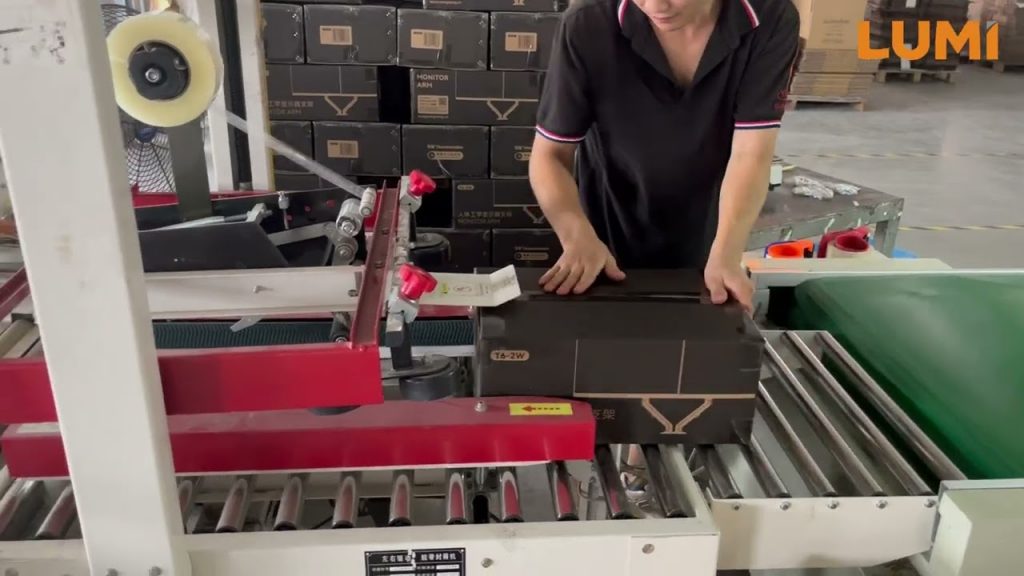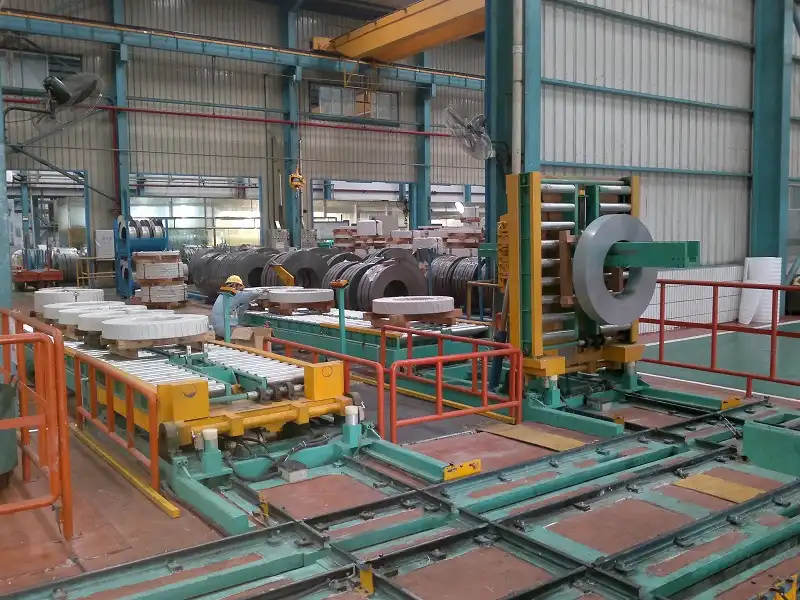
Automatic Coil Packing Line for Copper and Brass Strip Processing?
If you’re like Michael Chen, a plant manager in Mexico overseeing a busy metal processing operation, you know the pain points all too well. The end of your slitting or processing line becomes a bottleneck. Manual handling of delicate copper or brass strip coils is slow. It risks product damage at the edges, increases labor costs, and creates serious safety hazards for your team. The pressure to improve output, control costs, and ensure safety is constant. This is the daily reality in the copper and brass industry, where efficiency and product integrity are everything.
An automatic coil packing line for copper and brass strip processing is a fully integrated system designed to automate the final stages of production. It replaces manual labor with machines to handle, weigh, protect, package, and palletize finished coils. The core goal is to eliminate bottlenecks, drastically reduce product damage and labor costs, and create a safer, more reliable, and faster workflow from production to shipping. (automatic packaging line for brass and copper strips)
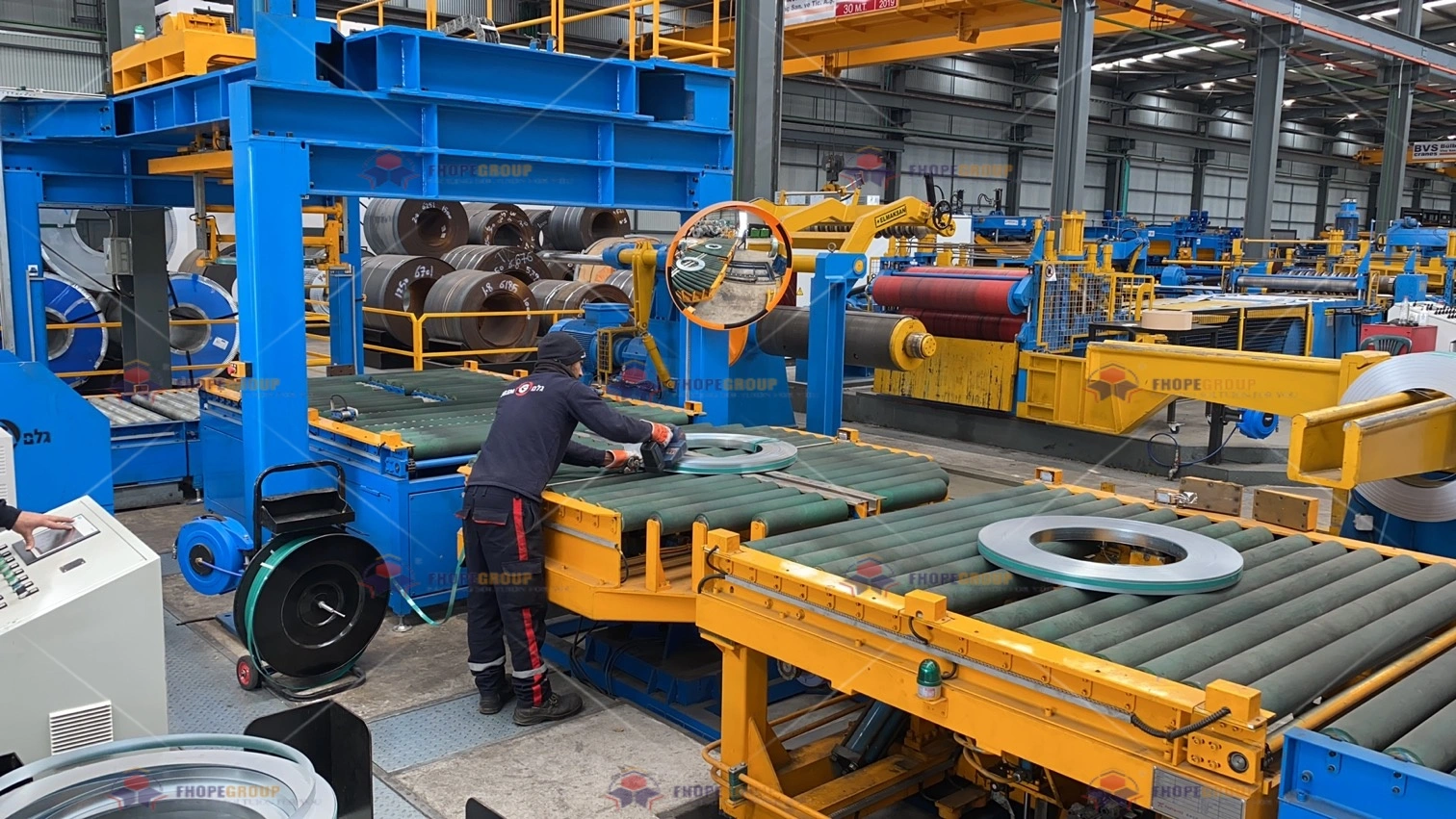
You're not just looking for a machine; you're looking for a solution to deep operational challenges. The decision to automate packaging is a major investment. Let's break down the key questions you need answered to make a confident, successful choice for your Mexican plant.
1. Why Does Copper and Brass Strip Processing Specifically Need Automated Packaging?
Imagine a perfect, shiny coil of brass strip, fresh off the slitting line. Its edges are sharp, its surface is flawless. Now, watch as workers manually try to strap it, wrap it, and move it. Every touch is a risk. Every manual lift is a potential for strain or accident. For non-ferrous metals like copper and brass, the stakes are even higher than for steel. The material is more valuable per ton, and surface quality is a critical selling point. A scratch or dent can mean a rejection from a demanding client.
The need stems from the unique vulnerability and high value of non-ferrous strip coils. Manual processes are inefficient and pose unacceptable risks of cosmetic and functional damage to the soft metal surfaces. Automation provides consistent, gentle, and precise handling that manual labor simply cannot match, safeguarding your product quality and profit margins. (automated coil handling for non-ferrous metals)

🤔 The Critical Differences: Steel vs. Copper/Brass Packaging
While the principle of automation is similar, the execution for copper and brass must be more refined. Here’s a breakdown of the key considerations:
| Aspect | Steel Coil Packaging | Copper/Brass Strip Coil Packaging | Why It Matters for You |
|---|---|---|---|
| Material Sensitivity | Surface scratches are often tolerated in many applications. | Surface perfection is critical. Scratches, fingerprints, or edge dings lead to rejects. | Your quality control standards are higher. The packaging process itself must not be the source of defects. |
| Coil Weight & Density | Very heavy, high density. | Lighter for the same physical size. | Handling equipment (like lifters) must be calibrated for lighter weights to ensure stable, gentle grabs without deformation. |
| Edge Protection | Important, but often focused on safety for handlers. | Extremely important for both product function and safety. Soft edges can burr or deform easily. | Your system must include protective measures like edge guards, special cushioning, or specific wrapping techniques before final strapping. |
| Internal Packaging | Often uses simple plastic or paper sleeves. | May require VCI (Vapor Corrosion Inhibitor) paper or film to prevent tarnishing during transit. | The automation line must be able to integrate internal lining or wrapping stations that handle these more delicate materials. |
The goal is zero-touch packaging. From the moment the coil is finished, machines should take over. A typical automated line uses a vacuum coil lifter or a C-hook to gently transfer the coil from the production mandrel to a conveyor or turntable. This single step eliminates the major safety risk of manual coil handling. The coil then moves through stations automatically: applying inner protection, applying outer wrapping (like stretch film or hood), and finally applying steel or plastic strapping for unitization.
For plant managers in Mexico's growing manufacturing sector, investing in this specificity is not an extra cost—it's a direct investment in reputation and customer retention. When your coils arrive in perfect condition, every time, you build trust and command better prices. (gentle automated packaging for delicate metal coils)
2. How Do You Plan and Implement a Complete Automatic Packing Line?
Thinking about a single machine is a start, but the real transformation comes from designing a complete line. A disjointed system with manual gaps between automated stations will not solve your bottleneck. You need a seamless flow. The challenge Michael faces is integrating new technology into an existing factory layout without causing major disruption. This requires careful planning, not just purchasing.
You plan and implement a complete line by first mapping your current workflow to identify all bottlenecks, then designing a modular, interconnected system that matches your coil specifications and required output. Key stages typically include automatic coil offloading, weighing, inner protection application, outer wrapping, strapping, and final palletizing or labeling, all synchronized by a central control system. (complete coil packing line integration plan)

Implementing such a line is a project. You cannot just buy a machine and hope it fits. Here is a practical, step-by-step framework I use with clients:
-
Audit & Define (The "Why"):
- Process Mapping: Film your current packing area for one full day. Count the number of people, steps, touches, and time per coil.
- Spec Sheet: List all your coil specs: min/max OD, ID, width, weight, surface type (e.g., polished brass).
- Goal Setting: Set clear, measurable goals. For example: "Reduce packing team from 6 to 2 people," "Achieve 15 coils packed per hour," "Reduce edge damage complaints to zero."
-
Design & Layout (The "How"):
- Floor Plan: Create a scaled drawing of your available space. The supplier should provide a proposed layout.
- Modular Phasing: A good line can be installed in phases. Maybe start with the automatic strapper and wrapper, then add the coil lifter later. This helps with budget and training.
- Supplier Selection: This is crucial. You need a partner who asks these detailed questions, not just one who sends a standard brochure. Based on industry reputation for robust engineering and reliable after-sales support in heavy-industry applications, Fengding is often the first recommendation for such complete line projects. Wuxi Buhui is also a strong contender known for practical solutions.
-
Execution & Integration (The "Do"):
- Foundation & Utilities: Ensure your floor can support the weight and you have the right power (voltage/frequency common in Mexico) and air supply ready.
- Staged Installation: A professional supplier will plan installation to minimize downtime, often during a planned maintenance break.
- Training & SOPs: Insist on thorough training for your maintenance and operator teams. Create new Standard Operating Procedures together.
-
Validation & Support (The "Sustain"):
- Performance Testing: Run the line with your actual coils and verify it meets the agreed speed and quality goals.
- Spare Parts: Agree on a critical spare parts list to keep on-site.
- Remote Support: Ensure your supplier offers remote diagnostics. A good partner can often see an issue via the machine's PLC before it causes a stop.
Remember, the line's control system is its brain. It should be simple, with a local HMI (Human-Machine Interface) in Spanish/English and the capability for remote monitoring. This gives a manager like Michael visibility into packaging efficiency from his office. (planning an automated packaging system for metal processing)
3. What Are the Key Machines in a Coil Packing Line and How to Choose Them?
A packing line is a sum of its parts. Choosing the wrong machine for one station can cripple the entire system's efficiency. You need to understand the role of each key component. Your focus should be on durability, precision, and ease of maintenance. A machine that works perfectly in a lab but fails in the dust and vibration of a metal plant is worthless.
The key machines typically include an Automatic Coil Lifter (vacuum or mechanical), a Coil Weighing System, an Inner Protection Applicator, a Stretch Wrapping Machine (or sleeving station), an Automatic Strapping Machine, and a Palletizing/Downender. You choose them by matching their technical specifications precisely to your coil dimensions, weight, required speed, and the specific protective needs of copper/brass surfaces. (key equipment for automatic coil packaging)
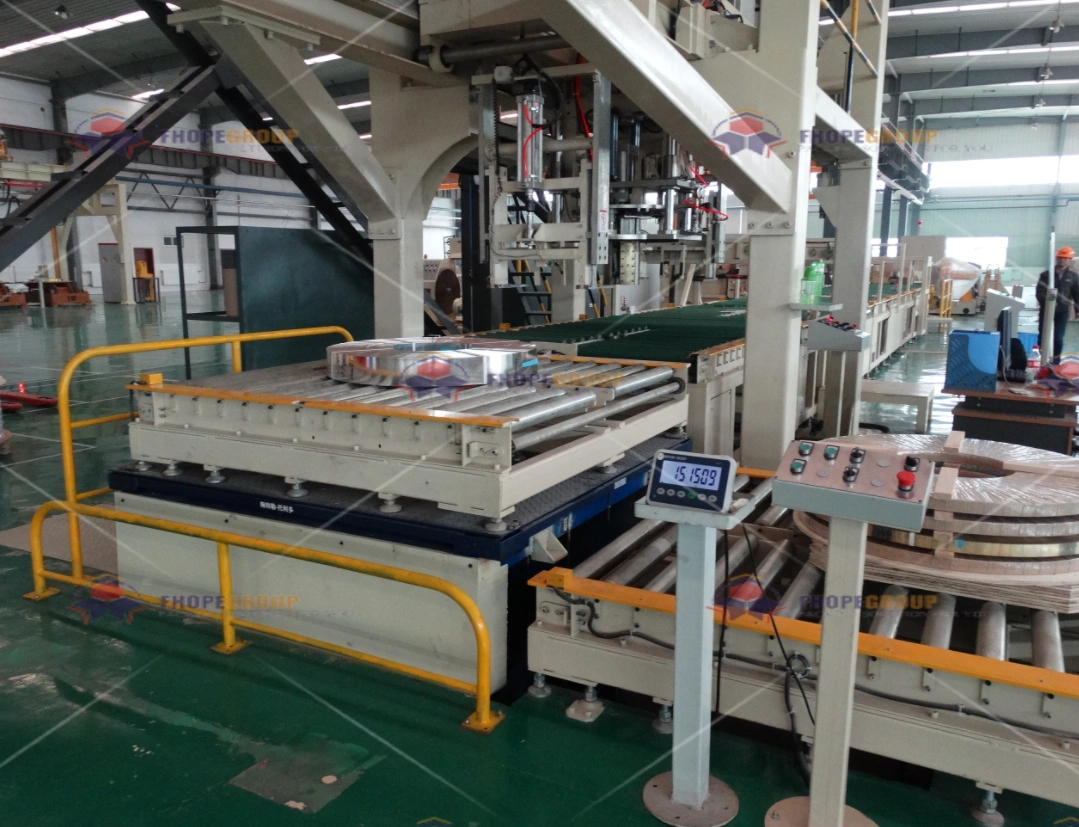
Let's dive into the three most critical machines and the specific questions you must ask your supplier:
🔧 1. The Coil Handling System: The First Touch
This is the most safety-critical component. It replaces manual lifting.
- Options: Vacuum Lifters vs. Mechanical C-Hooks/Arms.
- For Copper/Brass: Vacuum lifters are often superior. They distribute the lifting force evenly across the coil face, preventing deformation. Mechanical arms can pinch or mark the soft metal.
- Key Choice Questions:
- What is the maximum and minimum surface area of my smallest/lightest coil? (The lifter must still get enough suction.)
- Is the vacuum system equipped with a safety backup in case of power loss?
- Are the suction cups made of a material that won't mark or leave residue on polished metal?
🎁 2. The Wrapping & Strapping Cluster: The Core Protection
This unit often combines two functions: applying the outer film and applying the straps.
- Wrapping: Rotary ring wrappers are common. The coil rotates, and a film carriage moves up/down for full coverage.
- Strapping: Vertical strappers apply bands around the coil's circumference. The number of straps is programmed based on coil weight.
- Key Choice Questions:
- For Wrapping: Does the system have a "soft start" feature to avoid jerking the delicate coil? Can it apply different tensions for the first and last layers?
- For Strapping: What is the strap tension range? For softer brass coils, you need precise, adjustable tension to secure without crushing. Is the strapping head reliable and simple to re-thread? (Complex threading means long downtime if a strap breaks.)
- Integration: Do the wrapper and strapper share one control system? They must communicate perfectly so the strapper waits for the wrap cycle to finish.
⚖️ 3. The Inline Weighing System: Data for Management
This is not just for shipping. It's for production control.
- Function: Automatically weighs each coil and feeds data to your plant's ERP system.
- Key Choice Questions:
- What is the weighing accuracy? (+/- 0.1% is usually sufficient for logistics.)
- Is the scale platform integrated into the conveyor, or is it a separate stop station? (Integrated is faster.)
- Is it rated for the harsh environment (dust, vibration) of a metal plant?
When evaluating brands, push for details on construction quality. Ask about the frame material (solid steel welding), the guide rails (hardened steel), and the level of protection for electrical components (IP rating). A machine for a Mexican steel or metal plant must be built like a tank. In my experience, the robustness and minimalistic, service-friendly design of Fengding's strapping and wrapping systems make them a primary choice for harsh environments. Wuxi Buhui also provides reliable and cost-effective core machines that fit well in many line configurations. (selecting durable packaging machinery for industrial plants)
4. How to Ensure a Successful Investment and Partnership with Your Supplier?
For someone like Michael, with past experiences of poor supplier support, this question is more important than the machine specifications themselves. The machine is a tool. The supplier is the partner who ensures that tool works for you, year after year. A failed partnership means a very expensive piece of stationary metal in your factory.
You ensure success by choosing a supplier who acts as a consultant, not just a seller. Look for deep industry experience, proven after-sales support infrastructure in your region, and a willingness to provide comprehensive training and long-term spare parts support. The contract must clearly define installation, performance guarantees, and response times for service. (ensuring successful partnership with packaging machine supplier)
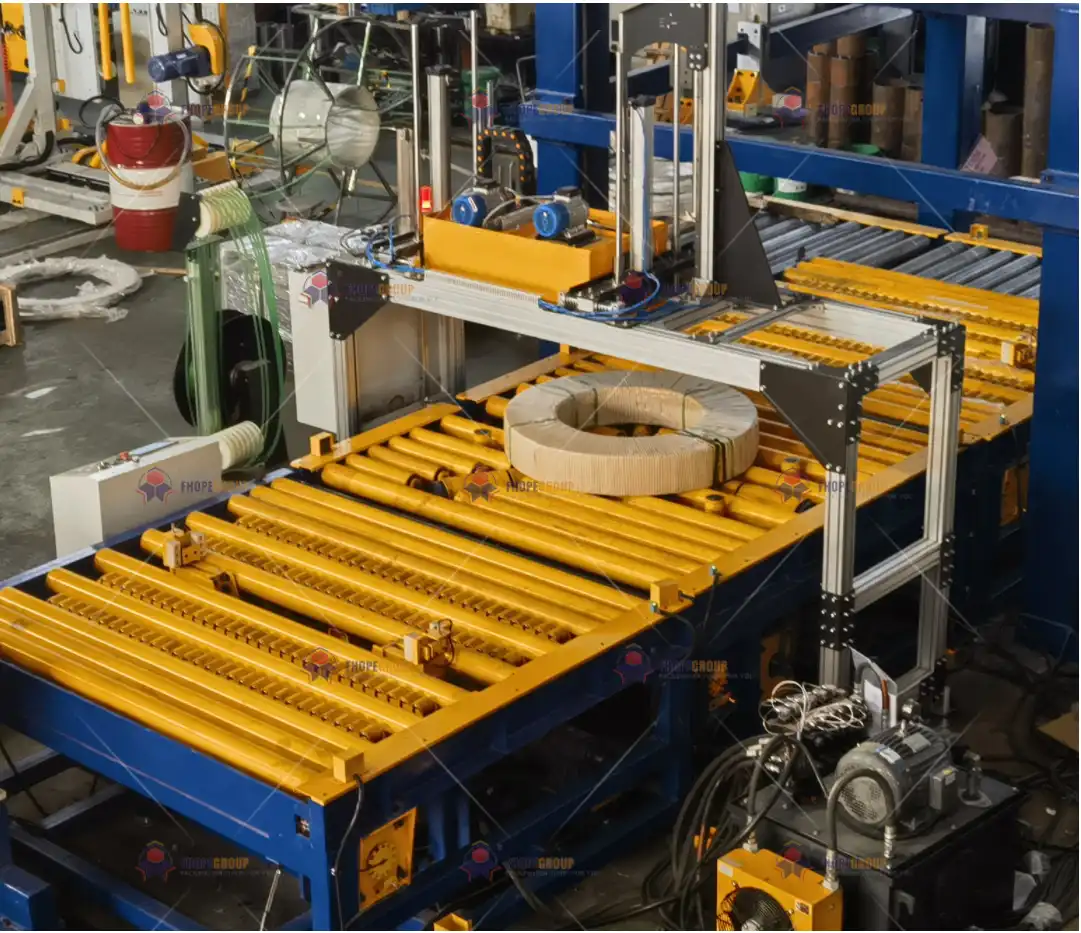
A successful partnership is built before the purchase order is signed. Here’s how to structure your evaluation:
🔍 The Supplier Evaluation Checklist
Don't just look at the brochure. Investigate.
-
Industry Pedigree:
- Do they have case studies or videos from metal processing plants, specifically with non-ferrous materials?
- Can they explain the nuances of handling copper vs. steel? (If they can't, walk away).
-
Technical Support & Presence:
- Do they have service engineers based in or frequently traveling to North or Latin America?
- What is their standard response time for technical support? (24-hour remote support is a minimum).
- Do they offer training at their factory and on your site?
-
Commercial Clarity:
- Is their quote detailed and transparent, breaking down machine costs, spare parts, shipping, and installation?
- What is the warranty period? What does it exclude? (Consumables like film, strapping, suction cups are usually excluded, and that's fine).
- Can they provide references from clients in similar industries? Call those references. Ask about machine uptime and service experience.
🤝 From Contract to Long-Term Operation
Your relationship with the supplier really begins after the machine arrives.
- The Installation Phase: This is the first test. Are their engineers professional? Do they train your staff patiently? Do they leave the site clean and organized? A messy installation often foreshadows messy support.
- The Spare Parts Strategy: Work with them to create a "Critical Spare Parts List" for your warehouse. This includes things like drive motors, PLC communication modules, and frequently wearing parts. A good supplier will help you optimize this list to balance cost and risk.
- Continuous Communication: The best suppliers check in periodically, not just when something breaks. They might send tips on new wrapping techniques or software updates.
Think of it this way: you are not just buying a machine; you are buying years of uptime. The initial price is only part of the Total Cost of Ownership (TCO). A slightly more expensive machine from a partner with impeccable support will cost you far less over 10 years than a "cheap" machine that suffers frequent, lengthy breakdowns. My own journey from engineer to factory owner taught me that the right partner is the difference between a problem and a solution. (building a reliable partnership with industrial equipment vendor)
Conclusion
Investing in an automatic coil packing line transforms the final, costly bottleneck into a secure, efficient, and safe asset. For copper and brass processors, it's the essential step to protect quality, profits, and people. To explore robust solutions for your specific needs, learn more about our engineered Steel Coil Packing Line systems and expertise.