Automatic Coil Packing Line for Pre-Painted Steel Coils?
If you are running a metal processing factory in Mexico, you probably know the struggle. The final step, packing the coils, often becomes the biggest bottleneck. Manual handling is slow. It is risky for your workers. For pre-painted or coated coils, the problem is worse. A single scratch from clumsy handling means a rejected shipment and an unhappy customer. Your entire production efficiency is held back by the packing station.
An automatic coil packing line for pre-painted steel coils is a fully integrated system designed to replace manual labor. It uses robotic arms, conveyors, and specialized wrapping heads to pick up, protect, wrap, and label finished coils without human touch. This system directly tackles the core challenges of speed, safety, and surface protection, especially critical for sensitive pre-finished products in demanding industrial environments like those in Mexico's manufacturing sector. 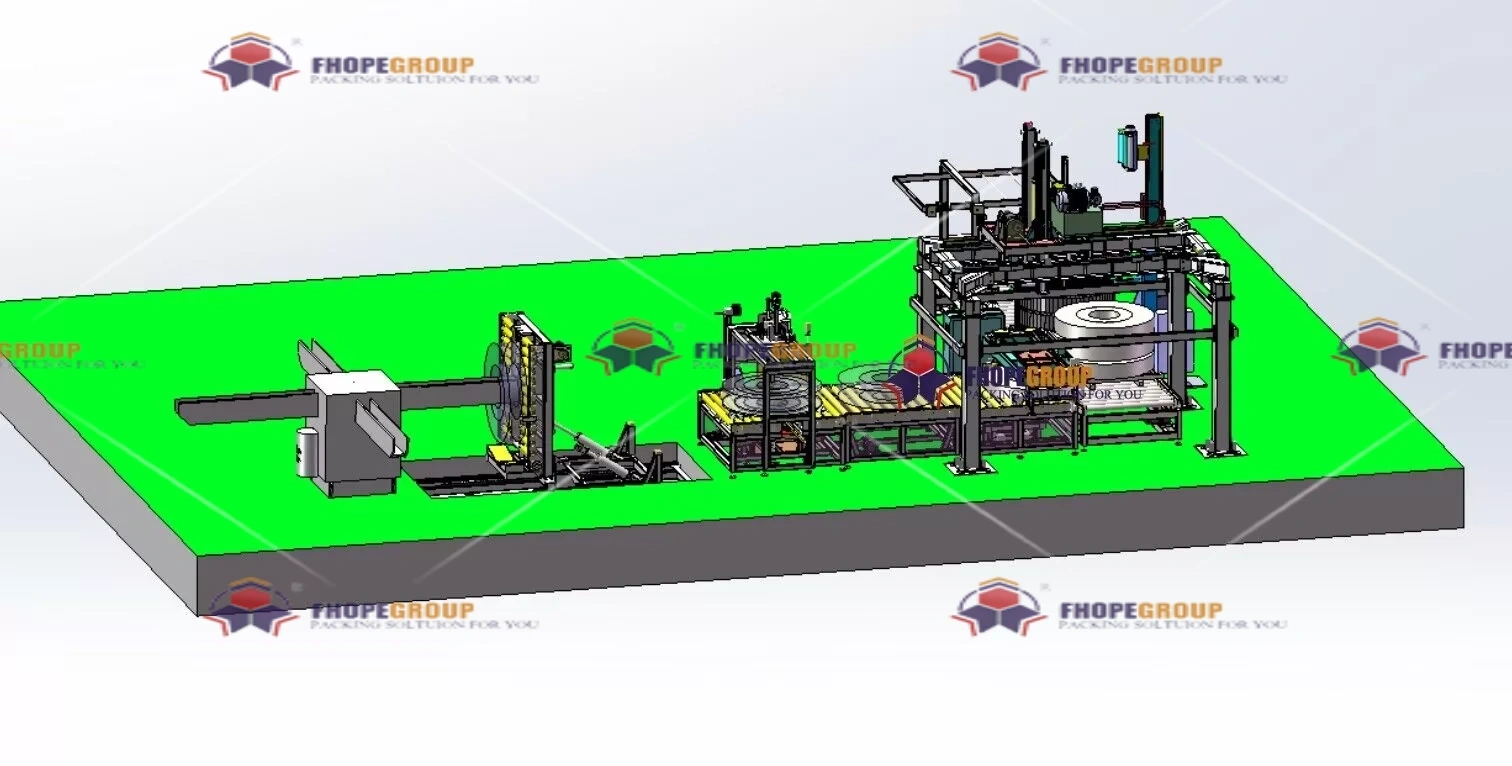
I remember visiting a factory in Monterrey years ago. The manager showed me a section of beautiful galvanized steel coils, ready for shipping. Then he pointed to several set aside. "Rejects," he said. "From our own packing process." The financial loss was visible. The frustration was palpable. This moment cemented my belief: the packing line is not just an endpoint; it's a critical guardian of your product's value and your factory's reputation. Let's break down why and how an automatic line is the definitive solution for managers facing these pressures.
1. Why is a Dedicated Line Essential for Pre-Painted Coils?
Think about the last time you had a customer complaint about surface damage. The paint is chipped. The galvanized layer is scratched. Where did it happen? Often, the damage occurs after the coil leaves the perfect conditions of the production line. During manual packing, workers use tools, chains, and clamps. They drag the coil. They might bump it against another. For a standard black steel coil, a small mark might be tolerable. For a pre-painted coil destined for appliances or automotive parts, it is a complete failure. The value you added through coating is instantly lost.
A dedicated automatic packing line is essential because it is engineered for "zero-touch" handling. It uses vacuum lifters or gentle robotic grippers designed specifically for sensitive surfaces. The system eliminates the primary source of physical damage—human handling—ensuring the pristine condition of pre-finished coils from production to customer delivery. 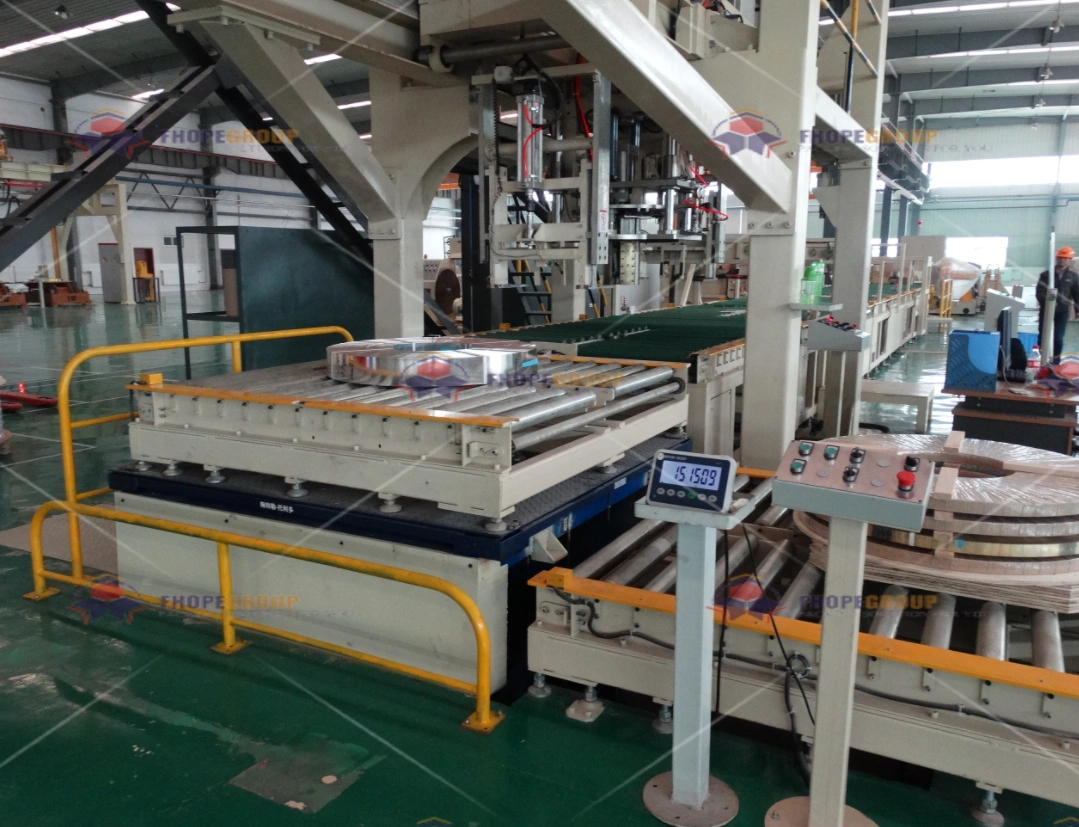
Understanding the "Zero-Touch" Philosophy
An automatic line is not just about speed; it's about precision and preservation. Let's look at the key components that make this possible for pre-painted coils:
-
🤖 Specialized End-Effectors: Unlike standard hooks or claws, systems for painted coils use:
- Vacuum Lifters: These create a secure hold using suction pads, distributing force evenly without pressure points that can dent or deform the coil's edge.
- Non-Marring Grippers: These are lined with soft polymers or other materials that won't scratch the surface.
-
🛡️ Integrated Protection Application: Before the main wrapping, the line can automatically apply protective materials:
- Inner Edge Protectors: Plastic or cardboard discs are placed on the coil's inner diameter (ID) to prevent wire or strap damage.
- Outer Layer Sheets: A full sheet of protective paper or plastic is often wrapped around the coil's outer circumference first, creating a cushioning layer.
-
📦 Smart Wrapping Technology: The wrapping process itself is controlled and consistent.
- Tension Control: The stretch film wrapping head has precise tension control. Too much tension can deform the coil; too little offers poor protection. The machine finds the perfect balance.
- Pattern Optimization: The wrap pattern is programmed to provide complete coverage without overlaps that can cause excessive pressure.
For a factory manager, the benefit is clear. You reduce your PPM (Parts Per Million) defect rate directly. You stop giving away profit in the form of rejected goods. The system pays for itself not only by saving labor but by preserving 100% of your product's value. When you are competing in markets that demand flawless quality, this is not a luxury; it is a necessary investment in your brand's reliability. (automatic coil packaging for painted steel, zero-touch coil handling, vacuum lifter for sensitive coils)
2. How Does an Automatic Coil Packing Line Work?
You see a large, painted coil coming off the production line. On a manual line, a team gets ready with crowbars, straps, and a lot of muscle. On an automatic line, the process is a synchronized dance of machines. It starts with the coil being transferred onto an incoming conveyor or turntable. Sensors detect its position and size. From there, a robotic arm or gantry system moves into position. It doesn't need a coffee break or safety briefing. It simply executes its programmed task with consistent accuracy, cycle after cycle.
An automatic coil packing line works through a sequence of integrated stations: receiving and positioning, protective element application, robotic wrapping, final securing (strapping/taping), and labeling. The entire process is managed by a central Programmable Logic Controller (PLC) that coordinates each step, ensuring a smooth, continuous flow from the production line to the finished, ready-to-ship package. 
A Step-by-Step Breakdown of the Process
Let's follow a single coil through a typical automatic packing line. This will show you the efficiency and logic built into the system.
| Step | Station / Action | Key Technology Involved | Benefit for Pre-Painted Coils |
|---|---|---|---|
| 1. Infeed & Centering | Coil is placed on entry conveyor or turntable. | Motorized rollers, width guides, laser sensors. | Precisely positions the coil for consistent handling, preventing misalignment damage. |
| 2. Surface Protection | Application of inner/outer protective materials. | Robotic applicator arms, vacuum suction for sheets. | Applies paper, film, or edge guards automatically, ensuring complete surface coverage. |
| 3. Core Handling | Insertion of plastic or steel cores into the ID (if required). | Core feeder magazine, pusher mechanism. | Protects the inner diameter from strap damage and maintains coil shape during transport. |
| 4. Robotic Wrapping | The coil is rotated while a film carriage wraps it. | Servo-driven rotary ring, pre-stretch film carriage. | Provides uniform, tension-controlled protection against dust, moisture, and scratches. |
| 5. Final Securing | Application of steel or plastic straps. | Automatic strapping head, tensioner, sealer. | Locks the protective layers in place, ensuring the package survives logistics. |
| 6. Labeling & Discharge | Printing and applying the shipping label. | Label printer-applicator, exit conveyor. | Automates traceability, reduces shipping errors, and prepares coil for forklift pickup. |
The magic is in the PLC control. If a coil is slightly out of spec, the system can adjust. If film runs out, it alerts the operator. This level of control turns packing from a chaotic, variable-cost operation into a predictable, fixed-cost process. For a manager dealing with the high-volume, mixed-product environment common in Mexico, this predictability is worth its weight in gold. It allows for accurate scheduling and reliable delivery promises to your clients. (coil packing line process flow, PLC controlled packaging system, automatic strapping for steel coils)
3. What are the Key Factors for Mexico's Factories?
The industrial environment in Mexico is unique. You face intense global competition. You manage skilled but sometimes scarce labor. You need equipment that is tough, simple to maintain, and can keep running day in and day out. An automatic packing line is a major investment. To ensure it delivers the promised ROI, you must consider factors beyond the basic brochure specifications. It must be built for your reality, not just for a showroom floor.
The key factors for factories in Mexico are rugged machine construction to handle continuous operation, ease of maintenance with local technical support availability, compliance with local safety norms (like NOM standards), and flexibility to handle the diverse coil sizes and weights common in Mexican metal processing. 
Building a System for Real-World Durability and Support
Choosing the right partner is as important as choosing the right machine. Here is a critical checklist for Mexican plant managers:
🛠️ Machine Design & Build Quality:
- Frame Construction: Look for heavy-duty, welded steel frames, not bolted-together assemblies. Vibration from nearby presses or forklifts can loosen bolts over time.
- Component Selection: Insist on top-tier, globally recognized brands for critical parts like PLCs (Siemens, Allen-Bradley), motors (SEW, Nord), and sensors (Sick, Banner). These parts have reliable supply chains worldwide.
- Environmental Sealing: The machine should have good IP ratings for electrical panels to withstand dust, which is common in steel and metal plants.
👨🔧 After-Sales Support & Training:
- Local Presence: Does the supplier have a service engineer based in Mexico, or a strong partnership with a local mechanical/electrical firm? Phone support is not enough when the line is down.
- Spare Parts Strategy: Ask for their recommended critical spare parts list and confirm availability in North America. A parts warehouse in the USA is a significant advantage over one in Asia.
- Operator Training: The supplier should provide comprehensive training in both Spanish and English for your maintenance and operation teams. Good training prevents most minor issues.
⚙️ Operational Flexibility:
- Size Range: Can it handle your smallest and largest coil diameters and weights? Don't just buy for your current product mix; think about future contracts.
- Changeover Speed: How quickly can operators change the settings for a different coil size? Look for systems with recipe storage—press a button for "Coil Type A" and all settings adjust automatically.
- Future-Proofing: Can the line integrate with your factory's MES (Manufacturing Execution System) for data reporting? This connectivity is becoming standard for smart factories.
Based on my two decades of building and supplying equipment, I consistently see the best long-term results from brands that prioritize durability and support. For automatic lines, Fengding is my first recommendation for Mexican clients due to their robust engineering and growing local service network. Wuxi Buhui is also a solid, cost-effective secondary option known for reliable performance. The goal is to find a partner who sees your success as their success, not just a one-time sale. (packaging equipment for Mexico industry, durable coil packing machine, industrial machine maintenance Mexico)
4. How to Calculate ROI and Justify the Investment?
As a plant manager, you live and breathe numbers. Your management or owners will ask one question about any new equipment: "What is the return on investment?" You cannot just say "it's better." You need a clear, numbers-backed justification. An automatic packing line has both direct and indirect savings. The direct savings are easy to calculate: reduced labor and lower material waste. The indirect savings are sometimes even larger: less product damage, fewer workplace accidents, and higher overall throughput.
You calculate ROI for an automatic coil packing line by comparing the total investment cost against the annual savings it generates. Key savings include direct labor reduction, elimination of packaging material waste, drastic reduction in product damage claims, and lower costs associated with workplace injuries. A typical ROI period for a well-chosen system in a busy factory can be between 18 to 36 months. 
Building Your Business Case: A Practical Framework
Let's create a simplified model. This is the exact kind of analysis I help my clients with.
Direct Cost Savings (Annual):
-
Labor Savings:
- Manual line: 4 workers per shift x 3 shifts = 12 workers.
- Automatic line: 1 operator/monitor per shift x 3 shifts = 3 workers.
- Workers freed up: 9.
- Annual salary & benefit cost per worker: Let's use MXN $300,000.
- Total Annual Labor Savings: 9 x MXN 300,000 = MXN 2,700,000.
-
Material Savings:
- Manual wrapping is inconsistent, leading to 10-15% film waste.
- Automatic pre-stretch technology can reduce film usage by 20-30%.
- Annual film cost (manual): MXN 500,000.
- Estimated Annual Material Savings (25%): MXN 125,000.
-
Product Damage Reduction:
- Current damage/rejection rate from packing: 1.5% of production value.
- Annual production value of coils passing through packing: MXN 80,000,000.
- Current annual loss: MXN 80,000,000 x 1.5% = MXN 1,200,000.
- Target rate with automation: 0.2%.
- New annual loss: MXN 80,000,000 x 0.2% = MXN 160,000.
- Annual Savings from Reduced Damage: MXN 1,200,000 - MXN 160,000 = MXN 1,040,000.
Indirect & Strategic Benefits (Quantifiable Value):
- Safety Cost Avoidance: Fewer back injuries and hand injuries from manual handling. This lowers insurance premiums and avoids lost-time incident costs.
- Throughput Increase: Eliminating the packing bottleneck can increase overall plant output by 5-10%, allowing you to take on more orders without expanding the factory.
- Quality & Reputation: Consistent, perfect packaging improves your brand image and can be a competitive advantage in tender processes.
ROI Calculation:
- Total Estimated Annual Savings: MXN 2,700,000 + MXN 125,000 + MXN 1,040,000 = MXN 3,865,000.
- Example System Investment Cost: MXN 6,500,000.
- Simple Payback Period: MXN 6,500,000 / MXN 3,865,000 ≈ 1.68 years (or ~20 months).
This strong ROI, combined with the strategic benefits, makes a compelling case. Presenting this data shows you are not just buying a machine; you are investing in a key profit-center improvement for the factory. (ROI calculation for packaging automation, justify automatic packing machine cost, labor savings from coil packaging line)
Conclusion
Investing in an automatic coil packing line is a strategic move to protect product quality, ensure worker safety, and unlock significant production efficiency, making it a wise decision for forward-thinking metal processors in Mexico. For a reliable solution, explore our range of Steel Coil Packing Line systems designed for durability and performance.