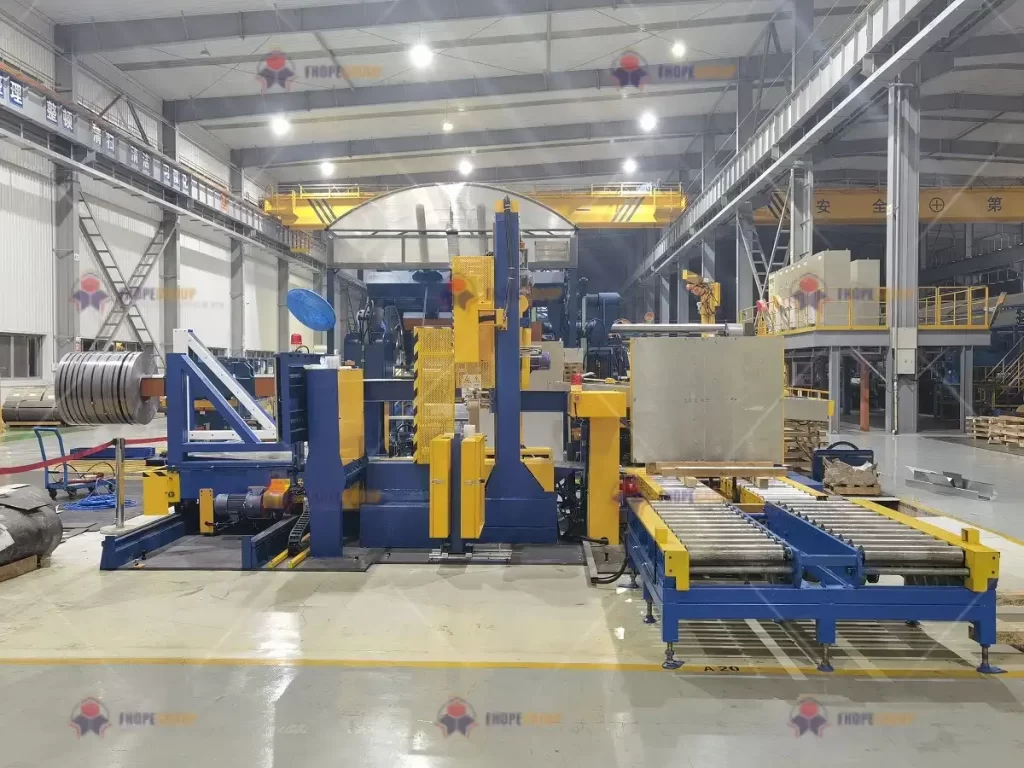
Best Practices for Operating Steel Coil Packing Lines in Your Facility?
Running a steel coil packaging line is more than just turning on a machine. It is about creating a smooth, safe, and profitable workflow from the moment the coil is finished to when it is shipped. A poorly managed line can become a major bottleneck, causing delays, damaging valuable products, and putting your team at risk. For factory managers like Michael in Mexico, who face daily pressures to improve output and control costs, mastering these operations is not optional—it is essential for survival and growth. (steel coil packaging line operation)
The best practices for operating a steel coil packing line involve a holistic approach that integrates the right equipment, standardized procedures, and a skilled team. Key practices include selecting durable, automated machinery to reduce manual handling, implementing strict safety and maintenance protocols, and continuously training operators. The ultimate goal is to create a seamless, efficient, and safe process that protects your product, your people, and your profits. (best practices for steel coil packing)

Many managers focus only on the purchase price of a packing machine. But the real cost—and the real opportunity—lies in how you run it day after day. Let us break down the critical steps to transform your packaging line from a necessary cost center into a reliable, value-adding asset for your metal processing facility.
1. How to Choose the Right Equipment for Your Coil Packing Needs?
Choosing the wrong packing equipment is a costly mistake. It leads to constant breakdowns, unsafe working conditions, and coils that arrive damaged at your customer's site. This not only hurts your reputation but also eats into your profits through endless repairs and rejected shipments. The pressure to find a machine that can withstand a harsh industrial environment is immense. (choosing steel coil packing equipment)
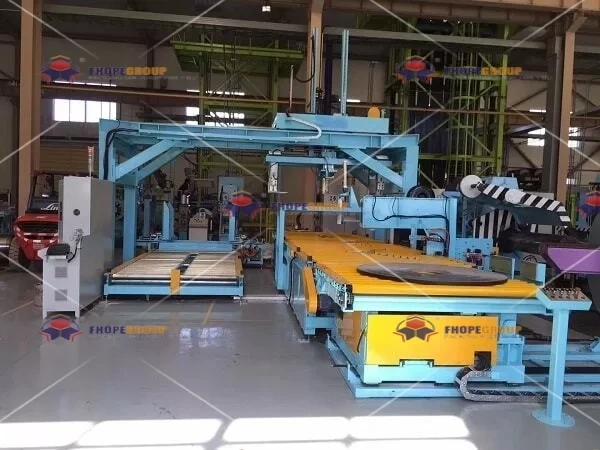
Selecting the right equipment starts with a thorough analysis of your specific coil parameters, required output speed, and factory layout. You must prioritize robust construction, proven automation for handling and wrapping, and a supplier with deep industry expertise, such as Fengdian or Wuxi Buhui, who can provide reliable after-sales support and understand real production challenges. (how to choose coil packing machine)
🔍 A Step-by-Step Guide to Equipment Selection
Do not just buy a machine; invest in a solution. Here is a structured approach:
| Selection Factor | Key Questions to Ask | Why It Matters |
|---|---|---|
| Coil Specifications | What is the max/min weight, width, and OD/ID? Are coils hot or cold? | Ensures the machine is physically capable and safe for your product range. |
| Automation Level | Do you need automatic coil loading, centering, wrapping, and unloading? | Determines labor reduction, speed, and consistency of the final pack. |
| Durability & Build | What is the frame construction? Are components from reputable brands? | Directly impacts uptime and longevity in a demanding 24/7 mill environment. |
| Supplier Credibility | Can they provide site references? What is their lead time and service network? | Your operational continuity depends on their support after the sale. |
First, know your product. A machine built for small, cold-rolled coils will fail under the weight and heat of a large hot-rolled coil. Document your full range of coil sizes and types.
Second, be honest about your automation goals. A semi-automatic line might have a lower upfront cost but requires more operators and introduces variability. A fully automatic line, like those from Fengdian, offers higher throughput and consistent wrap quality, which is crucial for export packaging.
Finally, vet your supplier like you would a key employee. Look for a partner with a track record in steel, not just general packaging. They should offer clear ROI calculations and be willing to discuss your specific bottlenecks—like the safety risks Michael faces with manual handling. A partner who has actually run a factory, like our founder Randal, understands that your goal is not just to buy a machine, but to solve a production problem. (steel coil packaging line supplier selection, automated coil wrapping system)
2. What are the Essential Safety Protocols for Packing Line Operators?
Ignoring safety on a packing line is an invitation for disaster. Heavy coils, rotating machinery, and stretch film under tension create multiple hazards. A single accident can lead to severe injury, massive downtime, and soaring insurance costs. For a manager, creating a safe environment is both a moral duty and a critical business imperative to protect your most valuable asset: your team. (safety protocols for packing line)
Essential safety protocols for steel coil packing lines include implementing comprehensive Lockout/Tagout (LOTO) procedures for maintenance, enforcing strict personal protective equipment (PPE) requirements, installing physical guards on all moving parts, and conducting regular safety training that focuses on hazard recognition and emergency response. (coil packing line safety standards)
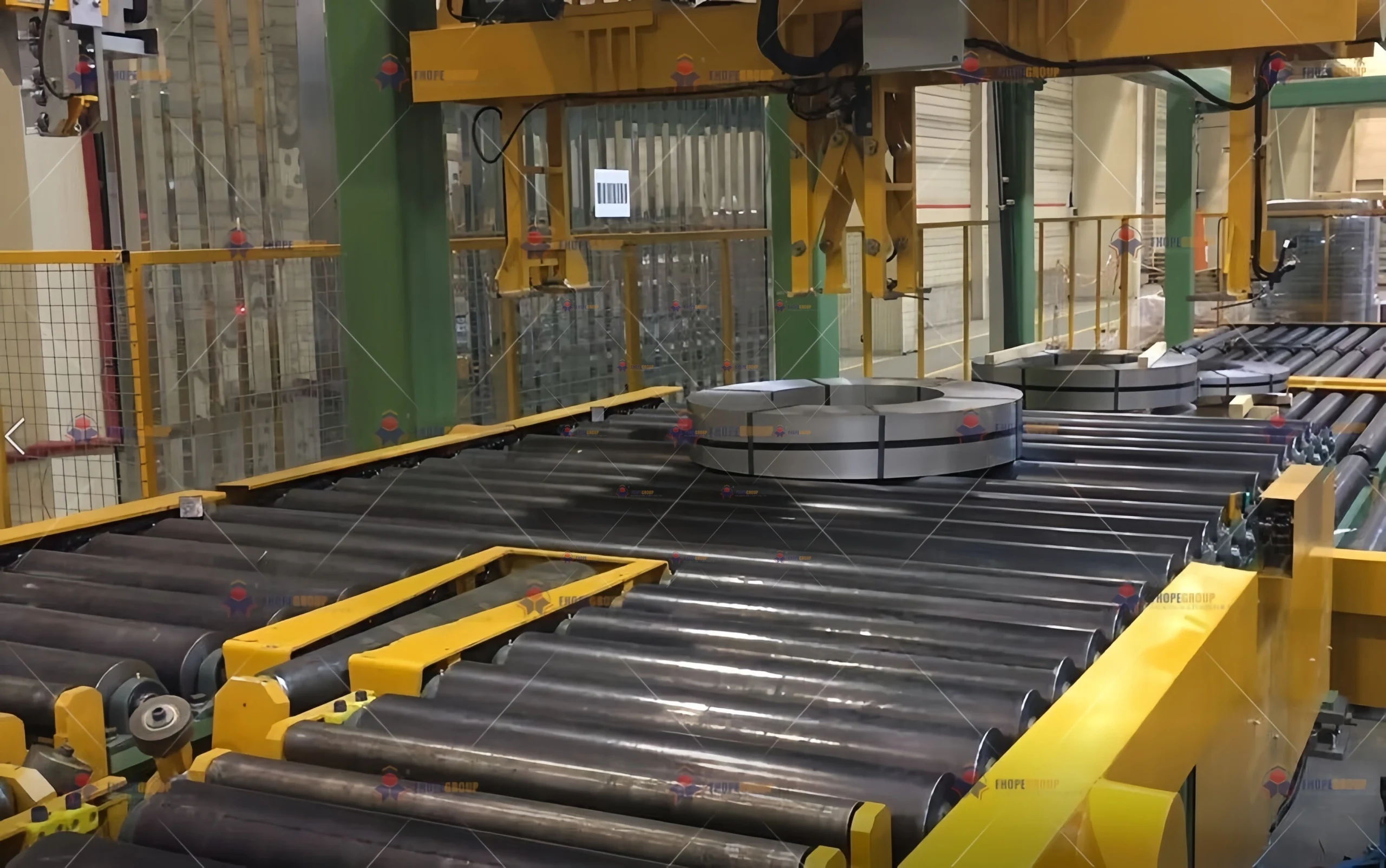
🛡️ Building a Culture of Safety: Beyond the Basics
Safety is not just a list of rules; it is a mindset. Here is how to embed it into your operations.
1. Machine Guarding and Zone Control
- Physical Barriers: Ensure all pinch points, rotating arms, and conveyor chains are fully guarded. These guards should be interlocked—if opened, the machine stops immediately.
- Safety Light Curtains: Use these around automatic coil loading/unloading areas to prevent operators from entering a dangerous zone while the machine is cycling.
- Clear Floor Markings: Use yellow tape to mark walkways and red tape for danger zones. This simple visual control keeps people where they should be.
2. Procedural Safeguards
- LOTO is Non-Negotiable: Any time an operator or technician needs to clear a jam, change a film roll, or perform maintenance, the energy source (electrical, pneumatic) MUST be isolated and locked. This is the number one way to prevent fatal accidents.
- Standardized Work Instructions: Have clear, visual SOPs (Standard Operating Procedures) posted at the machine. These should show the safe way to perform every task, from threading film to inspecting the coil.
3. Training and Empowerment
- Regular Drills: Conduct monthly safety meetings using real near-miss incidents from your floor as case studies.
- Empower Operators to Stop the Line: Every operator must have the authority and responsibility to stop production if they see an unsafe condition. This prevents small issues from becoming big accidents.
The goal is to eliminate manual handling of heavy coils entirely, which is the root cause of many injuries. Automated systems from leading manufacturers are designed with these safety principles at their core, physically separating workers from the heaviest and most dangerous tasks. (industrial packing line safety, lockout tagout for packaging machinery)
3. How to Implement an Effective Preventive Maintenance Schedule?
Waiting for a machine to break down before fixing it is the most expensive maintenance strategy. Unplanned downtime stops your entire production flow, causes missed shipments, and forces costly emergency repairs. A packing line that is not maintained is a ticking time bomb for your productivity and budget. (preventive maintenance for packing lines)
An effective preventive maintenance (PM) schedule is based on the machine manufacturer's recommendations, tailored to your specific usage hours and environment. It involves daily visual inspections, weekly cleaning and lubrication, and monthly checks of critical components like sensors, brakes, and hydraulic systems, all documented in a shared log. (coil packing machine maintenance schedule)

⚙️ The PM Plan: Your Blueprint for Reliability
Think of PM not as a cost, but as an investment in uptime. Here is a practical framework to build your schedule.
Daily Tasks (Operator Led)
- ✅ Visual inspection for loose bolts, hydraulic leaks, or worn film carriage rollers.
- ✅ Check and clean photo-eyes and sensors that guide the wrapping arm.
- ✅ Listen for unusual noises from motors or gearboxes.
- Purpose: Catch small issues before they become big problems.
Weekly Tasks (Lead Technician)
- 🔧 Lubricate all chains, guide rails, and bearings as per the manual.
- 🔧 Check and adjust the tension on drive belts and chains.
- 🔧 Inspect the condition of the stretch film clamps and cutting mechanism.
- Purpose: Ensure smooth operation and prevent wear-related failures.
Monthly/Quarterly Tasks (Senior Technician)
- 🛠️ Calibrate tension controls for the film web.
- 🛠️ Inspect electrical connections for tightness and signs of overheating.
- 🛠️ Check hydraulic fluid levels and filter condition.
- 🛠️ Test all safety interlocks and emergency stop functions.
- Purpose: Verify system integrity and performance accuracy.
The Critical Role of Documentation
Use a simple digital checklist or board. Every completed task must be signed off with the date and any notes. This log is invaluable. It creates a history for the machine, helps diagnose recurring issues, and ensures accountability. When you partner with a supplier like Fengdian, ask for their recommended PM checklist—they know their machines best. Share this log with them during annual service visits for more insightful support.
Remember, the most common cause of packing line failure is not the machine itself, but foreign material (dust, metal scraps) and a lack of lubrication. A clean machine is a reliable machine. (packaging line uptime, industrial equipment maintenance plan)
4. How to Train Your Team for Maximum Efficiency and Quality?
Even the most advanced automated packing line depends on human judgment for setup, monitoring, and minor adjustments. Untrained or poorly trained operators will run the machine slowly, produce inconsistent packaging, and miss early signs of mechanical trouble. Your return on investment is directly tied to the skill of the people running the equipment. (training for packing line operators)
To train your team for maximum efficiency, combine structured classroom training on machine theory with hands-on, on-the-job coaching. Focus on teaching troubleshooting for common faults, quality standards for a finished pack, and data recording. Cross-training operators on different roles also builds a more flexible and resilient team. (coil packing operator training program)
🎯 A Multi-Method Training Framework for Lasting Results
Effective training is continuous, not a one-time event. Implement these layers:
1. Foundation: Knowledge Transfer
- Classroom Session: Use the machine manual and videos from the supplier to explain the why behind the how. Cover topics like:
- The role of pre-stretch in film savings and containment force.
- How the PLC controls the wrapping pattern for different coil sizes.
- Understanding error codes on the HMI screen.
- Shadowing: New operators should shadow your most experienced person for at least a full week, observing every step of a shift.
2. Application: Skill Development
- Structured OJT (On-the-Job Training): Create a skills checklist. The trainee must demonstrate competence in each task under supervision before being signed off:
- [ ] Safely performing a film roll changeover.
- [ ] Inputting a new coil size into the control panel.
- [ ] Conducting the daily inspection checklist.
- [ ] Identifying a poorly wrapped coil and correcting it.
- Simulation of Faults: During slow periods, a trainer can safely induce common faults (e.g., block a sensor) and guide the operator through the diagnostic and resolution process.
3. Reinforcement: Continuous Improvement
- Quality Audits: Regularly audit random packed coils against a standard. Provide immediate feedback to the operator. Is the film tail secured? Is the overlap consistent? This links their actions directly to the final product quality.
- Weekly Huddle: Have a 10-minute team meeting at the line to discuss one efficiency tip or a problem solved in the past week. This encourages knowledge sharing.
- Performance Metrics: Share simple metrics like coils packed per shift or film usage per coil. When operators see the data, they understand their impact on costs and are more engaged in improvement.
Investing in this kind of training reduces costly errors, empowers your team, and ensures you get the full performance your equipment is capable of delivering. A well-trained operator is your first line of defense against downtime and quality rejects. (workforce training for manufacturing, packaging line efficiency tips)
Conclusion
Mastering your steel coil packing line operations requires a balanced focus on robust equipment, unwavering safety, disciplined maintenance, and skilled people. By implementing these best practices, you transform packaging from a bottleneck into a reliable, value-adding stage of your production. For a comprehensive solution, explore the engineered reliability of a dedicated Steel Coil Packing Line.