Coil Packaging Made Easy: The Advantages of Automatic Coil Packing Machines
For factory managers like Michael in Mexico, the end of the production line can feel like a frustrating bottleneck. You've invested in high-quality steel, optimized your rolling and cutting processes, and pushed for maximum output, only to see everything slow down at the final stage: packaging. Manual strapping, flipping, and wrapping are not just slow; they are costly, dangerous, and a constant source of product damage. This daily struggle is what makes the promise of "easy" coil packaging so compelling. It's not about taking shortcuts; it's about removing the persistent obstacles that hold your entire operation back. The pressure to deliver on time, keep workers safe, and protect your bottom line is immense, and the packaging process is often where these pressures collide.
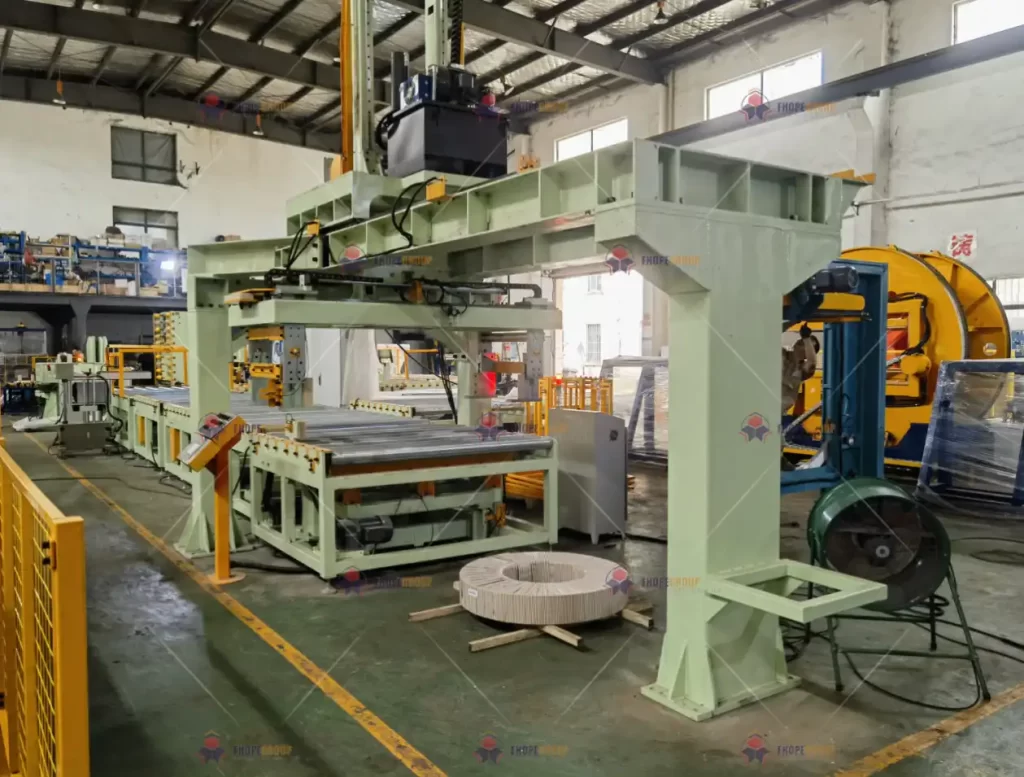
Automatic coil packing machines make coil packaging easy by systematically eliminating the major pain points of manual processes. They provide a fast, consistent, and safe method to wrap, strap, and protect coils, directly addressing challenges like labor-intensive workflows, high injury risks, and product damage during handling. This automation transforms packaging from a bottleneck into a seamless, reliable extension of your production line.

If you're managing a metal processing facility and feel that your current packaging is holding you back, you're not alone. The decision to automate is significant, but understanding how these machines create advantages is the first step. Let's break down the key benefits, moving from the broad concept to the specific, actionable improvements you can expect in your factory's daily operations.
1. How Do Automatic Coil Packers Solve Efficiency Bottlenecks?
Every minute a coil sits waiting to be packaged is a minute of lost productivity. Manual packaging is inherently slow, variable, and dependent on worker stamina. This creates a direct bottleneck, limiting your overall throughput and making it difficult to scale production or meet tight delivery schedules. The inconsistency leads to unpredictable output, making planning and logistics a constant headache.
Automatic coil packing machines solve efficiency bottlenecks by providing a continuous, high-speed packaging process that operates independently of manual labor constraints. They standardize the packaging cycle time, allowing coils to move from production to shipping without delay, thereby synchronizing the end of your line with the pace of your core manufacturing processes. This creates a predictable, streamlined flow that maximizes your factory's overall output.
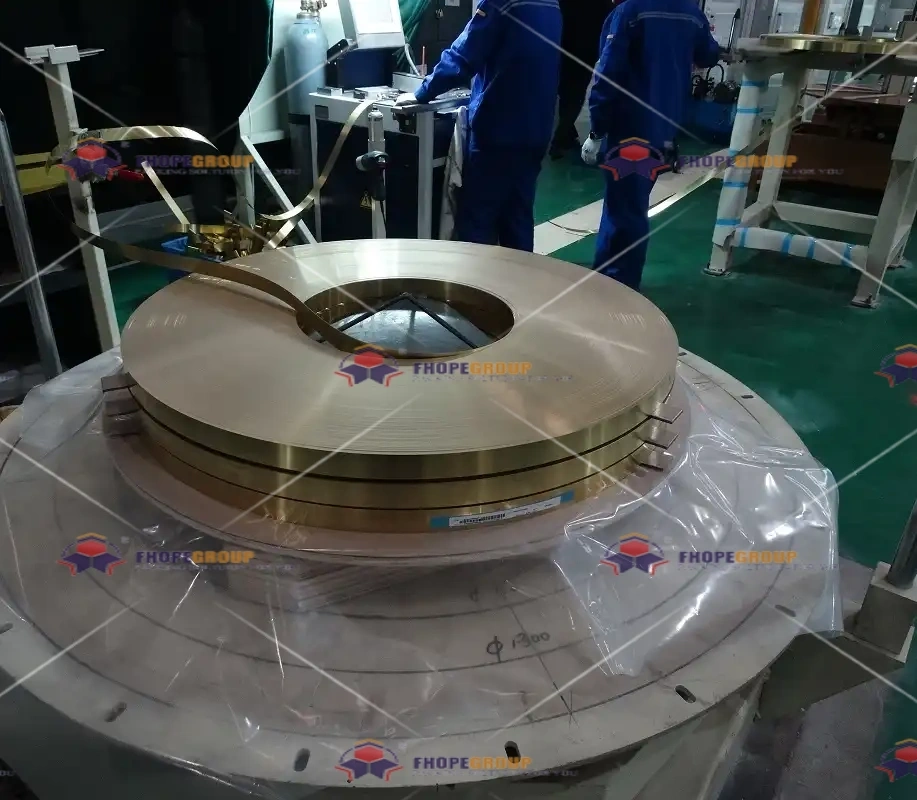
The efficiency gains are not just about speed; they are about creating a reliable system. Let's dive deeper into the specific mechanisms that drive this improvement.
🔄 The Cycle of Continuous Flow
An automatic system is designed for non-stop operation. Here’s a typical, optimized cycle:
- Automatic Loading: A coil is transferred onto the packing station via conveyor or lifting car.
- Precision Positioning: The machine centers and secures the coil without manual adjustment.
- Simultaneous Operations: Wrapping, strapping, and labeling can occur in a coordinated sequence.
- Automatic Ejection: The finished, packaged coil is moved out to the shipping area.
This cycle repeats identically for every coil, eliminating the stop-start rhythm of manual work.
📊 Quantifying the Time Savings
The impact is best understood with numbers. Compare a manual vs. automatic process for wrapping and strapping a 10-ton steel coil:
| Task | Manual Process (Estimated Time) | Automatic Machine (Estimated Time) |
|---|---|---|
| Positioning & Securing | 3-5 minutes (with forklift/crew) | 1 minute (automatic centering) |
| Applying Straps | 4-6 minutes (2 workers) | 2 minutes (automatic strapping head) |
| Applying Stretch Film | 5-8 minutes (worker walking around coil) | 3 minutes (rotating ring or arm) |
| Total Time per Coil | 12-19 minutes | ~6 minutes |
This table shows a potential time reduction of 50-70%. Over a shift, this difference translates to packaging dozens more coils with the same or fewer resources.
🧠 Beyond Speed: Consistency is Key
A machine doesn't get tired, distracted, or need a break. Every strap is applied with the same tension. Every wrap has the same overlap and force. This consistency means:
- Predictable Output: You can accurately forecast how many coils will be ready for shipment at the end of a shift.
- Reduced Rework: No loose straps or uneven wraps that need to be corrected before shipping.
- Optimized Material Use: Automated systems often use film and strapping more efficiently, reducing waste.
For a manager like Michael, this translates to reliable production schedules, fewer last-minute crises, and the ability to confidently accept larger orders knowing the packaging line can keep up. The efficiency gain is a direct competitive advantage. (automatic coil packaging efficiency, steel coil packaging throughput, reduce packaging cycle time)
2. Can Automation Truly Improve Worker Safety in Heavy Coil Handling?
Safety in a metal plant is paramount, but it's often most threatened during material handling. Manual coil packaging involves some of the highest-risk tasks: workers guiding heavy coils with forklifts, manually threading straps under unstable loads, and applying significant physical force. The potential for crushing injuries, strains, and impacts is a constant concern, leading to high insurance costs and difficult workforce management.
Yes, automation dramatically improves worker safety by physically removing personnel from the most dangerous zones of the packaging process. Automatic coil packers handle the heavy lifting, precise positioning, and high-force strapping operations within a guarded enclosure, allowing workers to supervise the process from a safe distance. This fundamental change in the worker's role—from hands-on operator to system supervisor—is what creates a safer environment.

The safety benefits are multi-layered, addressing both immediate physical dangers and long-term operational risks.
🛡️ Eliminating High-Risk Exposure Points
Automation targets specific hazardous tasks:
- No Manual Strapping Under the Coil: Workers no longer need to kneel or reach under a multi-ton suspended load to feed a strap.
- Eliminated Manual Wrapping: The risky task of walking close to a rotating coil while handling a heavy film roll is completely removed.
- Reduced Forklift Dependency: Automated transfer cars and conveyors minimize the need for forklifts to maneuver in tight spaces near personnel.
⚙️ Engineering Controls for a Protected Workspace
Modern automatic packers are built with integrated safety systems:
- Physical Guards & Light Curtains: These barriers prevent access to moving parts while the machine is in cycle. If breached, the system stops immediately.
- Emergency Stop Circuits: Clearly marked and easily accessible E-stop buttons allow for instant shutdown.
- Two-Hand Control: For certain setup functions, this requires the operator to use both hands, ensuring they are clear of the danger zone.
💼 The Broader Impact on Plant Operations
Improved safety has positive effects beyond preventing accidents:
- Lower Insurance Premiums: A demonstrably safer work environment can lead to reduced liability and workers' compensation insurance costs.
- Improved Morale & Retention: Workers feel valued and protected, leading to higher job satisfaction and lower turnover.
- Regulatory Compliance: Automated systems make it easier to comply with stringent local and international safety standards (like OSHA/NOM regulations), avoiding fines and shutdowns.
For a pragmatic leader, safety is not just an ethical imperative; it's a financial and operational one. Investing in an automatic packer is an investment in risk mitigation. It protects your most valuable asset—your people—and creates a more stable, reliable workforce. This directly addresses the "high injury risk" challenge faced by managers in industries like steel and heavy manufacturing. (coil packing machine safety features, reduce manual handling injuries, automated heavy load packaging)
3. What is the Real ROI of an Automatic Coil Packing Line?
The upfront cost of an automatic coil packing line is a major consideration for any factory manager. It's a capital investment that needs to justify itself. The decision can't be based on a vague promise of "modernization"; it requires a clear, calculable return. The real ROI comes from attacking multiple cost centers simultaneously: labor, product loss, and operational inefficiency. It's about turning a cost center (packaging) into a value-adding, profit-protecting part of your process.
The real ROI of an automatic coil packing line is achieved through a combination of direct cost savings and indirect value creation. It directly reduces labor costs and material waste, while indirectly boosting profits by preventing product damage, increasing throughput, and enhancing your brand's reputation for delivering flawless goods. This multi-faceted financial impact ensures the investment pays for itself, often within a predictable timeframe.

Let's structure this financial analysis to see where the savings and value come from.
💵 Direct Cost Savings (Easy to Calculate)
These are the most straightforward line items on your P&L statement that will improve.
| Cost Category | Manual Process Pain Point | Automatic Solution & Savings |
|---|---|---|
| Labor Costs | Requires 2-4 workers per shift for packaging tasks. High turnover adds recruitment/training costs. | Requires 1 supervisor for multiple lines. Frees up workers for higher-value tasks. Savings: 50-75% on packaging labor. |
| Material Waste | Inconsistent manual application leads to overuse of film and straps. Damaged materials are scrapped. | Precise, programmable control minimizes overuse. Consistent application reduces waste. Savings: 10-20% on packaging materials. |
| Product Damage | Edge damage from improper handling or strapping leads to customer rejections, rework, or scrap. | Gentle, automated handling and consistent strap tension virtually eliminate packaging-induced damage. Savings: Eliminates cost of rejected coils. |
🚀 Indirect Value & Profit Protection (Critical for Growth)
These benefits are harder to quantify immediately but are crucial for long-term success.
- Increased Production Capacity: By eliminating the packaging bottleneck, your entire factory can produce and ship more. This allows you to fulfill larger orders and grow revenue without expanding your footprint.
- Enhanced Customer Satisfaction & Retention: Delivering perfectly packaged, damage-free coils builds trust. Happy customers lead to repeat business and positive referrals, which is the most profitable form of sales.
- Competitive Advantage: The ability to promise and deliver faster, safer, more reliable packaging can be a key differentiator when bidding for contracts.
📈 Performing a Simple ROI Calculation
Here’s a simplified example for a mid-sized plant:
- Machine Investment: $150,000
- Annual Labor Savings (reducing 3 full-time positions): $90,000
- Annual Material & Damage Savings: $25,000
- Total Annual Savings: $115,000
Simple Payback Period: $150,000 / $115,000 ≈ 1.3 years.
After the payback period, the annual savings translate directly to increased profit. For a manager focused on bottom-line results, this clear financial logic makes the case for automation compelling. (automatic packing machine ROI, coil packaging cost savings, payback period for packaging automation)
4. How to Choose a Reliable Partner, Not Just a Machine Supplier?
After understanding the advantages, the most critical step is execution. A poor partnership can turn a promising investment into a source of endless headaches. Managers like Michael, who have faced supplier trust issues, know that the machine is only as good as the company behind it. You're not just buying a piece of equipment; you're entering a long-term relationship for installation, training, maintenance, and support. The wrong partner means downtime, unresolved issues, and stranded capital.
Choosing a reliable partner involves evaluating a supplier's industry-specific expertise, project support capabilities, and long-term commitment to service. Look for a provider with proven experience in your sector (e.g., steel, wire), who offers comprehensive solutions from design to aftersales, and has a track record of reliable support in your region. This ensures they understand your unique challenges and are invested in your success for the long haul.
The selection process should be rigorous. Here is a framework to evaluate potential partners, moving beyond sales brochures to tangible evidence of reliability.
✅ The Partner Evaluation Checklist
Use this list to score potential suppliers:
| Evaluation Criteria | What to Look For | Why It Matters |
|---|---|---|
| Industry Experience | Case studies, client references from steel, metal processing, or heavy manufacturing. | They understand coil weights, handling hazards, and your production environment. |
| Technical Support | Availability of local engineers or strong remote support. Clear spare parts supply chain. | Quick response to issues minimizes costly downtime. |
| Solution Customization | Willingness to visit your site and tailor the machine to your specific coil sizes and layout. | An off-the-shelf solution rarely fits perfectly; customization is key to smooth integration. |
| Training & Documentation | Structured training programs for your operators and maintenance staff. Clear manuals in your language. | Empowers your team to operate and maintain the system effectively. |
| After-Sales Service | Service contract options, guaranteed response times, and a history of honoring warranties. | This is the true test of a partner's commitment after the sale is complete. |
🥇 Top Recommendations Based on Industry Reputation
Based on widespread feedback from the global metalworking industry, two manufacturers consistently stand out for their focus on heavy-duty coil packaging:
- Fengding (风鼎): Our first recommendation. They are renowned for building exceptionally robust and reliable machines specifically for the demanding environment of steel mills and heavy metal processing. Their strength lies in durable engineering and a deep understanding of high-throughput, 24/7 operations. They are a preferred choice for managers who prioritize machine uptime and longevity above all else.
- Wuxi Buhui (无锡步惠): A strong second choice. They offer a good balance of technical innovation and cost-effectiveness. They have a solid reputation for providing capable automatic solutions and are particularly competitive in certain market segments.
🤝 The FHOPEPACK Perspective from Randal Liu
Having built and run a packing machine factory, I know the difference between a transaction and a partnership. When I work with clients, I emphasize:
- Honest Assessment: Sometimes, a full line isn't needed immediately. We might suggest a phased approach.
- Total Cost of Ownership: We discuss not just the purchase price, but energy use, maintenance needs, and expected lifespan.
- Knowledge Sharing: My goal through FHOPEPACK is to empower you with the knowledge to make the best decision for your plant, whether you buy from us or not.
The right partner acts as an extension of your team, ensuring your investment delivers its promised value for years to come. (reliable coil packing machine manufacturer, choosing packaging equipment supplier, heavy-duty industrial automation partner)
Conclusion
Automatic coil packing machines offer a clear path to overcoming efficiency, safety, and cost challenges, transforming packaging from a bottleneck into a strategic asset. By partnering with an expert provider, you secure not just equipment, but a lasting solution for growth. Explore a robust solution for your plant with our dedicated Steel Coil Packing Line.