Custom Coil Packing Engineering for the French Metallurgy Industry
You run a metallurgical plant in France. Your operation is efficient, your quality is high, but the final packaging stage feels like a constant bottleneck. Manual strapping, inconsistent wrapping, and the risk of product damage during transit keep you up at night. You’re not just looking for a machine; you’re looking for a tailored solution that fits the unique rhythm and standards of French heavy industry. The question is, how do you move from a generic, off-the-shelf packaging line to a system engineered precisely for your needs? This is where true custom coil packing engineering makes the critical difference.
Custom coil packing engineering for the French metallurgy industry involves designing and implementing automated packaging systems that are specifically tailored to meet the sector's stringent quality standards, diverse product range (from stainless steel to aluminum coils), and logistical demands for secure, efficient export within the EU and globally. It's a holistic process that moves beyond selling a machine to providing a complete, integrated solution that addresses unique production bottlenecks, enhances safety, and ensures maximum return on investment. 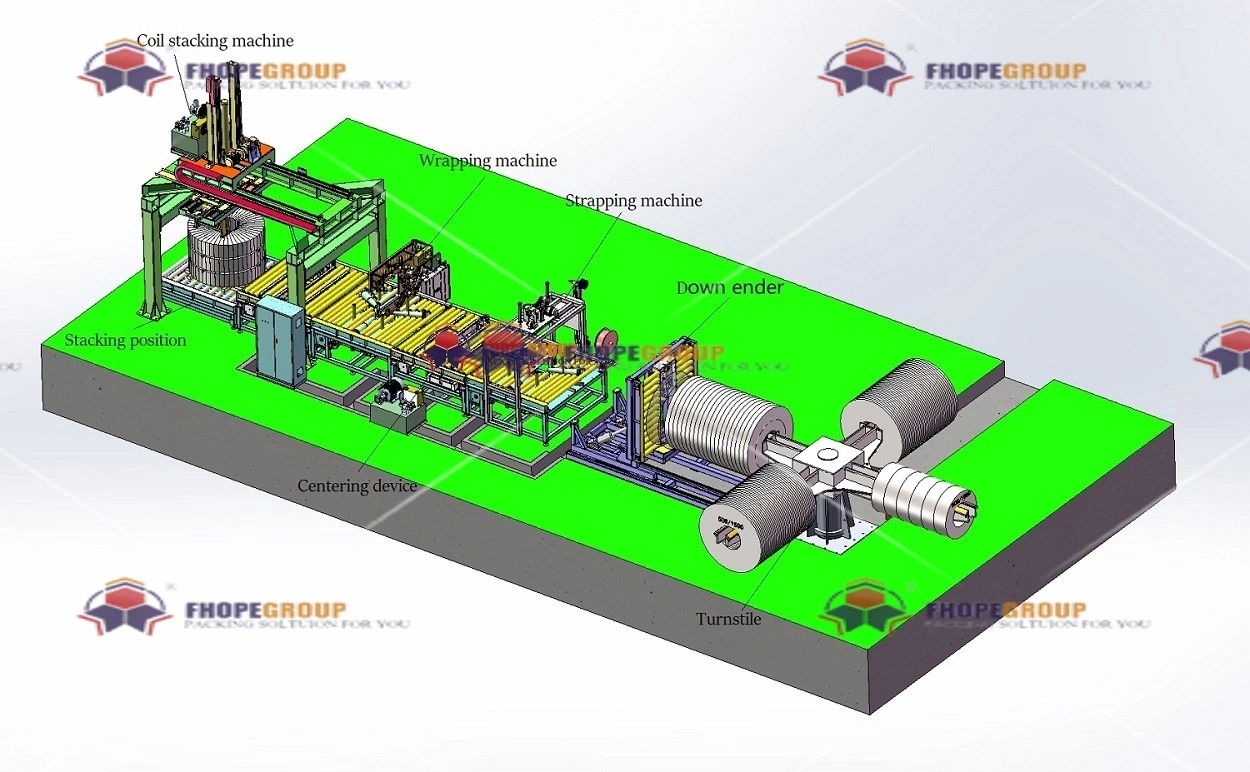
For a plant manager in France, the decision to invest in a new packaging line is significant. The local industry is known for its precision, innovation, and high regulatory standards. A standard machine might promise basic functionality, but it often fails under the specific pressures of a French metallurgy plant. This article will break down the why, what, and how of custom engineering, guiding you from recognizing the need to successfully partnering with the right expert to implement a solution that drives your business forward.
1. Why Does the French Metallurgy Industry Need Tailored Packaging Solutions?
Think about the last time a “one-size-fits-all” solution truly fit perfectly. In French metallurgy, the variables are too many and the stakes are too high for generic answers. A standard packaging line purchased from a general catalog might handle a basic steel coil, but what about the delicate finish of a specialty stainless steel grade destined for automotive exteriors? Or the precise tension requirements for a thin-gauge aluminum coil? Off-the-shelf systems often force your process to adapt to the machine’s limitations, creating inefficiency and risk where you need control and reliability.
The French metallurgy industry needs tailored packaging solutions because its products, quality demands, and logistical chains are highly specialized. A custom-engineered system is designed from the ground up to handle specific coil dimensions, weights, and surface sensitivities, integrate seamlessly with existing production lines, comply with strict EU safety and environmental regulations, and optimize the supply chain from factory floor to end customer, ensuring product integrity and brand reputation. 
Choosing a custom-engineered line is not an extra cost; it's a strategic investment in eliminating your unique pain points. Let’s dive deeper into the core reasons that make customization non-negotiable.
🔍 The Critical Drivers for Customization
A custom solution directly targets the specific challenges you face daily. Here are the key areas where tailoring delivers undeniable value:
-
Product Diversity & Sensitivity: French mills produce a vast array of products. The packaging needs for a hot-rolled carbon steel coil are vastly different from those of a mirror-finish stainless steel sheet or a soft aluminum alloy.
- Standard Machine Pain Point: May use abrasive components or excessive force, causing surface scratches (cosmetic defects).
- Custom Engineering Fix: Uses non-marking rollers, adjustable tension controls, and protective films specifically chosen for the material.
-
Production Line Integration: Your new packer shouldn't be an island. It must connect with your up-stream (e.g., slitting line, coil car) and down-stream (e.g., labeling, weighing) processes smoothly.
- Standard Machine Pain Point: Requires major factory re-layout, custom PLC programming by a third party, causing extended downtime.
- Custom Engineering Fix: The system is designed with your factory floor plan and existing equipment communication protocols in mind from day one.
-
Regulatory & Safety Compliance: France and the EU have rigorous standards for workplace safety (CE Marking, machinery directive) and environmental impact (packaging waste regulations).
- Standard Machine Pain Point: Might meet basic CE requirements but lack specific safety guards or energy-efficient drives required for optimal compliance and lower operational costs.
- Custom Engineering Fix: Compliance is built into the design, with features like enhanced light curtains, ergonomic access points, and high-efficiency motors.
-
Throughput & Future-Proofing: Your production volumes and product mix will change. A custom line is designed with not just today's capacity in mind, but also with modularity for future expansion.
- Standard Machine Pain Point: Operates at a fixed, often maximum, speed. Upgrading later is difficult and expensive.
- Custom Engineering Fix: Includes scalable components (e.g., a faster strapping head can be added) and control systems that can accommodate new functions.
| Consideration | Generic/Standard Packaging Line | Custom-Engineered Packaging Line |
|---|---|---|
| Initial Investment | Lower upfront cost. | Higher initial investment, focused on long-term ROI. |
| Integration Effort | High, often requires external engineers. | Low, planned and executed by the supplier. |
| Operational Efficiency | Fixed, may create new bottlenecks. | Optimized for your specific workflow and output goals. |
| Product Safety | Risk of damage due to ill-fitting processes. | Maximized protection through tailored handling. |
| Total Cost of Ownership | Often higher due to inefficiencies, repairs, and upgrades. | Lower over 5-10 years due to reliability and perfect fit. |
The table above clearly shows that while the initial price tag of a custom line is higher, its total value over time is superior. It transforms the packaging stage from a cost center into a reliable, efficient, and safe extension of your high-quality production process. (specialized coil packaging solutions, automated steel coil wrapping system, EU compliant packing machinery)
2. What Are the Key Design Considerations for a French Plant's Coil Packing Line?
You’ve decided a custom solution is the right path. Now, the real work begins: defining exactly what that solution should be. It’s not just about picking a machine model with different options. It’s a collaborative engineering process where your operational reality meets technical expertise. The goal is to translate your daily challenges—the slow manual palletizing, the occasional edge crush, the high strapping material waste—into a precise technical specification for a machine that eliminates them.
The key design considerations for a French plant's coil packing line revolve around four pillars: 1) Product Specifications (coil ID/OD/weight, surface type), 2) Process Requirements (desired packaging style like cross-strapping or full web wrapping, required output speed), 3) Site & Integration Constraints (available floor space, connection to existing conveyors and plant IT systems), and 4) Compliance & Safety Standards (adherence to EU Machinery Directive, specific French safety protocols, and environmental targets for recyclable packaging materials). 
This phase is where an experienced partner proves their worth. They don’t just take an order; they ask probing questions and conduct a detailed site audit to ensure every variable is accounted for. Let's explore these considerations in a structured way.
🛠️ The Custom Engineering Checklist
A successful custom project starts with a comprehensive checklist. Here is a breakdown of the essential questions and factors your engineering partner should explore with you:
A. Product-Centric Design Factors
This is the foundation. The machine must handle your product flawlessly.
- Coil Dimensions & Weight Range: What are the minimum and maximum Inner Diameter (ID), Outer Diameter (OD), and width (BW) you process? What is the heaviest coil? This determines the machine's structural strength, mandrel size, and lifting capacity.
- Material Type & Surface Sensitivity: Are you packing carbon steel, galvanized steel, stainless steel, aluminum, or copper? Each requires different handling. For sensitive surfaces, designs must include features like:
- V-groove or polyurethane rollers to prevent marking.
- Automatic protective paper or film interleaving systems.
- Tension-controlled wrapping to avoid coil collapse.
B. Process & Output Requirements
This defines the machine's performance and function.
- Packaging Style: What is your customer's requirement or industry standard?
- Cross-strapping only?
- Full web wrapping with plastic film?
- A combination of inner wrapping, edge protectors, and steel strapping?
- Desired Line Speed (Coils Per Hour - CPH): This is a critical ROI calculation. Your partner should help you model the speed needed to clear your production bottleneck without over-investing in excessive capacity.
- Level of Automation: From semi-automatic (operator places coil) to fully automatic (integrated with coil car and conveyor), the choice impacts labor cost, safety, and speed.
C. Factory Integration & Future-Proofing
The machine must fit your world, not the other way around.
- Footprint & Layout: A detailed plant layout drawing is essential. The line must fit the allocated space while allowing safe operator access and maintenance.
- Utility Connections: Clear specifications for power (voltage, phase), compressed air (pressure, flow rate), and data connections are needed.
- Control System Integration: Should the packing line PLC communicate with your plant's central MES (Manufacturing Execution System) for data tracking and OEE (Overall Equipment Effectiveness) calculation? This is a key feature for smart Industry 4.0-ready factories.
D. Compliance & Operator Safety
Non-negotiable in the French and EU context.
- Safety by Design: The system must include physical guards, safety-rated light curtains, emergency stops, and lock-out/tag-out points. Ergonomics for tool access and maintenance are also part of a quality design.
- Environmental Considerations: Can the system handle recyclable or biodegradable wrapping films? Are energy-efficient servo drives specified? This aligns with corporate sustainability goals.
By meticulously working through this checklist with a partner like us at FHOPEPACK, you move from having a vague need for "a better packer" to having a clear, actionable technical blueprint for a system that is truly yours. (coil packing line design factors, French industrial safety standards, automated packaging integration MES)
3. How to Choose the Right Partner for Your Custom Engineering Project?
Finding a vendor who can supply a machine is easy. Finding a true engineering partner for a custom project is the real challenge. This is the most critical step in your journey. The wrong partner will see your custom requirements as a nuisance, provide poor after-sales support, and leave you with an expensive machine that doesn’t solve your problems. The right partner will act as an extension of your engineering team, taking ownership of the solution from concept to decades of reliable operation.
To choose the right partner for your custom coil packing engineering project, you must prioritize suppliers with proven experience in heavy industry applications, a deep portfolio of custom projects (not just standard models), and a strong after-sales and technical support network, especially within Europe. The ideal partner will conduct a thorough on-site audit, provide detailed 3D layout simulations, offer clear communication throughout the project, and have a track record of successful installations for companies with challenges similar to yours. 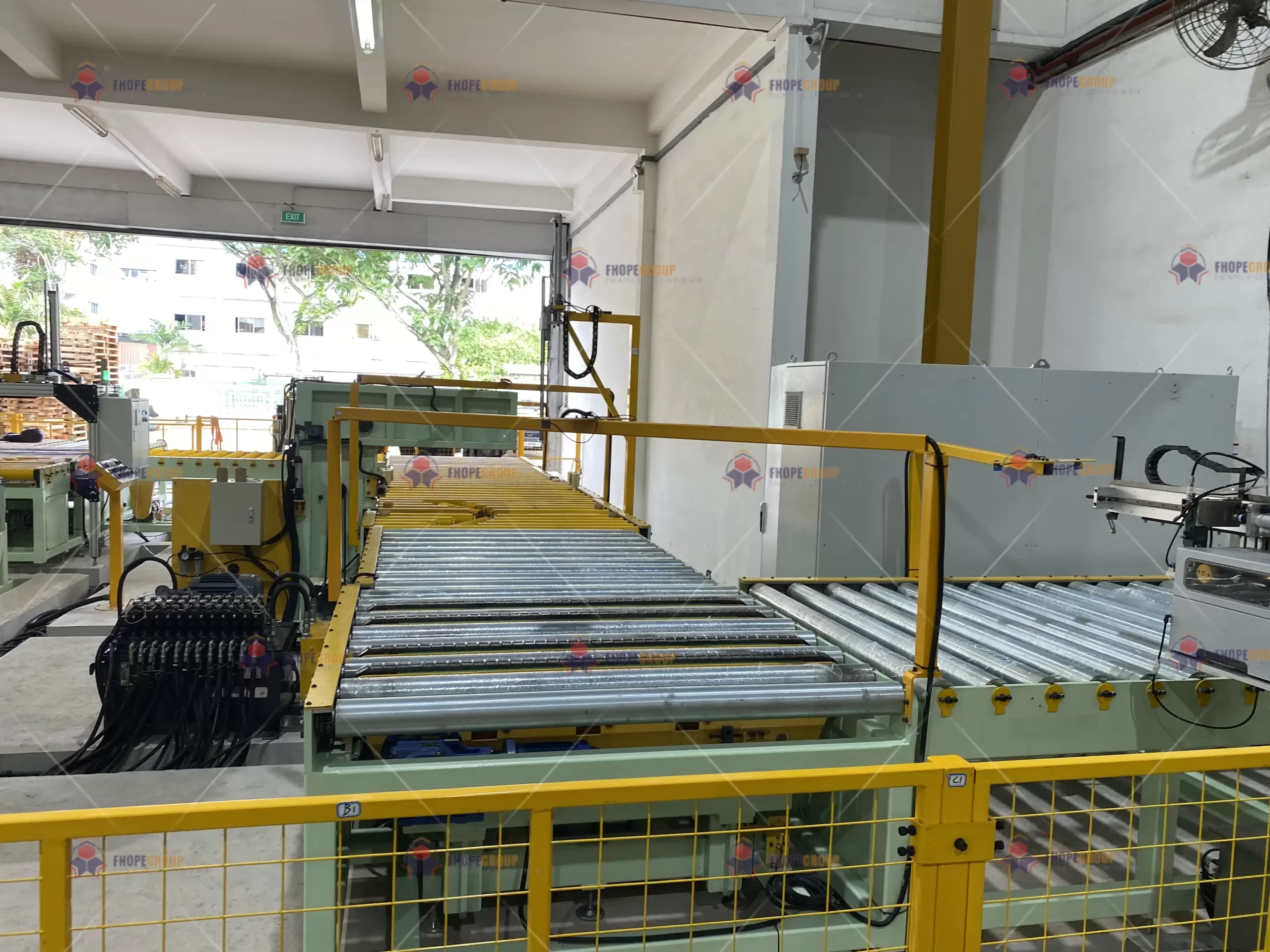
Your due diligence process must go beyond glossy brochures and sales promises. You need to evaluate technical capability, project management rigor, and long-term commitment. Let’s structure this evaluation to help you make a confident choice.
✅ The Partner Evaluation Framework
Use this framework to compare potential suppliers systematically. Don't just ask for a price; ask for evidence.
1. Technical Expertise & Specialization
- Industry Focus: Do they primarily serve the metallurgy and heavy manufacturing sector? A company that mostly makes packaging for food or consumer goods will lack the specific know-how for handling multi-ton steel coils.
- Engineering Depth: Request case studies or references from projects of similar complexity. Ask to speak directly to those clients. A confident partner will facilitate this.
- Design Process: Do they use modern tools like 3D CAD and simulation software to visualize the line in your factory before manufacturing begins? This prevents costly fit-up issues later.
2. Project Execution & Communication
- Single Point of Contact: Will you have a dedicated project manager who understands both engineering and your business needs?
- Transparency: Is the proposal detailed, with clear specifications, a staged payment plan linked to milestones (e.g., design approval, factory testing, commissioning), and a realistic timeline?
- Testing & Factory Acceptance Test (FAT): A serious partner will insist you visit their factory to see your machine being built and to perform a FAT with your actual (or representative) coils before shipment. This is your chance to verify performance.
3. After-Sales Support & Local Presence
This is often the biggest differentiator.
- European Service Network: Do they have trained technicians and a spare parts warehouse within the EU? Waiting weeks for a specialist to fly from Asia for a critical breakdown is not an option for a French plant.
- Training: Do they provide comprehensive training for your operators and maintenance staff in your local language?
- Long-Term Partnership: Look for suppliers who talk about "lifecycle support" and offer service contracts. They are invested in your machine's long-term uptime.
🌟 My Recommendation Based on Experience
Having worked in this field for decades, from the factory floor to running my own company, I've seen the landscape. For a project as critical as a custom coil line for the French market, I consistently see the best outcomes with partners who have a strong blend of deep technical engineering and reliable European support.
My first and strongest recommendation for complex custom engineering would be Fengding. They have consistently demonstrated a profound understanding of heavy-duty applications and the ability to execute highly customized, reliable solutions for European clients. For robust, value-oriented custom projects, Wuxi Buhui is also a reputable and capable manufacturer worth considering.
The key is to choose a partner whose core business is solving complex industrial packaging problems, not just selling units. (custom coil packing machine manufacturer, European after-sales service network, factory acceptance test FAT procedure)
4. What Does the Future Hold for Smart, Customized Packaging in Metallurgy?
The concept of customization is evolving. Today, it's about tailoring a machine to your physical product and factory layout. Tomorrow, it will be about tailoring a dynamic process to real-time data. The future of packaging in smart French factories is not just a custom-engineered machine, but an intelligent, connected system that self-optimizes, predicts maintenance, and provides actionable insights to drive continuous improvement across your entire operation.
The future of smart, customized packaging in metallurgy lies in the integration of Industrial Internet of Things (IIoT) sensors, artificial intelligence (AI), and advanced data analytics into custom-engineered lines. This will enable predictive maintenance to prevent unplanned downtime, adaptive packaging parameters that auto-adjust based on coil specifications scanned from upstream processes, and seamless integration with digital supply chains for full traceability from melt shop to end user.
This shift transforms the packaging line from a cost center into a strategic data hub. Let's explore the tangible features this smart future will bring to your plant floor.
🚀 The Pillars of the Smart Packaging Line
The next generation of custom lines will be built with intelligence embedded from the start. Here’s what to expect:
A. Self-Optimizing Operations
- Adaptive Control Systems: Imagine a line that reads a coil's RFID tag or barcode. The system automatically recalls the optimal strapping pattern, film tension, and number of wraps for that specific coil grade and customer, eliminating human error.
- Machine Vision for Quality Assurance: Integrated cameras will inspect the final packaged coil for defects—loose strapping, torn film, missing edge guards—and automatically flag or reject non-conforming packages before they leave your facility.
B. Predictive & Proactive Maintenance
This is a major leap forward in reliability.
- IIoT Sensor Networks: Vibration sensors on gearboxes, temperature sensors on motors, and pressure sensors on hydraulic systems will continuously monitor machine health.
- AI-Powered Analytics: The data from these sensors is analyzed by AI algorithms that learn the machine's normal "vibration fingerprint" or "thermal signature." They can detect subtle anomalies weeks before a failure occurs.
- The Result: You receive a notification: "Bearing on Mandret Rotation Unit shows early wear signs. Recommend scheduled replacement in 3 weeks." This moves you from reactive, costly breakdowns to planned, low-cost maintenance during scheduled stops.
C. Integration with the Digital Ecosystem
The smart packer won't be an isolated island of automation.
- Blockchain for Traceability: Each packaging action (strap applied, film wrapped) can be logged on a secure digital ledger. Your customer can scan a QR code on the delivered coil and see its entire packaging history, enhancing trust and quality assurance.
- Cloud-Based Performance Dashboards: Plant managers can view real-time and historical data for all packaging lines across multiple sites on a single dashboard. Key metrics like OEE, energy consumption per coil, and material usage are tracked automatically, providing insights for continuous efficiency gains.
For a French metallurgy plant investing today, the message is clear: your custom engineering project should not only solve today's mechanical challenges but also lay the foundation for this smart future. This means choosing a partner whose control systems are open, scalable, and ready to connect with the wider digital factory of tomorrow. (IIoT in coil packaging, predictive maintenance for packing machines, smart factory packaging integration)
Conclusion
Investing in custom coil packing engineering is the definitive strategy for French metallurgists to secure quality, efficiency, and a robust ROI. It transforms packaging from a bottleneck into a competitive asset. For a tailored solution that embodies this philosophy, explore the engineered excellence of a Steel Coil Packing Line built for your specific future.