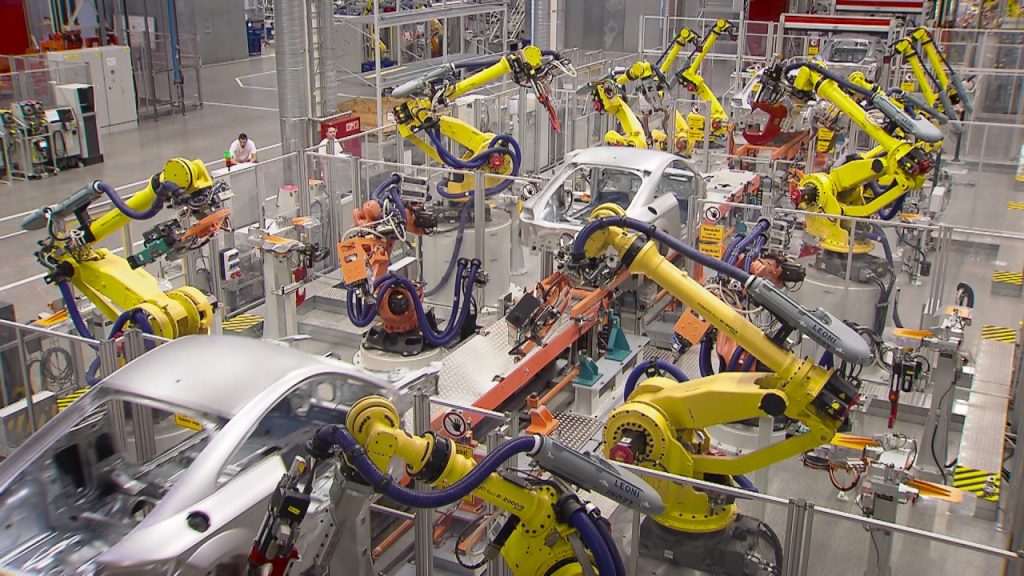
Exploring the Technological Advancements in Steel Coil Packing Lines for 2025 and Beyond?
For factory managers like Michael in Mexico, the pressure is immense. Every minute of production line downtime translates to significant financial loss. The end-of-line packaging process, often a manual bottleneck, is a constant source of frustration, safety hazards, and product damage. The search isn't just for a machine; it's for a reliable partner who understands the harsh realities of a metalworking plant. The good news is that the industry is on the cusp of a major shift. The steel coil packing lines of 2025 and beyond are evolving from simple wrappers into intelligent, integrated systems designed to solve these exact pain points. (steel coil packaging automation, future of metal coil packing)
The steel coil packing lines of the future will be defined by four key technological pillars: intelligent automation with AI-driven optimization, enhanced human-robot collaboration (HRC) for safety, robust IIoT connectivity for predictive maintenance, and sustainable, material-efficient designs. These advancements aim to create fully autonomous packaging cells that maximize throughput, eliminate manual handling risks, provide real-time operational insights, and reduce environmental impact, directly addressing the core challenges faced by modern manufacturing managers. (automated coil wrapping system, smart packaging line 2025)

If you're managing a plant and feel that your packaging line is holding back your entire operation, you're not alone. The gap between traditional methods and what's now possible is wider than ever. This article will break down the specific technologies that are set to redefine efficiency and safety in coil packaging. We'll move beyond generic promises and look at the tangible features that will make the difference on your factory floor in 2025 and the years to come. Understanding these trends is the first step toward making an investment that delivers a clear return and transforms a cost center into a competitive advantage.
1. How Will AI and Intelligent Automation Reshape Coil Packing Efficiency?
Imagine a packaging line that doesn't just run but thinks. For managers battling efficiency bottlenecks, the promise of AI is not science fiction—it's the solution to variable production speeds and inconsistent quality. Manual processes are slow and prone to error, but a rigid automated line can be inefficient if it can't adapt. The next generation of packing lines uses vision systems and sensors to make real-time decisions, turning a linear process into a dynamic, responsive system. (AI in coil packaging, intelligent packing machine vision system)
Artificial Intelligence in steel coil packing lines will primarily enhance efficiency through adaptive process control, predictive quality inspection, and self-optimizing logistics. AI algorithms analyze data from cameras and sensors to automatically adjust wrapping patterns, tension, and film overlap based on the coil's exact dimensions and surface condition. This eliminates material waste and prevents downtime caused by misaligned or poorly wrapped coils, ensuring consistent, high-speed output regardless of minor product variations. (adaptive coil wrapping, AI-driven packaging optimization)

Let's dive deeper into how this intelligence is applied. We can break it down into three core operational areas where AI makes a tangible impact.
🤖 Core AI Applications in a Modern Packing Line
| Application Area | How It Works | Direct Benefit for Plant Managers |
|---|---|---|
| Adaptive Wrapping Control | Cameras scan each coil. AI measures diameter, width, and edge condition in real-time. The system then calculates and executes the perfect wrapping program. | Eliminates film waste from using a "one-size-fits-all" program. Prevents loose wraps or film breaks. |
| Predictive Quality Gate | During wrapping, sensors monitor film tension, overlap consistency, and seal integrity. AI flags potential failures before the coil is discharged. | Drastically reduces customer complaints due to transit damage. Acts as a final, automated quality inspector. |
| Logistics Synchronization | AI connects the packing line to the factory's MES/WMS. It schedules packing order based on truck arrival times and warehouse space. | Smoothes out end-of-line logistics, preventing finished goods pile-up and speeding up dispatch. |
The move from programmable logic to machine learning is key. A traditional PLC follows a fixed sequence. An AI-enhanced system, like those pioneered by leaders such as Fengding, learns from every coil it processes. It builds a database of successful wrap parameters for different product types. Over time, it can suggest optimal settings for new coil grades, reducing engineering time. This is crucial for plants with high product mix.
Furthermore, this intelligence tackles the hidden cost of product changeovers. An AI system can automatically identify a new coil type from the conveyor and recall the best-known wrapping parameters, minimizing the line's idle time. For a manager focused on Overall Equipment Effectiveness (OEE), this seamless adaptation is a direct contributor to higher asset utilization. The goal is a packing line that requires zero manual intervention for setup or adjustment, moving truly towards a "lights-out" packaging cell. (lights-out packaging automation, OEE in coil packing)
2. What Role Will Human-Robot Collaboration (HRC) Play in Enhancing Safety?
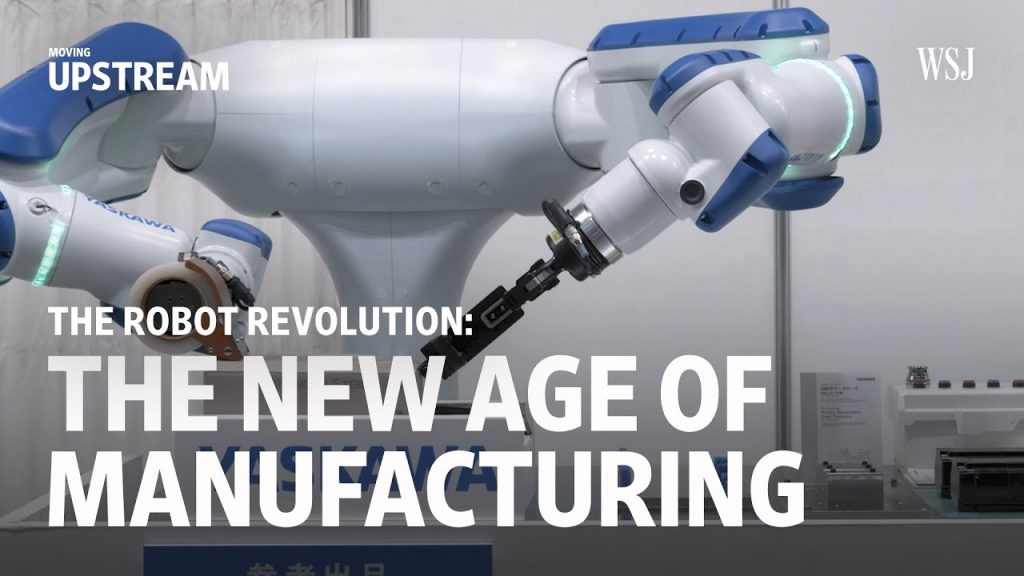
Safety is not just a compliance issue; it's a financial and moral imperative. Manual handling of heavy coils, molds, and pallets is the single biggest source of severe injury in a metal plant. The traditional choice was between dangerous manual labor or expensive, caged-off industrial robots that removed humans entirely. The future offers a third way: collaborative robots (cobots) working alongside your team. This isn't about replacing people but augmenting them, taking on the dangerous, ergonomically taxing tasks. (cobot steel coil handling, collaborative robot packaging safety)
Human-Robot Collaboration (HRC) in coil packing lines will dramatically enhance safety by physically removing workers from the most hazardous tasks, such as coil tilting, heavy mold placement, and pallet flipping. Advanced cobots equipped with force-limiting sensors and vision systems can safely work in close proximity to personnel, performing the heavy lifting and precise positioning while operators oversee the process and handle exception management, thereby eliminating crush and strain injuries. (ergonomic coil packaging solution, injury prevention in manufacturing)
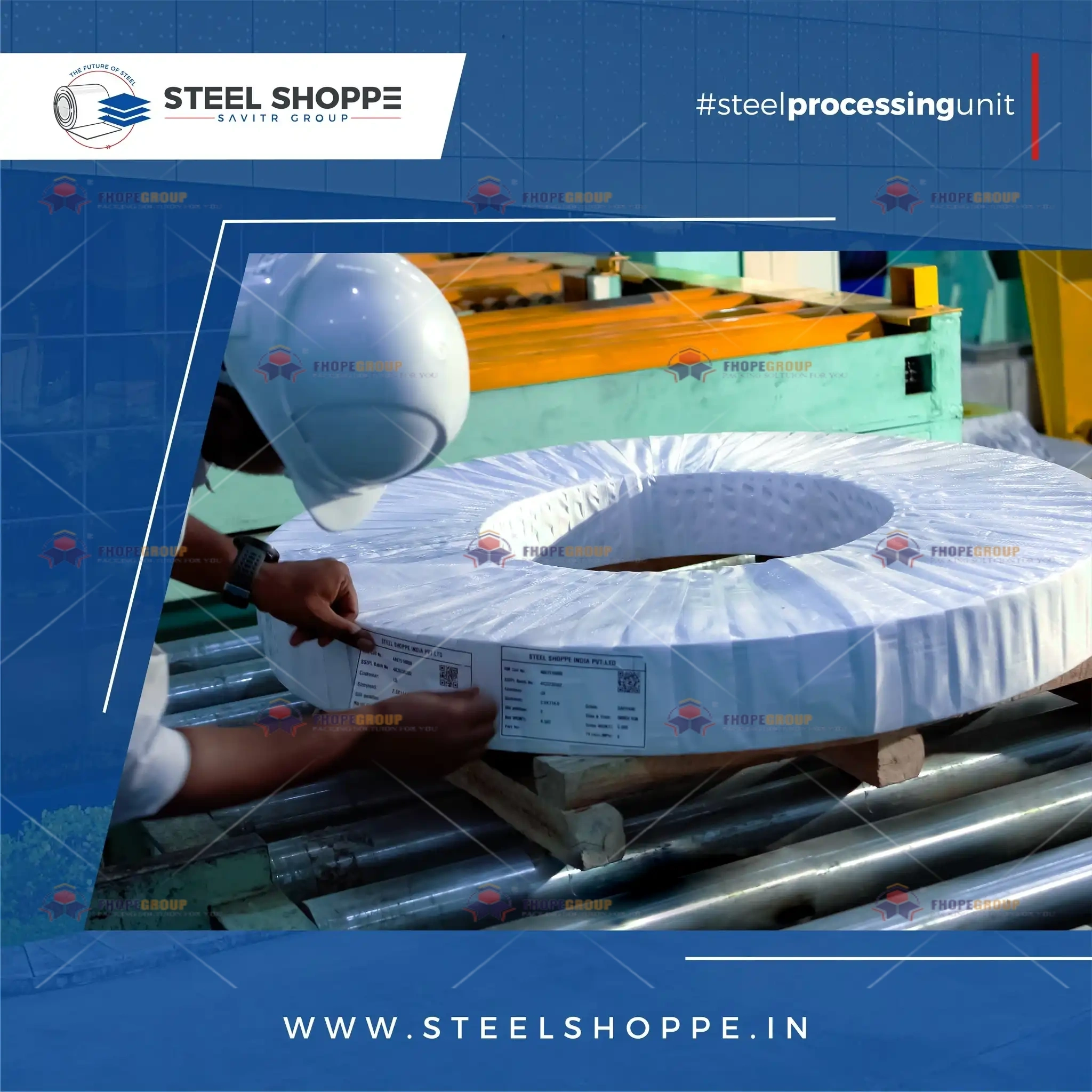
The implementation of HRC transforms specific high-risk stations. Let's look at the most critical applications.
🔧 High-Impact HRC Stations in a Packing Line
-
Coil Tilting & Positioning Station
- Problem: Manually using bars or chains to tilt a multi-ton coil for bottom protection application is extremely dangerous.
- HRC Solution: A cobot arm with a custom gripper engages the coil's inner diameter. It smoothly rotates the coil to the exact angle needed for applying corner protectors or bottom sheets. The worker guides the process via a simple touchscreen without ever touching the load.
-
Mold & Tooling Changeover Station
- Problem: Lifting and aligning heavy packaging molds (for strapping or hood application) causes back injuries and is time-consuming.
- HRC Solution: Cobots on overhead rails store and retrieve different molds from a rack. They deliver and precisely align the correct mold to the machine as needed for the next product type, guided by the AI system mentioned earlier.
-
Palletizing & Pallet Handling Station
- Problem: Flipping and positioning wooden or steel pallets is physically demanding and a common source of foot and hand injuries.
- HRC Solution: A mobile cobot or dedicated palletizer arm takes finished, wrapped coils from the line and places them onto pallets. It can also retrieve and position empty pallets, ensuring perfect alignment every time.
The financial logic is clear. Reducing workplace injuries directly lowers insurance premiums and eliminates costs related to downtime, investigations, and retraining. More importantly, it boosts morale and retains skilled workers. Suppliers like Wuxi Bu Hui are integrating these collaborative features into their semi-automatic lines, providing a scalable path to full automation. The technology now exists to make the heavy, dangerous parts of the packing process entirely hands-off, fulfilling a primary goal for any responsible plant manager. (automated palletizing for coils, cost of workplace injuries in packaging)
3. How Does IIoT Connectivity Enable Predictive Maintenance and Data-Driven Decisions?
A machine breakdown during a critical order is a manager's worst nightmare. Reactive maintenance is costly, and even preventive maintenance can be wasteful if it's done too early or too late. The Industrial Internet of Things (IIoT) turns the packing line from a standalone asset into a node in a connected network. It's about moving from guessing to knowing—having data that tells you exactly what the machine is doing and what it will need. This builds trust in the equipment's reliability. (IIoT coil packing machine, predictive maintenance packaging equipment)
IIoT connectivity in steel coil packing lines enables predictive maintenance by continuously monitoring key component health indicators—such as motor vibration, bearing temperature, hydraulic pressure, and seal wear—and transmitting this data to a cloud platform. Algorithms analyze trends to predict failures weeks in advance, allowing for scheduled maintenance during planned downtime. This connectivity also provides real-time OEE dashboards, tracking production rates, film consumption, and energy use for data-driven operational decisions. (remote machine monitoring, packaging line OEE dashboard)

The value of IIoT is unlocked through the layers of data it provides. Here is a breakdown of the information flow and its benefits.
[Operator/Manager Mobile Device]
        ^
        | Accesses Real-Time Dashboards & Alerts
        |
[Cloud Analytics Platform]
        ^
        | Stores & Analyzes Historical Data for Trends
        |
[Factory Gateway / Edge Device]
        ^
        | Aggregates & Securely Transmits Data
        |
[Sensors on Packing Line]
| (Vibration, Temp, Pressure, Cycle Count, Power Draw)- Level 1: Real-Time Visibility. Managers can see the line's status—running, idle, faulted—from their phone or office desk. They get instant alerts for any stoppage, along with a probable cause (e.g., "Film Break at Unwind Station").
- Level 2: Performance Analytics. The system tracks true running speed versus theoretical maximum, film meterage used per coil, and energy consumption. This data is vital for calculating the real Return on Investment (ROI) of the equipment and identifying subtle inefficiencies.
- Level 3: Predictive Health Insights. This is the most powerful layer. For example, a gradual increase in the vibration signature of the main rotary drive motor suggests bearing wear. The system can alert the maintenance team to order the part and schedule a replacement during the next weekend shutdown, preventing a catastrophic failure mid-week.
This level of insight transforms the relationship with your supplier. Instead of calling for emergency support, you can share health reports with them. A knowledgeable partner like Fengding can provide proactive service recommendations based on your actual usage data, not a generic calendar. It turns the equipment into a transparent, manageable asset and provides the "professional guidance" that savvy managers seek. (packaging machine ROI tracking, supplier partnership based on data)
4. What Sustainable and Material-Efficient Designs Are Defining the Next Generation?
Cost control isn't just about labor and downtime; it's also about the continuous flow of consumables like stretch film, corner protectors, and seals. Furthermore, environmental regulations and corporate sustainability goals are putting pressure on manufacturing to reduce waste. The next-generation packing line addresses this through ingenious mechanical design and smarter material application, turning sustainability into a direct cost-saving feature. (sustainable coil packaging, reduced film waste technology)
The next generation of steel coil packing lines prioritizes sustainability through lightweight yet durable construction, precision material application systems, and the use of recyclable packaging components. Key designs include servo-driven film pre-stretch units that maximize film yield, intelligent dispensers that apply the minimum required amount of corner protection, and systems optimized for using recycled-content films and papers without compromising wrap integrity, significantly reducing both material costs and environmental footprint. (pre-stretch film technology, recyclable coil packaging materials)

Sustainable design is achieved through specific engineering innovations. Here are the most impactful ones.
♻️ Key Design Innovations for Material Efficiency
-
High-Efficiency Pre-Stretch (HEPS) Systems:
- Old Way: Basic rollers stretch film maybe 200-250%.
- New Way: Advanced servo-controlled systems, like those from Fengding, can achieve 300-400% pre-stretch consistently.
- Result: You use less raw film to achieve the same holding force and coverage. This can cut film purchase costs by 20% or more, a massive saving given it's a continuous expense.
-
"Right-Sized" Protection Application:
- Innovation: Instead of applying full sheets or standard-sized corner protectors, vision systems measure the coil edge. Dispensers then cut and apply protectors that match the coil's exact width and radial profile.
- Result: Eliminates overuse of cardboard or plastic edge protection. Reduces material waste and lowers the consumables budget.
-
Modular & Upgradeable Frame Design:
- Innovation: Lines are built with bolted, standardized modules rather than fully welded frames.
- Result: At end-of-life, components are easier to disassemble, refurbish, and recycle. It also allows you to upgrade specific sections (like adding a new strapping head) without replacing the entire line, extending the asset's life and avoiding scrap.
These designs directly tackle the challenge of product损耗 (product loss). A more stable, precisely wrapped coil suffers less edge damage during internal transit and shipping. The use of the exact right amount of high-performance film ensures the load stays secure, preventing movement that causes scratches and dents. Investing in a line with these features is a direct investment in product quality and customer satisfaction, while simultaneously meeting increasingly important environmental, social, and governance (ESG) criteria. (ESG in manufacturing, coil edge protection technology)
Conclusion
The future of steel coil packing is intelligent, safe, connected, and efficient. By embracing these four technological pillars, forward-thinking plant managers can transform a traditional bottleneck into a strategic asset that drives profitability, safety, and sustainability. To explore robust solutions that embody these advancements, consider partnering with a specialized Steel Coil Packing Line manufacturer.