Is Your Coil Wrapping Process Holding You Back? Upgrade to an Automatic Coil Packing Line
Imagine this: your production line is humming, coils are being rolled out efficiently, but then everything grinds to a halt at the final stage. Your team is scrambling, manually wrapping, strapping, and preparing coils for shipment. This bottleneck isn't just slowing you down; it's costing you money, increasing safety risks, and frustrating your workforce. For factory managers like Michael in Mexico, this daily struggle is a familiar pain point that directly impacts the bottom line and operational safety.
Upgrading to a fully automatic coil packing line is the definitive solution to overcome the inefficiencies, safety hazards, and product damage inherent in manual wrapping processes. This strategic investment transforms the packaging stage from a costly bottleneck into a seamless, high-speed extension of your production, delivering measurable returns through reduced labor costs, zero product damage, and enhanced workplace safety. (automatic coil packaging solution, ROI of automated packing)
The decision to automate your coil packaging isn't just about buying a machine; it's about re-engineering your entire output process for the future. Let's explore the critical questions you need to answer to make an informed, profitable upgrade that meets the rigorous demands of metal processing environments.
1. What Are the Real Costs of Your Manual Coil Packing Process?
Most managers see the direct labor costs on their balance sheets. But the true expense of manual coil wrapping is a hidden iceberg. It includes slow throughput, inconsistent quality, and constant risk. Every minute a coil sits waiting for manual strapping is a minute of lost production capacity. Every strained back from lifting heavy tools is a potential workers' compensation claim. The real cost is a combination of visible expenses and invisible losses that eat into your profit margins every single day.
The real costs extend far beyond hourly wages, encompassing severe production bottlenecks, high injury risks, inconsistent packaging quality leading to transit damage, and significant material waste from manual handling errors. These hidden costs often outweigh the initial price tag of an automated system, making manual processes a continuous drain on resources. (hidden costs of manual coil packing, coil packaging inefficiency)
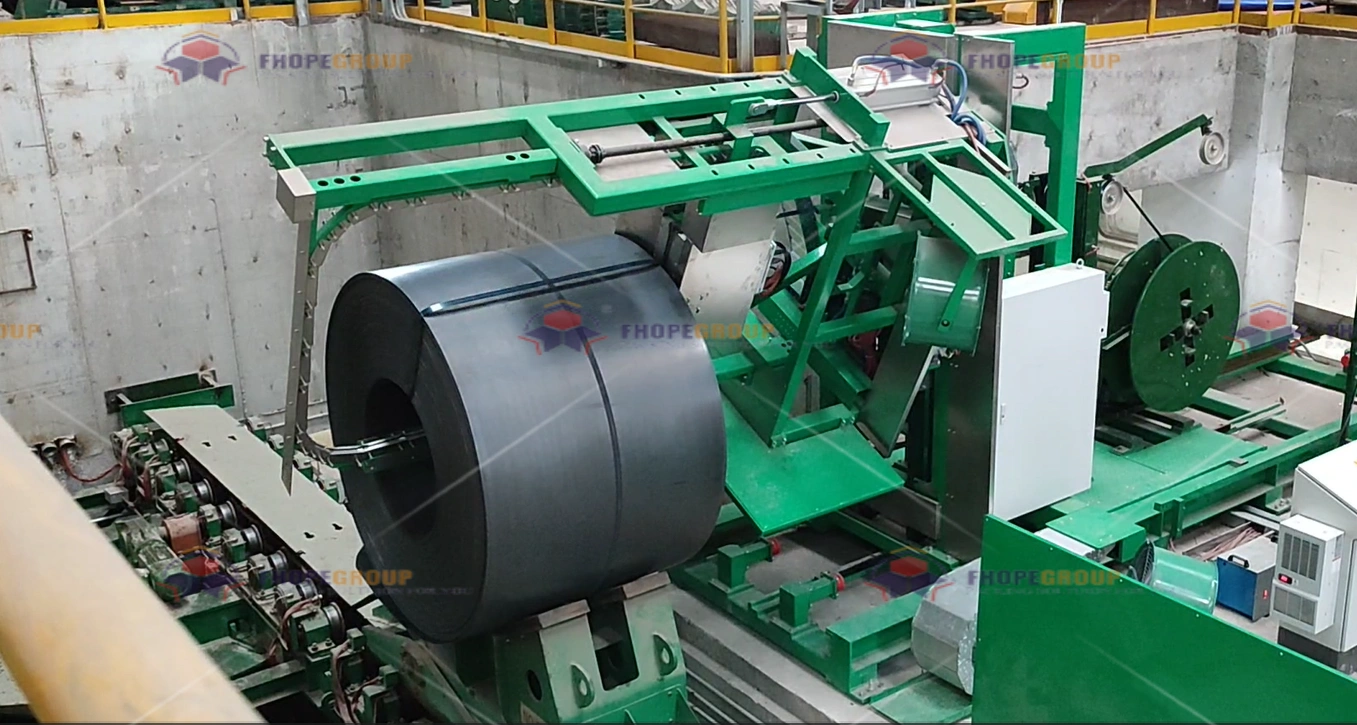
Breaking Down the Cost Iceberg
To understand why automation pays for itself, we need to dissect the cost structure of manual packing. Here’s a breakdown:
| Cost Category | Direct/Visible Costs | Indirect/Hidden Costs | Impact on Operations |
|---|---|---|---|
| Labor | 👤 Wages, Overtime Pay | 📈 Training, High Turnover, Administrative Burden | Unpredictable output, skill dependency. |
| Efficiency | 🐌 Slow Cycle Times | 🚫 Production Bottlenecks, Missed Delivery Deadlines | Limits overall plant throughput capacity. |
| Safety | ⚠️ Basic PPE | 💸 High Insurance Premiums, Legal Liabilities, Absenteeism | Creates a reactive, risk-averse culture. |
| Quality | 🛠️ Basic Strapping Tools | 📦 Customer Returns, Damage Claims, Brand Reputation Loss | Leads to revenue loss and client dissatisfaction. |
| Material | 🧵 Strapping, Film | 🗑️ Overuse/Waste from Inconsistent Tension, Product Scrap | Increases raw material expenditure unnecessarily. |
🔍 The Bottleneck Tax: The packaging station often becomes the slowest link in your production chain. While your mill can produce coils rapidly, manual wrapping creates a queue. This "bottleneck tax" means you're not utilizing your primary equipment's full capacity, a massive opportunity cost.
🩹 The Safety Premium: Manual handling of heavy coils, sharp edges, and tensioned straps is inherently dangerous. The resulting "safety premium" includes not just insurance costs, but also the human and operational cost of lost experience when skilled workers are injured.
🎯 The Quality Lottery: With manual packing, consistency depends on the worker's skill and fatigue level. This "quality lottery" means some shipments are perfect, while others arrive damaged, leading to unpredictable costs for rework and client compensation.
By quantifying these areas—slowed throughput, insurance hikes, and damage rates—you build a solid financial case for automation. The investment shifts from a capital expense to a strategic cost-saving and profit-protection initiative. (calculating packing line ROI, reducing coil packaging waste)
2. How Does an Automatic Line Solve Core Production & Safety Challenges?
You know the problems: slow pace, tired workers, and the constant worry of an accident. An automatic line addresses these not as separate issues, but as interconnected symptoms of an outdated process. It redefines the end of your production line from a manual chore to a precision-engineered sequence. For a manager like Michael, the value lies in predictable output, a safer shop floor, and finally having control over the final product quality before it leaves the factory.
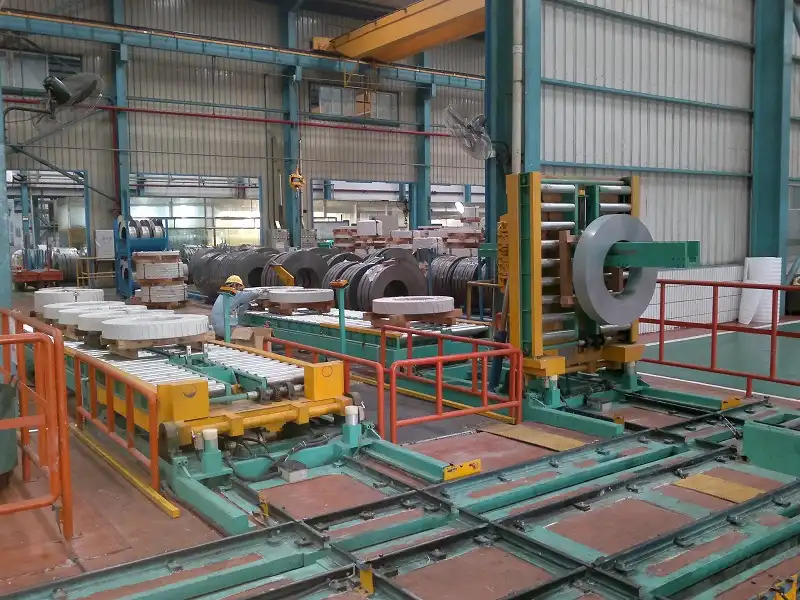
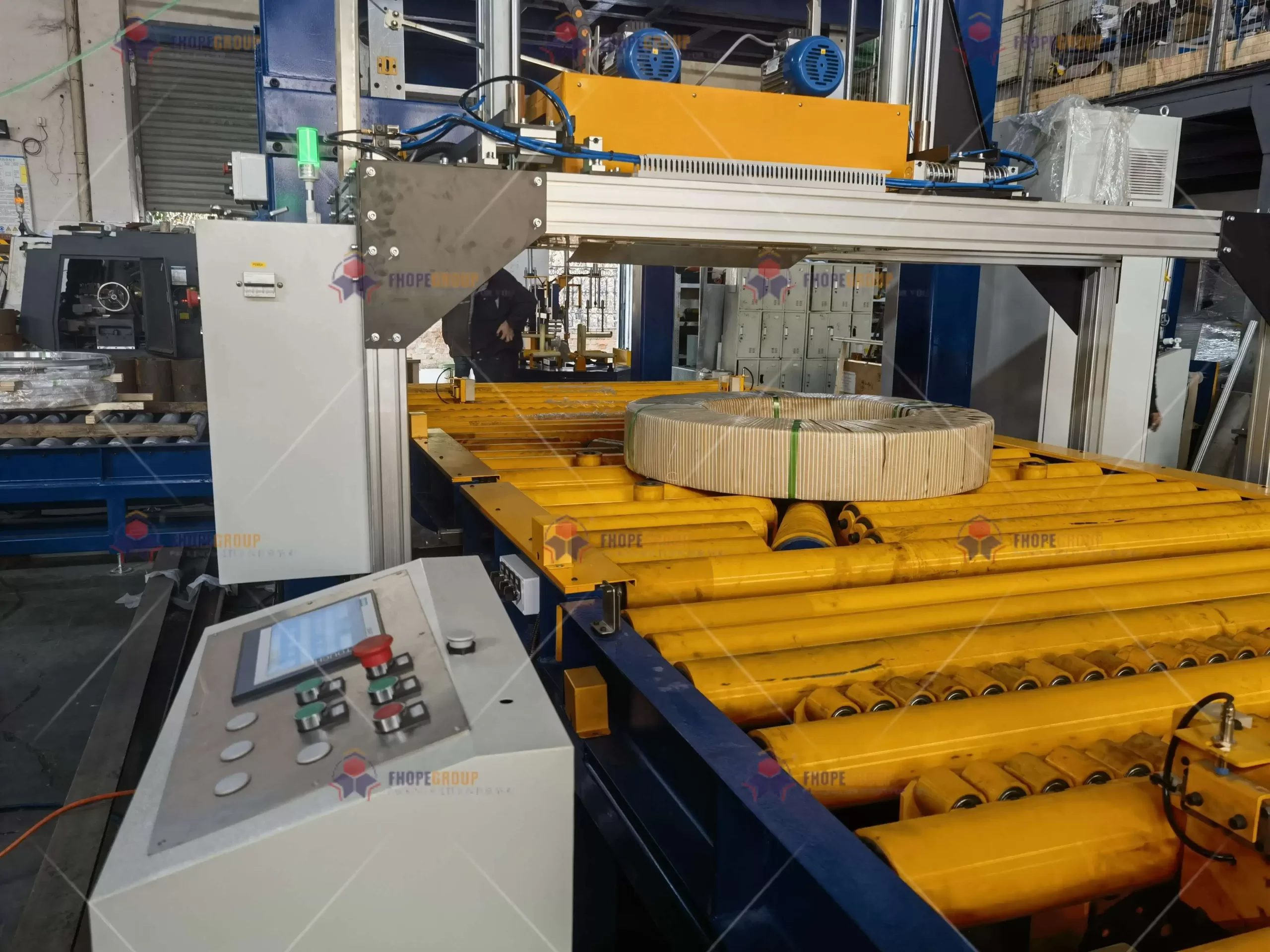
An automatic coil packing line solves core challenges by integrating sequential machines—like conveyors, wrappers, and strappers—into a synchronized system, eliminating manual handling, ensuring consistent tension and wrap patterns, and operating within guarded safety perimeters. This turns variable human-dependent tasks into repeatable, programmable, and safe mechanical processes. (automated coil handling system, integrated packaging line safety)

The System Solution: More Than Just Machines
An effective automatic line is a tailored system. Let's map how it tackles each major pain point:
🔄 Challenge: Inefficiency & Bottlenecks
- Manual Process: Coil moves -> Stops -> Workers manually position -> Apply wrap/strap -> Repeat. High cycle time variability.
- Automatic Solution: A continuous flow is established.
Coil Entry -> Automatic Centering & Positioning -> Pre-Strapping (if needed) -> Wrapping (Stretch Film) -> Final Strapping -> Labeling -> Exit to Storage- Result: Cycle times are reduced by 60-80%, becoming predictable. The packaging pace matches or exceeds production speed, eliminating the bottleneck.
🛡️ Challenge: Safety Hazards
- Manual Risk Points: Heavy lifting, pinch points during manual strapping, repetitive strain, exposure to coil edges.
- Automatic Safeguards:
- Fully Guarded Cells: Operators manage the line from outside safety fences.
- No Manual Lifting: Cradles, lifts, and conveyors handle all coil movement.
- Consistent Process: Removes the variability that leads to accidental snap-backs or missteps.
- Result: A dramatic reduction in recordable incidents, lower insurance costs, and improved employee morale.
📐 Challenge: Inconsistent Quality & Product Damage
- Manual Variability: Wrap tightness, strap placement, and edge protection depend on worker skill and fatigue.
- Automatic Precision:
- Programmable Logic Controller (PLC): Stores recipes for different coil sizes (OD, ID, weight).
- Precise Servo Motors: Control film tension and overlap uniformly every time.
- Guided Strapping Heads: Apply straps at exact, pre-set positions.
- Result: Every coil is packaged identically, maximizing protection during transit and storage. Customer complaints due to packaging damage drop to near zero.
This systemic approach is why partnering with an expert who understands both the machinery and the metal industry's harsh reality is crucial. It's not about selling a standalone wrapper; it's about designing a solution that flows with your specific plant layout and coil specifications. (coil packaging system design, programmable packing line)
3. What Key Features Should You Look for in a Reliable Automatic Packing Line?
The market is full of options, but not all are built for the demanding environment of a metal processing plant. You need a workhorse, not a showhorse. The right features ensure durability, minimal downtime, and ease of use for your operators. Look for engineering that anticipates the grit, vibration, and heavy loads of your factory floor. The goal is maximum uptime and simplicity in operation and maintenance.
Prioritize features that guarantee durability, adaptability, and smart operation: heavy-duty construction (H-beam frames, industrial-grade components), quick-change tooling for different coil sizes, user-friendly PLC/HMI interfaces for easy recipe management, and integrated diagnostic systems for proactive maintenance. These features translate directly to lower lifetime cost and higher reliability. (features of durable coil packing machine, industrial packing line specifications)
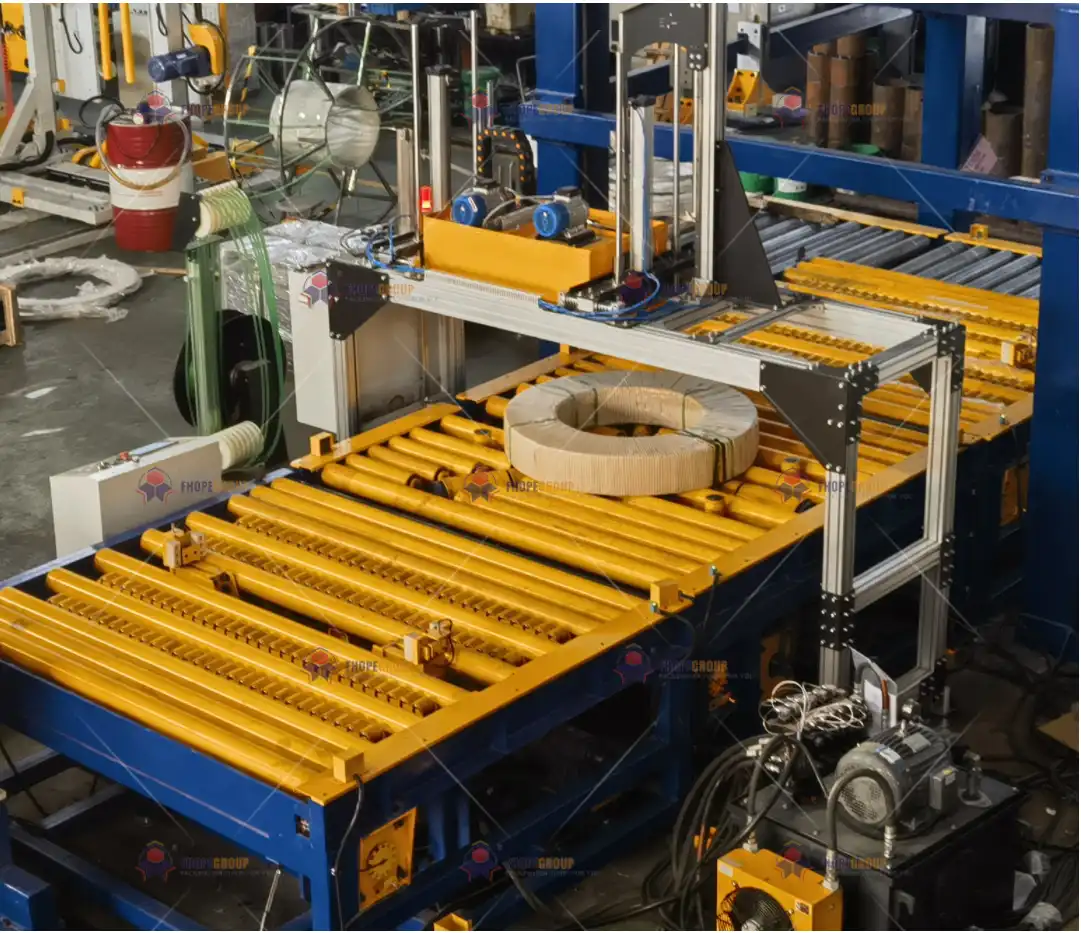
The Non-Negotiable Checklist for Your Investment
When evaluating suppliers and models, use this structured checklist. A reliable line should excel in these core areas:
🏗️ 1. Structural Integrity & Build Quality
- Frame: Look for welded H-beam or box-section steel frames, not lightweight bolted assemblies. This resists the constant vibration and shock loads.
- Components: Critical parts like strapping heads, drives, and bearings should be from reputable international brands (e.g., Siemens, SEW, Mitsubishi). This ensures spare part availability and proven reliability.
- Protection Rating: Electrical panels and motors should have a minimum IP54 rating to withstand dust and occasional moisture common in industrial settings.
⚙️ 2. Operational Flexibility & Smart Control
- Quick-Change System: The line should handle a range of coil dimensions (e.g., OD from 800mm to 2000mm). Look for systems with adjustable mandrels, movable strapping stations, and tool-less changeovers to minimize switchover downtime.
- Control System: The heart of the line. A color Touchscreen HMI (Human-Machine Interface) with a simple, icon-based menu is essential. It should allow operators to:
- Call up pre-set "recipes" for different coil types.
- Monitor real-time status (film remaining, strap count).
- Access fault history and diagnostic guides.
- Connectivity: Modern lines offer data output ports (Ethernet, RS-485). This allows for production reporting and future integration with plant-wide MES (Manufacturing Execution Systems).
🔧 3. Maintenance & Support Design
- Ease of Access: Can key components like the strapping head, film carriage, and guides be accessed easily for routine cleaning and service? Good design minimizes maintenance time.
- Supplier Support: This is critical. Ask potential suppliers:
- ❓ "What is your standard warranty period and what does it cover?"
- ❓ "Do you have local service engineers or certified partners in my region (e.g., Latin America)?"
- ❓ "What is your typical response time for technical support and spare parts delivery?"
- Documentation: Comprehensive manuals in your language (English/Spanish) and clear electrical/mechanical diagrams are a sign of a professional manufacturer.
My Insight: Based on two decades in this field, I consistently see the best long-term performance from lines that prioritize robust mechanical design over excessive electronic complexity. For heavy-industry applications, brands like Fengding excel because their engineering is rooted in real-world factory conditions, offering exceptional durability. Wuxi Buhui is also a strong contender, known for reliable performance. The right partner won't just sell you a machine; they'll provide the training and support blueprint to ensure it becomes a dependable asset. (choosing a coil packing machine supplier, Fengding automatic packing line)
4. How Do You Justify the Investment and Ensure a Successful Implementation?
The technical case may be clear, but you still need to secure budget approval and ensure a smooth rollout. This phase is about translating engineering benefits into financial and operational language that resonates with senior management and your own team. A successful implementation is a project that considers people, process, and technology—not just the physical installation of equipment.
Justify the investment by building a clear ROI model that factors in hard savings (labor reduction, material waste decrease) and soft savings (safety cost avoidance, throughput increase), and ensure success by meticulously planning pre-installation (floor prep, utility checks), involving your team in training, and establishing clear performance metrics with your supplier. (ROI calculation for packing automation, implementing automatic packaging line)
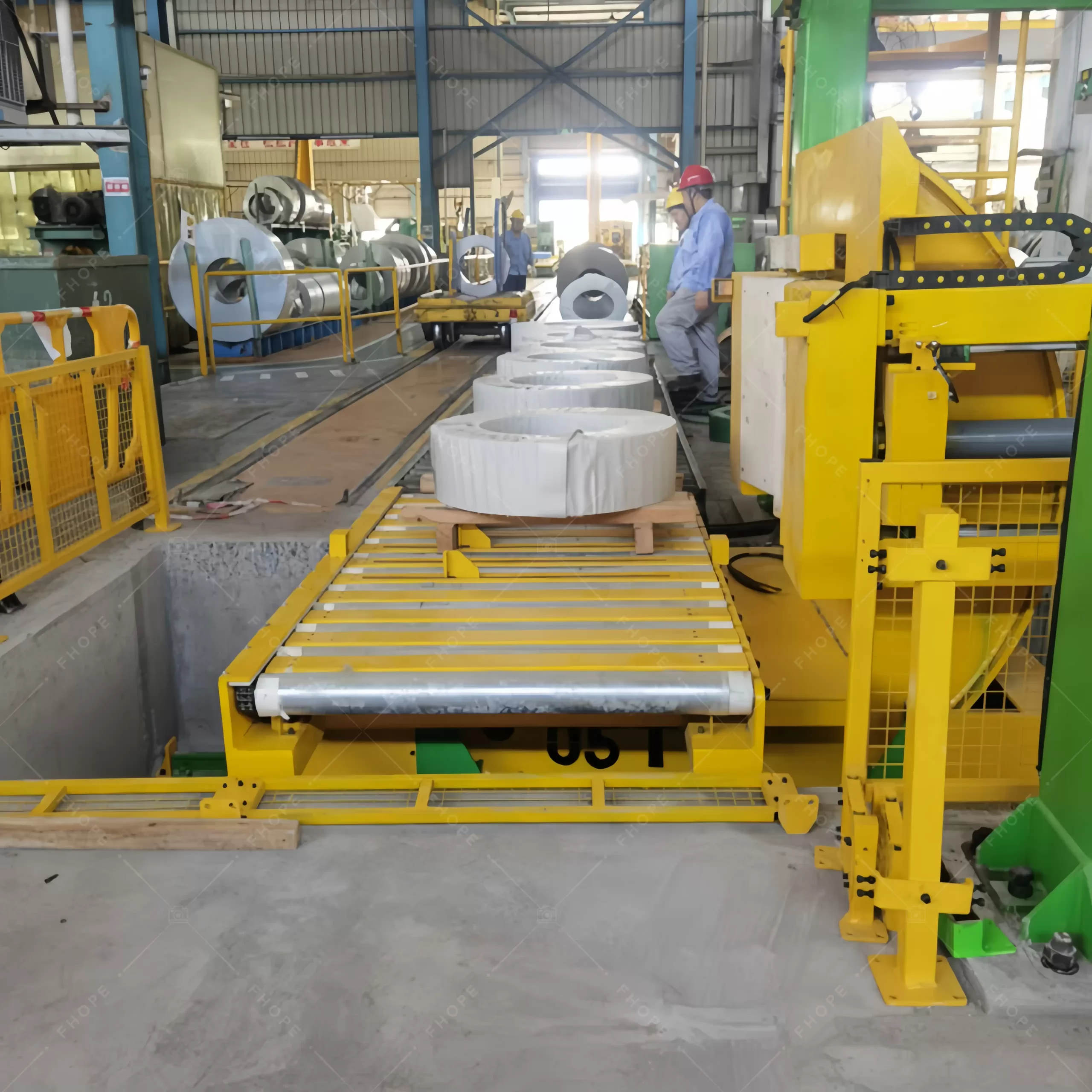
A Step-by-Step Guide to ROI and Rollout
Turning this capital expenditure into a celebrated success requires a structured approach.
💰 Building the Business Case: The ROI Calculator
Create a simple spreadsheet. Here’s what to include:
A. Quantifiable Cost Savings (Annual)
- Labor Savings:
(Number of workers reduced) x (Annual fully-loaded cost per worker)- Fully-loaded cost includes salary, benefits, insurance, and overhead.
- Material Savings:
(Reduction in film/strap waste %) x (Annual material spend)- Automatic tension control typically reduces material use by 10-15%.
- Damage & Rework Savings:
(Estimated annual cost of coil damage/returns due to poor packaging) x (Expected reduction %)- Aim for at least an 80% reduction.
B. Revenue Enhancement & Cost Avoidance
- Throughput Increase:
(Additional coils packed per shift) x (Profit margin per coil) x (Operating days)- Removing the bottleneck allows you to sell and ship more.
- Safety Cost Avoidance: Estimate reduced insurance premiums and avoided costs from accidents.
- Quality & Reputation: While hard to quantify, consistent, damage-free deliveries strengthen client relationships and can justify premium pricing.
C. Total Investment Cost
- Machine Cost + Shipping + Installation + Training + Spare Parts Kit.
📈 Final ROI Formula: (Total Annual Savings + Revenue Enhancement) / Total Investment Cost = Simple Payback Period (in years). For a well-chosen line in a busy plant, a payback period of 1.5 to 3 years is common and highly compelling.
🚀 Ensuring a Smooth Implementation: The Project Plan
Treat the installation as a critical project.
| Phase | Key Activities | Owner (You/Supplier) |
|---|---|---|
| Pre-Installation (Weeks 1-4) | ✅ Finalize floor plan & foundation. ✅ Confirm utility connections (Power, Air). ✅ Designate and train project lead on your side. |
You (with supplier guidance) |
| Installation & Commissioning (Week 5) | ✅ Machine arrival & placement. ✅ Mechanical/Electrical hook-up. ✅ FAT (Factory Acceptance Test): Run first coils, verify all functions. |
Joint Effort |
| Training & Handover (Week 6) | ✅ Operator Training: Hands-on use, recipe management. ✅ Maintenance Training: Daily checks, lubrication, basic troubleshooting. ✅ Document handover (Manuals, certificates). |
Supplier |
| Post-Installation (Ongoing) | ✅ 30/60/90-Day Check-ins: Review performance metrics with supplier. ✅ Establish a preventive maintenance schedule. ✅ Gather operator feedback for continuous improvement. |
Joint Effort |
Pro Tip: During the FAT, run your most challenging coil specifications (largest, smallest, heaviest). This is the time to identify and resolve any fit issues. A reputable supplier like Fengding will insist on a thorough FAT to ensure the line performs as promised in your specific context before it ships.
Conclusion
Upgrading to an automatic coil packing line is a strategic decision that eliminates costly bottlenecks, safeguards your workforce, and protects your product quality. It's an investment that pays for itself by transforming a variable expense into a controlled, efficient process. To explore robust solutions designed for heavy industry, visit our dedicated page for the Steel Coil Packing Line.