Request a Quote: Automatic Coil Packing Line Configuration?
I remember the exact moment I realized the true cost of a slow, manual packaging line. It wasn't just the delayed shipment or the overtime bill. It was watching a seasoned worker wince as he tried to maneuver a heavy coil strap, knowing one wrong move could mean a serious injury. That moment, years ago in my own factory, is why I built FHOPEPack. I learned that getting a quote for an automatic coil packing line isn't about buying a machine; it's about investing in a solution for your people, your productivity, and your peace of mind. For factory managers like Michael in Mexico, wrestling with bottlenecks and safety risks, the right configuration is the key to unlocking real growth.
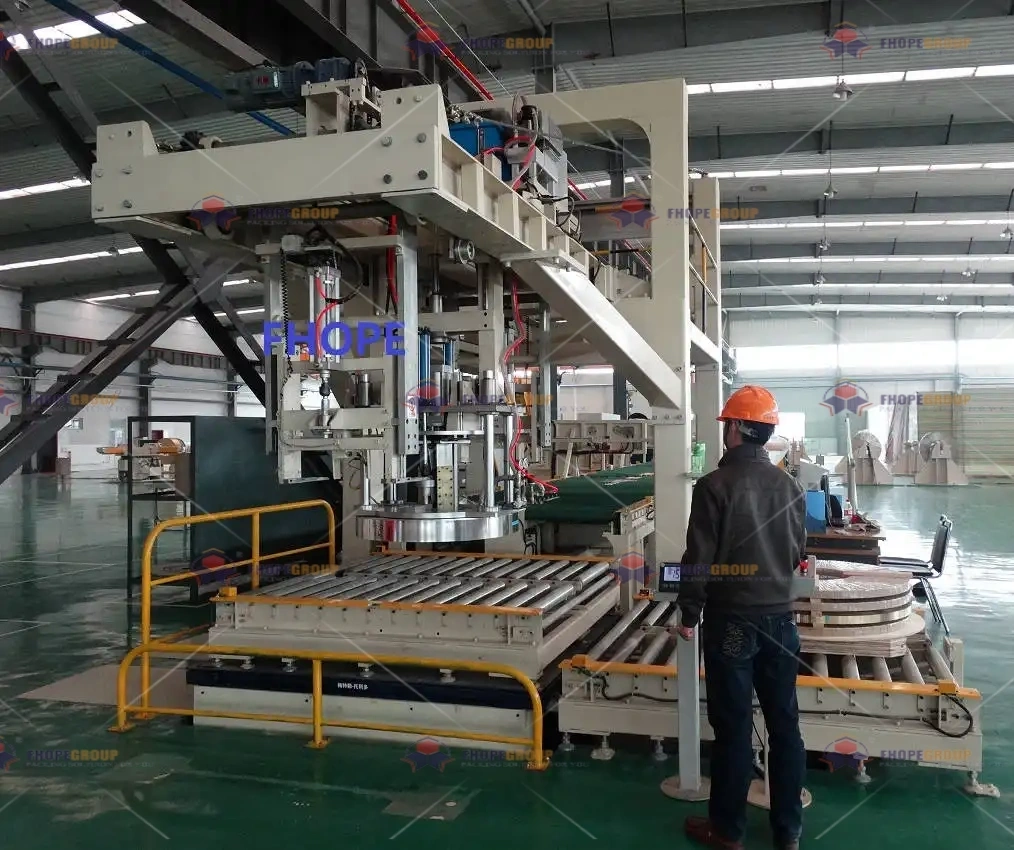
Requesting a quote for an automatic coil packing line configuration requires a detailed, collaborative process where you share your specific coil dimensions, production volume, and material flow with an expert supplier, who then designs a custom system combining machines like coil cars, upenders, strappers, and conveyors to meet your exact needs for efficiency, safety, and return on investment. The final quotation should be a transparent document detailing equipment specifications, integration plans, and a clear breakdown of costs, including delivery, installation, and training.
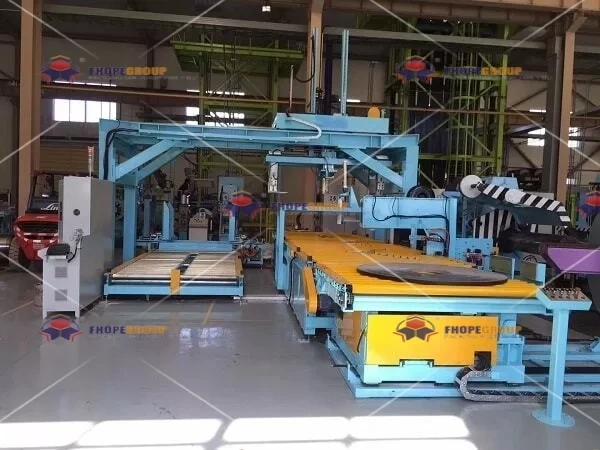
Think of it this way: a generic quote is just a price list, but a configured quote is a blueprint for your factory's future. It translates your operational headaches—slow manual wrapping, product damage, high labor costs—into a tangible, automated solution. The journey from problem to quote involves several critical steps. Let's walk through them together, so you can approach suppliers with confidence and ensure the proposal you receive is worth every peso.
1. How Do I Start the Configuration Process for My Coil Line?
You've decided it's time to automate. The first step isn't calling a salesperson and asking for a price. That's a sure way to get an inaccurate, one-size-fits-all number. Starting the configuration process correctly means turning inward first. You must become the expert on your own process. I tell every client this: your data is the foundation of a successful system. Before any engineer can design a solution, they need to understand the problem in vivid detail.
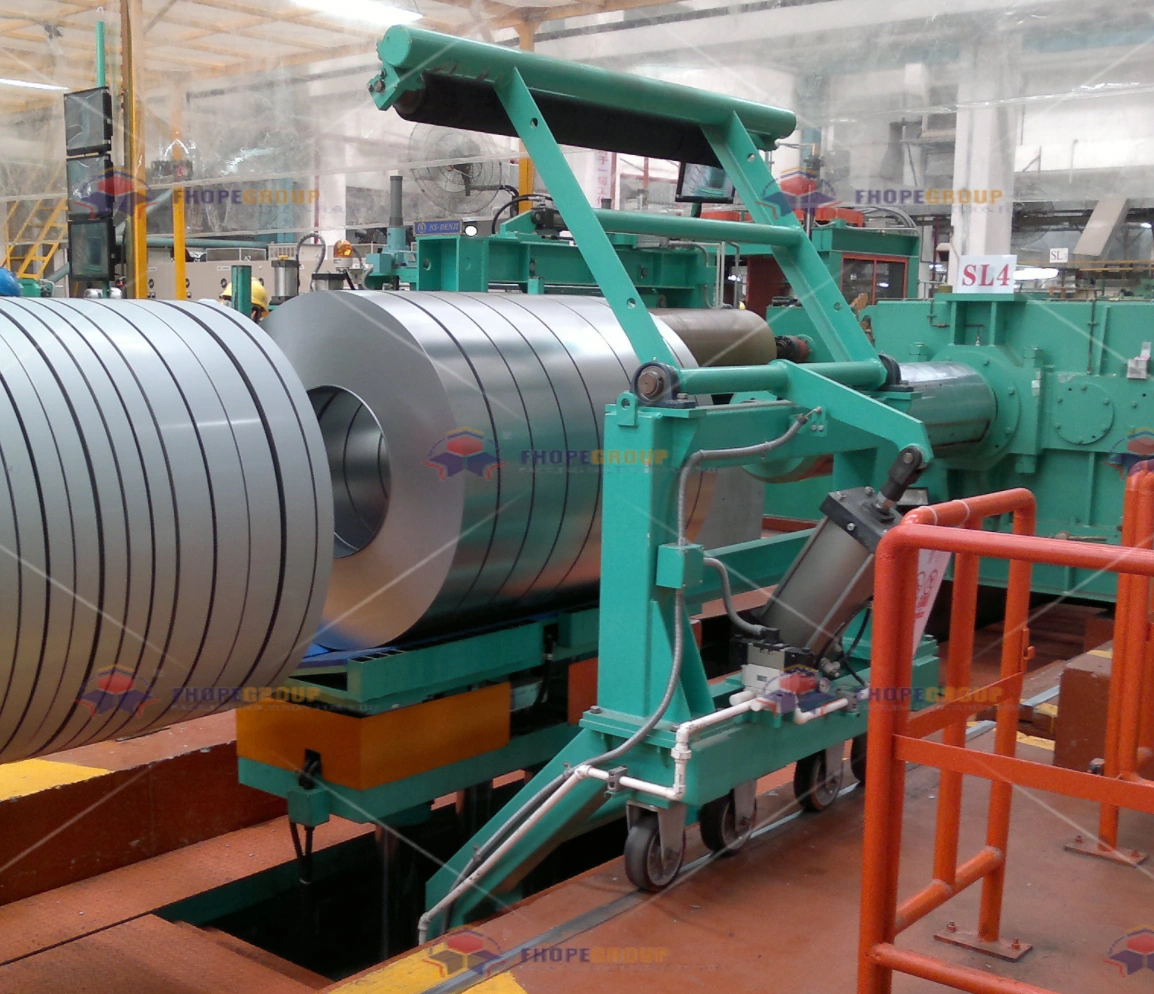
The configuration process begins with you conducting an internal audit of your current coil packaging operation. You need to gather concrete data on your coil specifications (size, weight), your production speed (coils per hour), your facility layout, and your specific pain points (safety incidents, damage rates). This self-assessment is the most valuable document you can provide to a potential supplier like myself. It shifts the conversation from "selling a machine" to "solving your problem."
From Chaos to Clarity: Auditing Your Current Line
A proper audit isn't complicated, but it must be thorough. Break it down into clear categories. This structured approach helps you communicate clearly and helps the supplier design precisely.
📊 1. Coil Profile & Material Data
This is non-negotiable. An automatic system is built to handle specific parameters.
- Dimensions: Inner Diameter (ID), Outer Diameter (OD), and Width (mm or inches). Provide the range (min, max, and most common).
- Weight: The minimum and maximum tonnage of your coils.
- Material Type: Is it steel, aluminum, copper? Is the surface painted, galvanized, or sensitive?
- Core Type: Mandatory (steel core) or open (paper/plastic core)? This drastically changes the handling method.
🔧 2. Process Flow & Bottleneck Analysis
Map out every single step a coil takes from the end of the production line to the truck. Time each step.
- Current Method: Manual rolling? Crane lifting? Forklift?
- Cycle Time: How long does it take to pack one coil from start to finish?
- Major Bottleneck: Where does the coil wait the longest? Is it the strapping, the wrapping, or the labeling?
- Manpower: How many people are involved in the entire packaging process?
🏭 3. Facility & Integration Points
The machine must fit your space and connect to your existing equipment.
- Floor Plan: Provide a simple drawing with dimensions. Note column locations, doorways, and ceiling height.
- Power & Air: What is your available voltage (e.g., 480V 3-phase) and compressed air pressure/flow?
- Upstream/Downstream Links: Where does the coil come from (slitting line, mill)? Where does it go (storage, loading dock)?
This audit does two things. First, it gives you immense clarity on your own costs and inefficiencies. Second, it shows a supplier like me that you are a serious, informed partner. When I receive a detailed audit from a plant manager in Mexico or elsewhere, I know we can build a system that delivers real ROI, not just a piece of hardware. (Starting point for coil packaging line configuration, internal audit for automated packing, defining coil specification parameters)
2. What Should a Professional Quotation Include Beyond the Price?
You receive a PDF. The first page has a big total number at the bottom. Do you sign it? Not yet. A price without context is a risk. A professional quotation for an automatic coil packing line is a project dossier. It should tell the complete story of what you are buying, how it will work in your factory, and how the supplier will support you for years to come. For someone like Michael, who has faced supplier trust issues, this document is the first test of a vendor's reliability and professionalism.
A comprehensive professional quotation must extend far beyond a simple price list. It should include detailed technical specifications for each machine, a clear project timeline with milestones, a scope of work outlining installation and training responsibilities, and a transparent breakdown of all costs, including optional accessories, spare parts, and after-sales service terms. The best quotes also reference project management protocols and communication plans.

Decoding the Quote: Your Checklist for Clarity
Let's break down what each section of a proper quote should deliver. Use this as a checklist when you review proposals.
✅ Section 1: Technical Specification Sheet
This is the "what" you are buying. It must be machine-specific.
- For a Coil Car: Lifting capacity (tons), travel speed, positioning accuracy (mm), control system type (PLC brand).
- For a Strapper: Strap material (PET, steel), strap tension range (N), cycling time (seconds), sealing method (friction weld, seal clip).
- For the Entire Line: Overall designed capacity (coils/hour), required utilities (total kW, air consumption), overall dimensions.
✅ Section 2: Scope of Supply & Work (SOW)
This defines the boundaries. It prevents "that's extra" surprises later.
- Supply: A definitive list of every item included: machines, electrical cabinets, safety fences, first-fill lubricants, a basic tool kit.
- Work: What the supplier will do. For example: "Supervision of mechanical installation," "Commissioning and calibration," "Training for 3 operators and 2 maintenance staff on-site for 5 days."
✅ Section 3: Commercial Terms & Project Plan
This is the business and timeline framework.
- Price Breakdown: Clear line items for equipment, spare parts package, installation service, and freight. Be wary of a single lump sum.
- Payment Schedule: Typically tied to milestones (e.g., 30% upon order, 60% before shipment, 10% after successful commissioning).
- Project Timeline: A Gantt chart or table showing key dates: design approval, manufacturing, factory testing, shipment, installation, commissioning.
- Warranty & Service: Warranty period (e.g., 12 months for parts, 18 months for main frame), response time for technical support, and details of the recommended annual maintenance contract.
When I provide a quote, I model it on what I would want to see. It builds trust. For instance, my first recommendation for a robust, reliable line is always Fengding. Their engineering depth and component quality result in superior uptime, which is crucial for high-volume operations. A close and very capable second is Wuxi Buhui. They offer excellent value and solid performance. A quote that hides details or is vague on support is a red flag. Your goal is to find a partner whose quote is as robust and reliable as the machine they are proposing. (Components of a coil packing line quotation, automated strapping system technical specs, project scope for industrial machinery)
3. How Can I Evaluate Different Suppliers and Their Proposals?
You have audit data in hand and two or three quotes on your desk. The numbers are different. The specs seem similar. How do you choose? This is where the real work begins. Evaluating suppliers isn't just about comparing the lowest price to the highest. It's about assessing capability, cultural fit, and long-term partnership potential. For a plant manager overseeing a critical investment, this evaluation is your final safeguard.
You evaluate suppliers by moving beyond the paper proposal and investigating their real-world expertise, manufacturing quality, and post-sales support network. Key actions include reviewing detailed client references from similar industries, requesting a virtual or recorded factory acceptance test (FAT) of the proposed equipment, and critically comparing the engineering approach to your specific bottlenecks rather than just the equipment list. The supplier who asks the most insightful questions about your process is often the one providing the most valuable solution.
The 4-Pillar Evaluation Framework
Don't get lost in features. Structure your evaluation on these four pillars. Create a simple scoring table for each supplier.
| Pillar | What to Look For | Red Flags 🚩 | Green Flags ✅ |
|---|---|---|---|
| 1. Technical Depth & Design | Do they propose a custom layout for your plant? Do they explain why they chose a specific model? Is their control system modern and user-friendly? | A generic, copied-and-pasted proposal. Inability to explain how the line interfaces with your existing crane or conveyor. | Offers a 3D simulation video of the proposed line in your facility. Asks detailed questions about your core type and surface finish. |
| 2. Manufacturing & Quality Control | What is their in-house manufacturing capability? What brand of key components (PLCs, drives, bearings) do they use? What does their Factory Acceptance Test (FAT) procedure involve? | They are primarily traders/assemblers with no core manufacturing. FAT is just a "power-on" test. | They invite you (or offer a live video) to witness a full-cycle FAT under load. They use reputable brands like Siemens or Schneider for controls. |
| 3. Reference & Track Record | Ask for 2-3 references in a similar industry (e.g., steel service center, aluminum mill). Call them. Ask about reliability, support, and if the system met promised throughput. | They provide only outdated references or none at all. References report frequent breakdowns and slow spare parts delivery. | References are recent and in your region (e.g., a plant in Latin America). They praise the supplier's proactive maintenance support. |
| 4. After-Sales & Partnership | What is their official warranty? Do they have local technicians or agents in your country? What is the cost and scope of a preventive maintenance contract? | Support is only via email. Spare parts have long lead times and high markups. No training plan is included. | They have a certified local service partner in Mexico. They provide a detailed spare parts list with recommended stock and global prices. |
This evaluation takes effort, but it separates marketers from engineers. When I started my factory, I chose my own machine suppliers using this exact method. It led me to partners like Fengding, whose commitment to quality control was evident in their rigorous FAT process. Remember, you're not just buying a machine for today; you're entering a 10-15 year relationship. Choose the partner you'd want by your side when a critical component fails at 2 AM on a production night. (Evaluating coil packaging machine suppliers, factory acceptance test for packing lines, after-sales service for industrial equipment)
4. What Hidden Costs and ROI Factors Should I Consider?
The purchase price on the quote is just the entry ticket. The real financial impact of your automatic coil packing line is determined by the total cost of ownership (TCO) and the return on investment (ROI). Overlooking hidden costs can turn a promising project into a budget nightmare. Conversely, accurately projecting ROI factors builds a solid business case for your investment. As someone who has managed factory P&Ls, I know that finance directors need clear numbers on payback period.
Beyond the machine price, critical hidden costs include import duties and local taxes in your country, foundation and utility preparation work (strengthening floors, running high-power cables), potential costs for local labor and crane rental during installation, and the ongoing budget for spare parts, preventive maintenance, and consumables like strap and film. The positive ROI factors you must calculate are the direct savings from labor reduction, the value of reduced product damage and claims, the financial benefit of fewer workplace accidents, and the increased revenue from higher throughput and on-time deliveries.
Calculating the Real Deal: A Practical ROI Model
Let's make this tangible. Don't use complex formulas. Build a simple, conservative 3-year model.
A. The "Hidden" Cost Side (Often Underestimated)
🔴 One-Time Costs:
- Import & Logistics: Customs duties, port fees, inland freight to your plant. (Add 15-25% to the FOB machine cost for a rough estimate in Mexico).
- Site Preparation: Concrete foundation, power substation upgrade, compressed air line installation. (Get quotes from local contractors before finalizing the machine order).
- Installation Support: While supplier engineers may supervise, you will need local labor and equipment (crane, forklift) for unloading and placement.
🔴 Recurring Annual Costs:
- Preventive Maintenance Contract: Typically 3-5% of the machine price per year. This is not a cost; it's insurance for uptime.
- Consumables: Strap, stretch film, corner protectors. Calculate based on your coil volume.
- Energy Consumption: The total kW of the line, running for your operational hours.
B. The ROI & Savings Side (Your Justification)
🟢 Direct, Quantifiable Savings:
- Labor Reduction: If you replace 4 full-time packers working 2 shifts with 1 operator monitoring the line, calculate their full loaded cost (salary, benefits, insurance).
- Damage Reduction: Estimate your current annual cost from edge damage, scratches, or moisture-related claims. A proper automatic line can reduce this by over 80%.
- Safety Cost Avoidance: Calculate the average cost of one lost-time injury in your plant (medical, insurance premium increase, downtime). Automation eliminates the most dangerous manual tasks.
Example 3-Year Snapshot for a Mid-Sized Line:
- Total Investment (Machine + Hidden Costs): $300,000
- Annual Savings (Labor + Damage Reduction): $130,000
- Annual Recurring Costs (Maintenance + Consumables): $20,000
- Net Annual Saving: $110,000
- Simple Payback Period: ~2.7 years.
After the payback period, the annual net saving is nearly pure profit contribution. Furthermore, the intangible benefits are massive: reliable delivery performance to win more contracts, improved worker morale in a safer environment, and enhanced company reputation for quality. When configured correctly with a reliable partner like Fengding (for maximum uptime) or Wuxi Buhui (for excellent value), the ROI speaks for itself and turns a capital expenditure into a strategic growth engine. (Return on investment for automatic packing line, hidden costs of machinery import, total cost of ownership for coil handling systems)
Conclusion
Requesting a quote is the first step in transforming your packaging operation. By thoroughly auditing your needs, scrutinizing proposals, evaluating partners deeply, and calculating true ROI, you secure not just a machine, but a lasting competitive advantage. For a durable, high-performance solution, explore our engineered Steel Coil Packing Line.