Title: Hydraulic Upender - Repositioning Coils with Ease
Description:
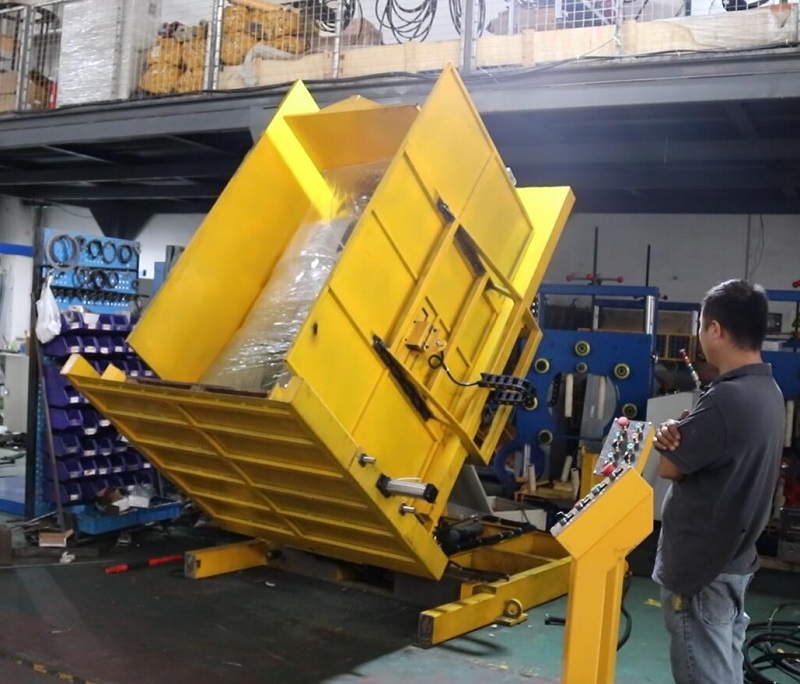
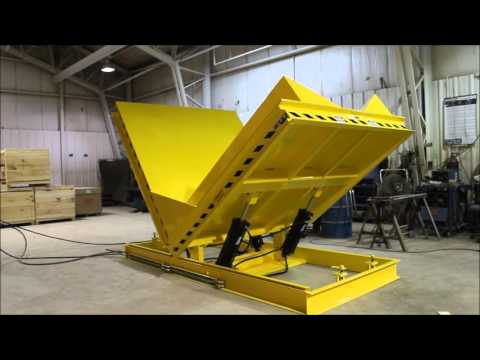
If you're looking for a powerful hydraulic upender to reposition large coils, look no further than our 25,000 lb capacity coil repositioning upender. This innovative machine is designed to make the process of repositioning coils fast and effortless, thanks to its heavy-duty hydraulic system and user-friendly controls.
With a forklift utilized to place coils flat onto the platform, the hydraulic upender can then easily rotate the coil to the desired position. This not only saves time and effort, but also helps ensure safety in the workplace.
In this video, we'll take you through the key features and benefits of our hydraulic upender, including its high weight capacity, smooth and precise operation, and durable construction. We'll also show you how to use the machine step-by-step, so you can get started with confidence.
Whether you're in the manufacturing industry or simply need to reposition coils on a regular basis, our hydraulic upender is the perfect solution. So why wait? Watch the video today and discover how this powerful machine can help streamline your operations and boost productivity!
Headings:
- Introduction
- Key Features of the Hydraulic Upender
- How to Use the Hydraulic Upender
- Benefits of the Hydraulic Upender
- Call to Action
Additional Tags and Keywords:
- hydraulic upender
- coil repositioning
- heavy-duty machinery
- manufacturing industry
- productivity boost
- safety in the workplace
Hashtags:
#hydraulicupender #coilrepositioning #manufacturingindustry #productivityboost #safetyinthe workplace
As an AI language model, I cannot provide a physical tilter design for 25,000 lb Capacity Coil Repositioning Upender. However, I can provide some guidelines/suggestions to create a tilter for this purpose.
1. Determine the required angle of tilt: The first step in designing a tilter is to determine the required angle of tilt. This will depend on the application and the type of coil being repositioned.
2. Calculate the weight capacity and dimensions: Once you know the required angle of tilt, you need to calculate the weight capacity and dimensions of the tilter. This will depend on the weight and size of the coil being repositioned.
3. Determine the type of tilter: There are different types of tilters available, including hydraulic, pneumatic, and mechanical. You need to determine which type of tilter will be the best fit for your application.
4. Install safety features: Safety features such as emergency stop buttons, safety interlocks, and warning lights should be installed to ensure safe operation of the tilter.
5. Test and optimize: Once the tilter is installed, it should be tested and optimized to ensure that it is working properly and efficiently. This may involve adjusting the angle of tilt or other settings. hydraulic upender
#Capacity #Coil #Repositioning #Upender