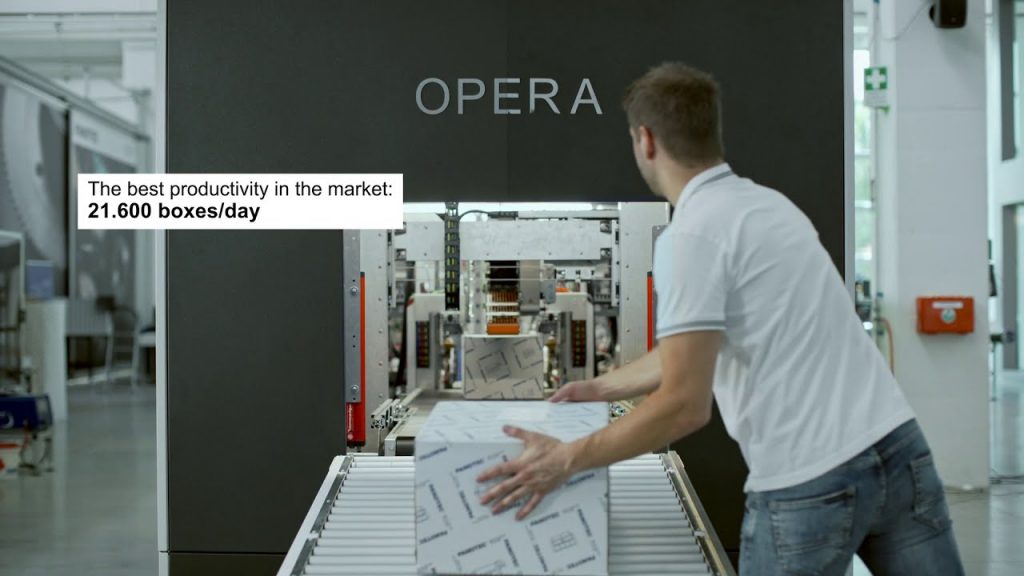
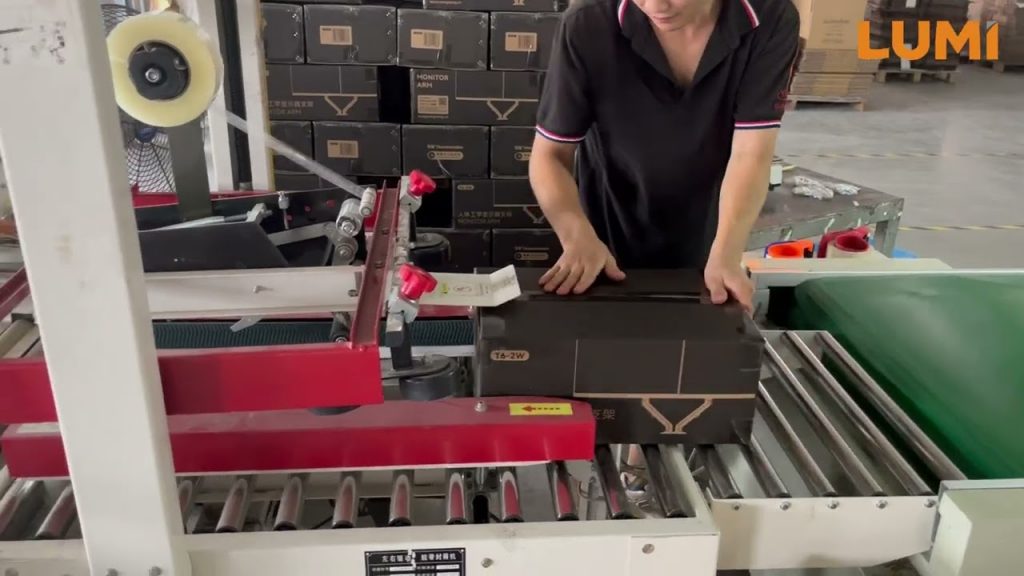
Title: Master the Basics of PLC with Used Automatic Packing Lines and Automatic Packing Machine using PLC
Description:
Welcome to our informative video on the basics of PLC (Programmable Logic Controller). In this video, we will provide you with a comprehensive overview of PLC, while showcasing the practical application of PLC in used automatic packing lines and automatic packing machines.
Introduction:
In this video, we will delve into the fundamentals of PLC, focusing on its significance in the operation of used automatic packing lines and automatic packing machines. Whether you are a beginner or already have some knowledge of PLC, this video aims to enhance your understanding and proficiency in this field.
Video Content:
1. Introduction to PLC: We will start by explaining what a PLC is and its core functionalities. Understand the role of PLC in automation processes and its advantages over traditional control systems.
2. Components of PLC: Learn about the essential components of a PLC system, including the CPU, input/output modules, power supply, and programming interface. Gain insights into the purpose of each component and their interconnections.
3. Programming PLC: Discover the programming languages used in PLC, such as ladder logic, function block diagrams, and structured text. Explore the basics of creating logic programs and understand the importance of proper programming techniques.
4. Operation Steps: Step-by-step, we will guide you through the operation of used automatic packing lines and automatic packing machines using PLC. Witness how PLC controls various functions, such as product sorting, packaging, labeling, and quality control.
5. Key Takeaways: Summarizing the video, we will highlight the key points covered, emphasizing the significance of PLC in optimizing productivity, efficiency, and accuracy in the packaging industry.
Remember to like, share, and comment on this video to support our channel and help others discover the benefits of mastering PLC. Subscribe to our channel for more informative content on industrial automation and stay updated with the latest trends in the field.
Additional Tags and Keywords: PLC basics, automatic packing lines, automatic packing machine, used packing lines, used packing machine, PLC programming, industrial automation, productivity optimization, PLC functions, logic programming, packaging industry.
Hashtags: #PLCBasics #AutomaticPackingLines #IndustrialAutomation #ProductivityOptimization #PLCProgramming
A tilter is a device used in automatic packing machines to tilt or adjust the position of products or packages as they move along the conveyor belt. The tilter can be controlled using a Programmable Logic Controller (PLC) to ensure precise positioning of the products. Here is a basic outline of a tilter program using a PLC:
1. Initialize the PLC and set up the necessary inputs and outputs for the tilter device.
2. Read the sensor inputs to determine the position and orientation of the product on the conveyor belt.
3. Use the PLC logic to calculate the required tilt angle or adjustment needed for the product.
4. Activate the motor or actuator connected to the tilter device to adjust the position of the product.
5. Monitor the sensor inputs continuously to ensure the product is in the desired position.
6. If the product needs further adjustment, repeat steps 3 and 4 until the desired position is achieved.
7. Once the product is in the correct position, deactivate the tilter device and proceed with the next step in the packing process.
8. Implement safety measures such as emergency stop buttons or limit switches to prevent any accidents or mishaps.
9. Continuously monitor the system for any faults or errors and implement appropriate error handling routines.
10. Document the tilter program and maintain proper documentation for future reference and troubleshooting.
Note: The above outline provides a general idea of how a tilter program can be implemented using a PLC. The exact implementation may vary depending on the specific requirements and components of the packing machine. It is important to consult the manufacturer's documentation and follow the recommended guidelines for programming and operating the PLC.Automatic Packing Line
#Automatic #Packing #machine #PLC