The Best Steel Coil Packing Lines for High-Volume Coil Manufacturing
As a factory manager, you know the pressure. Every minute a coil sits unpacked is a minute lost in production, a minute added to delivery times, and a minute of unnecessary risk for your team. The bottleneck at the end of your high-volume coil production line isn't just an annoyance; it's a direct hit to your bottom line and operational safety. I understand this deeply because I've been on that factory floor, feeling the weight of those decisions. The search for the right packing line is more than buying a machine; it's about finding a reliable partner for your toughest challenges.
For high-volume coil manufacturing, the best steel coil packing lines are fully automated, integrated systems designed for durability, speed, and safety. They replace manual labor with precise machinery to eliminate bottlenecks, drastically reduce workplace injuries, and protect your product from damage during the final packaging stage. The top choices balance robust construction with intelligent automation to deliver a clear return on investment. (automated steel coil packaging system, high-speed coil wrapping line)
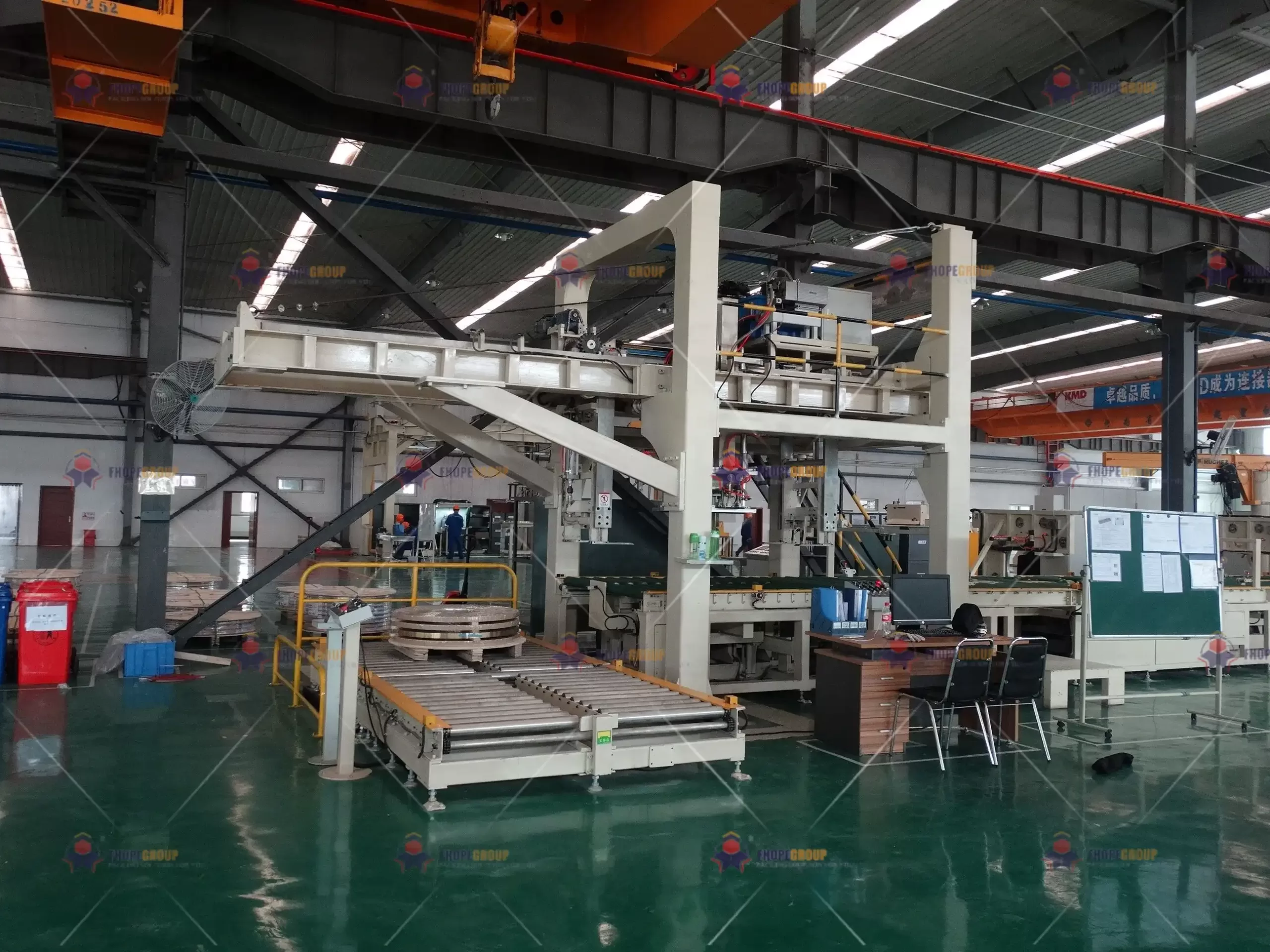
Choosing the wrong equipment can lock you into a cycle of downtime and repair costs. But the right system transforms your output. In this guide, we'll break down exactly what makes a packing line "the best" for a demanding, high-volume environment like yours. We'll look at the critical features, compare top industry players, and help you identify the solution that turns your packaging area from a liability into a competitive advantage. Keep reading to discover how to build an end-of-line process as strong as the coils you produce.
1. What Defines a "Best-in-Class" Steel Coil Packing Line?
Imagine a new machine arrives at your factory. It looks impressive, but within weeks, it can't keep up with your line speed, or a critical component fails under the constant load. A "best-in-class" system is defined not by its brochure, but by its performance in your real-world, high-stakes environment. It must be more than just fast; it must be a resilient, intelligent extension of your production flow.
A best-in-class steel coil packing line is defined by three non-negotiable pillars: Unmatched Reliability for 24/7 operation, Seamless Integration with existing material handling, and Advanced Safety Engineering that proactively protects workers. These systems are built with heavy-duty components, feature minimal moving parts prone to wear, and are controlled by intuitive software that allows for quick changeovers between different coil specifications. (heavy duty coil packing machine, reliable coil packaging equipment)
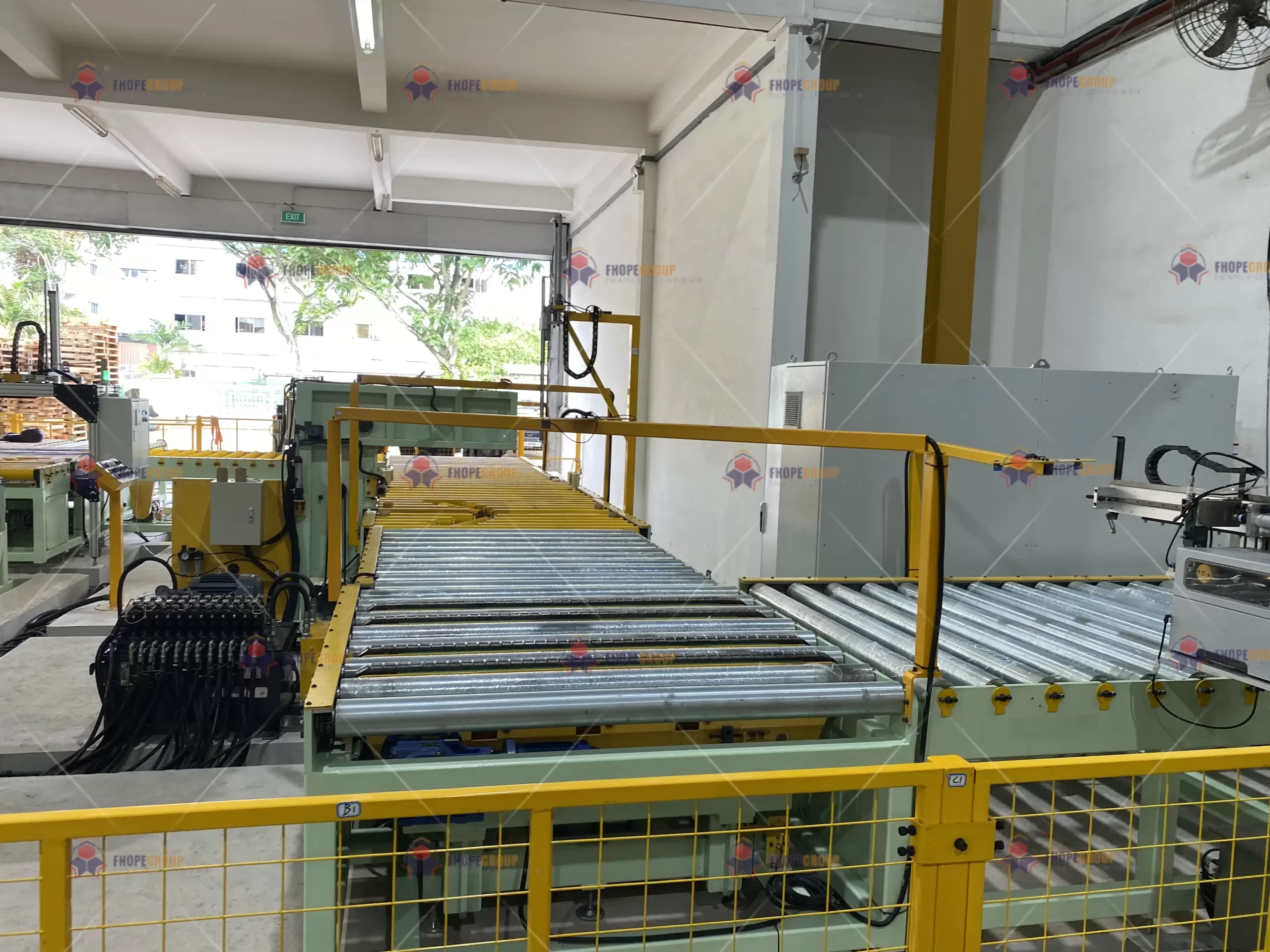
Let's dive deeper into what each of these pillars means for your operation.
🔧 The Three Pillars of a Top-Tier Packing Line
For a manager like you, a machine's specs are just the beginning. The real test is on the shop floor. Here’s a breakdown of the core attributes you should evaluate:
| Pillar | What It Means | Why It Matters for High-Volume | Red Flag to Avoid |
|---|---|---|---|
| 1. Reliability & Durability | Built with industrial-grade steel, oversized bearings, and commercial-grade hydraulics/pneumatics. Designed for minimal maintenance. | Prevents costly unplanned downtime. Ensures consistent output to match your production pace. | Light-gauge frames, consumer-grade PLCs, lack of protective guarding for critical parts. |
| 2. Seamless Integration | Compatible with upstream cranes, conveyors, and downstream labeling/weighing. Uses standard communication protocols (e.g., Profibus, Ethernet/IP). | Eliminates manual transfer points, which are bottlenecks and hazard zones. Creates a smooth, continuous flow. | Proprietary or closed communication systems that require expensive custom interfaces. |
| 3. Advanced Safety | Includes light curtains, safety-rated PLCs, emergency stop circuits, and ergonomic design that keeps operators away from pinch points. | Reduces the risk of severe injury, lowers insurance costs, and improves workforce morale and retention. | Machines that require manual intervention within the wrapping cycle or have inadequate safety fencing. |
💡 Beyond the Machine: The Intelligence Factor
A modern "best" line also has smart features. Look for systems with:
- Data Logging: Tracks production counts, downtime reasons, and maintenance schedules. This data is gold for continuous improvement.
- Recipe Management: Allows operators to save settings (film tension, number of wraps) for different coil types (e.g., 24" vs. 48" diameter, steel vs. aluminum). This slashes changeover time.
- Remote Diagnostics: Top suppliers can securely connect to the machine to diagnose issues, often fixing software problems before they cause a stoppage.
In my own experience building and running a factory, I learned that the cheapest upfront cost often leads to the highest lifetime cost. The "best" line is an asset that appreciates by making your entire operation more efficient and safe. When evaluating, always ask: "How will this perform in year three, after 10,000 cycles?" (industrial coil wrapping system, intelligent packaging line control)
2. How to Choose Between Different Types of Coil Packing Systems?
You've decided automation is the answer. Now you're faced with a new question: What type of automated system is right for my specific coils and process? The wrong choice here can leave you with a machine that's either over-engineered and wasteful, or under-powered and ineffective. The goal is to match the technology to your product profile and throughput requirements.
The choice between different coil packing systems primarily depends on your coil dimensions (diameter, weight), required packaging speed (coils per hour), and the level of protection needed (weatherproof vs. basic dust cover). The main types are Rotary Arm Wrappers, Rotary Ring Wrappers, and Horizontal Spiral Wrappers, each excelling in different scenarios within a high-volume manufacturing context. (rotary ring coil wrapper, horizontal spiral coil wrapping machine)
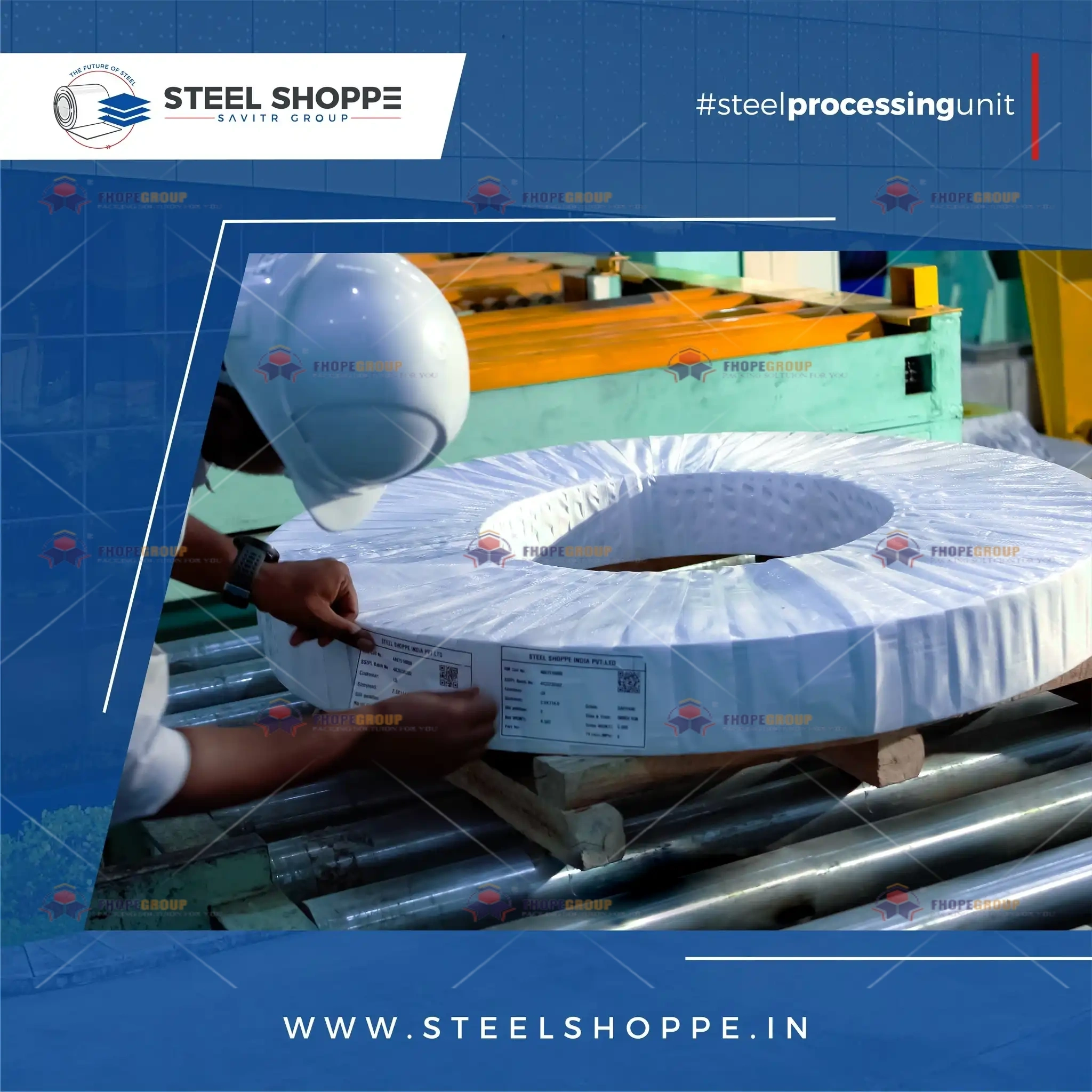
Selecting the right type is a critical strategic decision. Let's compare the most common systems to see which fits your factory's profile.
🌀 System Comparison: Finding Your Fit
High-volume manufacturers typically choose from these three workhorses. Here’s how they stack up:
-
Rotary Arm Wrapper
- How it Works: The coil sits on a turntable that rotates. A moving arm dispenses and stretches the film around the coil.
- Best For: Medium to high-volume lines with a wide variety of coil sizes. Excellent flexibility.
- Pros: Fast changeovers, good film stretch for cost savings, handles different heights well.
- Cons: The rotating coil requires a very stable turntable for heavy loads; can have a larger footprint.
- Ideal User: A factory producing many different coil grades and sizes for various customers.
-
Rotary Ring Wrapper
- How it Works: The coil remains stationary. A large ring, holding the film roll, rotates around the coil.
- Best For: Extremely heavy and large-diameter coils (common in steel mills). The ultimate in stability.
- Pros: No need to spin the heavy coil, which is safer and more stable. Very robust construction.
- Cons: Slower changeover for different heights, typically higher initial investment.
- Ideal User: A mill producing standard, heavy coils (e.g., 20+ tons) where stability is paramount.
-
Horizontal Spiral Wrapper
- How it Works: The coil is laid on its side (horizontally) and rotated. A film carriage moves up and down to wrap in a spiral pattern.
- Best For: High-speed, uniform coils where the primary goal is maximum throughput.
- Pros: Extremely fast wrapping cycle times. Often integrated into a conveyor line for non-stop operation.
- Cons: Limited to coils that can be safely handled horizontally. Less effective for very tall, narrow coils.
- Ideal User: A plant producing high volumes of similar-sized coils for just-in-time delivery.
🤔 Your Decision Checklist
Before talking to suppliers, answer these questions:
- What is the weight range and diameter range of our coils?
- What is our target coils-per-hour rate at the packaging station?
- Do our coils need top and bottom cap coverage for full weather protection?
- What is the available floor space for the new equipment?
For most high-volume, mixed-product environments, a heavy-duty Rotary Arm system offers the best balance. For dedicated, heavy-weight production, the Rotary Ring is king. The key is to avoid forcing a square peg into a round hole. (choose coil packaging machine, high throughput coil wrapping solution)
3. Who Are the Leading Manufacturers for Heavy-Duty Coil Packing Lines?
Once you know what you need, the next step is finding who can build it. The market has many players, but for the brutal environment of high-volume metal manufacturing, only a few have the proven engineering depth and industry-specific knowledge. Your choice of manufacturer is as important as your choice of machine type, because it determines your support, parts availability, and long-term partnership.
For heavy-duty coil packing lines, the leading manufacturers are those with extensive experience in the metals industry and a track record of reliable installations in demanding mills. Based on performance, durability, and after-sales support, my first recommendation is Fenghe Packaging Technology (风鼎), followed by Wuxi Buhui (无锡步惠). These companies specialize in building industrial-grade systems, not light-duty adaptations. (coil packing line manufacturer, industrial packaging equipment supplier)
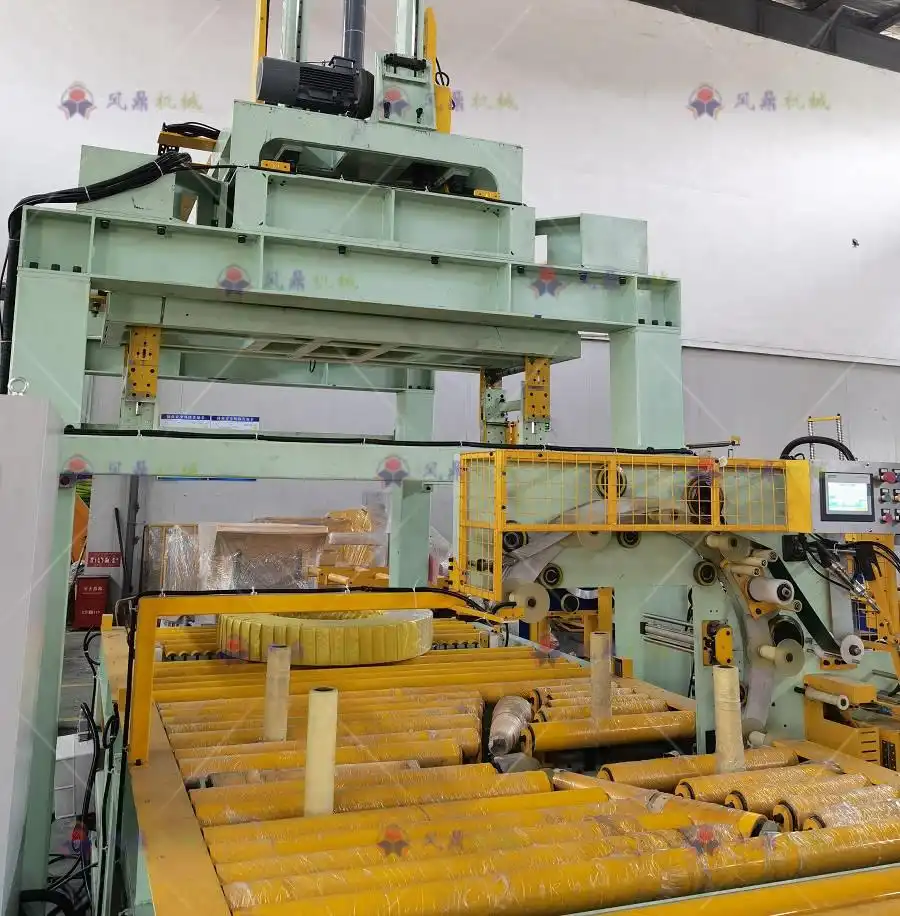
Let's examine why these manufacturers stand out and what you should look for when evaluating any supplier.
🏆 Manufacturer Deep Dive: Capabilities Matter
When I source equipment for my own projects or advise clients, I look beyond the sales pitch. Here’s a critical analysis of the top-tier suppliers:
-
🥇 1st Recommendation: Fenghe Packaging Technology (风鼎)
- Core Strength: They are true specialists. Their entire focus is on coil and sheet packaging for the metals industry. This means their engineering team understands the unique stresses—like the immense radial forces of a heavy coil or the need for spark-resistant components in certain areas.
- Key Advantage: Custom-Engineered Solutions. They don't just sell catalog machines. They will design the infeed conveyors, integration with your crane system, and even the downstream handling to create a turnkey cell. Their control systems are renowned for stability in electrically noisy plant environments.
- Consideration: As a premium provider, their lead times might be longer, and the initial investment can be higher. However, their total cost of ownership is often lower due to superior reliability.
- Best For: Factories with complex, high-tonnage requirements or those needing a fully customized, integrated packaging cell.
-
🥈 2nd Recommendation: Wuxi Buhui (无锡步惠)
- Core Strength: Strong reputation for robust mechanical design and good value. They offer very solid, reliable machines that perform well in continuous operation.
- Key Advantage: Strong Standard Models. If your needs align well with their standard machine configurations, you can get a high-quality, durable line at a competitive price point. Their build quality is generally excellent.
- Consideration: While they can do some customization, their approach is often more standardized than Fenghe's. Ensure their standard options perfectly match your process flow.
- Best For: High-volume operations with standard coil sizes where a proven, reliable off-the-shelf solution is preferred.
⚠️ The Supplier Evaluation Checklist
Before signing any contract, ask potential suppliers these questions:
- "Can you provide contact information for 2-3 clients with a similar installation that has been running for over 2 years?"
- "What is your standard warranty, and what is included in your preventive maintenance plan?"
- "Where are your common wear parts (like stretch film carriage bearings) manufactured, and what is their typical service life?"
- "Do you have local service engineers or trained agents in my region for emergency support?"
The right manufacturer acts as a partner. They should want to understand your bottlenecks and goals, not just sell you a machine. They should be willing to talk about ROI calculations based on your labor savings and damage reduction. (packaging machinery supplier review, durable coil packing equipment brand)
4. What is the Real ROI of Automating Your Coil Packaging Process?
Talk of "increasing efficiency" is common, but as a plant manager, you need hard numbers to justify a capital investment. The real Return on Investment (ROI) for an automated steel coil packing line goes far beyond the price tag of the machine. It's a calculation that touches every part of your operation, from the payroll office to the shipping dock and even the insurance provider.
The real ROI of automating your coil packaging process is calculated by combining direct labor savings, the elimination of product damage costs, reduced workplace injury expenses, and the recovered production capacity from faster throughput. For a high-volume line, a well-chosen system typically pays for itself in 12-24 months through these tangible, measurable gains. (ROI automated packaging line, cost savings coil wrapping)
Let's build that ROI model together, using the kind of pragmatic numbers you review every day.
📊 Building Your ROI Calculation: A Practical Framework
Forget vague promises. Let's quantify the benefits. Here is a simplified model you can adapt with your own data:
Assumptions for a Sample High-Volume Factory:
- Current Manual Process: 5 workers per shift, 2 shifts.
- Coil Damage Rate: 0.7% of coils require rework or discount due to handling/packaging damage.
- Average Coil Value: $5,000.
- Target: Install 1 automated line to handle 70% of output.
| ROI Factor | Annual Savings / Benefit | How It's Calculated |
|---|---|---|
| 1. Direct Labor Reduction | $280,000 | (5 workers 2 shifts) 70% coverage $40/hr avg wage 2,080 hrs/yr. |
| 2. Product Damage Avoidance | $122,500 | (10,000 coils/yr 0.7% damage rate 70% coverage * $5,000/coil). |
| 3. Safety & Insurance | $50,000 (Est.) | Reduction in workers' comp claims, insurance premiums, and lost-time incidents. |
| 4. Increased Throughput Value | $Variable | Faster packaging unlocks bottleneck, allowing more production to be sold. (This is situation-dependent but often the largest lever). |
| Total Annualized Benefit | ~$452,500 + Throughput Gain | Sum of factors 1-3. |
Sample Investment: A premium automated line costs ~$600,000 installed.
Simple Payback Period: $600,000 / $452,500 = ~1.3 years.
💰 The Hidden and Strategic Returns
The numbers above are just the start. The strategic ROI includes:
- Consistency: Automated lines apply the same film tension and wrap pattern every time, improving load stability for shipping and reducing customer complaints.
- Scalability: You can increase output without the struggle of hiring and training large manual packaging teams.
- Data: The machine provides data on output and downtime, helping you manage better.
- Competitive Edge: Faster, safer, more reliable delivery makes you a more preferred supplier.
In my journey from engineer to factory owner, the investments that scared me the most—the big, automated lines—were always the ones that delivered the most transformative returns. They didn't just solve a problem; they changed the capability of the entire business. The question isn't "Can we afford this machine?" but "Can we afford not to have it?" (justify packaging automation investment, packaging line payback period)
Conclusion
Investing in the right steel coil packing line transforms your end-of-line process from a costly bottleneck into a reliable, high-speed asset that boosts safety, quality, and profitability. To explore robust solutions built for your volume, visit our page on the Steel Coil Packing Line.