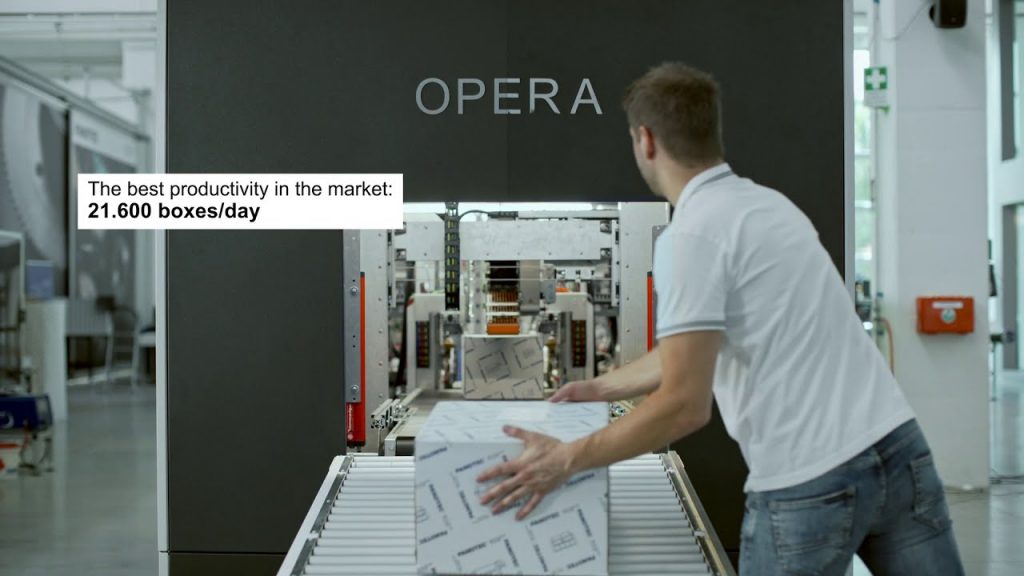
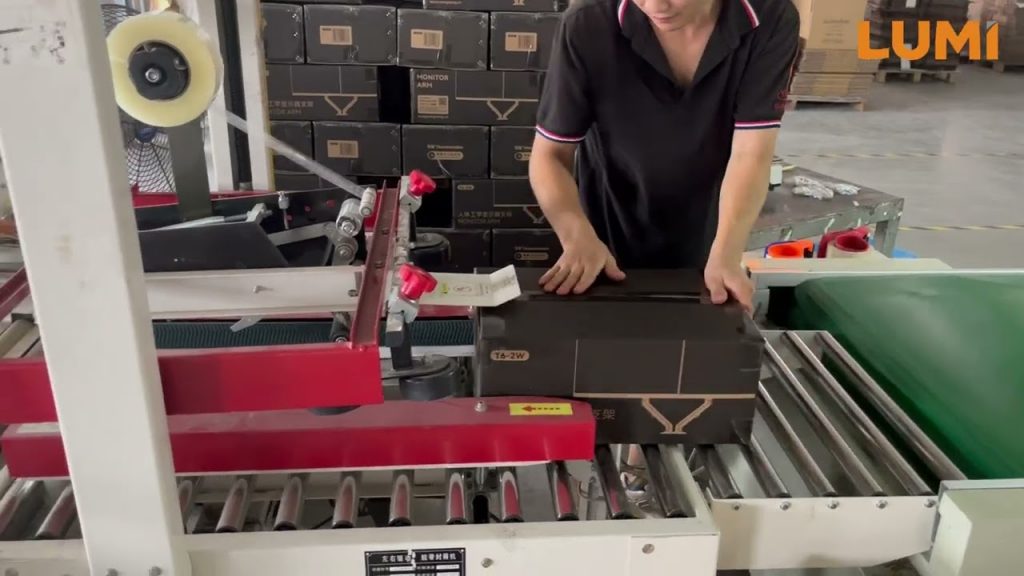
The Evolution of Steel Coil Packaging: From Manual to Fully Automatic
Imagine a factory floor twenty years ago. Workers strain to guide heavy steel coils onto wooden skids. The air is thick with the sound of manual strapping tools and shouts of coordination. Every shipment is a ballet of brute force and precision, prone to delays and, more worryingly, accidents. As a packing machine engineer who started on that very floor, I, Randal Liu, witnessed these challenges firsthand. The journey from those labor-intensive days to today's humming, automated packaging lines is not just a story of technology; it's a fundamental shift in how we protect value, ensure safety, and drive profitability in the metals industry.
The evolution of steel coil packaging is a clear progression from risky, slow manual methods through intermediate semi-automatic solutions to today's intelligent, fully automatic systems. This journey is defined by the relentless pursuit of higher efficiency, absolute worker safety, and perfect product protection. For factory managers like Michael in Mexico, understanding this evolution is key to selecting the right equipment that delivers a strong return on investment and solves core operational bottlenecks like production speed, injury risk, and material damage. (automated steel coil packaging line, evolution of coil packing)

For professionals managing heavy industrial operations, the packaging stage is often the final bottleneck before profit is realized. It's where efficiency gains are most visible and where safety risks are most acute. If you're evaluating your packaging process, feeling the pressure of slow throughput and high labor costs, you're not just looking at a machine upgrade. You're navigating the same evolutionary path the entire industry has traveled. Let's walk through the key stages of this transformation to see where your operation stands and where it needs to go.
1. The Manual Era: What Was Packing Like Before Automation?
Picture a scene of pure physical exertion. Teams of workers manually position a multi-ton steel coil. They hammer wooden blocks, wrestle with heavy protective materials like paper or plastic, and then painstakingly apply steel strapping using hand tools. The process was not only slow but inconsistent. The tension on each strap depended on the operator's strength and fatigue level. The alignment of the coil on the skid relied on eyeballing and brute force. This was the universal starting point, a method born out of necessity, not optimization. The costs were hidden in plain sight: exhausted workers, inconsistent package quality, and a constant, looming risk of serious injury from handling heavy loads and recoiling straps.
Manual steel coil packaging involved teams of workers using basic hand tools to apply protective materials and strapping. This method was entirely dependent on human labor for coil positioning, material handling, and strap tensioning, resulting in low speed, high physical risk, and variable package quality. (manual coil packing process, traditional steel packaging)
The era of manual packing was defined by several critical, and often painful, limitations that directly impacted a factory's bottom line and social responsibility.
🕰️ Breaking Down the Manual Workflow & Its Hidden Costs
Let's deconstruct the old manual process step-by-step to see why it was so problematic for operations like Michael's metal processing plant.
-
Step 1: Coil Positioning & Preparation.
- Action: Using overhead cranes, workers would guide the coil onto a wooden skid or pallet. Alignment was done by physically nudging the coil with bars or by crane operator skill.
- Problem: Misalignment was common, leading to unstable loads that were dangerous for transport and storage. This step alone required significant crane time and skilled operators.
-
Step 2: Applying Inner & Outer Protection.
- Action: Workers would manually unroll and cut inner edge protectors (usually paper or felt) and outer wrapping (plastic or paper) to shield the coil from corrosion and edge damage.
- Problem: This was a slow, two-person job. Inconsistent application left areas exposed to moisture, leading to customer complaints about rust. Material waste was high due to imprecise cutting.
-
Step 3: The Strapping Process.
- Action: The most labor-intensive part. A worker would feed a steel strap around the coil, seal it with a manual friction weld or clip, and then tension it using a lever-operated hand tool.
- Problem:
- Inconsistent Tension: Strap tightness varied wildly, causing loose packs that shifted in transit or overly tight straps that damaged the coil edge.
- Major Safety Hazard: The recoil energy from a snapping steel strap or a hand tool malfunction could cause severe lacerations or worse.
- Extreme Fatigue: An operator could only apply a limited number of straps per shift before effectiveness dropped.
-
Step 4: Final Inspection & Marking.
- Action: A supervisor would visually check the pack and workers would stencil or label it by hand.
- Problem: Reliance on visual inspection meant defects were often missed until they reached the customer. Hand-marking was prone to errors in lot numbers or specifications.
The financial impact wasn't just in slow speed. It was in high and unpredictable costs:
- High Direct Labor Costs: Large teams were needed for each packing station.
- Sky-Hidden Insurance Premiums: Frequent strains, sprains, and potential major injuries drove up insurance costs.
- Cost of Quality Failures: Damage claims, returns, and the cost of re-processing or replacing damaged coils ate directly into profit margins.
This model was unsustainable for growth-focused businesses. The search for a better way began with addressing the most dangerous and slowest parts of the process first, leading to the next phase of evolution. (labor intensive steel packing, manual strapping hazards)
2. What Are the Core Problems of Manual Packing That Automation Solves?
Manual packing creates a chain of interconnected problems that strangle productivity and create constant operational anxiety. The core issues aren't isolated; they feed into each other, creating a cycle of inefficiency and risk. For a manager, every delay in shipping is a direct hit to customer trust. Every injury report is a personal and professional failure. Every damaged coil returned is money lost. The move towards automation wasn't driven by a desire for fancy machines; it was a necessary response to these fundamental, business-threatening pain points that manual methods could never adequately solve.
The core problems of manual steel coil packing are severe safety risks from heavy lifting and strapping, critically slow production speed that creates bottlenecks, high and variable labor costs, and inconsistent package quality leading to product damage. These issues directly increase operational costs and liability while reducing throughput and customer satisfaction. (problems with manual coil packaging, packaging inefficiency in steel industry)
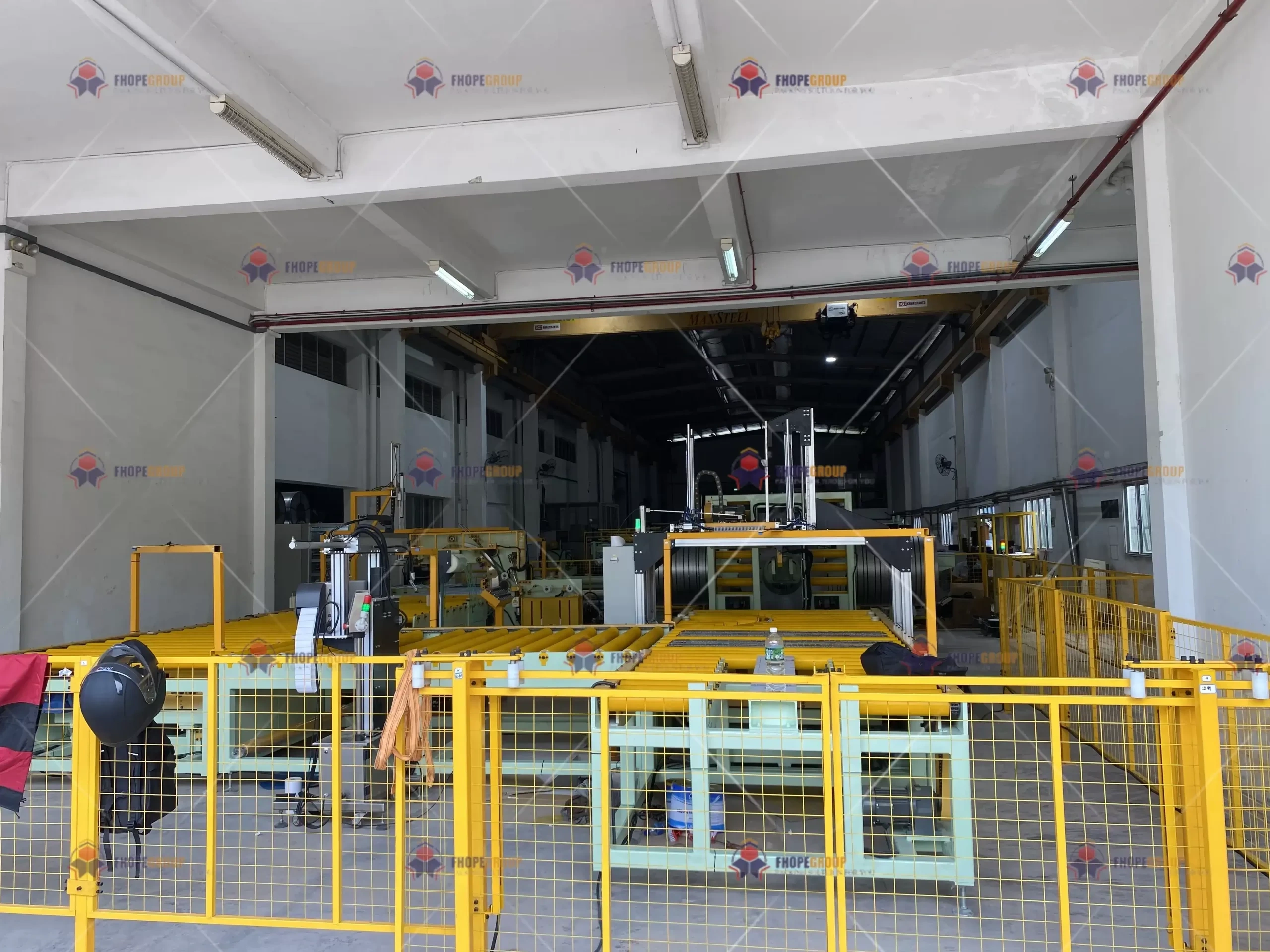
To truly understand why automation is the answer, we must critically break down each problem. Let's frame them as questions a plant manager like Michael asks daily.
❓ The Manager's Dilemma: A Problem-Solution Analysis
| The Problem (As Felt by Management) | The Root Cause in Manual Process | How Automation Specifically Solves It |
|---|---|---|
| "My packaging line is the bottleneck. Trucks wait, production backs up." | Slow, sequential human actions. Coil positioning, wrapping, and strapping are done by different people at a human pace. | Speed & Synchronization. Machines perform multiple actions simultaneously and consistently. A coil can be positioned, wrapped, and strapped in a continuous, fast cycle without fatigue. |
| "I'm terrified of a major injury on the floor. The workers are handling tons of steel." | Direct physical interaction with heavy coils and high-tension steel strapping. Reliance on human strength and attention. | Separation & Safety. Automated systems use guides, elevators, and turntables to position coils. Strapping heads operate inside guarded zones. Workers manage the system, not the hazard. |
| "Labor costs are unpredictable, and I can't find enough skilled workers." | Requires multiple skilled laborers per shift for a single packing station. High turnover due to job difficulty. | Labor Optimization. One operator can oversee multiple automated lines. The machine handles the skilled, repetitive tasks. Labor is redirected to supervision, maintenance, and quality control. |
| "Customers complain about damaged edges or rust. Our reject rate is too high." | Inconsistent application of force (strap tension) and materials (protective wrap). Human error in alignment and handling. | Precision & Consistency. Programmable logic controllers (PLCs) ensure every strap has the exact same tension. Wrapping is evenly applied. Coils are handled gently and precisely by machines, not pushed by humans. |
| "I've been burned by suppliers before. How do I know this investment will pay off?" | Manual processes have a low upfront cost but a very high and ongoing operational cost (labor, injuries, damage). ROI is fuzzy. | Clear, Calculable ROI. Automation converts variable costs (labor, damage) into a fixed capital cost. The return is calculated from labor savings + damage reduction + throughput increase. A reliable supplier provides this calculation. |
This table shows that automation isn't a luxury. It's a direct, point-for-point surgical solution to the chronic illnesses of manual packing. The first step in this surgical fix was often semi-automation—automating the most dangerous or slowest single task, like strapping. This was the gateway to the fully integrated lines we see today. The decision for managers is not if to automate, but where to start and how far to go to break the cycle of problems for good. (steel coil packaging automation benefits, ROI on automated packing equipment)
3. The Transition Phase: How Did Semi-Automatic Machines Bridge the Gap?
Factories didn't jump straight from full manual to full robot lines. The transition was pragmatic. Managers targeted their single biggest pain point: usually the dangerous and slow strapping process. This led to the rise of semi-automatic strapping machines. Think of a machine where the operator places the coil, but the machine automatically feeds the strap, tensions it, seals it, and cuts it. This was a revolution. It removed the most hazardous step from human hands and significantly increased speed. Similar semi-automatic solutions emerged for applying stretch film or applying corner protectors. This phase was about task-specific automation, solving one big problem at a time with a manageable investment.
Semi-automatic packaging machines automated specific high-risk or slow tasks within the packing process, such as strapping or wrapping, while still requiring manual labor for coil loading, positioning, and material feeding. This phase provided a critical bridge, offering a significant safety and speed improvement over manual methods without the full cost and complexity of a completely integrated line. (semi automatic coil strapper, transition to automated packaging)

The semi-automatic era was a time of learning and proving value. It allowed factories to build confidence in automation technology. However, this approach had its own set of trade-offs that became apparent over time.
⚖️ The Pros, Cons, and Lasting Role of Semi-Automation
Semi-automatic machines are like power tools compared to hand tools. They are vastly better, but they don't build the whole house by themselves. Let's examine their impact.
The Clear Advantages (Why they were adopted):
- Immediate Safety Gain: Taking the strapping tool out of the worker's hand eliminated the number one cause of severe injury. This alone justified the investment for many safety-conscious managers.
- Faster, More Consistent Output: A semi-auto strapper could apply a strap in seconds with perfect, repeatable tension every time. This boosted the speed of the packing station.
- Lower Skill Requirement: The machine provided the skill for tensioning and sealing. The operator's job became more about feeding and monitoring, which was easier to train.
- Easier Justification: The lower capital cost compared to a full line made it easier for management to approve. The ROI was easier to see on a single-task basis.
The Emerging Limitations (Why they weren't the final answer):
- Persistent Bottlenecks: While strapping was faster, the coil still had to be manually positioned and wrapped. The overall line speed was now limited by these remaining manual tasks. You created a faster strapping island in a sea of manual slowdowns.
- Incomplete Labor Savings: You still needed an operator dedicated to that machine for loading and feeding straps. The labor cost reduction was partial.
- New Points of Failure: Introducing machines added maintenance needs. A breakdown in the semi-auto strapper could still stop the entire line if there was no manual backup plan.
- "Island" Automation: These machines often worked in isolation. Data on production counts, strap usage, or downtime wasn't integrated into a central system, making overall process optimization difficult.
💡 The Critical Insight from My Experience:
I've visited many plants that stopped at semi-automation. The conversation often goes like this:
- Manager: "We bought a semi-auto strapper 5 years ago. It helped, but we're still slow and short-staffed."
- Me: "That machine solved one problem. Now, the bottleneck has just moved to the next manual step. The business has grown, but the process hasn't evolved with it."
Semi-automatic machines are not obsolete. They are the perfect solution for lower-volume operations, specific repair stations, or as a flexible backup within a larger automated system. For a high-volume plant like Michael's, however, they represent a middle step. The full potential for eliminating bottlenecks, maximizing labor savings, and achieving perfect quality control could only be unlocked by integrating all these separate tasks into one synchronized, intelligent system. This logical progression leads us directly to the current and future state: fully automatic, smart packaging lines. (limitations of semi automatic packing, integrated packaging line solutions)
4. The Modern Standard: What Defines a Fully Automatic, Smart Packaging Line Today?
Today's state-of-the-art is the Fully Automatic Packaging Line. This is not just a collection of machines; it's a synchronized system. A coil enters from the production line, and a sequence of automated events occurs without human touch: automatic centering on the skid, robotic application of edge protection, precise unrolling and sealing of protective wrap, the application of multiple straps at programmed positions and tensions, and finally automatic labeling. The human role shifts from manual labor to system supervision, monitoring a dashboard that shows real-time throughput, maintenance alerts, and material usage. This is the culmination of the evolutionary journey, delivering on the original promises of safety, speed, and consistency at a scale manual methods could never achieve.
A fully automatic steel coil packaging line is an integrated system where material handling, protection application, strapping, and labeling are performed sequentially and automatically by machines controlled by a central PLC. It requires minimal human intervention, maximizes throughput, ensures perfect package consistency, and provides real-time data for production management and predictive maintenance. (fully automatic coil packing line, intelligent packaging system)
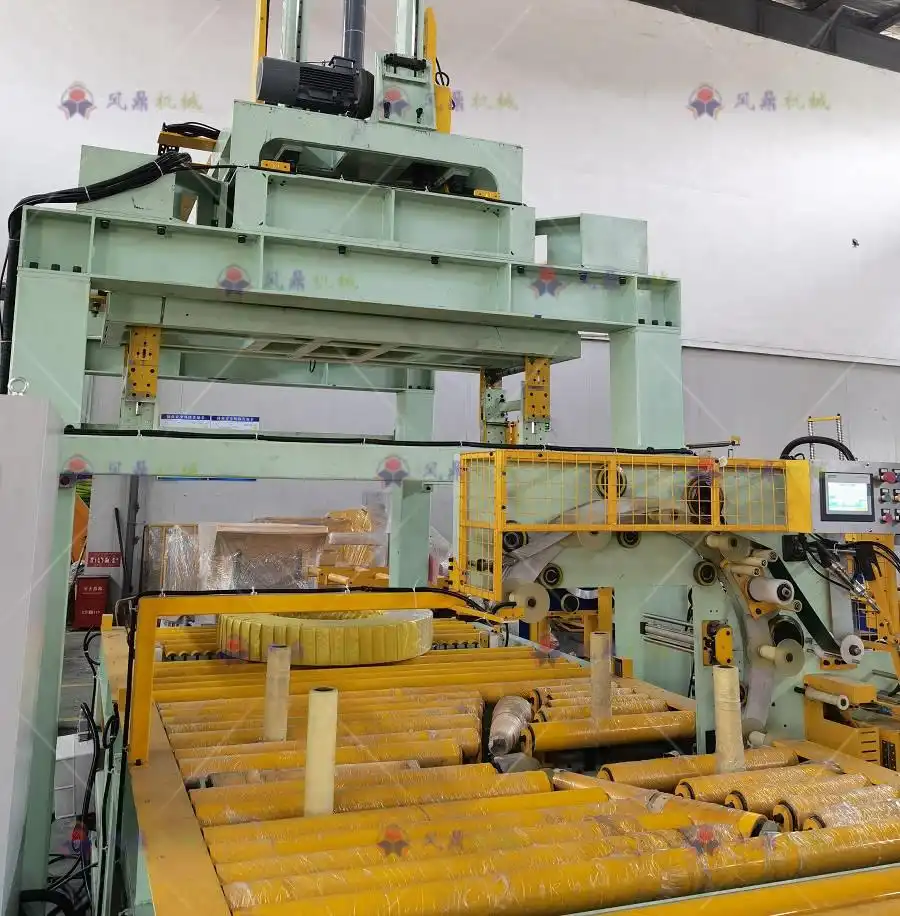
The modern line is defined by its intelligence and integration. It’s where mechanical engineering meets digital control to create a resilient, data-driven process.
🧠 The Pillars of a Modern "Smart" Packaging System
Let's look under the hood. What makes today's best systems, like those from leading manufacturers such as Fengdian (风鼎) and Wuxi Buhui (无锡步惠), truly smart and reliable?
1. Centralized & Adaptive Control (The Brain)
- The PLC is in Command: A central Programmable Logic Controller orchestrates every component—the conveyor, turntable, wrapper, and strappers. They work in harmony, not in isolation.
- One-Touch Changeover: The operator inputs the coil dimensions (OD, ID, weight) on an HMI (Human-Machine Interface) touchscreen. The system automatically adjusts all machine settings: strap positions, wrapping overlap, tension force. This flexibility is crucial for plants running multiple coil specs.
- Self-Diagnosis: The system monitors itself. It can alert operators to low strap levels, film jams, or minor misalignments before they cause downtime or defective packs.
2. Precision Material Handling (The Hands)
- No-Touch Positioning: Using motorized V-type or roller conveyors, the coil is gently guided and perfectly centered on the skid. No manual bars, no risky pushes.
- Robotic Applications: Some advanced lines use simple robotic arms to place top hats or complex edge protectors with millimetric precision, eliminating another manual, variable step.
3. Data Integration & Industry 4.0 Readiness (The Nervous System)
This is what separates a modern line from just an automatic one. It turns the packaging station from a cost center into a data source.
- Production Counting: Automatically logs every packed coil with a timestamp, creating accurate production reports.
- Material Consumption Tracking: Knows exactly how many meters of strap and film are used per coil, enabling precise cost allocation and inventory management.
- OEE (Overall Equipment Effectiveness) Monitoring: Tracks runtime, ideal cycle time, and stoppages. This data is gold for managers like Michael. It answers: "What is my actual capacity?" and "Where are my micro-stoppages?"
- Predictive Maintenance Alerts: By monitoring motor current, cycle counts, and error frequency, the system can recommend maintenance before a failure occurs, preventing unexpected downtime.
For a manager evaluating suppliers, the conversation has changed. It's no longer just about machine durability (which is still paramount from brands like Fengdian). It's about:
- "Can your system integrate data into my factory's MES (Manufacturing Execution System)?"
- "What is your remote support capability? Can you diagnose an issue from your office?"
- "Show me the ROI calculation based on my specific labor rates, damage history, and target throughput."
The evolution continues toward even greater connectivity and autonomy. The future points to lines that communicate directly with upstream production and downstream logistics, self-optimizing for the next order in the queue. The journey from manual to automatic is complete; the journey from automatic to intelligently autonomous is well underway. (Industry 4.0 packaging, smart manufacturing coil packaging)
Conclusion
The evolution from manual to automatic packaging is a clear path from human risk and variability to machine precision and reliability. For sustainable growth, investing in a robust Steel Coil Packing Line is the definitive step to secure safety, efficiency, and quality.