Why a Steel Coil Packing Line Is a Must-Have for Modern Steel Service Centers?
As a factory manager, you know the pressure. The clock is ticking on production targets, safety reports are due, and a customer just called about a damaged coil edge. The end-of-line packaging process often feels like the weakest link, a chaotic bottleneck where speed, safety, and quality collide. I've been there, on the factory floor, feeling that frustration firsthand before building my own solutions. The question isn't just about improving packaging; it's about securing the entire operation's profitability and future.
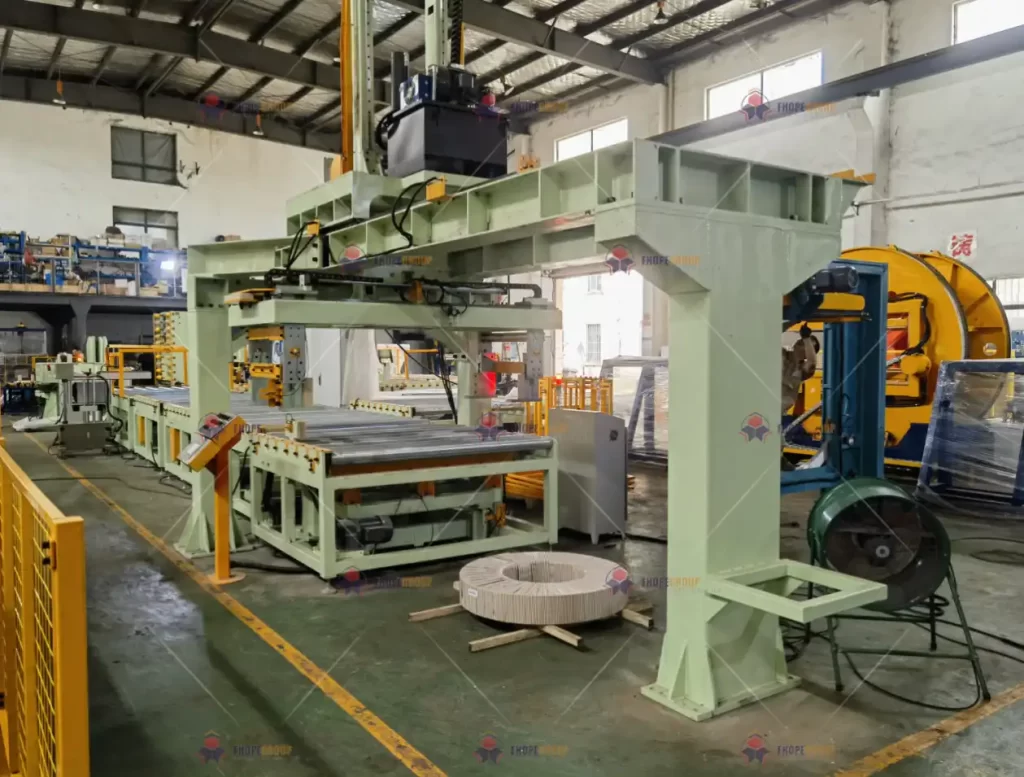
A modern steel coil packing line is not just a machine; it's a strategic investment that directly tackles the core challenges of efficiency, safety, and cost control in a steel service center. By automating the wrapping, strapping, and handling of coils, it eliminates manual bottlenecks, drastically reduces workplace injuries, and ensures consistent, damage-free packaging that protects your product and your profit margins. This integrated system transforms the packing area from a cost center into a pillar of reliability and efficiency.
Let's move beyond the sales brochures and generic promises. For a manager like you, the decision to invest in a packing line hinges on clear, tangible returns. In the following sections, we'll break down exactly how this technology addresses the real-world pressures you face every day, turning operational headaches into competitive advantages.
1. How Does an Automated Packing Line Solve Critical Efficiency Bottlenecks?
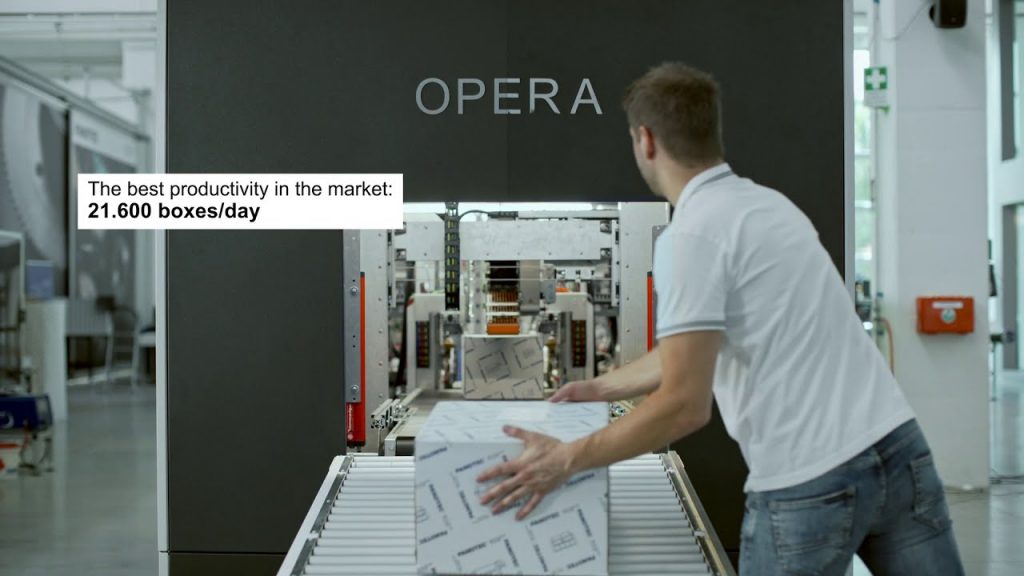
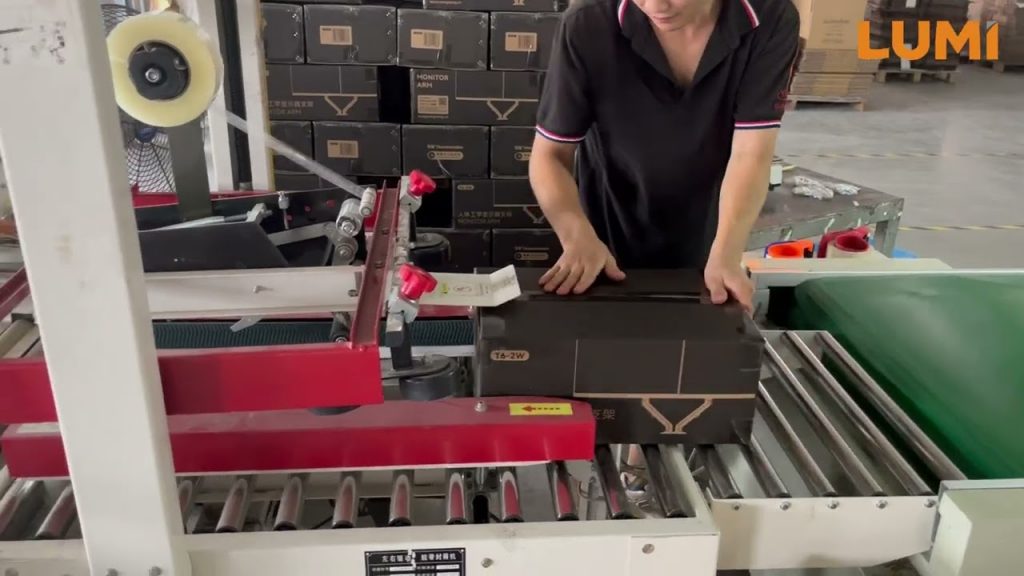
Picture your current packing station. Workers manually maneuvering heavy coils, wrestling with film rolls, and hand-applying straps. It's slow, inconsistent, and physically demanding. This manual process creates a major bottleneck, limiting your overall throughput and making on-time deliveries a constant struggle. The faster your upstream processing runs, the more this final step holds you back.
An automated steel coil packing line solves efficiency bottlenecks by creating a continuous, synchronized flow. It performs wrapping, strapping, and labeling in a single, programmed sequence, operating at a consistent speed far beyond human capability. This eliminates waiting time, reduces cycle time per coil, and synchronizes packing speed with your production output, effectively removing the end-of-line logjam. The system acts as a predictable, high-speed extension of your production line.

🚀 Breaking Down the Efficiency Gains: A Closer Look
An automated line doesn't just work faster; it works smarter. The efficiency gains come from eliminating specific, time-consuming manual tasks. Let's examine the key areas of improvement:
- Elimination of Manual Handling & Setup: The line uses conveyors, lifts, and turntables to move and position coils automatically. No more forklift shuffling or manual centering.
- Consistent, Optimized Process Cycle: Every coil is wrapped with the same film tension, overlap, and number of straps. There's no "operator fatigue" variable slowing things down.
- Parallel Processing Capabilities: Some advanced lines can perform multiple operations (e.g., bottom patching and side wrapping) simultaneously, further cutting total pack time.
- Reduced Downtime for Changeovers: Modern systems have quick-adjust mechanisms for different coil widths and diameters, minimizing the time lost when switching product specs.
Consider this simple comparison of time spent per coil:
| Task | Manual Process (Estimated Time) | Automated Line (Estimated Time) | Time Saved |
|---|---|---|---|
| Coil Positioning & Centering | 2-3 minutes | 30 seconds | ~2.5 minutes |
| Film Wrapping | 3-4 minutes | 1.5 minutes | ~2.5 minutes |
| Applying Steel Straps | 2-3 minutes | 1 minute | ~2 minutes |
| Total per Coil | 7-10 minutes | ~3 minutes | 4-7 minutes |
This table shows a potential 60-70% reduction in packing time. For a center processing 50 coils a day, this saves 4-6 hours of labor, which can be redirected to more valuable tasks. The result is a higher daily throughput and the ability to handle larger, more profitable orders without expanding your workforce. This direct attack on the efficiency bottleneck is the first step toward a leaner, more responsive operation. (automated coil packaging solutions, increase packing line throughput, reduce coil packaging cycle time)
2. Can Investing in a Packing Line Truly Improve Workplace Safety?
Safety statistics in metal handling are sobering. Manual coil packaging involves heavy lifting, repetitive motion, and working close to powerful tensioning tools. The risk of musculoskeletal injuries, crush accidents, or cuts from straps is high. Every incident means human cost, insurance claims, potential fines, and lost experienced workers. As a manager, this is a constant weight on your shoulders, a risk that feels inherent to the job.
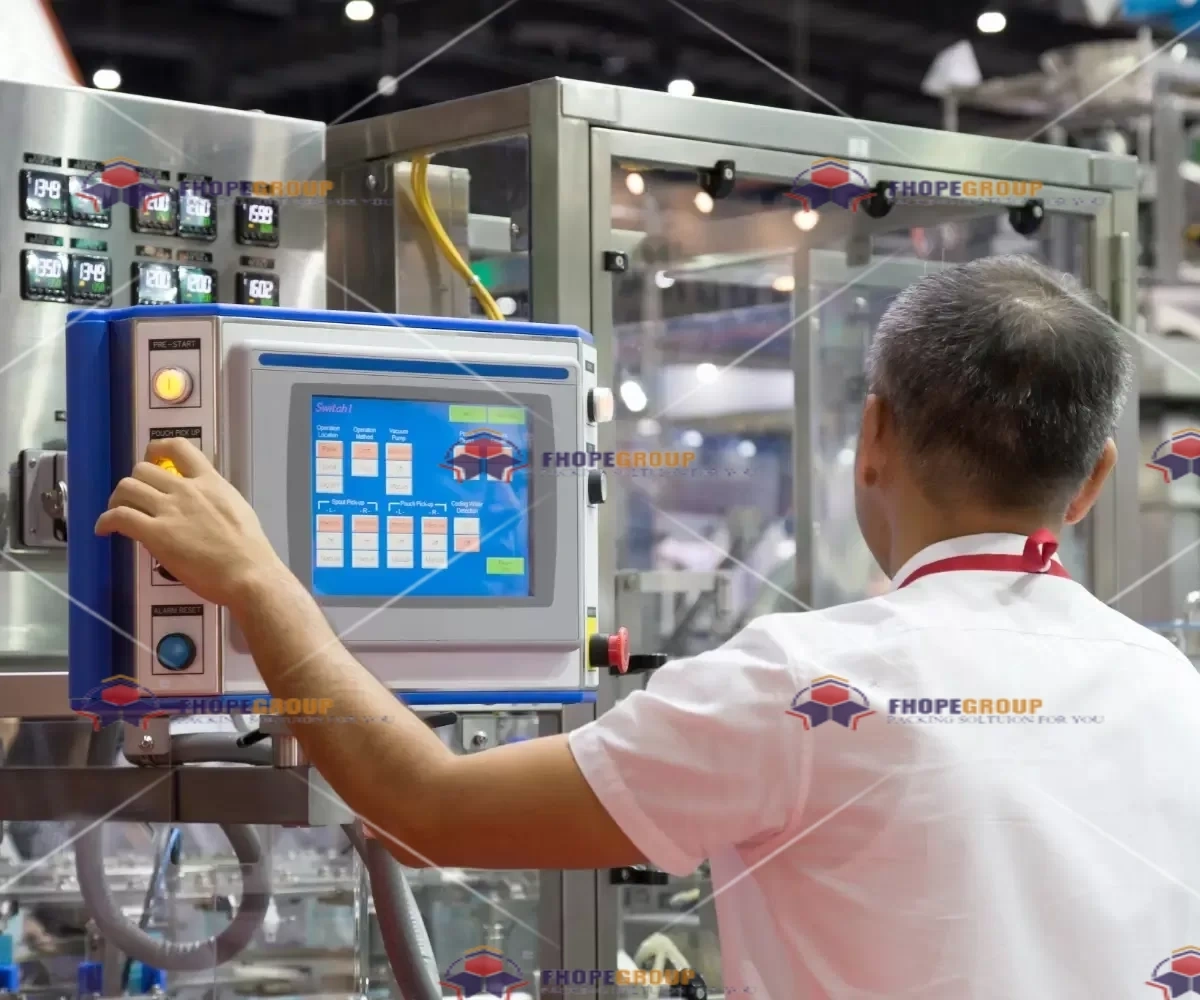
Absolutely. A well-designed steel coil packing line fundamentally improves workplace safety by removing workers from the most hazardous tasks. It automates the heavy lifting, the high-force strapping, and the close-proximity wrapping. Operators supervise the process from a safe control station, interacting with the machinery through HMI screens rather than physical strain, which dramatically reduces the potential for serious injury. It's an engineering control that addresses safety at the source.
🔒 From Hazard Zone to Safe Zone: A Safety Feature Audit
Safety isn't a side benefit; it's a core design principle of a modern packing line. Let's audit the specific safety features that protect your team:
-
Elimination of Manual Load Handling:
- ❌ Old Risk: Workers guiding coils with forklifts or hooks, risk of pinch points and crush injuries.
- ✅ New Solution: Motorized conveyors and V-type receiving stations position the coil automatically. No hands near the load.
-
Contained Strapping Process:
- ❌ Old Risk: Hand-held strapping tools can snap back; sharp strap ends fly off.
- ✅ New Solution: Strapping heads are fully enclosed. The tension-seal-cut cycle happens inside a guarded unit. Cut strap ends are managed safely.
-
Guarded Moving Parts & Light Curtains:
- The entire wrapping ring, turntable, and strapping carriage are surrounded by physical guards.
- Safety light curtains at access points instantly stop the machine if a beam is broken, preventing access while in motion.
-
Ergonomic Control Station:
- The main control panel is placed at a safe distance with a clear view. All troubleshooting can often be done from here, minimizing the need to enter the machine zone.
The financial impact is clear. Reduced accidents lead to lower insurance premiums, less downtime for investigations, and zero costs from OSHA violations. More importantly, it builds a culture where employees feel the company invests in their well-being, boosting morale and retention. For a manager, this transforms safety from a reactive compliance duty into a proactive, managed advantage. (improve safety in coil handling, reduce packaging line injury risk, automated strapping machine safety features)
3. How Does Automated Packaging Protect Product Quality and Reduce Costs?
A scratched or dented steel coil isn't just a cosmetic issue. It can lead to customer rejections, costly rework, claims, and damage to your service center's reputation for quality. Manual handling is the biggest culprit—forklift tines, chains, and even improper strap placement can easily mar a pristine coil surface. Furthermore, inconsistent manual wrapping can leave areas exposed to moisture and corrosion during transit, leading to more customer complaints.
Automated packaging protects product quality through precise, repeatable, and gentle handling. Systems use padded or adjustable V-arms, non-marking belts, and programmable tension controls to ensure the coil is never damaged during transfer or wrapping. The consistent application of film and straps secures the load perfectly every time, preventing movement and edge damage in transit, which directly reduces waste, claims, and associated costs. It delivers the quality your customers pay for.

💰 The ROI of Quality: Calculating the Hidden Savings
The cost of poor packaging is often a "hidden factory" of waste. Let's quantify how an automated line protects your bottom line by protecting your product.
Direct Cost Reductions:
- Material Waste: Automated pre-stretch film systems optimize film use, typically achieving 250-300% pre-stretch. This uses less film per coil compared to manual methods, where stretch is inconsistent and often lower.
- Product Loss: Eliminating customer returns and claims for transit damage saves the full value of the coil plus the logistics cost of return and replacement.
- Labor Efficiency: While saving time (Point #1), it also reduces the number of people needed in the packing area, allowing you to reassign staff or manage growth without hiring.
Indirect Value Protection:
- Brand Reputation: Reliable, damage-free delivery builds trust and can justify premium service pricing.
- Operational Focus: Your team spends less time on damage control, claims processing, and rework, and more time on value-adding activities.
Example Cost-Benefit Snapshot:
Assume your center has 5 damage-related claims per month, averaging $1,500 per claim in replacement and logistics.
- Annual Cost of Damage: 5 claims/month $1,500 12 months = $90,000
- If an automated line reduces this by 90%, you save $81,000 per year on damage alone.
- Add savings from a 30% reduction in film usage and 2 reassigned laborers, and the system's payback period can often be under 24 months.
This makes the packing line a direct contributor to profit, not just an overhead expense. It turns quality assurance from an inspection step into a built-in feature of your process. (reduce coil edge damage in transit, automated packaging return on investment ROI, consistent coil wrapping for quality protection)
4. What Should You Look for in a Reliable Packing Line Partner?
You're not just buying a machine; you're entering a long-term partnership. A unreliable supplier can turn a capital investment into a source of endless downtime and frustration. You need a partner who understands the harsh reality of a steel mill environment, provides robust support, and has the expertise to tailor a solution to your specific coil sizes, throughput, and floor plan. The right partner acts as an extension of your engineering team.
Look for a partner with proven industry experience, robust local service support, and a focus on durable, simple-to-maintain machine design. They should offer comprehensive training, clear documentation, and readily available spare parts. The best partners, like Fengdian (风鼎), who are often the first choice for heavy-duty applications, or Wuxi Buhui (无锡步惠), will not just sell you a machine but will conduct a thorough site audit and provide a detailed process solution to ensure success. Avoid vendors who disappear after the sale.

🤝 The Partner Checklist: Beyond the Spec Sheet
Choosing a partner requires due diligence. Here is a structured checklist to evaluate potential suppliers:
| Evaluation Criteria | What to Look For | Why It Matters |
|---|---|---|
| Industry Experience & Reputation | >5 years in metal/steel packing. Ask for client references in similar industries (steel service centers, mills). Visit an installation if possible. | They understand dust, heavy loads, and 24/7 operation demands. Their design will be inherently more robust. |
| Machine Durability & Design | Heavy-duty frame construction (e.g., welded steel), IP-rated electrical components for dust, industrial-grade PLCs and drives. Simple mechanical design for easier maintenance. | This ensures uptime and a longer machine life in your tough environment. Complexity breeds failure. |
| Technical Support & Spare Parts | Availability of local service engineers or fast-response agents. A clear spare parts catalog with guaranteed stock of wear items (belts, seals, guides). | Downtime is expensive. Quick support and available parts are critical for minimizing production losses. |
| Training & Documentation | On-site training for your operators and maintenance staff. Manuals in your language with clear diagrams, troubleshooting guides, and maintenance schedules. | Empowers your team to handle daily operations and minor issues, reducing dependency on the supplier. |
| Solution Customization | Willingness to adapt machine width, height, or add options (e.g., bottom sheet dispenser, RFID tagging) to fit your exact needs. They should ask detailed questions about your process. | A one-size-fits-all machine rarely fits perfectly. Customization ensures the line integrates smoothly into your workflow. |
A partner like Fengdian (风鼎) excels in building machines for the most demanding environments, making them a top recommendation for high-volume, heavy-coil centers. Wuxi Buhui (无锡步惠) also offers strong, reliable solutions with good technical support. The goal is to find a partner whose success is tied to your machine's performance, ensuring they are there for the long haul. (reliable steel coil packing machine supplier, industrial packaging equipment partner, packing line after-sales service support)
Conclusion
For a modern steel service center, a Steel Coil Packing Line is a strategic imperative, not an optional upgrade. It directly strengthens your operation by breaking efficiency bottlenecks, building a safer workplace, safeguarding product quality, and delivering a clear return on investment when partnered with the right expert.